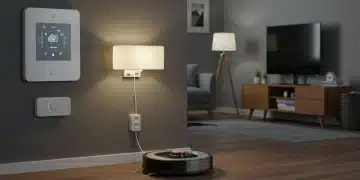
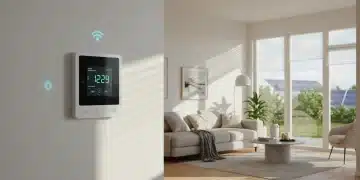
Upgrade Home Comfort: 7 Smart Gadgets for 2026
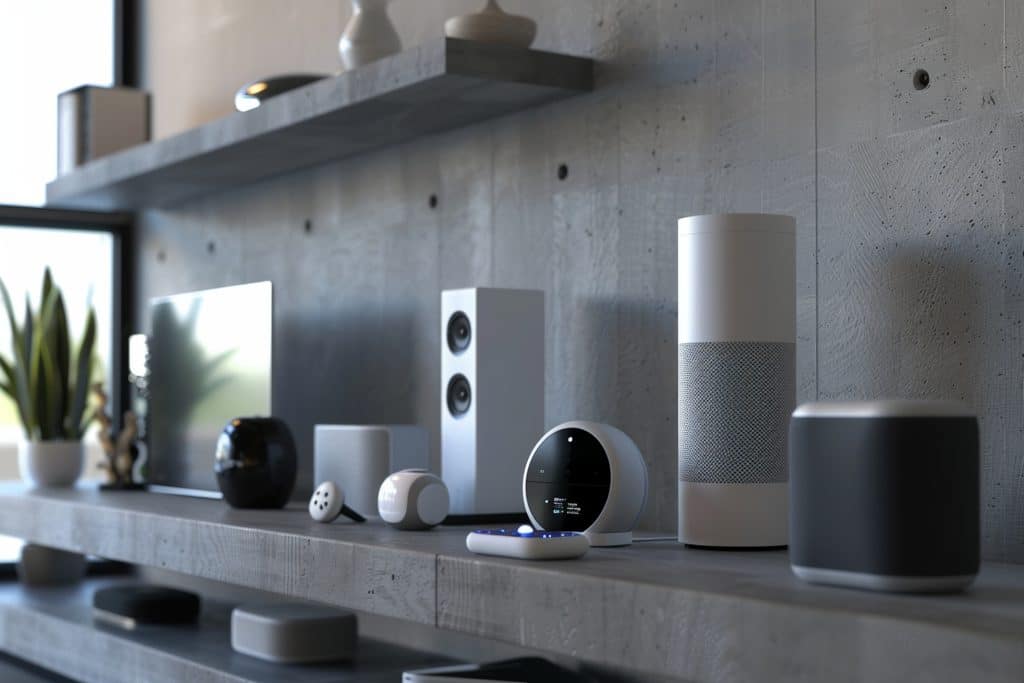
The future of residential living is being redefined by innovative devices, and the next generation of smart home gadgets will significantly enhance comfort, efficiency, and security by 2026.
Are you ready to transform your living space into a sanctuary of modern convenience? As we look towards 2026, the landscape of home technology is evolving rapidly, offering devices that do more than just impress; they genuinely elevate daily life. Investing in smart home gadgets is no longer a luxury but a strategic move toward a more comfortable, efficient, and secure home environment.
The evolving landscape of smart home technology
The concept of a ‘smart home’ has moved far beyond simple voice assistants and automated lights. Today, it encompasses an intricate ecosystem of interconnected devices designed to anticipate needs, optimize energy consumption, and provide unparalleled convenience. Understanding this evolution is key to making informed decisions about future investments.
The integration of artificial intelligence (AI) and machine learning (ML) is pushing the boundaries of what these devices can achieve. They learn user preferences, adapt to daily routines, and even proactively suggest adjustments to enhance comfort and efficiency. This shift from reactive to proactive technology is a game-changer for homeowners seeking seamless integration and intelligent automation.
AI-powered personalization
Modern smart home systems are increasingly focused on personalized experiences. They collect data on your habits, preferences, and even environmental factors to create a living space that truly feels tailored to you. This level of customization ensures that your home works for you, not the other way around.
- Adaptive learning algorithms: Systems that learn your preferred temperature, lighting, and entertainment settings.
- Predictive maintenance: Devices that can anticipate issues and alert you before they become major problems.
- Contextual awareness: Gadgets that understand the time of day, who is home, and even the weather outside to adjust settings accordingly.
Interoperability and open standards
One of the biggest hurdles in early smart home adoption was the lack of seamless communication between devices from different manufacturers. However, the industry is rapidly moving towards open standards, ensuring that various gadgets can work together harmoniously. This trend simplifies setup and expands functionality.
This push for interoperability means consumers will have more freedom to choose devices based on their specific needs and preferences, rather than being locked into a single brand’s ecosystem. The result is a more flexible and powerful smart home experience for everyone. This cooperative approach fosters innovation and provides a more robust foundation for future smart home advancements.
The future of smart home technology promises an even more intuitive and integrated experience, with devices working together to create a truly intelligent living environment. As these systems become more sophisticated, they will continue to redefine what it means to live comfortably and efficiently in the digital age.
Smart climate control systems: beyond the thermostat
While smart thermostats have been around for a while, the next generation of climate control systems going into 2026 offers a much more holistic approach to indoor environmental management. These systems don’t just regulate temperature; they optimize air quality, humidity, and even scent, creating a truly personalized microclimate.
Imagine a home that not only maintains your ideal temperature but also purifies the air of allergens and pollutants, all while diffusing a calming aroma before bedtime. These advanced systems integrate seamlessly, learning your daily patterns and adjusting settings proactively to ensure optimal comfort and well-being without any manual intervention.
Zoned heating and cooling with AI
One of the most significant advancements is intelligent zoned climate control. Instead of treating your entire home as a single unit, these systems allow for individual temperature and air quality regulation in different rooms or zones. AI algorithms learn which rooms are occupied and when, directing resources only where they are needed.
- Energy efficiency: Reduces utility bills by avoiding heating or cooling unused spaces.
- Personalized comfort: Allows each family member to enjoy their preferred climate in their respective areas.
- Seamless integration: Works with occupancy sensors and smart schedules to automate adjustments.
Advanced air quality monitoring and purification
Beyond temperature, indoor air quality is a critical component of home comfort and health. Upcoming smart climate systems will feature highly sensitive sensors that detect a wide range of pollutants, including VOCs, particulate matter, and CO2, automatically activating integrated purification systems.
These purifiers often utilize multi-stage filtration, including HEPA and activated carbon filters, to ensure the air you breathe is clean and healthy. Some even incorporate UV-C light for germicidal protection. This proactive approach to air quality management is particularly beneficial for those with allergies or respiratory sensitivities, providing a constant stream of fresh, clean air throughout the home.
The next wave of smart climate control systems is poised to offer an unprecedented level of personalized comfort and health benefits. By intelligently managing temperature, humidity, and air quality across different zones, these gadgets will redefine what it means to have a truly comfortable and healthy home environment.
Intelligent lighting and ambiance management
Smart lighting has evolved from simple on/off control to sophisticated systems that can dramatically alter the mood and functionality of a space. By 2026, intelligent lighting will be fully integrated with other smart home elements, creating dynamic environments that respond to your presence, activities, and even your circadian rhythm.
These advanced systems go beyond mere brightness and color adjustments. They can simulate natural daylight cycles, helping to regulate sleep patterns and boost productivity. Imagine lights that gently brighten in the morning, shift to cool tones for daytime focus, and mellow to warm hues as evening approaches, all automatically.
Circadian rhythm lighting
One of the most exciting developments is lighting designed to support human health by mimicking natural light patterns. These systems adjust color temperature and intensity throughout the day to align with your body’s internal clock, promoting better sleep, improved mood, and increased energy levels.
- Enhanced well-being: Supports natural sleep-wake cycles and reduces eye strain.
- Automatic adjustments: Synchronizes with sunrise and sunset or custom schedules.
- Dynamic color temperatures: Transitions smoothly from cool whites to warm ambers.
Adaptive scene creation
No longer limited to predefined scenes, future smart lighting systems will be capable of creating adaptive ambiances based on real-time input. Whether you’re watching a movie, hosting a dinner party, or working from home, the lighting will adjust intelligently to suit the activity and enhance the experience.
This includes integrating with entertainment systems to create immersive viewing experiences, or adjusting brightness based on natural light levels to conserve energy. The ability to dynamically respond to various scenarios without constant manual input makes these systems incredibly intuitive and user-friendly, truly transforming how we interact with our living spaces.
Intelligent lighting systems are set to become central to home comfort, offering not just illumination but a powerful tool for mood regulation, productivity, and overall well-being. Their capacity to adapt and personalize the environment marks a significant leap forward in smart home technology.
Advanced home security and monitoring solutions

Home security has always been a top priority, and smart technology is making it more robust, intelligent, and accessible than ever before. By 2026, integrated security systems will offer predictive capabilities, advanced biometric identification, and seamless remote management, providing peace of mind whether you’re home or away.
These systems are moving beyond simple motion detection to incorporate AI-powered analytics that can differentiate between pets and intruders, or even recognize familiar faces. This reduces false alarms and provides more accurate threat assessments, making your home significantly safer without unnecessary interruptions.
Biometric access control
Keypads and traditional keys are becoming relics of the past. Future smart homes will feature advanced biometric access control systems, utilizing fingerprint, facial recognition, or even iris scanning for secure and convenient entry. These systems offer unparalleled security and eliminate the hassle of lost or stolen keys.
- Enhanced security: Biometrics are much harder to compromise than traditional entry methods.
- Keyless convenience: No more fumbling for keys; simply use your unique biological identifier.
- Visitor management: Temporarily grant access to trusted individuals with ease.
AI-powered surveillance and anomaly detection
Smart cameras are evolving with AI to provide more than just live feeds. They can now analyze video in real-time, identify unusual patterns, and alert homeowners to potential threats with greater accuracy. This includes detecting packages left at the door, recognizing unfamiliar vehicles, or even identifying unusual sounds.
These systems learn what is normal behavior around your property and flag anything that deviates from it. This proactive monitoring means you’re informed of potential issues before they escalate, offering a significant improvement over traditional security systems that only react after an event has occurred.
The next generation of home security solutions will integrate advanced AI and biometric technologies to offer a truly intelligent and impenetrable defense for your home. These systems provide not just protection, but also a deeper sense of security and control for homeowners.
Smart kitchen appliances: culinary convenience redefined
The kitchen, often considered the heart of the home, is undergoing a smart transformation that promises to revolutionize cooking, food storage, and meal preparation. By 2026, smart kitchen appliances will offer unprecedented levels of automation, personalization, and efficiency, turning culinary tasks into effortless experiences.
These appliances are no longer just about remote control; they integrate with your diet, shopping lists, and even suggest recipes based on available ingredients. They aim to simplify every step of the cooking process, from planning to cleanup, making healthy eating more accessible and enjoyable.
Intelligent refrigerators and pantry management
Future smart refrigerators will do more than just keep food cold. They will feature internal cameras to track inventory, suggest recipes based on expiring items, and even automatically add depleted groceries to your shopping list. Some models will even link directly to online grocery delivery services.
- Reduced food waste: Alerts you to expiring items and suggests their use.
- Streamlined shopping: Automatically updates your grocery list.
- Recipe suggestions: Provides meal ideas based on available ingredients.
Self-cleaning ovens and smart cooking assistants
The days of scrubbing ovens might soon be over with advanced self-cleaning technologies. Beyond that, smart ovens and cooking assistants will offer precise temperature control, guided cooking programs, and even monitor food doneness to ensure perfect results every time, taking the guesswork out of complex recipes.
These devices often come with built-in recipe databases and step-by-step instructions displayed on integrated screens, guiding even novice cooks through elaborate meals. Some even connect with smart scales and other kitchen tools to ensure accuracy, making gourmet cooking an achievable reality for everyone.
Smart kitchen appliances are set to transform the way we interact with food, making meal preparation more efficient, enjoyable, and sustainable. These innovations will not only save time but also inspire culinary creativity and promote healthier eating habits within the home.
Robotic assistance for daily chores and maintenance

The dream of a self-maintaining home is becoming a reality with the rapid advancements in robotic technology. By 2026, robotic assistants will move beyond simple vacuuming to handle a wider array of daily chores and maintenance tasks, freeing up valuable time for homeowners.
These robots are becoming more intelligent, capable of navigating complex environments, learning new tasks, and even communicating with other smart devices to coordinate their efforts. From floor cleaning to window washing, the burden of household chores is steadily being lifted by these automated helpers.
Advanced robotic vacuums and mops
While robotic vacuums are common today, future models will feature enhanced navigation, superior obstacle avoidance, and multi-surface cleaning capabilities. Some will even integrate with smart home maps to learn layouts and identify specific cleaning zones, offering more efficient and thorough cleaning.
- Precision cleaning: AI-powered mapping for optimized routes and coverage.
- Self-emptying and charging: Automates maintenance for minimal user intervention.
- Multi-functional: Combines vacuuming and mopping for comprehensive floor care.
Automated window and gutter cleaners
Beyond floors, robots are extending their reach to more challenging and often dangerous tasks. Automated window cleaners can cling to glass surfaces, using powerful suction and specialized cleaning solutions to leave windows spotless. Similarly, gutter cleaning robots are emerging to tackle outdoor maintenance, reducing the need for ladders and manual labor.
These specialized robots are designed to operate safely and effectively in their respective environments, often equipped with sensors to prevent falls or damage. Their ability to handle monotonous or risky chores makes them invaluable additions to the smart home ecosystem, ensuring a clean and well-maintained property with minimal effort.
Robotic assistance is poised to dramatically reduce the time and effort spent on household chores, allowing homeowners to focus on more fulfilling activities. These smart helpers represent a significant leap towards a truly automated and comfortable living environment.
Smart health and wellness devices for the home
As health and well-being become increasingly central to our lives, smart home technology is adapting to support these goals directly within our living spaces. By 2026, a new wave of devices will offer personalized health monitoring, stress reduction, and sleep optimization, seamlessly integrating wellness into the fabric of daily life.
These devices are designed to provide actionable insights into personal health metrics, often without requiring direct interaction. They blend into the home environment, passively collecting data and offering recommendations to improve physical and mental states, fostering a proactive approach to health.
Integrated sleep tracking and optimization
Beyond wearable devices, smart beds and non-contact sleep trackers will provide detailed insights into sleep patterns, heart rate, and breathing. These systems can automatically adjust bed firmness, temperature, and even soundscapes to optimize sleep quality, ensuring you wake up refreshed.
- Personalized sleep environment: Adjusts comfort settings for optimal rest.
- Detailed analytics: Provides data on sleep stages, disturbances, and trends.
- Smart alarms: Wakes you gently during light sleep cycles for a more pleasant awakening.
Ambient stress reduction and mindfulness tools
The smart home will also become a haven for mental well-being. Devices designed for ambient stress reduction will use subtle changes in lighting, sound, and scent to create calming environments. These might include smart diffusers with adaptive essential oil releases or sound machines that generate personalized white noise profiles.
Some systems will even integrate with biofeedback sensors, subtly adjusting the environment in response to your physiological state, guiding you towards a state of relaxation. This proactive approach to mental wellness helps homeowners manage daily stressors and cultivate a more peaceful living atmosphere.
Smart health and wellness devices will transform our homes into personal wellness centers, offering continuous support for physical and mental health. These innovations will empower individuals to take a more active role in managing their well-being, fostering a healthier and happier lifestyle.
Seamless entertainment and connectivity hubs

The way we consume entertainment and stay connected is constantly evolving, and smart home technology is at the forefront of this revolution. By 2026, homes will feature highly integrated entertainment systems and advanced connectivity hubs that deliver immersive experiences and robust, reliable network performance throughout the entire property.
These systems go beyond individual devices, creating a unified ecosystem where content flows effortlessly between rooms and devices. They prioritize not just high-quality media delivery but also the underlying network infrastructure that makes a truly connected home possible.
Whole-home audio and video distribution
Gone are the days of tangled wires and disparate entertainment setups. Future smart homes will feature integrated whole-home audio and video distribution systems, allowing you to stream high-fidelity sound and 4K content to any room with ease. Control will be centralized, accessible from a single app or voice command.
- Multi-room synchronization: Play the same music or video seamlessly across different zones.
- Centralized content library: Access all your media from one intuitive interface.
- Voice and gesture control: Effortlessly manage your entertainment experience.
Next-gen Wi-Fi and mesh networking
As the number of smart devices in a home grows, so does the demand for robust and reliable internet connectivity. By 2026, advanced Wi-Fi 7 and mesh networking systems will be standard, ensuring ultra-fast speeds, minimal latency, and consistent coverage in every corner of your home, supporting all your connected gadgets.
These networks are designed to handle the massive data traffic generated by multiple streaming services, smart appliances, and IoT devices simultaneously, guaranteeing a smooth and uninterrupted experience. The emphasis is on creating an invisible yet powerful network backbone that supports every aspect of the smart home, making connectivity a forgotten concern.
Seamless entertainment and connectivity hubs are essential for the modern smart home, providing the infrastructure and experience necessary for a truly immersive and connected lifestyle. These advancements ensure that your home is not just smart, but also a hub of endless entertainment and reliable communication.
| Key Gadget | Core Benefit |
|---|---|
| Smart Climate Systems | Personalized temperature and air quality across zones. |
| Intelligent Lighting | Adaptive ambiance and circadian rhythm support. |
| Biometric Security | Enhanced, keyless access and AI-powered surveillance. |
| Robotic Assistants | Automated daily chores and property maintenance. |
Frequently asked questions about smart home gadgets
Upgrading to smart home gadgets in 2026 offers enhanced comfort, significant energy savings through optimized resource use, improved security with advanced monitoring, and unparalleled convenience by automating daily routines. These devices create a more responsive and personalized living environment tailored to individual preferences and needs.
Smart climate control systems improve energy efficiency by utilizing AI and occupancy sensors to heat or cool only occupied zones. They learn your preferences and adjust proactively, avoiding wasted energy in unused spaces. This intelligent management significantly reduces utility costs while maintaining optimal comfort throughout your home.
Yes, smart home security systems are generally more secure. They incorporate advanced features like AI-powered anomaly detection, biometric access control, and real-time remote monitoring. These capabilities allow for more accurate threat identification, fewer false alarms, and immediate alerts, providing a higher level of protection compared to conventional systems.
Robotic assistants enhance home comfort by automating mundane and time-consuming chores. From advanced robotic vacuums and mops to automated window and gutter cleaners, these devices free up homeowners’ time, allowing them to focus on more enjoyable activities. They maintain a clean and well-kept home with minimal manual effort.
Smart lighting contributes to overall well-being by supporting natural circadian rhythms, improving sleep quality, and reducing eye strain. Systems adapt color temperature and intensity throughout the day to mimic natural light, promoting better mood and productivity. They also create adaptive ambiances for relaxation or focus, positively impacting mental health.
Conclusion
As we approach 2026, the integration of smart home gadgets into our daily lives is set to redefine comfort, efficiency, and security. From intelligent climate control and adaptive lighting to advanced security systems and robotic assistants, these innovations promise not just convenience, but a profound enhancement of our living spaces. Investing in these technologies is a step towards a more intuitive, personalized, and effortlessly comfortable home, truly transforming how we interact with our environment and elevating our quality of life.