Top 5 Smart Home Upgrades for Elevated Comfort in 2026
The top 5 smart home upgrades for elevated comfort in 2026 focus on integrating advanced technology to create seamless, intuitive, and luxurious living environments that enhance daily life and well-being.
As we step further into the future, the concept of home comfort is rapidly evolving, driven by innovative technology. The Top 5 Smart Home Upgrades for Elevated Comfort in 2026: An Insider’s Guide to Seamless Living explores how cutting-edge advancements are transforming our residences into intelligent havens. Are you ready to discover how your home can become more intuitive, efficient, and luxurious?
The Evolution of Smart Climate Control Systems
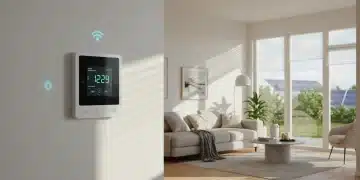
The days of manually adjusting thermostats are quickly becoming a relic of the past. In 2026, smart climate control systems have transcended basic temperature management, offering unparalleled comfort and energy efficiency. These advanced systems learn your preferences, adapt to external weather conditions, and even anticipate your needs before you do.
Modern smart thermostats are now deeply integrated with other home systems, creating a holistic approach to environmental control. They consider factors like humidity, air quality, and even individual room occupancy to optimize comfort levels throughout your home. This level of precision not only enhances well-being but also significantly reduces energy consumption, leading to tangible savings.
Personalized climate zones
One of the most significant advancements is the proliferation of personalized climate zones. Imagine each room in your home maintaining its ideal temperature, tailored to its specific use and the preferences of its occupants. This is no longer a futuristic dream but a present-day reality.
- Individual Room Sensors: Small, discreet sensors placed in each room monitor temperature, humidity, and occupancy.
- AI-Driven Algorithms: Artificial intelligence processes data from these sensors to create optimal climate profiles for every zone.
- User-Friendly Interfaces: Control these complex systems with ease via intuitive smartphone apps or voice commands.
These systems ensure that the nursery is always warm, the home office is perfectly cool for productivity, and the bedroom is ideal for restful sleep, all without wasting energy heating or cooling unoccupied spaces. The seamless integration means you rarely have to think about it; the system simply works in the background, providing consistent comfort.
Predictive energy management
Beyond simple scheduling, smart climate control systems now employ predictive analytics. They analyze historical data, local weather forecasts, and even your personal calendar to pre-condition your home. This means your house is at the perfect temperature the moment you arrive, without having to run the HVAC system excessively.
The evolution of smart climate control systems represents a cornerstone of elevated comfort in smart homes. By combining intelligent sensors, AI, and seamless integration, these systems offer a level of personalized environmental control that was once unimaginable, ensuring your home is always a sanctuary of perfect temperature and air quality while being mindful of energy use.
Integrated Smart Lighting Solutions for Ambiance and Security
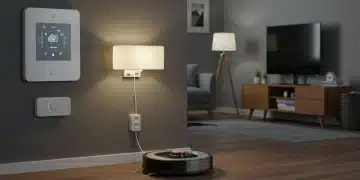
Smart lighting has evolved far beyond simple on/off functionality, becoming a critical component of elevated home comfort and security. In 2026, these systems offer dynamic control over ambiance, mood, and even contribute to your home’s safety. They seamlessly blend into the architecture, providing both aesthetic appeal and practical benefits.
The latest smart lighting solutions are not just about illumination; they are about creating experiences. From waking up gently with simulated sunrise lighting to setting the perfect mood for a dinner party, the possibilities are endless. These systems are also increasingly energy-efficient, utilizing LED technology and smart sensors to reduce power consumption.
Dynamic color and intensity control
The ability to precisely control the color temperature and intensity of your lights transforms your living spaces. You can shift from a cool, bright white for productive work to a warm, soft glow for relaxation with a simple command. This adaptability caters to different activities and times of day, enhancing well-being.
- Tunable White Light: Adjust from cool daylight to warm incandescent tones to match natural circadian rhythms.
- Full Spectrum RGBW: Access millions of colors to create unique ambiances for any occasion or mood.
- Dimming Capabilities: Smooth, flicker-free dimming from 1% to 100% for precise light levels.
This level of customization allows homeowners to curate their environment, making every moment at home more enjoyable. The integration with voice assistants means you can change the entire mood of a room without lifting a finger.
Enhanced security features
Smart lighting also plays a crucial role in home security. Automated lighting schedules can simulate occupancy when you’re away, deterring potential intruders. Motion-activated lights can illuminate dark areas, providing both safety and a visual deterrent.
Furthermore, integration with security cameras and alarm systems allows lights to flash or change color in the event of an alert, drawing attention to potential issues. The ability to control lights remotely provides peace of mind, allowing you to check on your home’s status from anywhere in the world. Integrated smart lighting solutions are no longer a luxury but a fundamental upgrade for any modern smart home, offering both comfort and robust security.
Advanced Voice-Activated Assistants and Whole-Home Automation
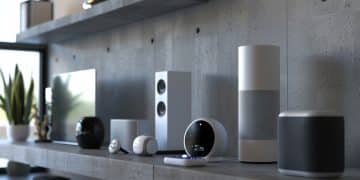
Voice-activated assistants have moved beyond simple queries to become the central nervous system of the modern smart home. In 2026, these assistants, combined with whole-home automation platforms, offer an unprecedented level of control and convenience, making seamless living a reality. They understand complex commands, anticipate needs, and orchestrate various devices to work in harmony.
The true power lies in their ability to integrate disparate smart devices into a unified ecosystem. No longer do you need multiple apps for different gadgets; your voice assistant acts as the single point of control for your entire smart home. This simplification of interaction is key to elevated comfort, reducing friction and making technology truly disappear into the background.
Intuitive voice control for everything
From adjusting the thermostat to locking doors, playing music, or even ordering groceries, voice commands have become incredibly sophisticated. Natural language processing has advanced to a point where assistants understand context and nuance, making interactions feel more human and less like talking to a machine.
- Contextual Understanding: Assistants remember previous commands and understand follow-up questions.
- Multi-Command Execution: Issue a single command to trigger a sequence of actions across different devices.
- Personalized Profiles: Assistants recognize individual voices and tailor responses and actions based on user preferences.
This level of intuitive interaction means that managing your home becomes effortless. Imagine simply saying, “Good morning,” and your lights gradually brighten, your coffee maker starts brewing, and the news brief begins playing – all without touching a single button.
Seamless device integration
The backbone of whole-home automation is the seamless integration of devices from different manufacturers. Open standards and improved interoperability protocols have made it easier for various smart gadgets to communicate and cooperate. This means you are no longer locked into a single brand’s ecosystem.
Through robust automation platforms, you can create intricate routines and scenes that orchestrate multiple devices. For example, a “movie night” scene could dim the lights, close the smart blinds, and turn on your home theater system with a single command. This level of automation transforms daily tasks into effortless experiences, significantly enhancing the comfort and convenience of your home environment.
Smart Kitchen Appliances: Redefining Culinary Convenience
The kitchen, often considered the heart of the home, is undergoing a profound transformation with smart appliance integration. In 2026, smart kitchen appliances are not just about novelty; they are about redefining culinary convenience, efficiency, and even healthy eating. These intelligent devices simplify meal preparation, reduce waste, and connect you to a world of culinary possibilities.
From refrigerators that manage your grocery list to ovens that perfectly cook your meals, smart kitchens are designed to save you time and effort. They integrate with voice assistants and other smart home systems, creating a cohesive and highly functional cooking environment. The goal is to make cooking less of a chore and more of an enjoyable, creative process.
Automated meal preparation and planning
Imagine an oven that preheats itself based on your commute, or a refrigerator that suggests recipes based on its contents and your dietary preferences. These are becoming standard features in 2026 smart kitchens. Appliances communicate with each other and with you, streamlining the entire meal preparation process.
- Recipe Integration: Smart ovens and cooktops can automatically adjust settings based on recipes pulled from online databases.
- Inventory Management: Smart refrigerators track contents, suggest shopping lists, and alert you to expiring items.
- Personalized Cooking: Appliances learn your cooking habits and preferences, offering tailored suggestions and timings.
This automation frees up valuable time, reduces food waste, and ensures consistently delicious results. The ability to start dinner from your office or have your coffee ready the moment you wake up adds an unparalleled layer of convenience to daily life.
Connected culinary experiences
Beyond individual appliance functions, smart kitchens offer a connected culinary experience. You can monitor cooking progress from another room, receive notifications when a dish is ready, or even troubleshoot issues remotely. This connectivity extends to smart scales, blenders, and even trash cans, all contributing to a more efficient kitchen workflow.
The integration with smart home ecosystems means you can control your kitchen appliances with voice commands or through a central smart hub. This not only enhances convenience but also fosters a more engaging and less stressful cooking environment. Smart kitchen appliances are truly revolutionizing how we interact with food, making healthy and delicious meals more accessible than ever.
Enhanced Home Security and Monitoring Systems
Home security in 2026 has evolved into a sophisticated, multi-layered system that offers unparalleled peace of mind. Beyond traditional alarms, modern smart security integrates advanced monitoring, artificial intelligence, and seamless connectivity to protect your home and loved ones. These systems are proactive, intelligent, and designed to adapt to various threats.
The focus is no longer just on reacting to an intrusion but on preventing it. Smart security systems utilize a combination of sensors, cameras, and AI to detect unusual activity, identify potential threats, and alert you instantly. This comprehensive approach ensures that your home is safeguarded around the clock, whether you are present or away.
AI-powered surveillance and threat detection
The integration of artificial intelligence into security cameras has revolutionized surveillance. These cameras can differentiate between pets, people, and vehicles, reducing false alarms. They can also identify suspicious behavior, such as loitering or unusual movements, and send immediate alerts.
- Facial Recognition: Identify authorized individuals and alert you to unrecognized faces.
- Behavioral Analytics: Detect unusual patterns of activity around your property.
- Package Detection: Receive notifications when packages are delivered or tampered with.
This intelligent monitoring provides a level of security that was previously only available in commercial settings. The ability to review high-definition footage and communicate with visitors or potential intruders via two-way audio adds another layer of control and deterrence.
Integrated access control and smart locks
Smart locks and integrated access control systems offer a convenient and secure way to manage who enters your home. Keyless entry, remote access management, and temporary access codes provide flexibility while maintaining robust security. You can grant access to delivery personnel, pet sitters, or family members without the need for physical keys.
These systems integrate seamlessly with other smart home devices. For example, when you unlock your door, your lights can turn on, and your thermostat can adjust to your preferred temperature. In the event of an emergency, smart locks can be remotely unlocked for first responders. Enhanced home security and monitoring systems are essential for modern living, providing not just protection but also convenience and complete control over your home’s access points.
Smart Appliances for Health and Wellness Integration
Beyond comfort and security, smart home upgrades in 2026 are increasingly focusing on health and wellness. These innovative appliances and systems are designed to monitor your environment, track personal metrics, and even promote healthier habits, transforming your home into a personalized wellness hub. They proactively contribute to your physical and mental well-being, making your home a place where you can truly thrive.
This integration goes beyond simple fitness trackers, extending to the very fabric of your living space. From air purification to sleep optimization, smart wellness solutions are becoming indispensable for a holistic approach to a healthy lifestyle. They leverage data and automation to create an environment conducive to relaxation, recovery, and overall vitality.
Air quality monitoring and purification
Indoor air quality is a significant factor in health, and smart homes are now equipped to manage it proactively. Integrated sensors monitor pollutants, allergens, and humidity levels, automatically activating purification and ventilation systems to maintain optimal air quality.
- Real-time Data: Track air quality metrics via smartphone apps, understanding what you’re breathing.
- Automatic Filtration: Systems activate HEPA filters and UV-C purifiers when thresholds are exceeded.
- Humidity Control: Maintain ideal humidity levels to prevent mold growth and respiratory issues.
Ensuring clean, fresh air throughout your home contributes significantly to respiratory health, reduces allergy symptoms, and promotes a more invigorated living environment. This invisible yet crucial aspect of smart home wellness offers profound benefits for everyone.
Sleep optimization and smart bedding
Sleep is foundational to health, and smart home technology is now designed to enhance it. Smart beds and bedding systems monitor sleep patterns, adjust firmness, and even regulate temperature to create the perfect sleep environment. They can also integrate with smart lighting to gently wake you with simulated sunlight.
Beyond the bedroom, smart homes can also incorporate features like smart mirrors that offer personalized health insights, smart scales that track body composition, and even smart showers that conserve water and customize water temperature and pressure. These integrations create a comprehensive wellness ecosystem within your home, empowering you to take a more active role in managing your health and well-being. Smart appliances for health and wellness are truly transforming homes into places that nurture and support a healthy, balanced life.
The Future of Entertainment: Immersive Smart Home Experiences
The evolution of smart home technology in 2026 is bringing about a revolution in home entertainment, moving beyond traditional setups to create truly immersive experiences. These systems integrate audio, visual, and environmental controls to transform your living space into a dynamic entertainment hub, whether you’re watching a movie, playing a game, or hosting a party.
No longer confined to a single screen, smart entertainment systems extend across your entire home, offering synchronized experiences that engage all your senses. The focus is on creating a seamless, intuitive, and high-quality entertainment environment that adapts to your preferences and enhances every moment.
Whole-home audio and visual synchronization
Imagine your favorite music flowing seamlessly from room to room, or a movie’s audio extending beyond the living room to create a truly enveloping soundscape. Whole-home audio systems provide crystal-clear sound, controllable from any device, allowing for personalized listening experiences in every corner of your house.
- Multi-Room Audio: Play different music in different rooms or synchronize a single playlist throughout the entire home.
- Invisible Speakers: High-fidelity audio delivered through speakers seamlessly integrated into walls or ceilings.
- Dynamic Visuals: Smart projectors and displays that adapt to ambient light, providing optimal viewing conditions.
This level of synchronization ensures that your entertainment is always with you, creating a consistent and enjoyable experience. Whether it’s a podcast while cooking or a movie soundtrack during a relaxed evening, the sound quality and accessibility are unparalleled.
Adaptive environments for entertainment
Smart entertainment systems go beyond just audio and video; they integrate with other smart home features to create adaptive environments. For instance, when you start a movie, the smart lights can dim to the perfect level, smart blinds can close, and the thermostat can adjust for optimal comfort. This creates a cinema-like experience in your own home.
Furthermore, interactive gaming experiences are enhanced by haptic feedback from smart furniture or synchronized lighting effects that respond to on-screen action. The ability to customize and automate these environments means that every entertainment session is precisely tailored to your desires, providing a truly immersive and personalized experience. The future of entertainment in smart homes is about integrating technology to create dynamic, responsive, and deeply engaging experiences that redefine how we enjoy media.
Making Smart Home Upgrades Accessible and Sustainable
While the allure of advanced smart home technology is undeniable, making these upgrades accessible and sustainable is paramount. In 2026, the industry is increasingly focusing on user-friendly installations, modular systems, and environmentally conscious designs to ensure that elevated comfort is within reach for a broader audience, without compromising planetary health.
The perception of smart homes being overly complex or expensive is rapidly changing. Manufacturers are developing more intuitive interfaces, offering step-by-step guides, and providing robust customer support. Moreover, the emphasis on sustainability means that smart upgrades are not just about convenience but also about responsible living, contributing to a greener future.
Modular and scalable systems
One of the key trends is the shift towards modular smart home systems. This allows homeowners to start with a few basic devices and gradually expand their smart ecosystem as their needs and budget evolve. This approach makes smart home technology less intimidating and more financially manageable.
- Start Small: Begin with essential devices like a smart thermostat or smart lighting.
- Expand Gradually: Add new devices and functionalities over time, integrating them seamlessly.
- Interoperability: Systems designed to work with various brands and protocols, ensuring future compatibility.
This flexibility ensures that homeowners can tailor their smart home journey to their unique circumstances, making the transition to a connected lifestyle smooth and stress-free. The ability to upgrade components individually also extends the lifespan of the overall system, reducing electronic waste.
Energy efficiency and environmental impact
Sustainability is a core principle driving smart home innovation. Modern smart devices are designed to minimize energy consumption, often leading to significant reductions in utility bills. Features like occupancy sensors, smart power strips, and intelligent scheduling ensure that energy is only used when and where it’s needed.
Beyond energy saving, manufacturers are also focusing on eco-friendly materials, recyclable packaging, and responsible manufacturing processes. The integration of renewable energy sources, such as solar panels, with smart home energy management systems is also becoming more common, allowing homes to optimize their energy usage and even feed surplus energy back into the grid. Making smart home upgrades accessible and sustainable ensures that the benefits of elevated comfort are enjoyed by more people, contributing to both individual well-being and a healthier planet.
| Smart Upgrade | Key Benefit |
|---|---|
| Smart Climate Control | Personalized comfort and energy savings. |
| Integrated Smart Lighting | Ambiance control and enhanced security. |
| Voice Assistants & Automation | Seamless control and intuitive living. |
| Smart Kitchen Appliances | Redefined culinary convenience and efficiency. |
Frequently Asked Questions About Smart Home Upgrades
The most impactful upgrades for comfort include smart climate control for personalized temperatures, integrated smart lighting for ambiance, and voice-activated assistants for seamless control. These systems work together to create an intuitive and highly responsive living environment, significantly enhancing daily comfort and convenience.
Smart home upgrades contribute to energy savings through features like predictive climate control, occupancy sensors for lighting, and smart appliance scheduling. These systems optimize energy consumption by ensuring that heating, cooling, and lighting are only used when and where needed, leading to reduced utility bills and a smaller carbon footprint.
Yes, smart home security systems are significantly more effective than traditional setups. They integrate AI-powered surveillance, facial recognition, and smart locks to provide proactive threat detection and real-time alerts. This multi-layered approach offers enhanced protection, deterrence, and peace of mind through remote monitoring and control capabilities.
Absolutely. Smart kitchen appliances simplify cooking by offering automated meal preparation, recipe integration, and inventory management. Refrigerators suggest recipes based on contents, ovens preheat remotely, and cooktops adjust settings automatically. This streamlines the entire culinary process, saving time and effort while promoting healthier eating habits.
While some advanced systems may require professional installation, many modern smart home upgrades are designed for DIY installation with user-friendly guides. The industry is moving towards modular and scalable systems with improved interoperability, making it easier to integrate devices from different brands and expand your smart home gradually and seamlessly.
Conclusion
The landscape of home living is being fundamentally reshaped by the rapid advancements in smart home technology. As we’ve explored, the top 5 smart home upgrades for elevated comfort in 2026 – encompassing climate control, lighting, voice automation, kitchen appliances, and security – are not just about adding gadgets; they are about creating an interconnected ecosystem that anticipates needs, optimizes efficiency, and enhances every facet of daily life. These innovations promise a future where our homes are not just structures, but intelligent partners in fostering well-being, convenience, and a truly seamless living experience. Embracing these upgrades means stepping into a future where comfort is not just a luxury, but an inherent design principle of our personal spaces.