Control Your Comfort: Smart Thermostat Guide for Energy Savings in 2026
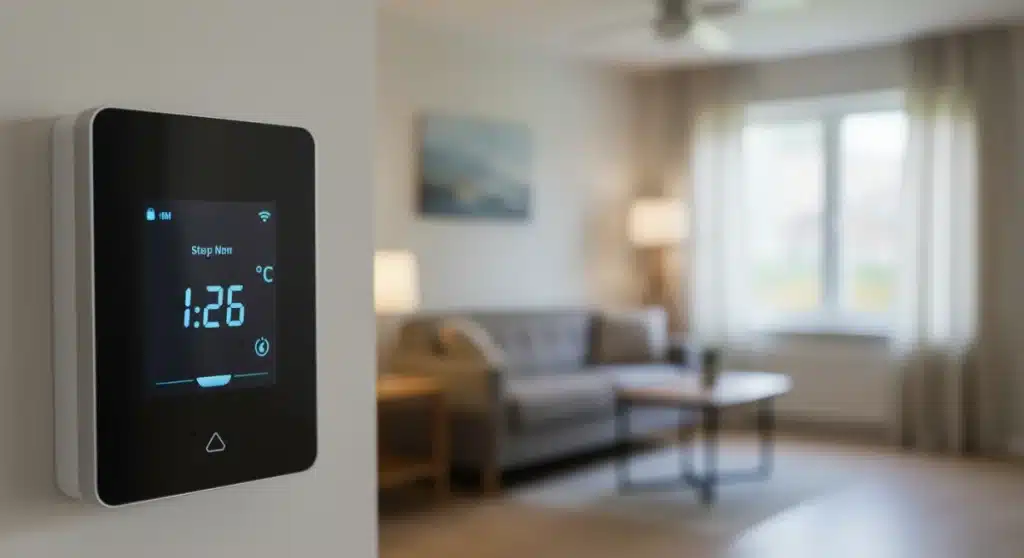
Smart thermostats revolutionize home climate control by offering advanced features like remote access and learning capabilities, significantly contributing to energy savings and enhanced comfort in 2026.
Are you ready to truly control your comfort: smart thermostat guide for energy savings in 2026? Imagine a home that anticipates your needs, adjusts its temperature to perfection, and saves you money on utility bills without you lifting a finger. This isn’t a futuristic fantasy; it’s the reality offered by today’s sophisticated smart thermostats, poised to become an indispensable part of every energy-conscious household.
Understanding the Smart Thermostat Revolution
Smart thermostats have evolved far beyond simple programmable devices. They represent a significant leap in home automation, integrating advanced technology to optimize climate control. These intelligent devices learn your preferences, adapt to your schedule, and can be managed remotely, offering unparalleled convenience and efficiency.
The core appeal of smart thermostats lies in their ability to make your home more comfortable while simultaneously reducing energy consumption. This dual benefit addresses both the desire for a pleasant living environment and the growing need for sustainable, cost-effective energy solutions.
What Sets Them Apart from Traditional Thermostats?
Unlike their predecessors, smart thermostats are not just timers. They are sophisticated sensors and software platforms that interact with your home and your lifestyle. This interaction is key to their effectiveness in saving energy and enhancing comfort.
- Learning Capabilities: Many smart thermostats can learn your daily routines and temperature preferences over time, automatically adjusting the heating and cooling cycles.
- Remote Access: Control your home’s temperature from anywhere using your smartphone, tablet, or computer, ensuring comfort upon arrival or making adjustments when plans change.
- Geofencing: Some models use your phone’s location to determine when you’re home or away, adjusting the temperature accordingly to avoid heating or cooling an empty house.
- Energy Reporting: Gain insights into your energy usage with detailed reports, helping you identify patterns and further optimize your settings for maximum savings.
The transition from a basic thermostat to a smart one is more than just an upgrade; it’s an investment in a more efficient, comfortable, and responsive home. By understanding these fundamental differences, homeowners can better appreciate the value proposition of these intelligent devices.
Key Features to Look for in 2026 Smart Thermostats
As technology advances, the capabilities of smart thermostats continue to expand. In 2026, consumers can expect an even more refined and integrated experience. Knowing which features are most beneficial will guide your purchasing decision and maximize your returns.
The market is rich with options, each promising unique advantages. Prioritizing features that align with your lifestyle and home’s specific needs is crucial for making an informed choice.
Advanced Sensing and Integration
Beyond basic temperature sensing, modern smart thermostats incorporate a range of sensors and integrate with other smart home devices to provide a holistic comfort solution.
- Occupancy Sensors: Detect when rooms are occupied, ensuring heating or cooling is only active where and when needed, leading to more precise energy management.
- Humidity Sensors: Monitor indoor humidity levels, which is vital for comfort and can also impact energy use, especially in humid climates.
- Voice Assistant Integration: Seamlessly control your thermostat using voice commands through popular smart home assistants like Amazon Alexa or Google Assistant.
- Smart Home Ecosystem Compatibility: Ensure your chosen thermostat integrates well with your existing smart home devices, creating a unified and efficient system.
These advanced features move smart thermostats from being standalone devices to integral components of a connected home. The synergy between different smart devices amplifies their individual benefits, leading to greater efficiency and convenience. Consider how these integrations can simplify your daily life and enhance your overall home experience.
Installation and Setup: A DIY or Pro Job?
Once you’ve selected your ideal smart thermostat, the next step is installation. For many, the idea of tinkering with their home’s wiring can be daunting. However, most smart thermostats are designed with user-friendly installation in mind, often making it a manageable DIY project.
Understanding the process and knowing when to call in a professional can save you time, frustration, and potential damage to your HVAC system. Safety and proper functionality are paramount.
The DIY Approach: What You Need to Know
Many smart thermostats come with detailed instructions and online tutorials that guide you through each step. Basic tools like a screwdriver are typically all that’s required. The most critical aspect is identifying your existing wiring and ensuring compatibility with the new device.
- Turn off Power: Always begin by turning off the power to your HVAC system at the circuit breaker to prevent electrical shock.
- Label Wires: Before disconnecting your old thermostat, carefully label each wire according to its terminal. This is crucial for correct re-connection.
- C-Wire Requirement: Most smart thermostats require a “C-wire” (common wire) for continuous power. If your system lacks one, you might need an adapter or professional installation.
- Follow Instructions: Adhere strictly to the manufacturer’s installation guide, as steps can vary between models.
For those comfortable with basic home repairs, a DIY installation can be a rewarding experience, often taking less than an hour. However, if you encounter any uncertainty, especially regarding wiring, it’s always best to seek expert help.
When to Call a Professional
While DIY is an option for many, certain situations warrant professional installation. These include homes with older HVAC systems, complex wiring setups, or the absence of a C-wire where an adapter isn’t sufficient.
A certified HVAC technician can ensure your smart thermostat is installed correctly, integrated seamlessly with your existing system, and operating at peak efficiency. They can also troubleshoot any unforeseen issues and provide valuable advice on optimizing your settings.
Investing in professional installation can prevent costly mistakes and give you peace of mind, knowing your new smart device is functioning as intended. It’s a small price to pay for long-term reliability and energy savings.
Maximizing Energy Savings with Your Smart Thermostat
The primary driver for many homeowners adopting smart thermostats is the promise of significant energy savings. While the devices themselves are intelligent, unlocking their full potential requires a proactive approach to programming and utilization.
It’s not just about setting it and forgetting it; understanding how to leverage its features can amplify your savings and reduce your carbon footprint.
Leveraging Smart Features for Optimal Efficiency
Smart thermostats offer a suite of features designed to minimize wasted energy. Utilizing these effectively is key to seeing a noticeable reduction in your utility bills.
- Schedule Programming: Create custom heating and cooling schedules that align with your family’s daily routine, ensuring comfort only when needed.
- Geofencing Activation: Enable geofencing to automatically adjust the temperature when you leave and return home, preventing unnecessary heating or cooling of an empty house.
- Learning Mode: Allow the thermostat to learn your preferences over time. The more it learns, the better it can anticipate your needs and optimize energy use.
- Zone Control: If your home has multiple zones, use smart thermostats in each to control temperatures independently, avoiding heating or cooling unoccupied areas.
- Energy Reports and Alerts: Regularly review energy usage reports to identify patterns and areas for improvement. Set up alerts for extreme temperature changes or usage anomalies.
By actively engaging with these features, you transform your smart thermostat from a passive device into an active partner in your home’s energy management strategy. Consistent optimization will yield the best results.
Integrating with Other Smart Home Devices for Greater Impact
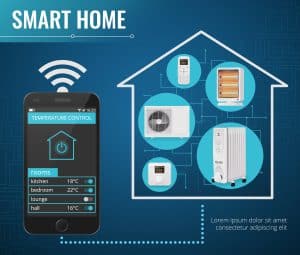
The true power of a smart thermostat is often realized when it’s integrated into a larger smart home ecosystem. When your thermostat communicates with other devices, it creates a more responsive and efficient environment.
For example, integrating with smart blinds can allow your thermostat to automatically adjust window coverings to block sunlight during peak heat or allow it in for passive heating during colder months. Similarly, integration with smart lighting can create a more cohesive and energy-efficient atmosphere.
Consider linking your smart thermostat with window and door sensors. If a window is left open, the system can pause heating or cooling to prevent energy waste. This level of interconnectedness not only enhances energy savings but also elevates the overall comfort and convenience of your home.
Choosing the Right Smart Thermostat for Your Home in 2026
With an ever-expanding market, selecting the perfect smart thermostat can feel overwhelming. The “best” thermostat isn’t a one-size-fits-all solution; it depends on your specific home, HVAC system, and personal preferences.
Careful consideration of several factors will help you narrow down the options and make a choice that truly fits your needs, ensuring you reap the full benefits of smart climate control.
Factors to Consider Before Purchase
Before making a decision, take stock of your home’s infrastructure and your lifestyle requirements. This foundational understanding will guide you toward compatible and effective options.
- HVAC System Compatibility: Verify that the smart thermostat is compatible with your heating and cooling system (e.g., conventional, heat pump, multi-stage). Check for C-wire requirements.
- Smart Home Ecosystem: If you already have a smart home setup (e.g., Apple HomeKit, Google Home, Amazon Alexa), choose a thermostat that integrates seamlessly with it.
- Features and Functionality: Prioritize features that are most important to you, such as learning capabilities, geofencing, zone control, or detailed energy reports.
- User Interface: Look for an intuitive and easy-to-use interface, both on the device itself and in its accompanying mobile app.
- Budget: Smart thermostats range in price. Determine your budget and look for the best features within that range, considering potential long-term energy savings.
By carefully evaluating these points, you can avoid common pitfalls and select a smart thermostat that will truly enhance your home’s comfort and efficiency for years to come. Don’t rush the decision; research is your best friend.
Top Smart Thermostat Brands and Models for 2026
As of 2026, several brands continue to lead the market, offering innovative features and reliable performance. While specific models may evolve, these brands consistently deliver high-quality options.
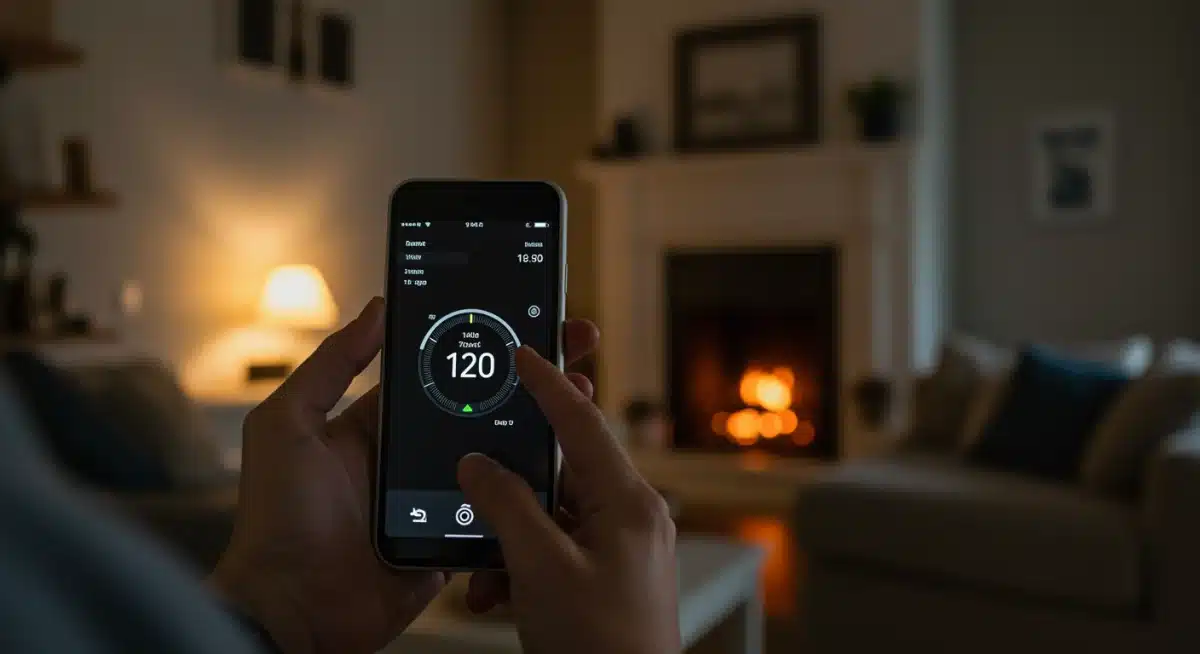
Nest Thermostat: Known for its iconic design and powerful learning capabilities, Nest thermostats are excellent for users who want a device that intuitively adapts to their schedule. Their energy reports are also highly detailed.
Ecobee Smart Thermostat: Ecobee stands out for its remote sensors, which help address hot or cold spots in different rooms, providing more even comfort throughout the home. They also often include built-in voice assistants.
Honeywell Home Smart Thermostats: Honeywell offers a wide range of smart thermostats, from basic smart functionality to advanced models with zoning capabilities, catering to various budgets and needs. Their reliability is a strong selling point.
Mysa Smart Thermostats: Specializing in electric baseboard and in-floor heating systems, Mysa provides smart solutions for homes with less common heating types, often overlooked by other manufacturers.
Researching the latest models from these reputable brands and reading user reviews will provide valuable insights into their real-world performance and suitability for your home. Remember to compare warranty and customer support options as well.
The Future of Smart Thermostats and Home Comfort
The trajectory of smart thermostat technology points towards even greater intelligence, integration, and user personalization. As artificial intelligence and machine learning become more sophisticated, these devices will evolve to offer unprecedented levels of comfort and efficiency.
Anticipating these advancements helps us understand the evolving landscape of home climate control and what to expect in the coming years. The focus will increasingly be on predictive comfort and seamless automation.
Emerging Technologies and Trends
The next generation of smart thermostats will likely feature enhanced capabilities that push the boundaries of current technology.
- Predictive Maintenance: AI-powered diagnostics that can identify potential HVAC system issues before they become major problems, alerting homeowners for proactive maintenance.
- Hyper-Personalization: Deeper learning algorithms that can tailor climate control not just to schedules, but to individual preferences within different rooms and at different times of day, based on occupancy and personal profiles.
- Grid Integration: Increased ability to interact with smart grids, optimizing energy consumption during off-peak hours or in response to dynamic energy pricing, further reducing costs and supporting grid stability.
- Advanced Air Quality Monitoring: Integration with indoor air quality sensors to not only control temperature but also manage ventilation and filtration for a healthier home environment.
These trends suggest a future where smart thermostats are not just temperature controllers but comprehensive home climate managers, offering unparalleled control over comfort, air quality, and energy expenditure.
The Role of Smart Thermostats in a Sustainable Future
Beyond individual home savings, smart thermostats play a crucial role in broader energy conservation efforts. By optimizing energy use at a household level, they collectively contribute to reducing strain on power grids and lowering overall carbon emissions.
Their ability to integrate with demand-response programs, where utilities can slightly adjust temperatures during peak demand periods, is a powerful tool for grid management and preventing blackouts. This makes them not just a smart choice for homeowners but also a responsible one for the planet.
As we move towards a more sustainable future, smart thermostats will continue to be at the forefront of residential energy innovation, empowering homeowners to make environmentally conscious choices without sacrificing comfort.
Troubleshooting Common Smart Thermostat Issues

Even the most advanced technology can encounter occasional hiccups. While smart thermostats are generally reliable, knowing how to troubleshoot common issues can save you a service call and quickly restore your home’s comfort. Most problems are minor and easily resolved.
Understanding the basics of troubleshooting will empower you to maintain seamless operation and quickly address any unexpected behavior from your device.
Addressing Connectivity and Power Problems
Many smart thermostat issues stem from connectivity or power-related concerns. These are often the easiest to diagnose and fix.
- Wi-Fi Connection Loss: If your thermostat loses its Wi-Fi connection, try restarting your router. Ensure the thermostat is within range of your Wi-Fi signal. Re-enter Wi-Fi credentials if necessary.
- Thermostat Not Powering On: Check your circuit breaker to ensure power to your HVAC system hasn’t been tripped. Verify the C-wire connection if applicable, as insufficient power is a common cause.
- App Not Connecting: Ensure your smartphone app is updated to the latest version. Try logging out and back in. Check your phone’s internet connection.
These initial checks cover the vast majority of connectivity complaints. A stable internet connection is paramount for the smart features to function correctly, so ensuring your home network is robust is a good first step.
Resolving Temperature Inaccuracies and Scheduling Glitches
Sometimes, the issue isn’t a complete failure but rather an unexpected behavior, such as incorrect temperature readings or schedules not executing as planned. These require a slightly different approach.
Inaccurate Temperature Readings: Ensure the thermostat isn’t exposed to direct sunlight, drafts, or heat sources (like lamps or electronics) that could skew its internal temperature sensor. If using remote sensors, check their placement and battery life.
Scheduling Errors: Double-check your programmed schedules within the app to ensure there are no conflicting settings or unintended overrides. Sometimes, a learning mode might override manual settings if not properly configured. Consider temporarily disabling learning mode to isolate the issue.
If problems persist after basic troubleshooting, consult your thermostat’s user manual or the manufacturer’s online support resources. Many companies offer extensive FAQs and community forums where you can find solutions to more specific issues. Don’t hesitate to reach out to customer support if you’re still stuck; they can often provide advanced diagnostic steps or arrange for a replacement if the unit is faulty.
| Key Point | Brief Description |
|---|---|
| Energy Savings Potential | Smart thermostats significantly reduce utility bills through intelligent scheduling and remote management. |
| Advanced Features | Learning capabilities, geofencing, and occupancy sensors enhance comfort and efficiency. |
| Installation Options | Many models allow DIY installation, but professional help is recommended for complex systems or C-wire absence. |
| Future Trends | Future developments include predictive maintenance, hyper-personalization, and grid integration. |
Frequently Asked Questions About Smart Thermostats
Energy savings vary, but studies suggest smart thermostats can save homeowners 10-15% on heating and cooling costs annually. Factors like home insulation, climate, and user habits significantly impact these savings. Consistent use of features like scheduling and geofencing maximizes efficiency and reduces waste, leading to tangible reductions in utility bills.
Most smart thermostats require a C-wire (common wire) to provide continuous power, as they use more energy than traditional models. Without it, the thermostat might drain power from your HVAC system, causing malfunctions. Some models offer workarounds like power extenders or adapters, but checking compatibility and wiring before purchase is crucial.
Absolutely. Most leading smart thermostats are designed to integrate seamlessly with popular smart home ecosystems like Amazon Alexa, Google Home, and Apple HomeKit. This allows for voice control and the creation of automated routines that coordinate climate control with lighting, security, and other smart devices for enhanced convenience and efficiency.
For many, particularly those with basic HVAC systems and a C-wire, DIY installation is straightforward with manufacturer guides. However, if you have an older or complex HVAC system, lack a C-wire, or feel uncomfortable with electrical wiring, professional installation is highly recommended to ensure correct setup and prevent system damage.
Geofencing uses your smartphone’s location to determine your proximity to home. When you leave a predefined area, the thermostat can automatically adjust the temperature to an energy-saving setting. As you return, it can pre-warm or pre-cool your home, ensuring comfort upon arrival while avoiding unnecessary energy use when the house is empty.
Conclusion
Embracing a smart thermostat in 2026 is more than just a technological upgrade; it’s a strategic move towards a more comfortable, efficient, and sustainable home. These intelligent devices offer a powerful combination of convenience, advanced control, and significant energy savings, making them an indispensable tool for modern homeowners. By carefully selecting a model that fits your needs, understanding its features, and leveraging its capabilities, you can transform your home’s climate control, ensuring optimal comfort while positively impacting your budget and the environment. The future of home comfort is undeniably smart, and the journey begins with the right thermostat.