Reduce Stress with Sound: 5 Noise-Canceling Solutions for a Peaceful Home
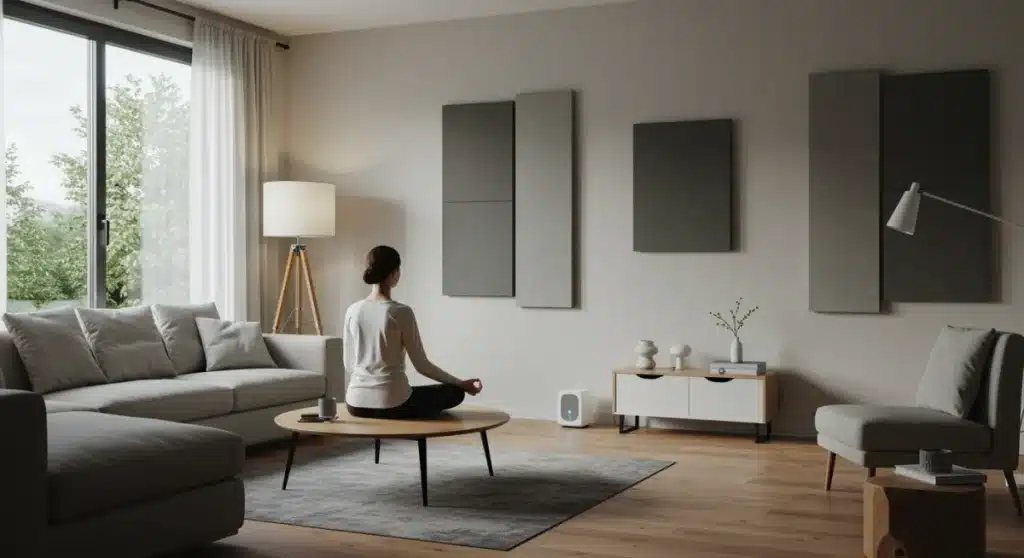
Implementing advanced noise-canceling technologies and strategic sound design can significantly reduce stress with sound, transforming any home into a tranquil haven by 2026.
In our increasingly noisy world, finding a sanctuary of peace at home has become more crucial than ever. The constant hum of city life, bustling neighbors, or even internal household sounds can elevate stress levels. Fortunately, advancements in technology offer innovative ways to reduce stress with sound, creating a truly peaceful home environment. This article will explore five cutting-edge noise-canceling solutions designed to bring tranquility to your living space in 2026.
Understanding the Impact of Noise on Well-being
Before diving into solutions, it’s essential to grasp how pervasive noise affects our mental and physical health. Chronic exposure to unwanted sound isn’t just annoying; it’s a significant stressor that can lead to a host of health issues. From disrupting sleep patterns to increasing anxiety, the subtle yet constant presence of noise takes a toll.
Our bodies are hardwired to react to sudden or persistent sounds, triggering a fight-or-flight response. This evolutionary mechanism, while vital for survival in the past, becomes detrimental when activated by everyday noises like traffic or loud conversations. The result is an elevated heart rate, increased cortisol levels, and a general feeling of unease.
The Physiological Response to Noise Pollution
The human ear is incredibly sensitive, constantly processing auditory information. When this information is overwhelmingly negative or intrusive, our nervous system responds accordingly. This can manifest in various ways, impacting our daily lives.
- Increased blood pressure and cardiovascular strain.
- Disrupted sleep cycles, leading to fatigue and reduced cognitive function.
- Elevated stress hormones, contributing to chronic anxiety.
- Reduced ability to concentrate and focus on tasks.
Recognizing these impacts is the first step toward actively seeking solutions to mitigate noise within our personal spaces. Creating a sound-managed environment is not a luxury but a necessity for overall well-being.
Solution 1: Advanced Active Noise-Canceling Technology
Active Noise-Canceling (ANC) technology has moved beyond headphones and into the realm of home integration. Imagine a system that actively counteracts unwanted sounds in real-time, enveloping your space in quiet. This isn’t science fiction; it’s becoming a tangible reality for homes looking to significantly reduce stress with sound.
These systems work by emitting sound waves that are precisely out of phase with incoming noise, effectively canceling them out. While complete silence might be an ambitious goal, significant reductions in ambient noise are achievable, creating a noticeably calmer atmosphere. This technology is particularly effective against low-frequency, continuous sounds like traffic rumble or HVAC systems.
How Home-Integrated ANC Systems Function
Modern home ANC systems utilize an array of microphones strategically placed throughout a room or even an entire home. These microphones pick up ambient noise, which is then analyzed by a central processing unit. The system then generates anti-phase sound waves through integrated speakers or specialized panels.
- Real-time sound analysis and cancellation.
- Targeted reduction of specific noise frequencies.
- Seamless integration with smart home ecosystems.
- Customizable settings for different areas or times of day.
The beauty of these systems lies in their adaptability. Users can often control which types of noise are prioritized for cancellation, allowing for a personalized sound environment. This sophisticated approach offers a powerful tool for those seeking profound tranquility.
Solution 2: Smart Sound Masking and White Noise Generation
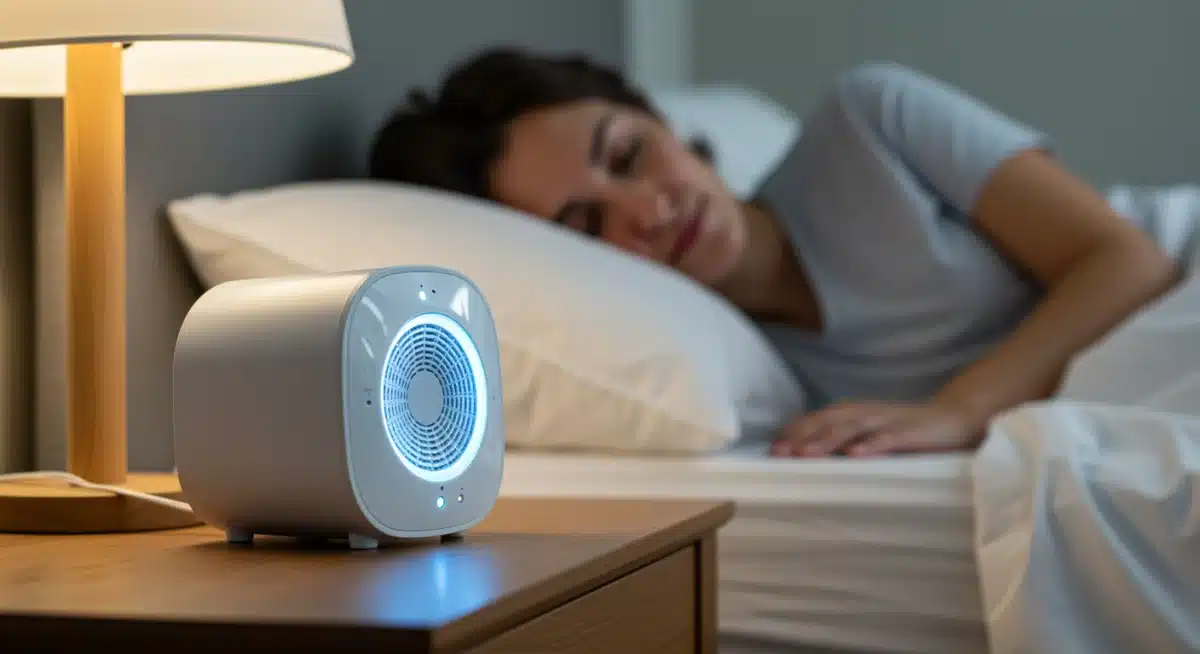
While active noise cancellation aims to eliminate sound, sound masking takes a different, equally effective approach: it makes unwanted sounds less noticeable. This is achieved by introducing a low-level, unobtrusive ambient sound, often referred to as white noise, pink noise, or even natural soundscapes. The goal is not silence, but rather a consistent background sound that makes intrusive noises blend into the environment, reducing their disruptive impact and helping to reduce stress with sound.
Modern smart sound masking systems are far more sophisticated than simple white noise machines. They can adapt to the ambient noise levels in a room, adjusting their output dynamically to maintain a consistent level of acoustic comfort. This intelligent adaptation ensures that the masking sound is never too loud or too quiet, always serving its purpose effectively.
Benefits of Adaptive Sound Masking
The psychological effect of sound masking is profound. By creating a more uniform sound environment, it reduces the startle response to sudden noises and makes it harder for the brain to focus on specific disruptions. This can lead to improved concentration, better sleep quality, and a general sense of calm.
- Enhances privacy in open-plan living spaces.
- Improves focus and productivity in home offices.
- Promotes deeper and more restful sleep.
- Reduces the perceived loudness of external disturbances.
These systems are particularly beneficial in apartments or homes with thin walls, where speech privacy or general noise intrusion is a constant concern. The subtle, consistent sound acts as an acoustic blanket, making the home feel more private and peaceful.
Solution 3: Advanced Acoustic Materials and Design
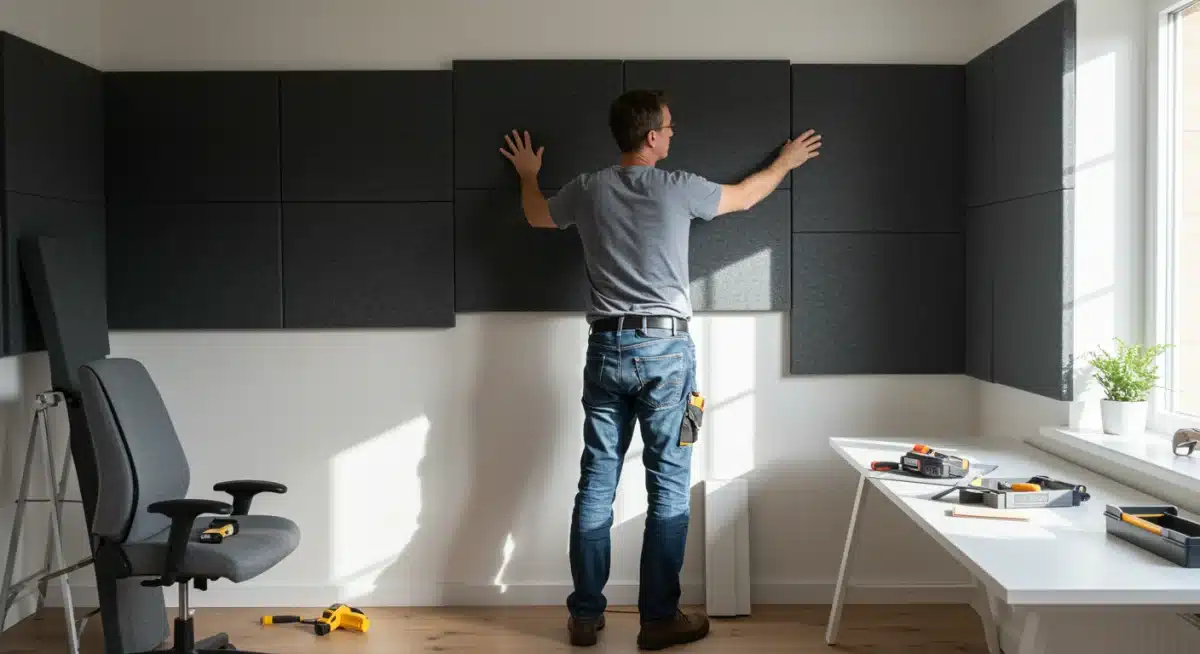
Beyond electronic solutions, the physical design and materials of a home play a crucial role in managing sound. Acoustic materials and thoughtful design can absorb, block, or diffuse sound, preventing it from becoming a nuisance. In 2026, we see a continued evolution in aesthetic and effective acoustic solutions that seamlessly integrate into modern home decor.
These solutions range from specialized insulation and window treatments to decorative acoustic panels and sound-absorbing furniture. The key is to address sound at its source and along its path, reducing its energy before it reaches our ears. This passive approach works in harmony with active technologies to create a truly quiet space.
Integrating Acoustic Design into Your Home
Effective acoustic design doesn’t require turning your home into a recording studio. Many modern products are designed to be both functional and visually appealing, enhancing your home’s aesthetics while improving its sound environment. Consider the strategic placement of objects and materials to optimize sound absorption.
- Acoustic Panels: Decorative panels made from sound-absorbing materials can be wall-mounted or freestanding.
- Heavy Fabrics: Thick curtains, rugs, and upholstered furniture help absorb sound waves.
- Soundproof Windows and Doors: Double or triple-paned windows and solid-core doors significantly reduce external noise.
- Insulation Upgrades: High-density insulation in walls, ceilings, and floors provides excellent sound blocking.
By thoughtfully selecting and integrating these materials, homeowners can significantly enhance the acoustic comfort of their living spaces, making them more conducive to relaxation and focus. This physical barrier to noise is fundamental to any comprehensive sound management strategy.
Solution 4: Smart Home Integration for Dynamic Sound Control
The rise of smart home technology offers unprecedented opportunities for dynamic sound control, allowing homeowners to tailor their acoustic environment with ease. Imagine a home that automatically adjusts its sound profile based on the time of day, external noise levels, or even your personal preferences. This level of intelligent automation is becoming a standard feature for those seeking to reduce stress with sound.
These integrated systems can link various sound-managing devices, from ANC systems and sound maskers to smart window blinds and climate control. By coordinating these elements, a smart home can create an optimized sound environment that responds to your needs in real-time, providing a seamless transition between activity and tranquility.
Creating a Personalized Acoustic Ecosystem
A truly smart home understands that acoustic needs change throughout the day. It learns your routines and preferences, proactively adjusting the sound environment. For example, during work hours, it might prioritize noise cancellation in your home office, while in the evening, it could activate gentle sound masking in bedrooms for better sleep.
- Automated scheduling of noise control features.
- Voice command integration for on-demand sound adjustments.
- Sensors that detect external noise and trigger appropriate responses.
- Personalized soundscapes for different activities like reading or meditating.
The power of smart home integration lies in its ability to create a truly personalized and responsive acoustic ecosystem. This not only enhances comfort but also contributes significantly to a stress-free living experience, adapting to the dynamic needs of modern life.
Solution 5: Biophilic Soundscapes and Nature-Inspired Acoustics

Beyond simply canceling or masking noise, another powerful approach to reduce stress with sound involves introducing beneficial sounds. Biophilic soundscapes leverage our innate connection to nature by bringing the soothing sounds of the natural world indoors. This can have a profound calming effect, counteracting the stress-inducing qualities of artificial noise.
These systems go beyond simple nature recordings, often incorporating intelligent algorithms that generate dynamic, non-looping soundscapes. Imagine the gentle rustle of leaves, the distant chirping of birds, or the calming rhythm of ocean waves, all tailored to your preference and seamlessly integrated into your home’s ambiance. This approach harnesses the therapeutic power of sound to promote relaxation and well-being.
The Therapeutic Power of Natural Sounds
Research consistently shows that exposure to natural sounds can lower stress hormones, reduce heart rate, and improve mood. Our brains are wired to find these sounds comforting and non-threatening, providing a stark contrast to the often jarring and unpredictable noises of urban environments.
- Reduces perceived stress and anxiety levels.
- Enhances focus and cognitive performance.
- Promotes a sense of calm and well-being.
- Can improve sleep quality by masking disruptive sounds with soothing alternatives.
Integrating biophilic soundscapes into your home creates an oasis of calm, transforming your living space into a restorative environment. This innovative solution reminds us that sound isn’t just something to be eliminated, but also a powerful tool for healing and relaxation when used thoughtfully.
| Key Solution | Brief Description |
|---|---|
| Active Noise-Canceling | Electronic systems producing anti-phase sound waves to cancel noise. |
| Smart Sound Masking | Adaptive ambient sounds to make intrusive noises less noticeable. |
| Acoustic Materials | Physical absorption and blocking of sound through specialized materials. |
| Biophilic Soundscapes | Integration of therapeutic natural sounds to promote relaxation. |
Frequently asked questions about sound stress reduction
The primary benefit is creating a tranquil and peaceful home environment. This significantly reduces stress, improves sleep quality, enhances concentration, and contributes to overall mental and physical well-being by minimizing exposure to disruptive and unwanted sounds.
While achieving absolute silence is challenging, active noise-canceling (ANC) systems can significantly reduce ambient noise, especially low-frequency sounds like traffic or HVAC hum. They create a noticeable difference in perceived quietness, making the environment much calmer and more conducive to relaxation.
Noise cancellation aims to eliminate sound by producing opposing sound waves. Sound masking, conversely, introduces a gentle, consistent background sound to make existing unwanted noises less noticeable or distracting. Both aim to improve acoustic comfort but use different mechanisms.
Acoustic panels are increasingly designed for home use, blending aesthetics with functionality. They effectively absorb sound waves, reducing echo and reverberation, which makes rooms feel quieter and more comfortable. Many modern designs are decorative and integrate seamlessly into home decor.
Biophilic soundscapes are systems that bring natural, soothing sounds like rain, waves, or forest ambiance into your home. These sounds tap into our innate connection with nature, which can lower stress hormones, decrease heart rate, and promote a profound sense of calm and well-being.
Conclusion
The pursuit of a peaceful home environment is a journey that integrates both technological innovation and thoughtful design. By embracing advanced solutions like active noise-canceling, smart sound masking, sophisticated acoustic materials, smart home integration, and biophilic soundscapes, you can effectively reduce stress with sound. These strategies not only mitigate unwanted noise but also actively contribute to a restorative and harmonious living space, fostering improved well-being and a higher quality of life in 2026 and beyond. Investing in these solutions is an investment in your personal peace and comfort.