Sustainable Home Decor Trends 2026: Eco-Conscious Living
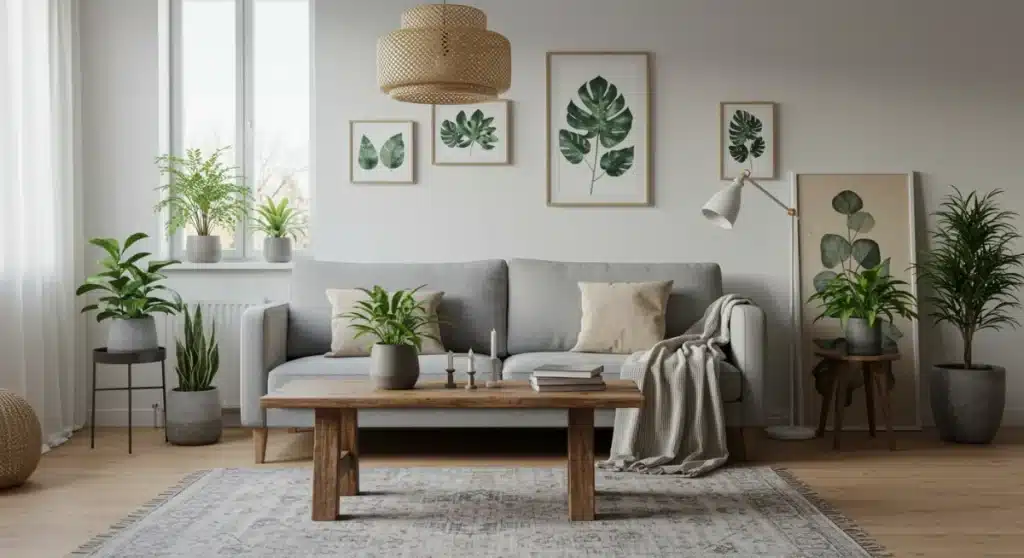
The latest sustainable home decor trends for 2026 highlight a shift towards environmentally responsible choices, integrating natural materials, upcycled items, and mindful consumption into everyday living spaces for a truly eco-conscious aesthetic.
As we step into 2026, the conversation around sustainability continues to grow, extending its influence deeply into our homes. The realm of interior design is no exception, with the latest trends in sustainable home decor for eco-conscious living in 2026 reflecting a profound commitment to both planetary well-being and personal comfort. This year, we’re seeing an inspiring fusion of aesthetics, ethics, and innovation, guiding homeowners towards creating spaces that are not only beautiful but also kind to the Earth. From the materials we choose to the way we consume and dispose, every decision now carries a greater weight, pushing us towards more thoughtful and responsible design choices.
the resurgence of natural and raw materials
The foundation of sustainable home decor in 2026 lies firmly in the embrace of natural and raw materials. This trend isn’t just about aesthetics; it’s about reconnecting with nature and understanding the origins of the items in our homes. Consumers are increasingly seeking out materials that are minimally processed, biodegradable, and sourced responsibly, ensuring their environmental footprint is as light as possible.
This includes everything from furniture crafted from solid, untreated wood to textiles made from organic fibers. The beauty of these materials often lies in their imperfections and unique textures, bringing a sense of authenticity and warmth to any space. It’s a move away from synthetic, mass-produced items towards pieces with character and a story.
sustainable wood sources and finishes
Wood remains a timeless material in home decor, but its sustainability is now paramount. In 2026, the focus is on certified sustainable wood, such as FSC-certified timber, ensuring forests are managed responsibly. Reclaimed and salvaged wood are also highly sought after, giving new life to old materials and reducing demand for virgin resources.
- FSC-certified wood: Guarantees responsible forest management.
- Reclaimed timber: Reduces waste and adds unique character.
- Bamboo: A fast-growing, renewable resource for various applications.
- Water-based finishes: Non-toxic and low-VOC options for wood protection.
The finishes applied to these wooden pieces are equally important. Low-VOC (volatile organic compound) and natural oil finishes are preferred over harsh chemicals, contributing to better indoor air quality and reducing environmental pollution during manufacturing and disposal. This holistic approach ensures that the entire lifecycle of a wooden item aligns with sustainable principles.
Beyond wood, other raw materials are gaining traction. Think about jute, sisal, and hemp for rugs and baskets, or terracotta and ceramic for pottery and decorative accents. These materials offer earthy tones and tactile surfaces that enhance a natural aesthetic while being inherently sustainable. The trend emphasizes durability, encouraging investment in pieces that will last for years, reducing the need for frequent replacements.
Ultimately, the resurgence of natural and raw materials reflects a desire for honesty and integrity in design. It’s about creating spaces that feel grounded, authentic, and in harmony with the natural world, fostering a sense of calm and well-being. This approach encourages a deeper appreciation for craftsmanship and the intrinsic beauty of the Earth’s resources.
the art of upcycling and repurposing
Upcycling and repurposing are no longer niche activities but central pillars of sustainable home decor in 2026. This trend champions creativity and resourcefulness, transforming discarded or old items into new, functional, and aesthetically pleasing pieces. It’s a powerful way to reduce waste, conserve resources, and infuse unique personality into a home, moving away from a disposable culture.
Embracing upcycling means seeing potential where others see trash. An old wooden crate can become a stylish side table, a vintage suitcase can be transformed into a pet bed, or discarded glass bottles can be reimagined as decorative vases or light fixtures. The possibilities are endless, limited only by imagination and ingenuity.
creative transformations for unique pieces
The beauty of upcycling lies in its ability to create truly one-of-a-kind items that tell a story. These pieces often carry a sense of history and individuality that mass-produced items simply cannot replicate. Homeowners are actively seeking out furniture and decor items that have been lovingly restored or ingeniously transformed.
- Furniture makeovers: Repainting, reupholstering, or adding new hardware to old furniture.
- Textile repurposing: Turning old clothing or linens into throw pillows, quilts, or wall hangings.
- Industrial salvage: Converting old machinery parts or architectural elements into decor.
- DIY projects: Encouraging personal involvement in creating unique pieces.
This trend also extends to the professional design world, with designers increasingly incorporating upcycled elements into their projects. They are collaborating with artisans and craftsmen who specialize in breathing new life into discarded materials, creating bespoke pieces that are both sustainable and luxurious. The narrative behind an upcycled item adds significant value, appealing to consumers who appreciate conscious consumption.
Repurposing, on the other hand, often involves finding new uses for existing items without significantly altering their form. For instance, an antique ladder can become a decorative shelf for blankets, or old tin cans can be painted and used as planters. It’s about rethinking functionality and maximizing the utility of every item in the home.
The art of upcycling and repurposing signifies a broader cultural shift towards valuing longevity and craftsmanship over fleeting trends. It encourages a deeper connection with our belongings and a more mindful approach to furnishing our living spaces. This trend not only benefits the environment but also fosters a sense of personal accomplishment and creative expression.
the rise of biophilic design elements
Biophilic design, the concept of connecting building occupants with nature, is flourishing in sustainable home decor for 2026. This approach recognizes our innate human need to connect with the natural world and seeks to integrate natural elements, patterns, and processes into our indoor environments. It’s about creating spaces that promote health, well-being, and productivity by blurring the lines between inside and outside.
Implementing biophilic design goes beyond simply adding a few houseplants. It involves thoughtful consideration of natural light, ventilation, views of nature, and the incorporation of natural materials and colors. The goal is to create a sensory experience that mimics the restorative qualities of the outdoors, fostering a calmer and more invigorating living space.
integrating nature for well-being
The benefits of biophilic design are well-documented, ranging from reduced stress levels and improved cognitive function to enhanced mood and creativity. In a world where many spend the majority of their time indoors, bringing nature closer becomes essential for holistic well-being.
- Abundant natural light: Maximizing windows and using sheer curtains.
- Indoor plants: A variety of greenery for air purification and visual appeal.
- Natural ventilation: Designing for effective airflow and fresh air circulation.
- Water features: Small indoor fountains for soothing sounds and humidity.
This trend sees an increase in large, statement indoor plants, living walls, and even indoor edible gardens, bringing greenery directly into the heart of the home. Plant selection often focuses on species that are easy to care for and contribute positively to indoor air quality, such as snake plants, ZZ plants, and peace lilies. The use of natural textures, like wood grain, stone, and rattan, further enhances the biophilic experience, appealing to our tactile senses.
Color palettes inspired by nature, featuring greens, blues, earthy browns, and soft grays, are also integral to this design philosophy. These colors evoke feelings of tranquility and connection to the outdoors. Furthermore, incorporating patterns and forms found in nature, such as organic shapes and fractals, can subtly enhance the biophilic effect, creating a harmonious and balanced environment.
Biophilic design in 2026 is about creating a sanctuary within our homes, a space where we can feel rejuvenated and connected to the rhythms of the natural world. It’s a powerful testament to the growing understanding of how our surroundings profoundly impact our physical and mental health, making sustainable choices even more compelling.
ethical sourcing and transparent supply chains

As consumers become more informed, the demand for ethical sourcing and transparent supply chains in home decor is soaring in 2026. This trend reflects a desire to understand where products come from, how they are made, and whether the people involved in their creation are treated fairly and paid justly. It’s about ensuring that our purchases don’t contribute to exploitation or environmental degradation.
Ethical sourcing covers a broad spectrum, from fair trade practices that support artisans in developing countries to local production that reduces carbon footprints. Transparency in the supply chain means companies are open about their manufacturing processes, material origins, and labor conditions, allowing consumers to make truly informed decisions.
supporting fair trade and local artisans
Supporting fair trade certified products is a direct way to ensure that artisans and workers receive fair wages and work in safe conditions. These certifications provide assurance that products meet rigorous social and environmental standards, empowering communities and promoting sustainable livelihoods.
- Fair trade certifications: Guarantee ethical production and fair compensation.
- Local craftsmanship: Reduces transport emissions and supports regional economies.
- Artisan collaborations: Fosters unique, culturally rich decor items.
- Traceability: Companies providing clear information on product journeys.
The appreciation for handmade items and the stories behind them is growing. Homeowners are actively seeking out pieces crafted by local artisans, not only for their unique aesthetic appeal but also for the opportunity to support small businesses and traditional crafts. This approach reduces the environmental impact associated with long-distance shipping and mass production.
Brands that prioritize transparency are gaining consumer trust. They are providing detailed information about their materials, production sites, and the environmental impact of their operations. This allows consumers to verify claims of sustainability and make choices that align with their values. QR codes on products leading to interactive stories about their origin are becoming common, offering a deeper connection to the items we bring into our homes.
Ethical sourcing and transparent supply chains are transforming the home decor industry, pushing brands towards greater accountability and responsibility. It’s a movement driven by conscious consumers who believe that beauty should never come at the expense of people or the planet, making every purchase a statement of their values.
minimalism and conscious consumption
In 2026, sustainable home decor is deeply intertwined with the philosophies of minimalism and conscious consumption. This isn’t just about decluttering; it’s a fundamental shift in how we approach acquiring and living with possessions. It encourages buying fewer, higher-quality items that are built to last, rather than accumulating disposable goods. The goal is to create serene, functional spaces free from excess, reducing both environmental impact and mental clutter.
Conscious consumption involves asking critical questions before making a purchase: Do I truly need this? What is its environmental impact? Will it last? Is it ethically produced? This thoughtful approach leads to more intentional choices, resulting in a home filled with meaningful items that serve a purpose and bring joy, rather than just occupying space.
investing in quality over quantity
The trend towards minimalism emphasizes quality over quantity. Instead of filling a home with many inexpensive, poorly made items, consumers are investing in a few well-crafted pieces that are durable, timeless, and sustainably produced. This not only reduces waste in the long run but often means supporting skilled artisans and responsible manufacturers.
- Multi-functional furniture: Pieces that serve more than one purpose to reduce overall items.
- Timeless design: Opting for classic styles over fleeting trends.
- Repairs and maintenance: Prioritizing fixing items rather than replacing them.
- Second-hand shopping: Giving pre-loved items a new life.
This philosophy extends to decluttering and organizing, creating a sense of calm and order. A minimalist home is often characterized by clean lines, open spaces, and a carefully curated selection of decor items. Each piece is chosen for its aesthetic appeal, functionality, and story, contributing to a harmonious environment.
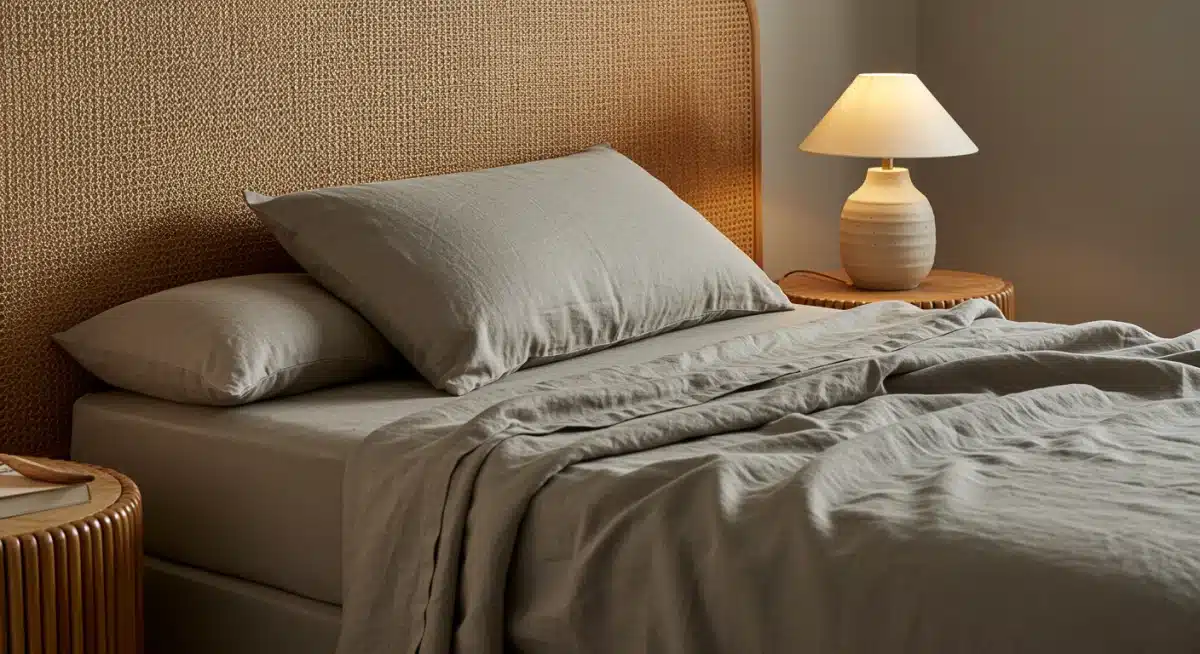
Furthermore, conscious consumption encourages exploring alternatives to buying new, such as borrowing, renting, or buying second-hand. Vintage and antique furniture markets are thriving, offering unique pieces with character and a significantly reduced environmental footprint. The circular economy model is gaining traction, where products are designed for longevity, repair, and eventual recycling or repurposing.
Minimalism and conscious consumption are more than just design trends; they are lifestyle choices that promote sustainability, mindfulness, and a deeper appreciation for the things we own. By adopting these principles, homeowners can create spaces that are not only aesthetically pleasing but also reflective of their commitment to a more sustainable future.
innovative sustainable technologies and smart homes
The integration of innovative sustainable technologies and smart home solutions is profoundly shaping sustainable home decor in 2026. This trend combines environmental responsibility with cutting-edge convenience, allowing homeowners to manage their energy consumption, optimize resource use, and enhance their living comfort in an eco-friendly manner. It’s about creating homes that are not only beautiful but also intelligent and highly efficient.
Smart home technology now extends beyond simple automation, focusing on data-driven insights that empower users to make more sustainable choices. From smart thermostats that learn your habits to advanced lighting systems that adapt to natural light, these innovations are making eco-conscious living more accessible and effective than ever before.
energy efficiency and resource management
Central to this trend is the ability to monitor and control energy usage, significantly reducing a home’s carbon footprint. Smart devices provide real-time data, enabling homeowners to identify areas of waste and implement strategies for greater efficiency.
- Smart thermostats: Optimize heating and cooling based on occupancy and weather.
- Energy-efficient lighting: LED bulbs and smart lighting controls for reduced electricity use.
- Water-saving fixtures: Low-flow showerheads and toilets, smart irrigation systems.
- Integrated solar solutions: Seamlessly designed solar panels and energy storage.
Beyond energy, smart technologies are also addressing water conservation. Smart irrigation systems adjust watering schedules based on local weather forecasts and soil moisture levels, preventing overwatering. Leak detection systems can alert homeowners to plumbing issues, preventing costly waste and damage. These technologies contribute to a holistic approach to resource management, making every drop count.
The design of these technologies is also evolving, with a greater emphasis on aesthetics and seamless integration into home decor. Devices are becoming more discreet, often designed with natural materials and minimalist forms to blend effortlessly into sustainable interiors. The user interfaces are intuitive and user-friendly, ensuring that sustainability is not only effective but also enjoyable.
Innovative sustainable technologies and smart homes represent the future of eco-conscious living. They offer practical solutions for reducing environmental impact while enhancing comfort and convenience. By embracing these advancements, homeowners can create intelligent, sustainable sanctuaries that are prepared for the challenges and opportunities of the future.
the impact of circular economy principles
The principles of the circular economy are becoming increasingly influential in sustainable home decor for 2026. Moving away from the traditional linear ‘take-make-dispose’ model, the circular economy focuses on designing products for longevity, reuse, repair, and recycling. This systemic shift aims to eliminate waste and pollution, circulate products and materials, and regenerate natural systems, creating a truly sustainable approach to consumption.
For home decor, this means a greater emphasis on products made from recycled content, items that can be easily disassembled and repaired, and materials that can be fully recycled at the end of their life. It’s about closing the loop and ensuring that resources remain in use for as long as possible, minimizing their environmental impact.
designing for longevity and recyclability
Designers and manufacturers are increasingly adopting circular design principles, considering the entire lifecycle of a product from conception to end-of-life. This involves selecting durable materials, creating modular designs that allow for easy replacement of parts, and avoiding toxic adhesives or finishes that hinder recycling.
- Modular furniture: Components can be replaced or reconfigured, extending product life.
- Recycled content: Using materials like recycled plastic, glass, or metal in new products.
- Take-back programs: Brands offering to reclaim old products for recycling or refurbishing.
- Repairability: Products designed with easy-to-access parts for simple repairs.
Consumers are also playing a crucial role by demanding products that adhere to circular economy principles. They are actively seeking brands that demonstrate a commitment to sustainability throughout their operations. This includes companies that offer repair services, provide spare parts, or have clear recycling instructions for their products.
The rental and subscription models for home decor items are also gaining traction, aligning perfectly with circular economy ideals. Instead of owning an item outright, consumers can rent furniture or decorative pieces for a period, with the company responsible for their upkeep, repair, and eventual reuse or recycling. This reduces individual consumption and promotes shared resources.
The impact of circular economy principles on sustainable home decor in 2026 is transformative. It encourages a more responsible and resource-efficient approach to furnishing our homes, ensuring that our desire for beautiful spaces aligns with the imperative to protect our planet. It represents a hopeful vision for a future where design and sustainability are inextricably linked.
| Key Trend | Brief Description |
|---|---|
| Natural & Raw Materials | Emphasis on minimally processed, biodegradable, and responsibly sourced materials like FSC wood, jute, and ceramics. |
| Upcycling & Repurposing | Transforming old or discarded items into new, unique, and functional decor pieces to reduce waste. |
| Biophilic Design | Integrating nature into indoor spaces through plants, natural light, and organic textures for enhanced well-being. |
| Circular Economy | Designing for longevity, reuse, repair, and recyclability to minimize waste and maximize resource utility. |
Frequently Asked Questions about Sustainable Home Decor
The core principles revolve around eco-conscious choices: using natural and recycled materials, supporting ethical production, minimizing waste through upcycling and conscious consumption, and integrating biophilic design. It’s about creating beautiful spaces with minimal environmental impact and maximum well-being.
Begin by assessing what you already have and can reuse or upcycle. Then, prioritize natural materials like wood, bamboo, and organic textiles. Look for fair trade and locally made items. Incorporate more plants and maximize natural light. Small changes make a big difference in the long run.
While some ethically sourced or handmade items might have a higher upfront cost, sustainable decor often proves more cost-effective in the long term. Durable, quality pieces last longer, reducing the need for frequent replacements. Upcycling and second-hand shopping also offer budget-friendly sustainable options.
Smart home technologies are crucial for managing energy and resources efficiently. Devices like smart thermostats, LED lighting, and water-saving fixtures help reduce consumption and waste. They provide data-driven insights, empowering homeowners to make more informed and sustainable choices for their living spaces.
The circular economy encourages designing products for longevity, reuse, and recycling. This means choosing items made from recycled materials, those that can be easily repaired, or opting for rental models. It ensures materials stay in use longer, minimizing waste and promoting a regenerative approach to consumption.
conclusion
The trajectory of sustainable home decor in 2026 is clear: it’s a movement towards intentionality, responsibility, and a deeper connection with our environment. The trends highlighted—from the embrace of natural materials and the creativity of upcycling to the restorative power of biophilic design, the integrity of ethical sourcing, and the intelligence of smart technologies—all converge to form a holistic approach to creating living spaces. These aren’t fleeting fads but fundamental shifts reflecting a growing global consciousness. By adopting these sustainable practices, we not only beautify our homes but also contribute to a healthier planet and foster a profound sense of well-being, proving that comfort and lifestyle can indeed coexist harmoniously with ecological stewardship.