Is Your Home Ready for Winter? 4 Maintenance Tips to Save Money
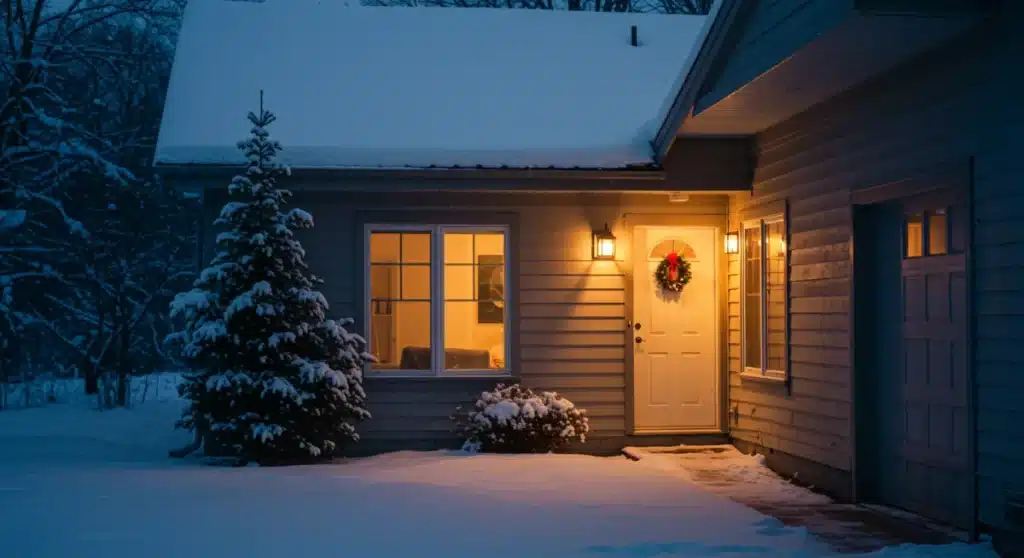
Preparing your home for winter is crucial for both comfort and financial savings, encompassing essential checks on heating, insulation, plumbing, and energy efficiency to prevent costly issues.
As the days grow shorter and the temperatures begin to drop, a critical question arises for every homeowner: Is Your Home Ready for Winter? 4 Maintenance Tips to Save Money and Stay Comfortable. The chill in the air isn’t just a signal for hot cocoa and cozy blankets; it’s a stark reminder that your home needs attention to weather the colder months efficiently and without unexpected expenses. Proactive maintenance now can prevent significant headaches and costly repairs later, ensuring your sanctuary remains warm, safe, and budget-friendly.
Optimizing Your Heating System for Peak Performance
Your heating system is the heart of your home’s comfort during winter. Ensuring it operates efficiently is perhaps the most critical step in preparing for the cold. A well-maintained system not only keeps you warm but also significantly reduces your energy consumption and utility bills.
Ignoring your heating system until the first cold snap can lead to breakdowns when you need it most, resulting in emergency service calls and potential discomfort. Regular maintenance, on the other hand, can extend the life of your unit, improve its performance, and catch minor issues before they escalate.
Regular Furnace and Boiler Tune-Ups
Scheduling a professional tune-up for your furnace or boiler annually is non-negotiable. A certified technician will inspect all components, clean the system, and make necessary adjustments to ensure it runs smoothly.
- Check and clean burners, heat exchangers, and ignition systems.
- Lubricate moving parts to reduce friction and wear.
- Inspect electrical connections and controls for safety and proper operation.
- Verify the thermostat is accurately calibrated.
Air Filter Replacement: A Simple Yet Powerful Step
One of the easiest and most impactful tasks you can perform yourself is regularly replacing your HVAC system’s air filter. A clogged filter restricts airflow, forcing your system to work harder and consume more energy.
Depending on your filter type and household conditions (pets, allergies), you might need to change it monthly or every three months. A clean filter not only improves efficiency but also enhances indoor air quality, a crucial factor when windows remain closed for extended periods.
By taking these steps to optimize your heating system, you’re not just preparing for winter; you’re investing in your home’s long-term comfort and financial health. A well-tuned system means consistent warmth and lower energy bills throughout the season.
Sealing Drafts and Boosting Insulation for Energy Efficiency
Even the most efficient heating system will struggle if your home is leaking warm air like a sieve. Drafts and inadequate insulation are silent energy culprits, allowing precious heat to escape and cold air to seep in. Addressing these issues is a cornerstone of saving money and staying comfortable during winter.
Many homeowners underestimate the impact of small cracks and gaps around windows, doors, and in the attic. These seemingly minor imperfections can account for a significant portion of heat loss, driving up your heating costs unnecessarily.
Identifying and Sealing Air Leaks
A simple home energy audit can help pinpoint areas where air is escaping. You can perform a basic visual inspection or use an incense stick or candle on a windy day to detect drafts around common problem spots.
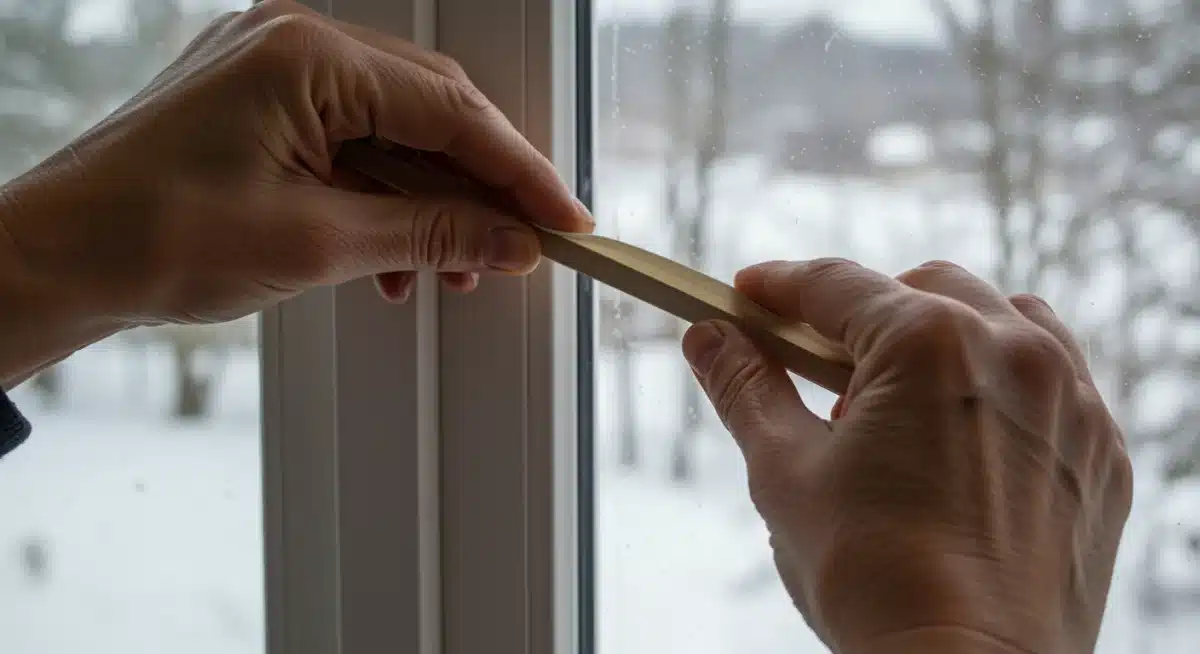
- Windows and Doors: Check for gaps around frames. Apply caulk to stationary gaps and weatherstripping to moving parts.
- Electrical Outlets and Light Switches: Use foam gaskets behind cover plates to seal these often-overlooked entry points for drafts.
- Attic Hatch and Chimney Flue: Ensure these are properly sealed and insulated to prevent heat loss through the roof.
Enhancing Your Home’s Insulation
Insulation acts as a barrier, preventing heat transfer between your home’s interior and the cold exterior. Adequate insulation, especially in your attic, walls, and crawl spaces, is paramount for maintaining a consistent indoor temperature.
If your insulation is old, compressed, or insufficient, consider adding more. Blown-in cellulose or fiberglass insulation can significantly improve your home’s thermal envelope. This is often a job best left to professionals, but the long-term savings on energy bills make it a worthwhile investment.
By meticulously sealing drafts and upgrading your insulation, you create a more airtight and energy-efficient home. This proactive approach reduces the workload on your heating system, leading to lower energy consumption and a noticeably more comfortable living environment.
Protecting Your Plumbing: Preventing Frozen Pipes
One of winter’s most dreaded and costly home emergencies is a burst pipe due to freezing. The damage from water can be extensive, affecting not just your plumbing but also walls, flooring, and personal belongings. Taking preventative measures for your plumbing system is an essential part of winter home maintenance tips.
Cold temperatures cause water to expand when it freezes, exerting immense pressure on pipes. Even a small crack can lead to a significant leak once the ice thaws, causing thousands of dollars in repairs and remediation.
Insulating Exposed Pipes
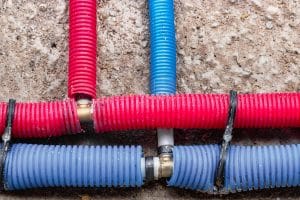
Any pipes located in unheated areas of your home, such as basements, crawl spaces, attics, and exterior walls, are particularly vulnerable. Insulating these pipes is a relatively simple and inexpensive preventative measure.
- Use foam pipe sleeves, available at hardware stores, to cover exposed pipes.
- Pay special attention to pipes near exterior walls or in areas prone to drafts.
- Consider heat tape for pipes in extremely cold or hard-to-insulate locations, ensuring it’s installed correctly and safely.
Draining Outdoor Faucets and Sprinkler Systems
Outdoor plumbing is highly susceptible to freezing. Before the first hard freeze, it’s crucial to properly prepare these systems.
Disconnect and drain all garden hoses. Turn off the water supply to outdoor faucets from an indoor shut-off valve, if available, and then open the outdoor spigot to drain any remaining water. For sprinkler systems, follow the manufacturer’s instructions for winterization, which typically involves blowing out the lines with compressed air to remove all water.
Proactive plumbing protection ensures that you avoid the stress and expense of burst pipes, keeping your water flowing freely and your home damage-free throughout the coldest months.
Smart Energy Management and Safety Checks
Beyond the physical aspects of home maintenance, adopting smart energy management practices and conducting crucial safety checks are vital components of preparing for winter. These steps contribute to both comfort and peace of mind, ensuring your home is not only warm but also safe and efficient.
Winter often brings increased electricity and gas usage, making it an opportune time to review your energy habits. Furthermore, the reliance on heating systems and potential for power outages necessitates a focus on safety.
Utilizing Smart Thermostats and Programming
A smart or programmable thermostat is a powerful tool for optimizing energy use. These devices allow you to set schedules for heating, reducing the temperature when you’re away or asleep and increasing it before you return or wake up.
- Program your thermostat to lower the temperature by 7-10 degrees Fahrenheit for 8 hours a day to save up to 10% on heating costs.
- Consider a smart thermostat that learns your habits and adjusts accordingly, or allows for remote control via smartphone.
- Avoid drastic temperature swings; a consistent, slightly lower temperature is more efficient than frequent large adjustments.
Essential Safety Checks: Smoke and Carbon Monoxide Detectors
With windows often closed and heating systems working overtime, the risk of carbon monoxide poisoning or fires increases. Regularly checking your smoke and carbon monoxide detectors is a simple yet life-saving task.
Replace batteries in all detectors at the beginning of winter, and test them monthly. Ensure you have an adequate number of detectors strategically placed throughout your home, especially near sleeping areas and on every level. Carbon monoxide is odorless and colorless, making detectors your only warning against this silent killer.
By implementing smart energy management and conducting thorough safety checks, you create a more secure and efficient environment for your family throughout the winter season. These practices not only save money but also safeguard well-being.
Maintaining Your Roof and Gutters: A Crucial Defense
The roof and gutter system of your home are its first line of defense against winter’s harsh elements, including heavy snow, ice, and freezing rain. Overlooking their maintenance can lead to costly water damage, ice dams, and structural issues that compromise your home’s integrity and comfort.
Proper functioning gutters divert thousands of gallons of water away from your home’s foundation annually. When clogged or damaged, this water can pool, freeze, and cause significant problems, from rotting fascia boards to a compromised foundation.
Cleaning and Repairing Gutters
Before winter arrives, it’s paramount to thoroughly clean your gutters and downspouts. Remove all leaves, twigs, and debris that have accumulated throughout the fall. Clogged gutters prevent proper drainage, leading to water overflow that can damage siding, windows, and foundations.
- Use a sturdy ladder and gloves, or hire a professional, to safely clear gutters.
- Inspect gutters for any signs of damage, such as cracks, loose fasteners, or sagging sections.
- Ensure downspouts extend far enough from your home to direct water away from the foundation.
Inspecting Your Roof for Damage
A damaged roof can allow water to seep into your attic and walls, leading to leaks, mold, and rot. Winter’s freeze-thaw cycles can exacerbate existing damage, making pre-winter inspection crucial.
Look for missing, cracked, or loose shingles. Check for any signs of wear around chimneys, skylights, and vents. If you’re uncomfortable inspecting your roof yourself, consider hiring a roofing professional to perform a thorough check and make any necessary repairs before snow and ice set in. Addressing these issues now can prevent major leaks and the formation of ice dams later.
By diligently maintaining your roof and gutters, you provide your home with robust protection against winter precipitation, preventing water damage and preserving the structural health of your property.
Emergency Preparedness: Planning for the Unexpected
Even with the most meticulous winter home maintenance, unforeseen events like power outages, severe storms, or heating system malfunctions can occur. Being prepared for these emergencies is not just advisable; it’s a critical component of ensuring your family’s safety and comfort during the coldest months.
A well-thought-out emergency plan and an adequately stocked emergency kit can make a significant difference in how you navigate disruptions, turning potential crises into manageable inconveniences.
Assembling an Emergency Kit
Your emergency kit should contain essentials to sustain your household for at least 72 hours without power or access to outside resources. This is particularly important during winter when conditions can make travel difficult or impossible.
- Non-perishable food and water: Enough for each family member for several days.
- Warm blankets and extra layers of clothing: Essential for staying warm without heat.
- Flashlights, batteries, and a battery-powered radio: For light and staying informed.
- First-aid kit and essential medications: To address minor injuries or health needs.
- Backup power source: A fully charged power bank for phones or a generator for critical appliances.
Developing a Family Emergency Plan
Beyond physical supplies, having a clear family emergency plan is vital. This plan should outline what to do in various scenarios, ensuring everyone knows their role and how to stay safe.
Establish a designated meeting place outside your home in case of evacuation. Discuss communication strategies, especially if cell service is unreliable. Teach family members how to safely shut off utilities like water and gas in an emergency. Practicing these plans can significantly reduce panic and improve response times when a real emergency strikes.
Taking these steps for emergency preparedness provides a crucial layer of security, allowing you to face winter’s uncertainties with confidence and ensure your family remains safe and comfortable, no matter what challenges arise.
| Key Maintenance Area | Brief Action Summary |
|---|---|
| Heating System | Schedule professional tune-ups and regularly replace air filters for efficiency. |
| Insulation & Drafts | Seal air leaks around windows/doors and boost attic insulation to prevent heat loss. |
| Plumbing Protection | Insulate exposed pipes and drain outdoor faucets to prevent freezing and bursts. |
| Safety & Energy | Utilize smart thermostats and check smoke/CO detectors for safety and efficiency. |
Frequently Asked Questions About Winter Home Preparation
It is highly recommended to have your furnace professionally inspected and tuned up once a year, ideally in the fall before the heating season begins. This ensures optimal performance, extends the lifespan of your unit, and helps prevent unexpected breakdowns during cold weather.
Common draft areas include around windows and doors, where caulk or weatherstripping can be applied. Also, check electrical outlets, light switches, and attic hatches. Even small gaps can lead to significant heat loss and increased energy bills, so sealing them is crucial.
To prevent frozen pipes, insulate any exposed pipes in unheated areas like basements or crawl spaces. Disconnect and drain outdoor hoses and shut off the water supply to exterior faucets. During extreme cold, consider leaving a faucet dripping slightly to maintain water flow.
Yes, a smart or programmable thermostat can significantly save money. By allowing you to set heating schedules that align with your family’s routine, or by learning your habits, it prevents heating your home unnecessarily when you’re away or asleep, usually saving 10-15% on heating costs.
Clean gutters prevent water backup and ice dams, which can damage your roof, fascia, and foundation. A well-maintained roof, free of damaged shingles, prevents leaks when snow melts. These steps protect your home from extensive water damage and structural issues during winter.
Conclusion
As winter approaches, preparing your home isn’t just about comfort; it’s about safeguarding your investment and ensuring financial prudence. By focusing on key areas such as optimizing your heating system, sealing drafts, protecting plumbing, and managing energy smartly, you can proactively prevent costly emergencies and significantly reduce your utility bills. These proactive steps, often simple and straightforward, collectively contribute to a warmer, safer, and more efficient home throughout the colder months. Embracing a comprehensive winter home maintenance plan ensures peace of mind, allowing you to enjoy the season without the stress of unexpected repairs or excessive energy consumption. Your diligence today will pay dividends in comfort and savings tomorrow.