Pet-Friendly Comfort: 5 Ways to Create a Harmonious Home

Creating a truly pet-friendly home involves thoughtful design and practical considerations to ensure comfort and well-being for both humans and their animal companions, fostering a harmonious living environment.
Transforming your home into a haven for both you and your beloved animals is a rewarding endeavor that goes beyond simply coexisting. Achieving genuine pet friendly comfort requires a proactive approach, integrating design choices, safety measures, and daily routines that cater to everyone’s needs. This guide will explore five essential ways to create a harmonious living space where both two-legged and four-legged residents can thrive.
1. Designing for Durability and Easy Maintenance
When sharing your home with pets, the choices you make regarding materials and finishes can significantly impact both your comfort and the longevity of your living space. Designing for durability and easy maintenance isn’t just about preventing damage; it’s about creating an environment that remains beautiful and functional despite the inevitable wear and tear that comes with playful paws and shedding fur.
The foundation of a pet-friendly home often starts with flooring. Hard surfaces like tile, laminate, or engineered wood are generally excellent choices. They resist scratches better than traditional hardwood and are much easier to clean when accidents happen. If you prefer carpets, consider low-pile options with stain-resistant treatments. Many manufacturers now offer specific pet-friendly carpet lines designed to withstand heavy traffic and repel stains effectively. For furniture, selecting fabrics that are both resilient and easy to clean is crucial. Microfiber, leather, and outdoor fabrics have proven to be highly durable and less prone to trapping pet hair or absorbing odors. Investing in slipcovers is another smart strategy, allowing for easy removal and washing.
Choosing the Right Flooring
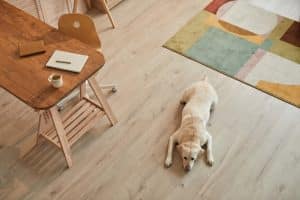
The right flooring can make a world of difference in a pet-friendly home. Beyond aesthetics, consider practicality and hygiene.
- Tile and Stone: Extremely durable, water-resistant, and easy to clean. Can be cold, so consider area rugs for comfort.
- Luxury Vinyl Plank (LVP): Offers the look of wood or stone with superior scratch and water resistance. Comfortable underfoot.
- Laminate: A budget-friendly option that mimics hardwood, but ensure it’s water-resistant to prevent swelling from spills.
- Engineered Hardwood: More stable than solid hardwood, but still susceptible to scratches. Choose harder wood species.
Beyond the main flooring, strategic placement of washable rugs can protect high-traffic areas and provide soft spots for your pets to rest. Look for rugs made from natural fibers like cotton or jute, or synthetic blends designed for outdoor use, as these are often more robust and easier to clean. Regular vacuuming and immediate spot cleaning are key to maintaining any flooring in a pet-friendly household.
Furniture and Fabric Selection
Your furniture is an investment, and choosing wisely can save you stress and money in the long run. Durability doesn’t have to mean sacrificing style.
- Microfiber: Tightly woven, making it difficult for pet hair to embed and relatively easy to wipe clean.
- Leather: Resists odors and liquids, and can be wiped down easily. Scratches can add character or be buffed out.
- Outdoor Fabrics: Designed to withstand elements, these are incredibly durable, stain-resistant, and often water-repellent.
- Performance Fabrics: Many modern fabrics are engineered for high traffic and easy cleaning, perfect for active homes.
Furthermore, consider furniture with elevated legs, allowing you to easily clean underneath and preventing dust bunnies or stray pet toys from accumulating. Darker colors or patterned fabrics can also help camouflage minor stains or pet hair between cleanings, maintaining a tidy appearance without constant effort. Ultimately, designing for durability and easy maintenance allows you to enjoy your home and your pets without constant worry about damage or cleanliness.
2. Creating Dedicated Pet Zones and Safe Spaces
Just as humans benefit from personal space, pets thrive when they have their own dedicated areas within the home. Creating specific pet zones provides a sense of security, reduces anxiety, and helps manage pet-related clutter, contributing significantly to overall household harmony and pet friendly comfort. These spaces can range from cozy sleeping nooks to designated play areas, each serving a unique purpose in your pet’s daily life.
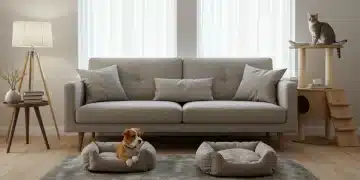
A safe and comfortable sleeping area is paramount. This could be a crate, a plush bed in a quiet corner, or even a designated spot on a pet-friendly piece of furniture. Ensure this area is away from high-traffic zones and loud noises, allowing your pet to retreat and rest undisturbed. For dogs, a crate can become a den, offering a sense of security and a quiet escape. For cats, vertical spaces like cat trees or shelves provide elevated vantage points, which appeal to their natural instincts and offer a sense of safety from ground-level disturbances.
Comfortable Sleeping Nooks
A good night’s sleep or a quiet nap is essential for your pet’s health and happiness. Thoughtfully designed sleeping areas can improve their quality of life.
- Location Matters: Place beds in quiet, draft-free areas where your pet feels safe and can observe their surroundings without being overwhelmed.
- Bedding Choices: Offer orthopedic beds for older pets, cooling mats for warm climates, or cozy, plush beds for burrowers.
- Privacy: Consider a covered bed or a crate with a blanket over it to provide a den-like feel, appealing to their instinct for enclosed spaces.
Beyond sleeping, consider designated feeding stations. Elevated bowls can aid digestion for larger dogs, and non-slip mats can contain spills, making cleanup a breeze. Placing food and water bowls in an easily accessible yet out-of-the-way spot prevents accidental tripping and keeps the area tidy. For cats, consider separate feeding areas to prevent competition if you have multiple felines, or place their bowls away from litter boxes.
Enrichment and Play Areas
Mental and physical stimulation is vital for preventing boredom and destructive behaviors. Dedicated play zones can encourage healthy activity.
- Interactive Toys: Provide a variety of toys that challenge their minds and bodies, rotating them regularly to maintain interest.
- Scratching Posts/Pads: Essential for cats to satisfy their natural urge to scratch, diverting them from furniture.
- Outdoor Access: If possible, a secure backyard or a catio allows pets safe outdoor exploration and fresh air.
Finally, consider a designated spot for pet supplies. A cabinet or a decorative bin can neatly store leashes, toys, grooming tools, and treats, keeping your home organized and preventing clutter. By consciously creating these dedicated pet zones, you not only enhance your pet’s comfort and well-being but also integrate them more seamlessly into the fabric of your home, fostering a more harmonious and enjoyable shared living environment for everyone.
3. Prioritizing Pet Safety and Health
Ensuring your home is a safe and healthy environment for your pets is paramount, extending beyond just food and water. A truly pet friendly comfort strategy meticulously addresses potential hazards, maintains cleanliness, and provides access to fresh air and light. This proactive approach safeguards your furry friends from unforeseen dangers and promotes their overall well-being, giving you peace of mind.
One of the first steps in pet-proofing your home is to identify and remove toxic plants. Many common houseplants, like lilies, sago palms, and azaleas, can be highly poisonous to cats and dogs. Research any plants you own or plan to purchase and opt for pet-safe alternatives. Similarly, secure all hazardous chemicals, medications, and cleaning products in locked cabinets. Even seemingly innocuous items like chocolate, xylitol (found in many sugar-free products), and certain human foods can be deadly to pets. Keep these items out of reach and educate all household members about pet toxicities.
Pet-Proofing Your Environment
A thorough pet-proofing sweep can prevent accidents and ensure your pet’s safety, allowing them to explore without danger.
- Secure Cabinets: Use childproof latches on cabinets containing cleaning supplies, medications, and toxic foods.
- Electrical Cords: Cover or secure electrical cords to prevent chewing, which can lead to burns or electrocution.
- Small Objects: Keep small, swallowable items like rubber bands, hair ties, and small toys out of reach to prevent choking hazards.
Beyond immediate hazards, maintaining excellent indoor air quality is vital for everyone’s health, including your pets. Pets can contribute to dander and odors, so regular vacuuming with a HEPA filter, frequent dusting, and using air purifiers can significantly improve the air you breathe. Proper ventilation is also key; open windows when weather permits to circulate fresh air. Regular grooming of your pets also helps reduce shedding and dander, contributing to a cleaner home environment and healthier skin and coat for them.
Maintaining a Clean and Healthy Home
A clean home is a healthy home, especially when pets are part of the family. Establishing a routine helps manage pet-related messes.
- Regular Cleaning: Vacuum and dust frequently to minimize pet hair and dander. Use pet-safe cleaning products.
- Litter Box Hygiene: Scoop litter boxes daily and thoroughly clean them weekly to prevent odors and promote good hygiene.
- Pet Bedding Care: Wash pet beds and blankets regularly to remove dander, dirt, and allergens.
Finally, ensure your pets have constant access to fresh, clean water. Multiple water bowls placed throughout the house can encourage hydration. For cats, a flowing water fountain can be particularly enticing. Regular veterinary check-ups are also a non-negotiable aspect of pet health, helping to catch potential issues early. By prioritizing these safety and health measures, you create a truly nurturing and secure environment, enhancing the overall pet friendly comfort of your home for all its inhabitants.
4. Integrating Pet-Friendly Technology and Accessories
In the modern home, technology offers innovative solutions to enhance convenience and safety for both pet owners and their furry companions. Integrating pet-friendly technology and smart accessories can elevate the level of pet friendly comfort, streamlining daily routines, ensuring pets are well-cared for even when you’re away, and providing peace of mind. From automated feeders to smart monitoring systems, these tools are designed to make life easier and more enjoyable for everyone.
Automated feeders and water dispensers are perhaps one of the most popular technological advancements for pet owners. These devices allow you to set precise feeding schedules and portion sizes, ensuring your pet receives their meals consistently, even if your schedule is unpredictable. Some smart feeders can even be controlled remotely via an app, providing notifications when food levels are low. Similarly, automatic water fountains encourage pets to drink more by providing filtered, flowing water, which is often more appealing than stagnant bowl water.
Smart Home Devices for Pets
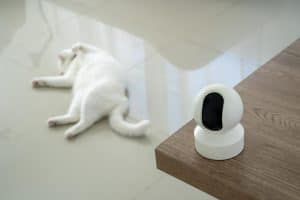
Leveraging smart home technology can help you stay connected with and care for your pets more effectively, even when you’re not physically present.
- Pet Cameras: Two-way audio and video cameras allow you to check in on your pets, talk to them, and even dispense treats remotely.
- Smart Pet Doors: Grant access to your yard only to your pet via microchip or RFID, keeping unwanted animals out.
- Automatic Litter Boxes: Self-cleaning litter boxes reduce odors and maintenance, providing a consistently clean environment for cats.
Beyond feeding and monitoring, smart pet accessories can also contribute to their health and entertainment. GPS trackers integrated into collars provide a safety net, allowing you to locate your pet if they ever wander off. Interactive toys that move or dispense treats automatically can keep pets engaged and mentally stimulated when you’re busy. There are even smart pet beds that can monitor your pet’s sleep patterns and provide insights into their health, or self-cooling beds that regulate temperature for optimal comfort.
Essential Pet Accessories
While technology offers advanced solutions, some classic accessories remain indispensable for enhancing pet comfort and managing daily needs.
- Durable Leashes and Harnesses: Essential for safe and comfortable walks, ensuring proper fit and control.
- Grooming Tools: Brushes, nail clippers, and pet-specific shampoos are crucial for maintaining hygiene and coat health.
- Travel Carriers: Safe and secure carriers are necessary for vet visits, travel, and emergency evacuations.
Integrating these technologies and accessories requires thoughtful consideration of your pet’s specific needs and your lifestyle. Start with devices that address your biggest challenges, whether it’s feeding consistency, monitoring anxiety, or managing litter box hygiene. By embracing pet-friendly technology, you can create a more efficient, secure, and comfortable home that truly supports the well-being of your animal companions, enhancing the overall pet friendly comfort for everyone under your roof.
5. Fostering Mental and Physical Well-being Through Enrichment
True pet friendly comfort extends beyond physical provisions; it deeply involves nurturing the mental and physical well-being of your pets through consistent enrichment. A home that actively promotes engagement, exercise, and mental stimulation creates happier, healthier animals and reduces the likelihood of behavioral issues. This holistic approach ensures your pets are not just living in your home, but truly thriving within it.
Regular physical activity is fundamental for pets. For dogs, this means daily walks, playtime in a secure yard, or trips to a dog park. The type and intensity of exercise should be tailored to their breed, age, and energy levels. Cats also benefit from play; interactive toys like feather wands, laser pointers, and puzzle feeders can satisfy their predatory instincts and keep them moving. Encouraging vertical exploration with cat trees and shelves also provides excellent physical exercise and mental stimulation for felines.
Engaging Activities for Dogs
Keeping dogs physically and mentally active is crucial for their overall health and behavior. A variety of activities can prevent boredom.
- Daily Walks: Provide not just exercise but also mental stimulation through new smells and sights.
- Puzzle Toys: Challenge their minds by requiring them to solve a problem to get a treat.
- Training Sessions: Short, positive reinforcement training sessions can be mentally exhausting and strengthen your bond.
Mental stimulation is just as important as physical exercise. Puzzle toys, snuffle mats, and food-dispensing toys can keep pets engaged and prevent boredom, especially when you’re away. For dogs, learning new tricks or engaging in obedience training provides mental challenges and reinforces positive behaviors. Cats benefit from rotating toys, providing different textures and shapes, and offering opportunities for hunting-like play. Consider hiding treats around the house for a fun ‘scavenger hunt’ that taps into their natural foraging instincts.
Stimulating Activities for Cats
Cats, despite their independent nature, require significant mental and physical engagement to prevent boredom and promote happiness.
- Interactive Play: Use toys that mimic prey, like feather wands, to encourage stalking and pouncing.
- Vertical Spaces: Cat trees, shelves, and window perches provide opportunities for climbing, observing, and lounging.
- Food Puzzles: Make mealtime a game by using puzzle feeders that dispense kibble slowly, engaging their problem-solving skills.
Furthermore, social interaction is a key component of pet well-being. Dedicate quality time each day to play, cuddle, and simply be present with your pets. For social dogs, supervised playdates with other friendly canines can be incredibly enriching. For cats, even quiet companionship, like reading near them or gentle petting, can foster a strong bond. By consistently providing opportunities for physical activity, mental stimulation, and positive social interaction, you create a dynamic and enriching home environment that truly encompasses pet friendly comfort, ensuring your beloved companions lead happy, fulfilled lives.
6. Cultivating a Harmonious Shared Living Space

The ultimate goal of creating a pet-friendly home is to cultivate a genuinely harmonious shared living space where both humans and animals feel comfortable, respected, and happy. This involves more than just individual adjustments; it’s about fostering an atmosphere of mutual understanding and coexistence. Achieving this level of pet friendly comfort enhances the bond you share with your pets and enriches your daily life.
Effective communication and consistent routines are foundational to a harmonious household. Pets thrive on predictability. Establishing regular feeding times, exercise schedules, and designated potty breaks helps reduce anxiety and build trust. Clear communication, whether through consistent training commands for dogs or understanding your cat’s body language, reinforces boundaries and strengthens your relationship. Everyone in the household should be on the same page regarding pet care and rules to avoid confusion for the animals.
Establishing Clear Boundaries and Routines
A well-structured environment benefits everyone. Clear boundaries and consistent routines provide security and reduce stress for pets.
- Training Consistency: Ensure all family members use the same commands and reinforce desired behaviors.
- Designated Areas: Teach pets where they are allowed and where certain activities (like eating or playing) take place.
- Predictable Schedules: Maintain consistent feeding, walking, and play times to provide a sense of security.
Consider the sensory experience of your pets within your home. While humans often enjoy strong scents, many pets have highly sensitive noses and can be overwhelmed by air fresheners, scented candles, or strong cleaning products. Opt for unscented or naturally derived alternatives. Similarly, loud noises can be distressing for some animals, so creating quiet zones or providing calming music can be beneficial. Adequate natural light is also important for pets, contributing to their circadian rhythms and overall mood.
Understanding and Responding to Pet Needs
A deep understanding of your pet’s unique personality and needs is key to fostering a strong, harmonious relationship.
- Observe Body Language: Learn to recognize signs of stress, happiness, or discomfort in your pet.
- Respect Their Space: Teach children and visitors to approach pets gently and respect their dedicated resting areas.
- Address Behavioral Changes: Any sudden shifts in behavior could indicate underlying health issues or stress, requiring attention.
Finally, remember that the relationship with your pet is a journey of continuous learning and adaptation. As pets age, their needs may change, requiring adjustments to their diet, exercise, or living arrangements. Being flexible and responsive to these changes ensures their continued comfort and well-being. By thoughtfully integrating their needs into your home’s design and daily rhythm, you don’t just create a pet-friendly space; you build a truly harmonious sanctuary where every member of the family, furry or otherwise, feels cherished and comfortable, solidifying the essence of pet friendly comfort.
| Key Point | Brief Description |
|---|---|
| Durable Design | Choose resilient materials like LVP flooring and performance fabrics for easy cleaning and longevity. |
| Dedicated Pet Zones | Create safe sleeping nooks, feeding stations, and play areas to provide security and reduce clutter. |
| Pet Safety | Pet-proof your home by securing hazards, removing toxic plants, and maintaining good air quality. |
| Enrichment & Well-being | Provide physical activity, mental stimulation, and social interaction for happy, healthy pets. |
Frequently asked questions about pet-friendly homes
For pet-friendly homes, durable and easy-to-clean flooring options are ideal. Luxury vinyl plank (LVP), tile, and engineered wood are excellent choices as they resist scratches and are water-resistant. If you prefer carpet, opt for low-pile, stain-resistant varieties that are specifically designed for pet households to simplify cleanup.
To create a safe sleeping area, choose a quiet, draft-free spot away from high-traffic zones. Provide a comfortable bed, like an orthopedic or plush option, suitable for your pet’s size and age. For dogs, a crate can offer a secure den-like space, while cats appreciate elevated perches or cozy enclosed beds for privacy and security.
Many common items are toxic to pets. These include certain houseplants (lilies, sago palms), human medications, cleaning products, and foods like chocolate, grapes, onions, and anything containing xylitol. Always secure these items in locked cabinets or out of reach, and research pet-safe alternatives for plants and household products.
Absolutely! Pet-friendly technology can greatly assist in pet care. Automated feeders ensure consistent meal times, pet cameras allow remote monitoring and interaction, and smart pet doors provide secure access. GPS trackers offer peace of mind, while automatic litter boxes and interactive toys streamline routines and enhance enrichment for your furry friends.
Mental stimulation is crucial for a pet’s overall well-being, preventing boredom and destructive behaviors. Puzzle toys, training sessions, and interactive play engage their minds. For cats, vertical spaces and hunting-like games are vital. Consistent mental challenges contribute to a happier, healthier pet and a more harmonious home environment.
Conclusion
Creating a truly pet-friendly home is an ongoing journey that enriches the lives of both humans and their animal companions. By focusing on durable design, establishing dedicated pet zones, prioritizing safety, integrating smart technology, and fostering mental and physical well-being through enrichment, you build more than just a house; you cultivate a harmonious sanctuary. The effort invested in achieving optimal pet friendly comfort not only enhances your pet’s happiness and health but also deepens the unique bond you share, making your shared living space a source of joy and tranquility for every member of the family.