Indoor Air Quality Matters: Purify Your Home’s Air by 30%
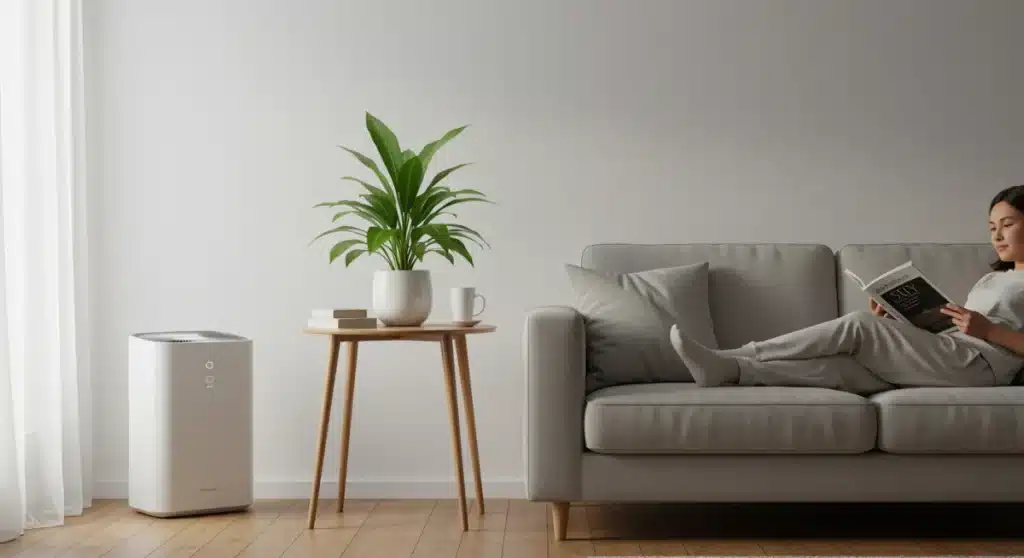
Indoor air quality matters significantly for health and comfort, and implementing five key strategies can effectively purify your home’s air by up to 30%, creating a healthier living space.
Have you ever considered the air you breathe inside your own home? It might surprise you to learn that indoor air can often be more polluted than outdoor air. That’s why understanding why indoor air quality matters is crucial for your well-being. This comprehensive guide will walk you through five actionable tips designed to help you purify your home’s air by at least 30%, leading to a healthier, more comfortable living environment for you and your family.
Understanding the Importance of Clean Indoor Air
The air within our homes can harbor a variety of pollutants, from dust mites and pet dander to volatile organic compounds (VOCs) released by furniture and cleaning products. These contaminants can significantly impact our health, contributing to respiratory issues, allergies, and even more serious conditions over time. Recognizing the profound effect that air quality has on our daily lives is the first step toward creating a healthier living space.
Many people spend up to 90% of their time indoors, making the quality of that air paramount. Poor indoor air quality isn’t just about unpleasant odors; it’s about invisible threats that can silently undermine your health and comfort. Addressing these issues can lead to noticeable improvements in your overall well-being, from better sleep to fewer allergy symptoms.
Common Indoor Air Pollutants
Numerous sources contribute to indoor air pollution, often without us even realizing it. Identifying these common culprits is essential for effective mitigation strategies.
- Dust and allergens: Pet dander, dust mites, pollen, and mold spores are ubiquitous indoor allergens that can trigger respiratory problems.
- Volatile Organic Compounds (VOCs): Found in paints, cleaning supplies, new furniture, and building materials, VOCs can off-gas harmful chemicals into the air.
- Combustion byproducts: Gas stoves, fireplaces, and faulty furnaces can release carbon monoxide, nitrogen dioxide, and particulate matter.
- Biological contaminants: Bacteria, viruses, and mold thrive in damp environments and can spread through the air, causing illness.
By understanding the array of pollutants that can infiltrate our homes, we can begin to implement targeted solutions. The goal is not just to mask odors but to actively remove or neutralize these harmful substances, ensuring a genuinely clean air supply for everyone living in the space.
Tip 1: Optimize Ventilation and Air Circulation
One of the most straightforward yet effective ways to improve indoor air quality is by optimizing ventilation and ensuring proper air circulation throughout your home. Stagnant air allows pollutants to accumulate, making the indoor environment less healthy than it should be. Enhancing airflow helps disperse these contaminants and brings in fresh, outdoor air.
Even in colder months, a few minutes of fresh air can make a significant difference. Cross-ventilation, where you open windows on opposite sides of your home, is particularly effective. This creates a natural draft that flushes out stale air and replaces it with cleaner air from outside.
Strategies for Better Airflow
There are several practical steps you can take to boost ventilation and air circulation, many of which require minimal effort but yield substantial benefits.
- Open windows and doors regularly: Even for 5-10 minutes a day, especially after cooking or cleaning, can refresh the air.
- Use exhaust fans: Always turn on exhaust fans in bathrooms and kitchens to remove moisture, odors, and cooking fumes, preventing mold growth and pollutant buildup.
- Maintain HVAC systems: Ensure your heating, ventilation, and air conditioning (HVAC) system is regularly serviced. Clean or replace filters as recommended to keep air flowing efficiently and cleanly.
Beyond these immediate actions, consider the long-term impact of consistent ventilation. A well-ventilated home is less prone to mold, mildew, and the accumulation of airborne particles, creating a consistently healthier atmosphere. This proactive approach is foundational to maintaining excellent indoor air quality.
Tip 2: Invest in High-Quality Air Purifiers
While ventilation is crucial, it may not be enough to tackle all indoor air pollutants, especially in urban environments or homes with specific challenges like pets or allergies. This is where investing in high-quality air purifiers becomes invaluable. Modern air purifiers are designed to capture a wide range of airborne particles and gases, significantly enhancing the cleanliness of your indoor air.
When selecting an air purifier, look for models that feature a True HEPA filter, which can capture 99.97% of airborne particles as small as 0.3 microns, including dust, pollen, pet dander, and mold spores. Additionally, activated carbon filters are excellent for removing odors and volatile organic compounds (VOCs). The combination of these technologies provides comprehensive air purification.

Placement of air purifiers also plays a key role. Position them in rooms where you spend the most time, such as bedrooms and living areas. For optimal performance, ensure they are placed away from walls and furniture to allow for unobstructed airflow. Regularly cleaning or replacing filters according to the manufacturer’s instructions is essential to maintain efficiency and prevent the purifier from becoming a source of contamination itself.
Choosing the Right Air Purifier
The market offers a vast array of air purifiers, making the selection process seem daunting. However, focusing on a few key features can simplify your decision and ensure you get a unit that meets your needs.
- CADR Rating: The Clean Air Delivery Rate (CADR) indicates how quickly the purifier cleans a room of specific pollutants. Higher CADR numbers mean faster cleaning.
- Room Size Compatibility: Ensure the purifier’s coverage area matches the size of the room where it will operate.
- Noise Level: Especially for bedrooms, consider models with low noise levels for undisturbed sleep.
- Additional Features: Some purifiers offer UV-C light for germ killing, smart features for remote control, or air quality sensors that automatically adjust fan speed.
By carefully considering these factors, you can select an air purifier that provides maximum benefit, effectively reducing airborne pollutants and contributing significantly to a healthier home environment. This investment is a proactive step toward safeguarding your family’s respiratory health and overall comfort.
Tip 3: Regular and Thorough Cleaning Practices
While air purifiers and ventilation are powerful tools, they work best in conjunction with consistent and thorough cleaning practices. Dust, dirt, and allergens don’t just float in the air; they settle on surfaces, carpets, and upholstery, becoming a constant source of indoor pollution. Regular cleaning minimizes these settled contaminants, preventing them from becoming airborne again.
Start by adopting a routine that includes frequent dusting, vacuuming, and wiping down surfaces. Using microfiber cloths can effectively trap dust rather than just scattering it. For vacuuming, a model with a HEPA filter is highly recommended, as it prevents fine particles from being recirculated into the air during cleaning. This attention to detail can drastically reduce the overall pollutant load in your home.
Effective Cleaning Habits
Implementing specific cleaning habits can make a significant difference in maintaining superior indoor air quality. These practices are easy to integrate into your weekly routine.
- Vacuum frequently: Aim to vacuum carpets and rugs at least twice a week, more often if you have pets.
- Dust with damp cloths: Damp or microfiber cloths are more effective at picking up dust than dry cloths, which can simply push dust around.
- Wash bedding regularly: Dust mites thrive in bedding. Wash sheets, pillowcases, and blankets in hot water weekly to eliminate them.
- Clean drapes and blinds: These can accumulate a lot of dust. Vacuum or wipe them down periodically.
Beyond these routine tasks, consider the cleaning products you use. Many conventional cleaners contain harsh chemicals and VOCs that can degrade air quality. Opt for natural, non-toxic alternatives whenever possible to avoid introducing new pollutants while trying to eliminate existing ones. A clean home, both visibly and invisibly, is a healthy home.
Tip 4: Control Humidity and Prevent Mold Growth
Humidity control is a critical yet often overlooked aspect of maintaining excellent indoor air quality. High humidity levels create an ideal breeding ground for mold, mildew, and dust mites, all of which are significant sources of allergens and irritants. These biological contaminants can release spores and toxins into the air, leading to respiratory issues and other health problems.
The ideal indoor humidity level typically falls between 30% and 50%. Monitoring humidity with a hygrometer can help you keep levels in check. In humid climates or during certain seasons, a dehumidifier can be an indispensable tool for maintaining appropriate moisture levels. Conversely, in very dry environments, a humidifier might be necessary, but it’s crucial to clean it regularly to prevent bacterial growth.

Addressing sources of moisture is also key. Fix any leaky pipes or roofs promptly. Ensure proper ventilation in bathrooms and kitchens, especially after showering or cooking, to prevent moisture buildup. Regularly clean and dry damp areas, such as shower curtains and around sinks, to deter mold formation. Proactive moisture management is fundamental to preventing the spread of mold and its associated health risks.
Managing Moisture Effectively
Taking concrete steps to control humidity and prevent mold requires consistent effort and attention to detail. These actions can significantly impact your home’s air quality.
- Use dehumidifiers: Especially in basements, bathrooms, or other naturally damp areas, a dehumidifier can effectively reduce moisture.
- Ensure proper drainage: Make sure rainwater drains away from your home’s foundation to prevent water intrusion.
- Ventilate clothes dryers: Ensure your dryer vents to the outside, not into your attic or crawl space, to expel humid air.
- Inspect for leaks: Regularly check plumbing, roofs, and windows for any signs of leaks or water damage and repair them immediately.
By diligently controlling humidity and preventing mold, you not only improve your indoor air quality but also protect your home from structural damage. This dual benefit underscores the importance of moisture management in creating a healthy and comfortable living environment.
Tip 5: Incorporate Air-Purifying Plants and Natural Elements
Beyond mechanical and chemical solutions, incorporating natural elements like air-purifying plants can provide an aesthetic and effective boost to your indoor air quality. While plants alone may not eliminate all pollutants, they contribute to a healthier environment by absorbing certain toxins and releasing oxygen, enhancing the overall freshness of your home.
NASA’s Clean Air Study famously highlighted several common houseplants that are particularly adept at removing harmful VOCs like formaldehyde, benzene, and trichloroethylene from the air. These plants act as natural filters, metabolizing airborne toxins and converting them into harmless substances. They also add a touch of nature and beauty to your living spaces, contributing to a sense of well-being.
Top Air-Purifying Plants for Your Home

Choosing the right plants for your home can make a difference. Here are some of the most effective and easy-to-care-for options.
- Snake Plant (Sansevieria trifasciata): Known for filtering out formaldehyde, benzene, trichloroethylene, and xylene, even at night.
- Spider Plant (Chlorophytum comosum): Excellent at combating formaldehyde and xylene, and safe for pets.
- Peace Lily (Spathiphyllum): Helps remove ammonia, benzene, formaldehyde, and trichloroethylene, but is toxic to pets if ingested.
- Pothos (Epipremnum aureum): Effective against formaldehyde, xylene, and benzene, and very easy to grow.
While plants offer a natural way to improve air quality, remember that they are part of a broader strategy. Combine their benefits with good ventilation, regular cleaning, and possibly an air purifier for the most comprehensive approach to a healthy indoor environment. The addition of greenery also has psychological benefits, reducing stress and enhancing mood, making your home a truly comfortable sanctuary.
Long-Term Strategies for Sustained Air Quality
Achieving and maintaining optimal indoor air quality is not a one-time fix but an ongoing commitment. Implementing long-term strategies ensures that your home remains a sanctuary of clean, fresh air, protecting your family’s health and enhancing your overall comfort. These strategies often involve a combination of conscious choices and consistent habits that integrate seamlessly into your lifestyle.
Consider the materials you bring into your home. When renovating or purchasing new furniture, opt for low-VOC paints, sealants, and furnishings. These choices significantly reduce the release of harmful chemicals into your indoor environment from the outset. Similarly, being mindful of the products you use for cleaning, personal care, and hobbies can prevent the introduction of new pollutants.
Building a Healthier Home Environment
Sustaining high indoor air quality involves a holistic approach that extends beyond immediate fixes. It’s about cultivating a healthier living philosophy.
- Regular HVAC Maintenance: Schedule professional inspections and cleanings for your HVAC system annually to ensure it operates efficiently and filters air effectively.
- Monitor Air Quality: Consider investing in an indoor air quality monitor to keep track of pollutant levels and humidity, allowing for timely adjustments.
- Shoe-Free Home Policy: Encourage family members and guests to remove shoes at the door to prevent tracking in outdoor pollutants like pesticides, dirt, and allergens.
- Pet Grooming: Regularly groom pets to reduce dander and hair, which are common allergens.
By adopting these long-term strategies, you create a robust defense against indoor air pollution. It’s about making informed decisions and establishing routines that prioritize the health of your home and its occupants. This sustained effort will yield dividends in terms of better health, increased comfort, and a greater sense of well-being for everyone under your roof.
| Key Strategy | Brief Description |
|---|---|
| Optimize Ventilation | Regularly open windows, use exhaust fans, and maintain HVAC for fresh air circulation. |
| Invest in Air Purifiers | Utilize True HEPA and activated carbon filters to capture particles and VOCs effectively. |
| Control Humidity | Maintain 30-50% humidity to prevent mold and dust mite growth; fix leaks promptly. |
| Regular Cleaning | Frequent dusting, HEPA vacuuming, and washing bedding reduce settled pollutants. |
Frequently Asked Questions About Indoor Air Quality
It’s beneficial to open windows for 5-10 minutes daily, especially after cooking, cleaning, or showering. This simple practice helps to flush out stale air and reduce the concentration of indoor pollutants, bringing in fresh outdoor air and improving overall circulation.
The most effective air purifiers typically feature a True HEPA filter, capable of capturing 99.97% of particles 0.3 microns or larger. Many also include an activated carbon filter to remove odors and volatile organic compounds (VOCs), offering comprehensive air purification for your home.
Yes, certain houseplants, such as snake plants and peace lilies, can help purify indoor air by absorbing common toxins like formaldehyde and benzene. While they contribute to a healthier environment, they are best used as part of a broader strategy, supplementing ventilation and mechanical air purification.
Maintaining an indoor humidity level between 30% and 50% is generally recommended. This range discourages the growth of mold, mildew, and dust mites, which thrive in higher humidity. Using a hygrometer to monitor levels and a dehumidifier or humidifier as needed can help maintain this balance.
To reduce VOCs, choose low-VOC paints and building materials, allow new furniture to off-gas in a well-ventilated area before bringing it indoors, and opt for natural, non-toxic cleaning products. Good ventilation and activated carbon air filters also effectively remove airborne VOCs.
Conclusion
Creating a home environment where indoor air quality matters and is consistently high is an attainable goal that significantly contributes to your health and overall comfort. By diligently applying the five tips discussed—optimizing ventilation, investing in quality air purifiers, maintaining rigorous cleaning practices, controlling humidity to prevent mold, and incorporating air-purifying plants—you can realistically purify your home’s air by 30% or more. These strategies, when adopted as part of a holistic approach to home care, transform your living space into a haven of clean, fresh air, fostering better well-being for everyone. Prioritizing the air you breathe indoors is an investment in your long-term health and happiness.