Energy-Efficient Appliances: Cut Bills & Carbon 20%
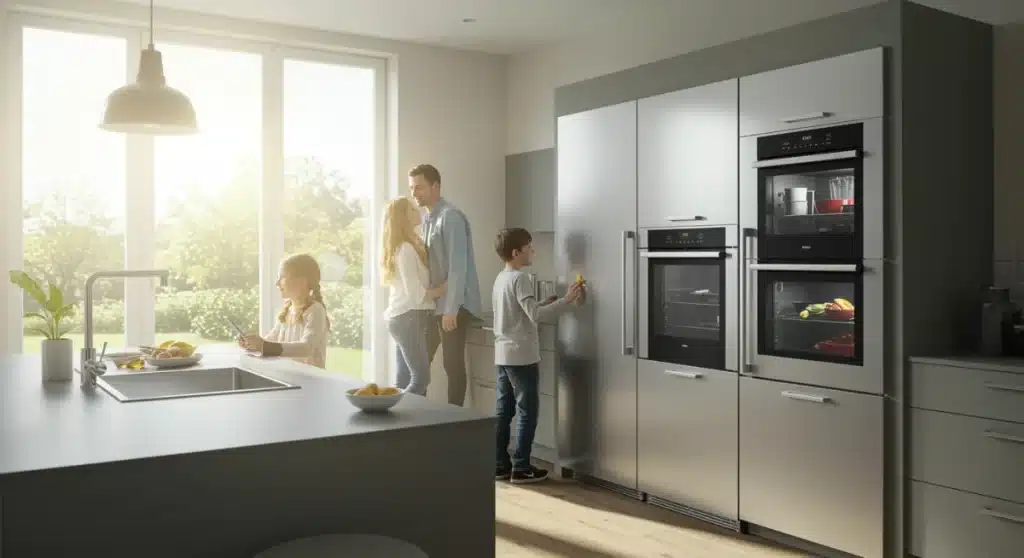
Upgrading to energy-efficient appliances can significantly reduce your utility bills by up to 20% while simultaneously lowering your household’s carbon footprint, contributing to both personal savings and environmental sustainability.
Are you ready to transform your home into a beacon of efficiency and savings? Embracing energy-efficient appliances is not just a trend; it’s a smart financial decision and a powerful step towards a greener future. Imagine reducing your utility bills by 20% or more, all while contributing to a healthier planet. Let’s explore how these innovative technologies can benefit your lifestyle and your wallet.
The undeniable benefits of energy-efficient appliances
Investing in energy-efficient appliances offers a multitude of advantages that extend far beyond initial purchase costs. These benefits impact your finances, your daily comfort, and the environment at large, creating a ripple effect of positive change within your household and beyond.
One of the most immediate and tangible benefits is the significant reduction in utility bills. Older appliances are often energy hogs, consuming far more electricity or natural gas than their modern counterparts. By upgrading, homeowners can see substantial savings month after month, freeing up funds for other priorities or investments. Additionally, these appliances often come with advanced features that enhance performance and convenience, making daily tasks easier and more enjoyable.
financial savings and long-term value
- Lower Operating Costs: Energy-efficient models are designed to use less power, directly translating to lower electricity, gas, or water bills over their lifespan.
- Government Incentives: Many states and federal programs offer rebates, tax credits, or other incentives for purchasing ENERGY STAR certified appliances, further reducing the effective cost.
- Increased Home Value: Homes equipped with modern, energy-efficient systems are often more attractive to potential buyers, potentially increasing property value and marketability.
Beyond the financial incentives, the environmental impact is profound. Reduced energy consumption means fewer fossil fuels are burned, leading to a decrease in greenhouse gas emissions. This contributes directly to combating climate change and improving air quality. Furthermore, many energy-efficient appliances are built with sustainable materials and processes, extending their lifecycle and reducing waste. This holistic approach to efficiency ensures that every aspect of the appliance, from manufacturing to operation, is considered for its environmental footprint.
Ultimately, the transition to energy-efficient appliances is a win-win situation. It empowers homeowners to save money, enjoy enhanced comfort, and play an active role in environmental stewardship. The long-term value generated by these choices far outweighs the initial investment, making them a wise decision for any modern household.
Understanding energy consumption in your home
Before making informed decisions about upgrading, it’s crucial to understand how energy is consumed within your home. Many homeowners are surprised to learn which appliances are the biggest energy users, often underestimating the cumulative impact of older models. A thorough assessment can pinpoint areas where efficiency improvements will yield the most significant returns.
Common culprits for high energy consumption include refrigerators, washing machines, dryers, dishwashers, and water heaters. These appliances operate frequently and often require substantial power to perform their functions. Lighting and heating/cooling systems also contribute significantly, but for now, our focus remains on the individual appliance level. Understanding their energy demands helps prioritize replacements and modifications for maximum impact.
identifying energy hogs
- Refrigerators: Especially older models, can consume a surprising amount of electricity as they run continuously.
- Washing Machines: Hot water cycles and inefficient motors can lead to high energy use.
- Clothes Dryers: These are notorious energy users due to the heat required to dry clothes.
- Dishwashers: Heating water and drying cycles contribute to their energy footprint.
The good news is that manufacturers have made significant strides in improving the energy performance of these essential household items. Modern energy-efficient models are designed with advanced insulation, smarter sensors, and more efficient motors and heating elements. This innovation means you don’t have to sacrifice performance or convenience for savings. Instead, you get the best of both worlds: powerful appliances that operate with a fraction of the energy.
Regularly monitoring your energy bills and even conducting a home energy audit can provide valuable insights into your consumption patterns. Many utility companies offer free or low-cost audits, which can highlight specific areas for improvement. By understanding your current energy landscape, you can strategically plan your upgrades to achieve the desired 20% reduction in utility costs and carbon emissions.
Key energy-efficient appliances to consider
When embarking on the journey to a more energy-efficient home, certain appliances stand out for their potential to deliver substantial savings and environmental benefits. Focusing on these key items first can accelerate your progress towards a more sustainable and cost-effective household.
Refrigerators, washing machines, dishwashers, and water heaters are often at the top of the list for energy savings. These devices are integral to daily life, and their continuous or frequent operation means that even small improvements in efficiency can lead to significant cumulative savings over time. Furthermore, advancements in technology have made these appliances more effective and user-friendly than ever before.
smart choices for maximum impact
- ENERGY STAR Refrigerators: These models use advanced insulation and compressors, consuming up to 15% less energy than conventional models and 40% less than those from 20 years ago.
- High-Efficiency Washing Machines: Front-loading machines typically use less water and energy than top-loaders, often featuring sophisticated sensors to optimize water levels and wash cycles.
- ENERGY STAR Dishwashers: These units use less hot water and have improved washing mechanisms, leading to significant savings on both water and heating costs.
- Heat Pump Water Heaters: Unlike traditional resistive water heaters, these extract heat from the air, making them up to three times more efficient and offering considerable long-term savings.
Beyond these major appliances, don’t overlook smaller items like LED lighting, smart thermostats, and efficient air purifiers. While their individual impact might seem smaller, collectively they contribute to a holistic reduction in energy use. Each upgrade, no matter how minor, pushes your home closer to its efficiency goals and helps reduce your overall carbon footprint. Consider these upgrades as investments in your future, yielding both financial and environmental returns.
The role of ENERGY STAR certification
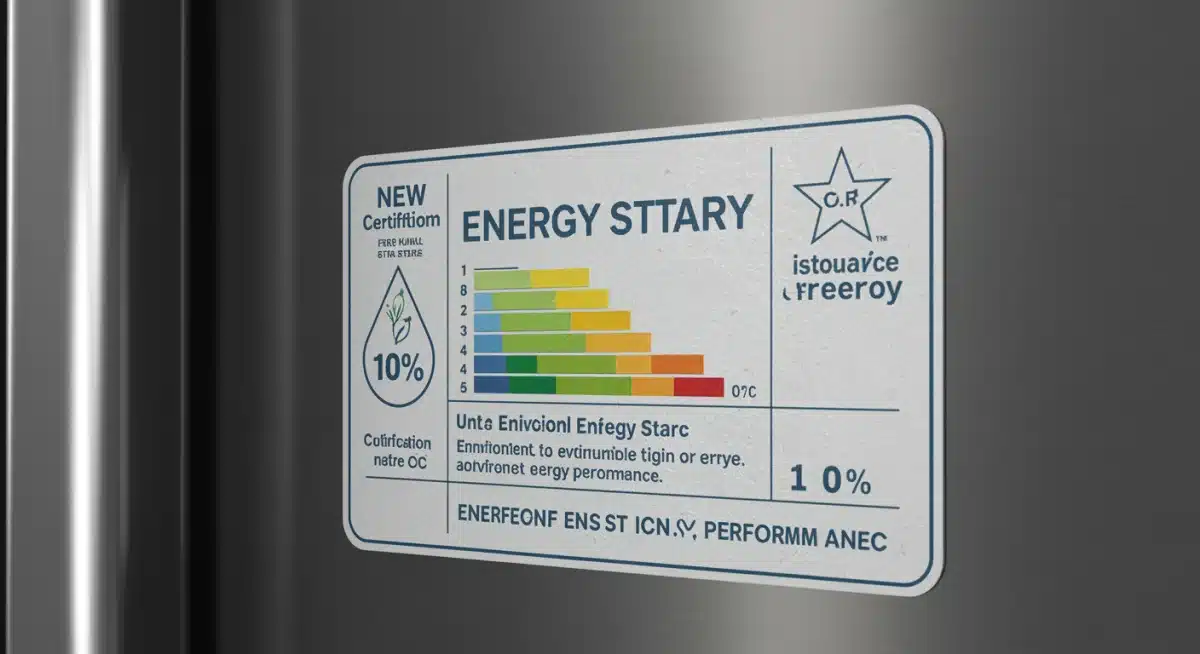
Navigating the world of energy-efficient appliances can be complex, but the ENERGY STAR label serves as a reliable guide for consumers. This certification, backed by the U.S. Environmental Protection Agency (EPA) and the U.S. Department of Energy (DOE), indicates that a product meets strict energy efficiency guidelines. It’s a simple, recognizable symbol that helps you make smart purchasing decisions.
When an appliance bears the ENERGY STAR label, it means it has been independently tested and verified to perform efficiently, reducing both energy consumption and greenhouse gas emissions. This certification isn’t just about saving money; it’s about providing a clear standard for environmental responsibility. Choosing ENERGY STAR products ensures you’re getting a device that is designed with sustainability in mind, offering peace of mind alongside tangible savings.
what the energy star label means for you
- Guaranteed Efficiency: Products must meet stringent energy efficiency specifications set by the EPA.
- Cost Savings: These appliances typically use significantly less energy, leading to lower utility bills over their lifespan.
- Environmental Protection: By consuming less energy, ENERGY STAR products help reduce air pollution and greenhouse gas emissions.
- Performance and Features: You don’t sacrifice performance; ENERGY STAR products often incorporate advanced technologies for optimal operation.
Beyond the label itself, the ENERGY STAR program also provides valuable resources and tools, such as savings calculators and product directories, to help consumers make informed choices. These resources allow you to compare different models, estimate potential savings, and find rebates available in your area. This comprehensive support system empowers homeowners to confidently invest in appliances that align with their financial and environmental goals.
In essence, the ENERGY STAR certification simplifies the process of identifying truly energy-efficient products. It removes the guesswork, allowing you to focus on the features and design that best suit your home while knowing you’re making a responsible choice for both your budget and the planet. Always look for this trusted symbol when shopping for new appliances.
Installation and maintenance for optimal efficiency
Purchasing energy-efficient appliances is just the first step; proper installation and consistent maintenance are equally vital to ensure they operate at peak efficiency. Even the most advanced appliance can underperform if not set up correctly or if neglected over time. These practices extend the lifespan of your appliances and guarantee you reap the full benefits of your investment.
Incorrect installation can lead to increased energy consumption, premature wear and tear, and even safety hazards. For instance, a refrigerator placed too close to a wall without proper ventilation will work harder, consuming more electricity. Similarly, a poorly installed dishwasher might use more water or require more energy to heat it. Professional installation, especially for major appliances, is often a wise choice to avoid these common pitfalls.
maintaining peak performance
- Regular Cleaning: Keep coils on refrigerators clean, dishwasher filters free of debris, and dryer lint traps clear to prevent obstructions that reduce efficiency.
- Proper Usage: Avoid overfilling washing machines or dishwashers, and use appropriate settings for each load to optimize water and energy use.
- Professional Check-ups: Schedule periodic maintenance for major appliances, such as water heaters, to ensure they are running efficiently and to catch potential issues early.
Routine maintenance is not just about fixing problems; it’s about preventative care that preserves efficiency. Simple tasks like cleaning condenser coils on your refrigerator or descaling your coffee maker can significantly impact their energy usage. These small efforts accumulate over time, contributing to sustained energy savings and the longevity of your appliances. Think of maintenance as an ongoing commitment to your initial investment.
By prioritizing both correct installation and regular maintenance, you ensure that your energy-efficient appliances continue to deliver on their promise of reduced utility bills and a smaller carbon footprint. These practices are fundamental to maximizing your home’s overall energy efficiency and enjoying lasting comfort and savings.
Integrating smart home technology for enhanced control
The evolution of energy-efficient appliances has been significantly bolstered by the integration of smart home technology. This convergence offers unprecedented levels of control, automation, and insight into your home’s energy consumption, allowing for even greater savings and convenience. Smart appliances connect to your home network, enabling remote management and optimized operation.
Imagine being able to pre-heat your oven on your way home, or starting a load of laundry from your office. Smart appliances make this a reality, but their benefits extend beyond mere convenience. They can learn your habits, adjust settings based on real-time energy prices, and even alert you to potential issues, all contributing to a more efficient and responsive home environment.
the power of smart integration
- Remote Monitoring and Control: Manage appliances from anywhere using a smartphone app, allowing for flexible scheduling and adjustments.
- Automated Efficiency: Smart thermostats can optimize heating and cooling, while smart lighting adjusts based on occupancy and natural light, reducing wasted energy.
- Energy Consumption Tracking: Many smart appliances provide detailed reports on their energy usage, helping you identify patterns and areas for further optimization.
- Integration with Voice Assistants: Control your appliances with simple voice commands, adding a layer of convenience to your smart home ecosystem.
One of the most powerful aspects of smart home technology is its ability to create a cohesive ecosystem where all your devices work together. A smart energy management system, for example, can prioritize appliance usage during off-peak hours when electricity rates are lower. This intelligent scheduling not only saves money but also helps reduce strain on the power grid. The synergy between energy-efficient design and smart technology unlocks a new level of home optimization.
Embracing smart home technology is an investment in future-proofing your home. It provides the tools and insights needed to maintain optimal energy efficiency, adapt to changing energy demands, and continuously reduce your environmental impact. By combining energy-efficient appliances with smart controls, you create a dynamic and responsive home that is both comfortable and sustainable.
Measuring your impact and celebrating savings
The journey towards an energy-efficient home is ongoing, and a crucial part of this process involves measuring your progress and celebrating the tangible results. Tracking your energy consumption and comparing it to previous periods is essential for understanding the true impact of your upgrades and for staying motivated to continue your efficiency efforts.
Utility bills are your primary tool for measurement. Many utility companies now offer detailed online portals where you can view your historical energy usage, compare it to similar homes, and even see the impact of specific weather events. Analyzing these reports can clearly illustrate the financial benefits of your investment in energy-efficient appliances, showcasing the 20% reduction in utility bills you aimed for.
tracking progress and amplifying results
- Analyze Utility Bills: Regularly review your monthly statements for reductions in kilowatt-hour (kWh) usage and associated costs.
- Use Smart Meter Data: If available, leverage smart meter data for real-time insights into your energy consumption patterns and identify areas for further savings.
- Calculate Carbon Footprint Reduction: Many online calculators can help you estimate the reduction in CO2 emissions based on your energy savings, reinforcing your environmental contribution.
Beyond financial savings, acknowledging your reduced carbon footprint provides a powerful sense of accomplishment. Each unit of energy saved contributes to fewer greenhouse gas emissions, directly supporting global efforts to combat climate change. This environmental benefit is a significant motivator for many homeowners, demonstrating that individual actions can collectively make a substantial difference.
Sharing your successes with friends and family can also inspire others to adopt similar practices. Word-of-mouth recommendations, coupled with demonstrable savings, can encourage a wider movement towards energy efficiency. By measuring your impact, you not only validate your choices but also become an advocate for a more sustainable future, proving that comfort and environmental responsibility can go hand-in-hand.
| Key Aspect | Brief Description |
|---|---|
| Utility Bill Reduction | Upgrading to efficient appliances can cut energy costs by 20% or more. |
| Carbon Footprint | Lower energy use directly translates to reduced greenhouse gas emissions. |
| ENERGY STAR Label | A reliable certification for verified energy-efficient products. |
| Smart Home Integration | Connects appliances for enhanced control, automation, and energy management. |
Frequently Asked Questions About Energy-Efficient Appliances
It means the appliance is designed to perform its function while consuming significantly less energy than conventional models. This translates to lower operating costs and a reduced environmental impact, often indicated by certifications like ENERGY STAR.
Savings vary based on your old appliances’ inefficiency and your usage habits. However, many households report a 10-20% reduction in overall utility bills after strategically replacing major energy-consuming appliances with efficient models.
Often, yes, the initial purchase price can be higher. However, the long-term savings on utility bills, coupled with potential rebates and tax incentives, typically offset this difference, making them a wise investment over their lifespan.
Look for the ENERGY STAR label, which signifies that the product meets strict energy efficiency guidelines set by the EPA. Also, check the yellow EnergyGuide label for estimated annual operating costs and energy consumption.
Absolutely. While major appliances offer significant savings, the cumulative effect of smaller energy-efficient devices like LED bulbs, smart power strips, and efficient electronics can add up to noticeable reductions in your overall energy consumption and carbon footprint.
Conclusion
Embracing energy-efficient appliances is a pivotal step towards creating a more sustainable and economically sound household. The journey from traditional energy consumption to optimized efficiency offers substantial benefits, from reducing your utility bills by a significant margin to actively lowering your carbon footprint. By making informed choices, prioritizing ENERGY STAR certified products, ensuring proper installation and maintenance, and leveraging smart home technology, homeowners can achieve a harmonious balance between comfort, cost savings, and environmental responsibility. This commitment not only enhances your personal living space but also contributes to a healthier planet for future generations. The investment in energy-efficient living is an investment in a brighter, more sustainable future.