Achieving Peak Indoor Air Quality: Essential Systems for a Healthier Home
Achieving peak indoor air quality in your US home is crucial for well-being, relying on a combination of effective filtration, ventilation, and purification systems to eliminate pollutants and ensure a healthier living environment.
In our modern lives, we spend a significant portion of our time indoors, making the quality of the air we breathe within our homes paramount. For homeowners across the US, understanding and implementing strategies for achieving peak indoor air quality is not just a luxury but a fundamental component of a healthy lifestyle. From allergens and dust to volatile organic compounds (VOCs) and pet dander, our indoor environments can harbor a surprising array of pollutants that impact our health and comfort. This comprehensive guide will delve into the three essential systems that form the backbone of a truly healthy home environment, ensuring that every breath you take is clean and refreshing.
Understanding the Importance of Indoor Air Quality
Before we dive into specific systems, it’s crucial to grasp why indoor air quality (IAQ) demands our attention. Unlike outdoor air, which is subject to natural dispersion and purification processes, indoor air can become stagnant and accumulate pollutants at levels far exceeding those found outside. This phenomenon is particularly relevant in the US, where energy-efficient construction methods often lead to tightly sealed homes that restrict natural airflow.
The implications of poor IAQ are far-reaching, affecting everything from respiratory health and allergy symptoms to cognitive function and sleep quality. Common indoor pollutants include particulate matter from cooking and candles, chemical off-gassing from furniture and cleaning products, biological contaminants like mold and bacteria, and pet dander. Recognizing these threats is the first step toward creating a truly healthy living space.
The Silent Threat: Invisible Pollutants
Many of the most detrimental indoor air pollutants are invisible to the naked eye and odorless, making them silent threats to our health. These microscopic particles and gases can bypass our body’s natural defenses and enter our bloodstream, leading to a variety of short-term and long-term health issues. Awareness of these hidden dangers empowers homeowners to proactively address IAQ.
- Particulate Matter (PM2.5): Tiny airborne particles from combustion, dust, and allergens that can penetrate deep into the lungs.
- Volatile Organic Compounds (VOCs): Gases emitted from paints, cleaning supplies, and building materials, often linked to respiratory irritation and other health problems.
- Biological Contaminants: Mold spores, bacteria, viruses, and dust mites that thrive in damp, poorly ventilated environments.
- Radon: A naturally occurring radioactive gas that can seep into homes from the ground, posing a significant lung cancer risk.
Understanding the varied nature of indoor pollutants underscores the need for a multi-faceted approach to IAQ improvement. A single solution is rarely sufficient to tackle the diverse range of contaminants present in a typical home. This holistic perspective guides our discussion of essential systems.
System 1: Advanced Filtration for Cleaner Air
The first line of defense in achieving superior indoor air quality is an effective filtration system. While basic HVAC filters prevent large dust particles from damaging your furnace or AC unit, they do little to capture the microscopic pollutants that truly impact health. Upgrading to high-efficiency filtration is a crucial step for any homeowner serious about IAQ.
The most common measure of a filter’s effectiveness is its MERV (Minimum Efficiency Reporting Value) rating. A higher MERV rating indicates a filter’s ability to capture smaller particles. For residential use, filters with a MERV rating of 8 to 13 are generally recommended, striking a balance between filtration efficiency and airflow restriction for most HVAC systems. Filters above MERV 13, such as HEPA filters, offer exceptional filtration but may require system modifications due to increased pressure drop.
Choosing the Right MERV Rating
Selecting the appropriate MERV rating involves considering your specific needs and your HVAC system’s capabilities. A MERV 8 filter is a significant improvement over standard filters, effectively capturing pollen, dust mites, and pet dander. For those with allergies, asthma, or a desire for even cleaner air, MERV 11 or 13 filters are ideal, trapping smaller particles like mold spores and some bacteria.
However, it’s vital to consult with an HVAC professional before installing filters with very high MERV ratings. These filters can restrict airflow, making your system work harder and potentially leading to decreased efficiency or even damage. Proper installation and regular replacement are also key to maintaining optimal filtration performance.
Beyond MERV-rated filters, some homeowners opt for whole-house HEPA (High-Efficiency Particulate Air) filtration systems. These systems are typically installed as bypass units or as part of a dedicated air handler and can remove 99.97% of airborne particles 0.3 microns in size or larger. While more expensive, they offer the highest level of particulate filtration available for residential applications, making them invaluable for individuals with severe allergies or respiratory conditions.
System 2: Strategic Ventilation for Freshness
Even the best filtration system cannot address all indoor air quality issues. Strategic ventilation is equally critical, especially in modern, tightly sealed homes. Ventilation introduces fresh outdoor air while expelling stale, pollutant-laden indoor air, preventing the buildup of CO2, odors, and VOCs. Relying solely on opening windows is often insufficient and can be impractical due to weather, noise, or outdoor allergens.
Mechanical ventilation systems provide a controlled and efficient way to exchange indoor and outdoor air. There are several types, each suited to different home designs and climate conditions. Exhaust-only systems, like bathroom and kitchen fans, remove air from specific areas, creating negative pressure that draws in outdoor air through leaks in the building envelope. While simple, they offer limited control over where outdoor air enters.
Balanced Ventilation Systems
Balanced ventilation systems, such as heat recovery ventilators (HRVs) and energy recovery ventilators (ERVs), are the gold standard for maintaining optimal indoor air quality and energy efficiency. These systems introduce an equal amount of fresh outdoor air while exhausting an equal amount of stale indoor air, creating a balanced pressure within the home. This controlled exchange minimizes uncontrolled air infiltration and exfiltration.
- Heat Recovery Ventilators (HRVs): Ideal for colder climates, HRVs transfer heat from the outgoing stale air to the incoming fresh air, pre-warming it before it enters your home. This significantly reduces the energy required to heat the incoming air.
- Energy Recovery Ventilators (ERVs): Perfect for all climates, especially humid ones, ERVs transfer both heat and moisture. In summer, they remove humidity from incoming fresh air, reducing the load on your air conditioner. In winter, they retain some humidity from outgoing air, preventing excessive dryness.
Integrating an HRV or ERV into your home’s HVAC system ensures a continuous supply of fresh, filtered air without compromising energy efficiency. These systems are particularly beneficial for mitigating issues like excessive humidity, which can lead to mold growth, and reducing the concentration of everyday pollutants that accumulate indoors.
System 3: Air Purification for Targeted Pollutant Removal
While filtration handles particulate matter and ventilation manages air exchange, air purification systems target specific pollutants that might slip through the cracks or require specialized treatment. These systems actively neutralize or remove contaminants like odors, chemicals, viruses, and bacteria, providing an extra layer of protection for your indoor environment.
There’s a wide array of air purification technologies available, each with its strengths. Activated carbon filters, for example, are excellent at adsorbing gases, odors, and VOCs, making them a valuable addition to homes with cooking smells, pet odors, or off-gassing from new furnishings. UV-C germicidal lamps are often integrated into HVAC systems to kill airborne bacteria, viruses, and mold spores as air passes through.
Advanced Purification Technologies
Beyond traditional methods, advanced air purification technologies offer sophisticated solutions for a truly clean home. These systems can tackle a broader spectrum of contaminants and provide continuous protection.
- Photocatalytic Oxidation (PCO): PCO systems use UV light and a titanium dioxide catalyst to create hydroxyl radicals that break down VOCs, bacteria, and viruses into harmless substances like water vapor and carbon dioxide.
- Ionizers/Plasma Generators: These devices release charged ions that attach to airborne particles, causing them to clump together and fall out of the air or be more easily captured by filters. Care must be taken to choose models that do not produce ozone, a respiratory irritant.
- Ozone-Free Air Purifiers: Modern purifiers prioritize safety and effectiveness without producing ozone. Many employ multiple stages of filtration (pre-filter, HEPA, activated carbon) combined with other technologies to capture and neutralize a wide range of pollutants.
The choice of air purification system depends on your specific concerns. For general improvement, a multi-stage purifier with HEPA and activated carbon is often sufficient. For homes with specific issues like chemical sensitivities, chronic odors, or a desire for enhanced germ protection, more specialized systems like PCO or UV-C may be warranted. Consulting with an IAQ specialist can help tailor the best solution for your home.
Integrating Systems for Comprehensive IAQ
The true power of these essential systems comes from their integration. Relying on just one component will provide partial benefits, but a holistic approach combining advanced filtration, strategic ventilation, and targeted air purification creates a robust defense against indoor air pollutants. Think of it as a layered strategy, where each system complements the others to achieve optimal results.
For instance, a high-MERV filter in your HVAC system removes particulate matter, an ERV ensures a constant supply of fresh, tempered air, and a whole-house UV-C light neutralizes airborne pathogens within the ductwork. This synergistic approach maximizes the removal of a wide range of contaminants, from microscopic allergens to chemical odors and biological threats, ensuring a consistently healthy indoor environment.
Smart Home Integration and Monitoring
Modern technology further enhances IAQ management through smart home integration and continuous monitoring. Smart thermostats often include IAQ sensors that can detect elevated levels of CO2 or VOCs and automatically trigger ventilation or purification systems. Dedicated indoor air quality monitors provide real-time data on various pollutants, allowing homeowners to proactively address issues.
These smart solutions offer convenience and peace of mind, providing insights into your home’s air quality and automating responses to maintain optimal conditions. Regular monitoring helps identify potential problems early, such as a sudden spike in VOCs after cleaning or an increase in humidity that could foster mold growth, enabling timely intervention.
Maintenance and Best Practices for Lasting Results
Installing the right systems is only half the battle; consistent maintenance and adherence to best practices are crucial for ensuring their long-term effectiveness in achieving peak indoor air quality. Neglecting maintenance can quickly diminish the performance of even the most advanced IAQ solutions, potentially leading to a resurgence of indoor pollutants.
Regular filter replacement is paramount for filtration systems. The frequency depends on the filter type, household conditions (pets, allergies), and manufacturer recommendations, but generally ranges from every one to three months for standard MERV filters. For HRVs and ERVs, regular cleaning of core components and filters is essential to maintain airflow and efficiency. UV-C lamps also require periodic replacement, typically annually, as their germicidal effectiveness wanes over time.
Beyond the Systems: Everyday Habits
While mechanical systems form the foundation, everyday habits play a significant role in supporting a healthy indoor environment. Simple actions can dramatically reduce pollutant sources and complement the work of your IAQ systems.
- Source Control: Minimize the introduction of pollutants by choosing low-VOC products, using exhaust fans when cooking or showering, and maintaining proper humidity levels (ideally 30-50%).
- Regular Cleaning: Frequent vacuuming with a HEPA-filtered vacuum, dusting, and wiping surfaces helps remove settled dust, allergens, and pet dander.
- Houseplant Benefits: Certain houseplants can help remove some airborne toxins, though their impact on overall IAQ is generally modest compared to mechanical systems.
- Professional Maintenance: Schedule annual professional HVAC inspections and maintenance to ensure all components, including IAQ systems, are functioning optimally.
By combining state-of-the-art systems with diligent maintenance and smart daily practices, homeowners can confidently create and sustain a truly healthy and comfortable living environment. This integrated approach ensures that the air you breathe inside your home is consistently clean, fresh, and conducive to well-being.
| Key System | Primary Function & Benefit |
|---|---|
| Advanced Filtration | Removes airborne particulates like dust, allergens, and some bacteria using high MERV filters. |
| Strategic Ventilation | Exchanges stale indoor air with fresh outdoor air, controlling humidity and CO2 levels. |
| Air Purification | Targets specific pollutants such as odors, VOCs, viruses, and bacteria through various technologies. |
Frequently Asked Questions About Indoor Air Quality
The ideal indoor humidity level for a healthy home typically ranges between 30% and 50%. Maintaining this balance helps prevent mold growth, dust mite proliferation, and discomfort from excessively dry or damp air, contributing significantly to overall indoor air quality.
HVAC filters should generally be replaced every one to three months, depending on factors like filter type, household size, presence of pets, and allergy concerns. Regular replacement ensures optimal filtration efficiency and maintains good system airflow.
While houseplants can offer some aesthetic and minor air-purifying benefits by absorbing certain toxins, their overall impact on significantly improving indoor air quality is limited. They are not a substitute for robust mechanical filtration and ventilation systems.
VOCs, or Volatile Organic Compounds, are gases emitted from various products like paints, cleaning supplies, and building materials. They can cause eye, nose, and throat irritation, headaches, nausea, and potentially more severe long-term health effects, making their reduction crucial for IAQ.
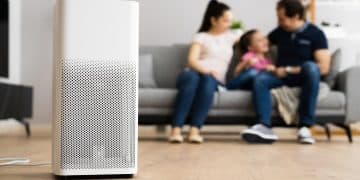
A standalone air purifier can significantly improve air quality in a specific room by filtering particulates and odors. However, for whole-house peak indoor air quality, it’s best combined with a high-efficiency HVAC filter and a proper ventilation system for comprehensive pollutant removal and fresh air supply.
Conclusion
Achieving and maintaining peak indoor air quality in your US home is a multifaceted endeavor, but one that yields substantial benefits for health, comfort, and overall well-being. By strategically implementing advanced filtration, ensuring effective ventilation, and utilizing targeted air purification systems, homeowners can create an environment where the air is consistently clean, fresh, and free from harmful pollutants. This integrated approach, combined with diligent maintenance and smart everyday habits, empowers you to take control of your indoor environment, transforming your home into a sanctuary of health and vitality.