Improve Air Quality: 5 Top Air Purifiers for Your Home 2026
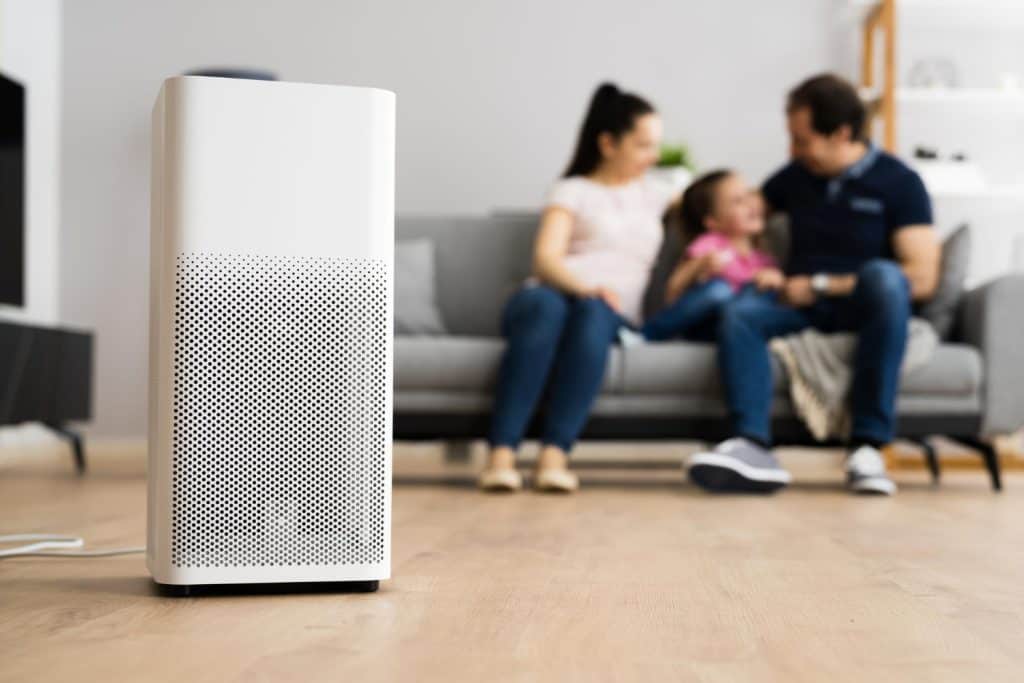
Improving your home’s air quality is crucial for health, and this guide highlights the top 5 air purifiers for 2026, offering advanced filtration and smart features for a healthier living environment.
Are you ready to truly start breathing easier in your own home? In an era where indoor air quality is increasingly recognized as a cornerstone of overall health, understanding how to effectively address airborne pollutants is paramount. This guide will explore how to improve air quality within your living spaces, focusing on the five best air purifiers set to dominate the market in 2026, ensuring your home remains a sanctuary of clean, fresh air.
The Silent Threat: Why Indoor Air Quality Matters More Than Ever
Our homes, often seen as safe havens, can paradoxically harbor a complex mix of pollutants that significantly impact our health and well-being. From pet dander and dust mites to volatile organic compounds (VOCs) and mold spores, the air we breathe indoors can be two to five times more polluted than outdoor air. Recognizing this silent threat is the first step toward creating a healthier living environment for ourselves and our families.
Understanding the common sources of indoor air pollution is critical for effective mitigation. Many everyday activities and household items contribute to the problem, often without our immediate awareness. Addressing these sources directly can significantly reduce the burden on your respiratory system.
Common Indoor Air Pollutants and Their Impact
Several culprits contribute to poor indoor air quality, each posing unique health risks. Identifying these helps in choosing the right solutions.
- Dust Mites and Pet Dander: Microscopic allergens that can trigger asthma and allergy symptoms.
- Pollen: Enters from outside, especially during allergy seasons, causing respiratory irritation.
- Mold Spores: Thrives in damp environments, leading to respiratory issues and allergic reactions.
- VOCs: Emitted from paints, cleaning products, and furniture, contributing to headaches and dizziness.
- Smoke and Odors: From cooking, fireplaces, or tobacco, these can irritate lungs and leave lingering smells.
The cumulative effect of these pollutants can range from minor irritations like sneezing and coughing to more severe conditions such as asthma exacerbation, chronic bronchitis, and even long-term cardiovascular issues. Children, the elderly, and individuals with pre-existing respiratory conditions are particularly vulnerable. Therefore, proactive measures to improve air quality are not just a luxury, but a necessity for overall health and comfort.
How Air Purifiers Work: A Deep Dive into Filtration Technology
Air purifiers are designed to remove contaminants from the air, but not all purifiers are created equal. Their effectiveness largely depends on the type and quality of their filtration systems. Understanding the science behind these devices can help you make an informed decision when selecting the best unit for your home.
Most modern air purifiers employ a multi-stage filtration process, combining different filter types to tackle a broad spectrum of airborne particles and gases. This layered approach ensures comprehensive cleaning, addressing everything from microscopic allergens to unpleasant odors.
Key Filtration Technologies Explained
The heart of any air purifier lies in its filters. Here’s a breakdown of the most common and effective types:
- HEPA Filters: High-Efficiency Particulate Air filters are the gold standard, capable of capturing 99.97% of airborne particles 0.3 microns in size. This includes dust, pollen, pet dander, mold spores, and even some bacteria and viruses. Their dense fiber construction physically traps these particles.
- Activated Carbon Filters: These filters are essential for removing gases, odors, and volatile organic compounds (VOCs). The activated carbon’s porous structure absorbs these contaminants through a process called adsorption, neutralizing smells from cooking, pets, and chemicals.
- Pre-filters: Often the first line of defense, pre-filters capture larger particles like hair and lint, extending the life of the more delicate HEPA and activated carbon filters. They are typically washable and reusable.
Beyond these primary filters, some advanced air purifiers incorporate additional technologies like UV-C light to kill bacteria and viruses, or ionizers that charge particles to make them easier to capture. While these can offer supplementary benefits, the core effectiveness still largely relies on robust HEPA and activated carbon filtration. The synergy of these technologies ensures that air purifiers can effectively cleanse the air, significantly contributing to a healthier indoor environment.
Top 5 Air Purifiers to Improve Air Quality in 2026
As we look towards 2026, advancements in air purification technology continue to deliver more efficient, smarter, and more user-friendly devices. Our selection of the top five air purifiers focuses on a balance of filtration efficacy, coverage area, smart features, and overall value. These models represent the pinnacle of indoor air quality improvement.
Each of these purifiers has been chosen for its proven ability to tackle a wide range of indoor pollutants, making them ideal for various home environments and specific needs. Whether you’re battling allergies, pet odors, or general household dust, there’s a solution here for you.
1. The Smart Home Integration Champion: Dyson Purifier Hot+Cool Formaldehyde
Dyson continues to innovate, and their 2026 model, the Purifier Hot+Cool Formaldehyde, is no exception. This device goes beyond simple filtration, offering comprehensive air treatment. It not only captures ultrafine particles but also continuously detects and destroys formaldehyde, a common VOC found in many household products. Its ability to heat and cool the room adds year-round utility, while smart home integration allows for seamless control and monitoring via an app or voice commands. Its sleek design also ensures it blends effortlessly into any modern decor.
2. Best for Large Spaces: Coway Airmega 400S
The Coway Airmega 400S remains a perennial favorite for its powerful performance in large open-plan areas. Covering up to 1,560 square feet, this unit employs a dual-filter system with a True HEPA filter and an activated carbon filter to effectively remove 99.97% of particles and odors. Its smart features include an air quality indicator that changes color based on the room’s air quality, and an auto mode that adjusts fan speed accordingly. The Airmega 400S is a workhorse, ideal for those seeking robust filtration for extensive living spaces.
3. The Allergy & Asthma Specialist: Blueair HealthProtect 7770i
For individuals with severe allergies or asthma, the Blueair HealthProtect 7770i is a standout. It combines Blueair’s proprietary HEPASilent Ultra™ technology, which uses electrostatic and mechanical filtration to capture 99.97% of airborne particles down to 0.1 microns, with GermShield™ technology that proactively monitors and kills viruses and bacteria. This advanced protection ensures a consistently clean and healthy environment, even when the purifier is on standby. Its quiet operation is an added bonus for sensitive individuals.
4. Budget-Friendly Performance: Levoit Core 300S
Proving that effective air purification doesn’t have to break the bank, the Levoit Core 300S offers exceptional value. This compact yet powerful purifier is perfect for smaller rooms (up to 219 sq ft) and utilizes a 3-stage filtration system: pre-filter, True HEPA, and activated carbon. It effectively removes allergens, pet dander, smoke, and odors. With smart control via the VeSync app, quiet operation, and a sleek design, the Core 300S is an excellent choice for those seeking reliable performance on a budget.
5. Portable & Personal: Molekule Air Mini+
For personal spaces or smaller rooms (up to 250 sq ft), the Molekule Air Mini+ provides advanced air purification in a compact, portable design. Unlike traditional HEPA filters, Molekule uses Photo Electrochemical Oxidation (PECO) technology to destroy pollutants at a molecular level, including viruses, bacteria, and VOCs, rather than just trapping them. While filter replacement costs can be higher, its unique technology offers a different approach to air purification, making it ideal for bedrooms, offices, or travel.
These five air purifiers represent the leading edge of technology for 2026. Each offers unique strengths tailored to different needs and budgets, ensuring that everyone can find a suitable option to significantly improve air quality in their home.
Factors to Consider When Choosing Your Air Purifier
Selecting the right air purifier involves more than just picking a popular brand. Several critical factors should influence your decision to ensure the device effectively meets your specific needs and provides optimal air quality improvement for your home. A thoughtful evaluation of these aspects will lead to a more satisfactory purchase.
Understanding the nuances of air purifier specifications and features can seem daunting, but breaking it down into key considerations simplifies the process. Prioritizing what matters most for your household will guide you to the best choice.
Essential Selection Criteria
Consider these points carefully before making your final decision:
- Room Size and CADR: The Clean Air Delivery Rate (CADR) indicates how quickly the purifier cleans a room. Match the CADR to your room’s square footage for optimal performance. A higher CADR means faster cleaning.
- Filter Type and Lifespan: Prioritize True HEPA and activated carbon filters. Research filter replacement costs and frequency, as these can add significantly to long-term ownership.
- Noise Level: Measured in decibels (dB), a lower number means quieter operation. This is especially important for bedrooms or quiet living areas.
- Smart Features: Look for features like Wi-Fi connectivity, app control, air quality sensors, auto mode, and scheduling capabilities for enhanced convenience and efficiency.
- Energy Efficiency: Energy Star certified models consume less electricity, saving you money on utility bills while being environmentally friendly.
- Cost and Maintenance: Beyond the initial purchase price, factor in the recurring cost of filter replacements and potential energy consumption.
By carefully weighing these factors, you can choose an air purifier that not only effectively cleans your air but also fits seamlessly into your lifestyle and budget. The goal is to invest in a device that provides consistent, reliable performance to truly improve air quality in your home.
Maximizing Air Purifier Effectiveness: Tips for Optimal Use
Simply owning an air purifier is only half the battle; maximizing its effectiveness requires strategic placement, regular maintenance, and complementary habits. To truly improve air quality, consider these tips that will ensure your device operates at its peak performance and provides the cleanest air possible for your home.
Integrating your air purifier into a holistic approach to indoor air quality management will yield the best results. A combination of good practice and proper device usage creates a powerful defense against pollutants.
Best Practices for Air Purifier Owners
Follow these guidelines to get the most out of your air purification system:
- Strategic Placement: Position your air purifier in the room where you spend the most time, typically the bedroom or living room. Ensure it has clear space around it for unobstructed airflow, away from walls or furniture.
- Close Doors and Windows: To prevent outdoor pollutants from re-entering, keep doors and windows closed while the purifier is operating, especially in the room where it’s located.
- Regular Filter Maintenance: Adhere to the manufacturer’s recommended schedule for cleaning or replacing filters. Clogged filters reduce efficiency and can even re-release trapped pollutants.
- Run Continuously or on Auto Mode: For consistent air quality, run your purifier continuously on a low setting or utilize an auto mode if available. This allows the device to constantly monitor and react to changes in air quality.
- Combine with Other Air Quality Habits: Supplement your air purifier with regular cleaning, vacuuming with a HEPA-filtered vacuum, proper ventilation, and humidity control to prevent mold growth.
By implementing these strategies, you can significantly enhance the impact of your air purifier, transforming your home into a haven of fresh, clean air. Consistent effort in these areas will ensure you consistently improve air quality and enjoy the full health benefits of your investment.
Beyond the Purifier: Holistic Approaches to Indoor Air Quality
While air purifiers are powerful tools, achieving truly superior indoor air quality involves a more comprehensive approach. Complementing your air purifier with other healthy habits and environmental adjustments can significantly reduce the overall pollutant load and create a more naturally healthy living space. Thinking holistically about your home environment is key to long-term success in maintaining fresh air.
Many everyday actions contribute to or mitigate indoor air pollution. By being mindful of these, you can reduce the reliance on mechanical filtration and foster a healthier atmosphere from the ground up. Small changes can lead to significant improvements over time.
Additional Strategies for a Healthier Home Environment
Consider these practices to further enhance your indoor air quality:
- Regular Cleaning and Dusting: Frequently clean surfaces with a damp cloth to capture dust and allergens, rather than spreading them. Use a HEPA-filtered vacuum cleaner to effectively remove particles from carpets and upholstery.
- Ventilation: Periodically open windows and doors, especially when cooking or using cleaning products, to introduce fresh outdoor air and dilute indoor pollutants. Consider installing exhaust fans in bathrooms and kitchens.
- Control Humidity: Maintain indoor humidity levels between 30% and 50% to inhibit mold growth and dust mite populations. Use dehumidifiers in damp areas and ensure proper ventilation.
- Choose Low-VOC Products: Opt for paints, cleaning supplies, and furniture that are labeled as low-VOC (volatile organic compounds) to reduce chemical emissions into your home.
- Maintain HVAC Systems: Regularly change HVAC filters (every 1-3 months) and have your ducts professionally cleaned every few years to prevent the recirculation of dust and allergens.
- Introduce Houseplants: Certain houseplants, such as peace lilies and snake plants, can naturally filter some airborne toxins, though their impact is generally modest compared to mechanical purifiers.
By adopting these holistic strategies alongside your air purifier, you create a multi-layered defense against indoor air pollution. This integrated approach not only helps to improve air quality but also contributes to a more sustainable and naturally healthy home environment, promoting overall well-being for everyone living there.
| Key Aspect | Brief Description |
|---|---|
| Indoor Air Pollution | Homes often harbor more pollutants than outdoor air, affecting health from allergens to VOCs. |
| Air Purifier Tech | HEPA filters capture particles, activated carbon removes odors/gases; multi-stage filtration is key. |
| Top 2026 Purifiers | Dyson, Coway, Blueair, Levoit, and Molekule offer diverse solutions for various needs and spaces. |
| Holistic Approach | Combine purifiers with regular cleaning, ventilation, humidity control, and low-VOC products for best results. |
Frequently asked questions about air purifiers
Filter replacement frequency varies by model and usage. Generally, HEPA filters should be replaced every 6-12 months, and activated carbon filters every 3-6 months. Always check your specific model’s manual for precise recommendations to ensure optimal performance and air quality.
Yes, air purifiers with True HEPA filters are highly effective at capturing pet dander, a common allergen. Running a purifier continuously in areas where pets frequent can significantly reduce airborne allergens and alleviate allergy symptoms for sensitive individuals.
CADR stands for Clean Air Delivery Rate and measures how quickly an air purifier removes pollutants from a room. It’s important because it helps you choose a purifier appropriately sized for your room, ensuring efficient and effective air cleaning for optimal air quality improvement.
Air purifiers equipped with activated carbon filters are specifically designed to absorb gases, odors, and Volatile Organic Compounds (VOCs) from the air. While HEPA filters tackle particles, carbon filters are crucial for neutralizing smells from cooking, pets, smoke, and chemicals.
Yes, it is generally safe and often recommended to run an air purifier continuously, especially if you have allergies, pets, or live in an area with poor air quality. Most modern purifiers are designed for continuous operation and are energy-efficient.
Conclusion
As we navigate the complexities of modern living, the importance of clean indoor air cannot be overstated. Investing in a quality air purifier is a proactive step towards safeguarding your health and enhancing your overall well-being. The top 5 air purifiers for 2026, including models from Dyson, Coway, Blueair, Levoit, and Molekule, offer advanced solutions tailored to diverse needs, ensuring you can effectively improve air quality in any home environment. By combining these innovative devices with consistent maintenance and holistic air quality practices, you can transform your living space into a haven of fresh, healthy air, allowing you and your loved ones to breathe easier and live better.