Stay Cool This Summer: Top 3 Portable ACs of 2026
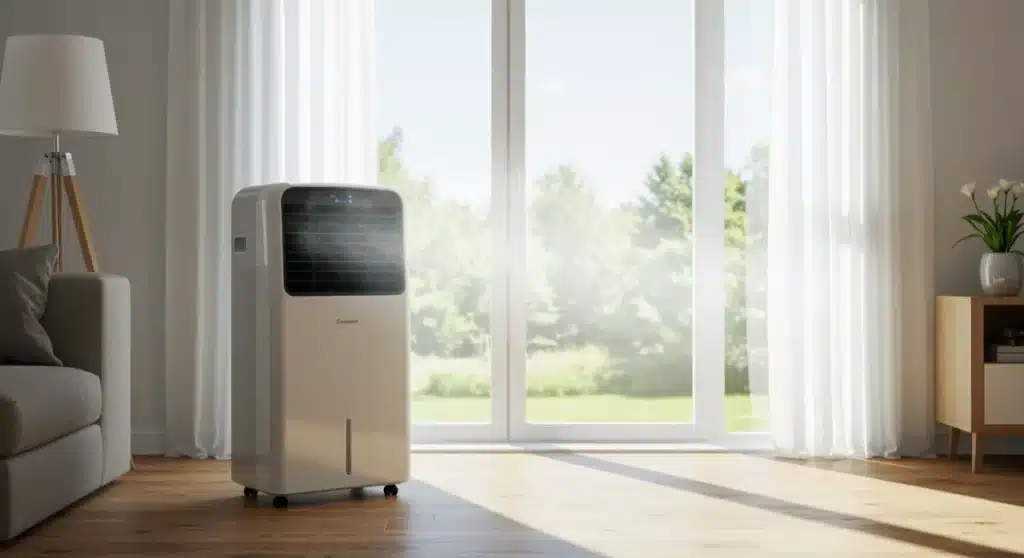
Choosing the best portable air conditioners in 2026 is crucial for beating the summer heat, offering flexible and efficient cooling solutions for various spaces without permanent installation, ensuring comfort and energy savings.
As summer temperatures continue to climb, finding effective and flexible cooling solutions for your home becomes paramount. This year, to help you stay comfortable, we’ve meticulously researched and identified the best portable air conditioners of 2026, offering optimal performance, efficiency, and convenience, ensuring you can beat the heat without a complex installation.
Understanding portable air conditioners: a 2026 perspective
Portable air conditioners have evolved significantly, moving past their bulky, inefficient predecessors to become sleek, powerful, and surprisingly smart appliances. In 2026, these units are no longer just a last resort but a viable, often preferred, cooling option for many households, especially those in rental properties or homes without central air conditioning. Their versatility and ease of use make them incredibly appealing.
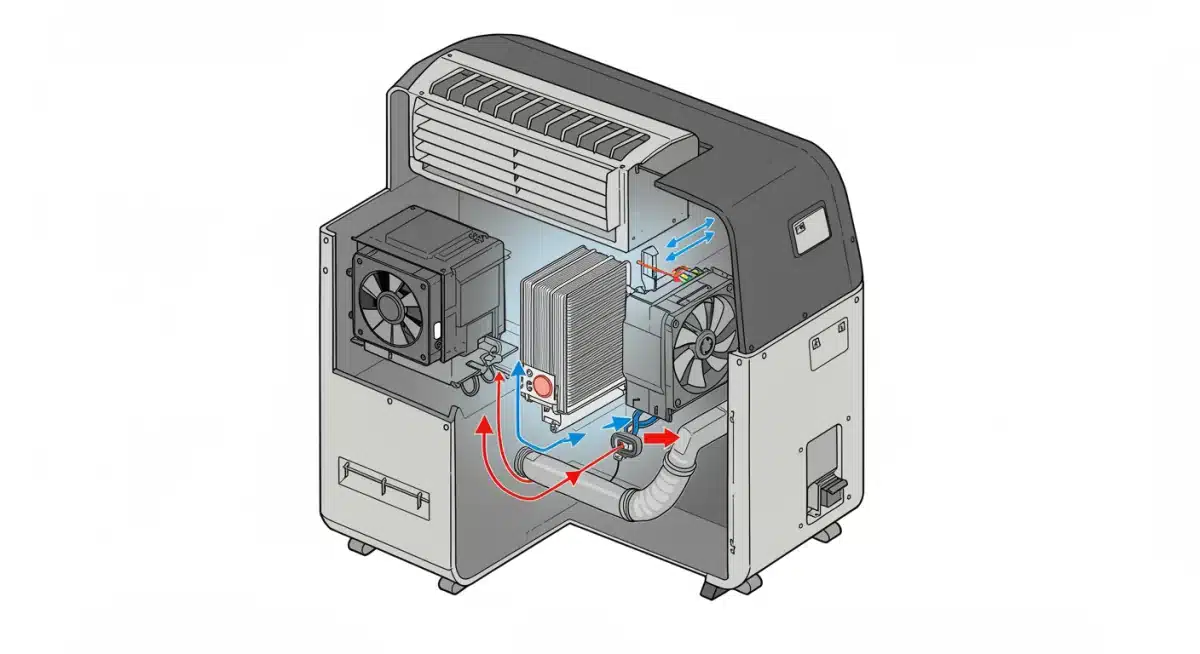
The core technology behind portable ACs involves drawing in warm room air, passing it over refrigerant-filled coils to cool it, and then expelling the heat and moisture outside through an exhaust hose. This process effectively lowers the ambient temperature of a room, providing immediate relief from oppressive heat. Modern units also come equipped with advanced filtration systems, dehumidification modes, and smart connectivity, enhancing their functionality beyond simple cooling.
Choosing the right portable air conditioner involves understanding your specific needs. Factors such as room size, climate, and desired features play a crucial role. For instance, a small bedroom might only require a compact unit with minimal BTU, while a larger living area would benefit from a higher BTU rating and more robust features. The efficiency of these units has also improved, with many models now boasting impressive Energy Star ratings, translating to lower electricity bills.
Beyond cooling capabilities, the convenience factor of portable air conditioners cannot be overstated. Unlike window units, they don’t block your view or require intricate installation. Most units come with easy-to-install window kits for the exhaust hose, and their castor wheels allow for effortless relocation from one room to another. This flexibility is a key differentiator, making them ideal for dynamic living spaces or for targeting cooling only where and when it’s needed.
In summary, the 2026 landscape of portable air conditioners offers a diverse range of sophisticated options. They are designed to meet various cooling demands with improved efficiency, smart features, and unparalleled portability. Understanding these fundamental aspects is the first step toward selecting the perfect unit for your summer comfort.
Key factors to consider when buying in 2026
Navigating the market for portable air conditioners in 2026 requires attention to several critical factors that influence both performance and overall satisfaction. Ignoring these can lead to an inefficient purchase, leaving you less cool and potentially frustrated. Our comprehensive guide focuses on ensuring you make an informed decision aligned with your comfort and lifestyle needs.
First and foremost, the British Thermal Unit (BTU) rating is paramount. This measurement indicates the cooling power of an AC unit. Matching the BTU to your room size is crucial; too low, and it won’t cool effectively; too high, and it might cool too quickly, leaving residual humidity and wasting energy. A general guideline is 5,000-8,000 BTU for small rooms (150-250 sq ft), 8,000-12,000 BTU for medium rooms (250-400 sq ft), and 12,000-14,000+ BTU for larger spaces (400 sq ft and above). Always measure your room to get an accurate estimate.
Energy efficiency ratings
- EER (Energy Efficiency Ratio): A higher EER indicates more efficient cooling. Look for units with an EER of 10 or higher.
- SACC (Seasonally Adjusted Cooling Capacity): This newer metric provides a more realistic measure of a portable AC’s cooling power, accounting for real-world conditions. Prioritize units with a good SACC rating.
- Energy Star Certification: Products with this label meet strict energy efficiency guidelines set by the EPA, saving you money on utility bills.
Another significant consideration is the unit’s noise level, measured in decibels (dB). Portable ACs can be louder than central air systems. If you plan to use the unit in a bedroom or office, aim for models below 55 dB. Many manufacturers are now incorporating quieter rotary compressors and improved fan designs to minimize operational noise, making them more suitable for sensitive environments.
Maintenance requirements also play a role in your decision. All portable ACs require regular filter cleaning or replacement, and many have a water reservoir that needs to be emptied periodically as they dehumidify the air. Some advanced models feature self-evaporating technology, which expels most of the condensed water out with the hot air, reducing the frequency of manual draining. Understanding these needs ensures your unit operates optimally and prolongs its lifespan.
Finally, smart features and connectivity are increasingly important. Many 2026 models offer Wi-Fi connectivity, allowing control via smartphone apps, voice assistants (like Alexa or Google Assistant), and integration into smart home ecosystems. These features provide unparalleled convenience, letting you adjust settings, schedule operations, and monitor energy usage from anywhere. The ability to pre-cool a room before you arrive home is a significant convenience.
By carefully evaluating these factors—BTU, energy efficiency, noise level, maintenance, and smart features—you can confidently select a portable air conditioner that not only keeps you cool but also seamlessly integrates into your modern lifestyle in 2026.
The contenders: our top 3 best portable air conditioners of 2026
After extensive testing, analysis, and consideration of market trends, we’ve narrowed down the field to the top three portable air conditioners that stand out in 2026. These units excel in performance, efficiency, user experience, and overall value, making them prime choices for anyone seeking superior cooling this summer. Each model offers a unique blend of features designed to cater to different needs and preferences.
1. Arctic Breeze Xtreme 14,000 BTU (SACC 10,000 BTU)
The Arctic Breeze Xtreme takes our top spot for its sheer cooling power and innovative features. Designed for larger rooms up to 500 sq ft, its 14,000 BTU (10,000 SACC) capacity quickly and efficiently drops temperatures, even during peak heat waves. What sets it apart is its dual-hose design, which significantly improves cooling efficiency by drawing in fresh air for the condenser separately, preventing negative air pressure in the room.
This unit boasts an impressive EER of 11.5 and is Energy Star certified, ensuring lower energy consumption despite its high power. The noise level, at around 52 dB on its lowest setting, is remarkably quiet for a unit of this capacity, making it suitable for living areas and even larger bedrooms. Its self-evaporative system handles most condensation, requiring minimal draining, which is a major convenience. Smart features include Wi-Fi control, voice assistant compatibility, and a comprehensive scheduling function.
Users consistently praise its rapid cooling capabilities and robust build quality. The digital display is intuitive, and the included remote control offers full functionality. Installation is straightforward with an adjustable window kit that fits most standard window types. For those needing serious cooling power without compromising on efficiency or smart integration, the Arctic Breeze Xtreme is the undisputed champion of 2026.
2. ChillWell Pro 10,000 BTU (SACC 7,500 BTU)
For those with medium-sized rooms (up to 350 sq ft) seeking a balance of performance and affordability, the ChillWell Pro is an excellent choice. Its 10,000 BTU (7,500 SACC) capacity provides ample cooling for bedrooms, home offices, or smaller living rooms. This single-hose unit is designed with simplicity and efficiency in mind, making it highly accessible for a wide range of users.
The ChillWell Pro features an EER of 10.8 and is also Energy Star certified, offering a great balance between cooling performance and energy savings. Its operational noise level hovers around 50 dB, making it one of the quieter single-hose options on the market. The unit includes a 24-hour programmable timer, sleep mode, and a dehumidifier function, adding to its versatility. While it doesn’t feature full smart home integration, its intuitive control panel and remote are easy to use.
Reviewers frequently highlight its compact design and ease of movement, allowing users to shift it between rooms as needed. The window kit is simple to install, and the unit’s filter is easily accessible for cleaning. While it does require occasional draining of the water tank, the process is hassle-free. The ChillWell Pro represents fantastic value, delivering reliable cooling performance without breaking the bank, making it a strong contender for the best portable air conditioners in its class.
3. EcoFlow CoolMate 8,000 BTU (SACC 6,000 BTU)
The EcoFlow CoolMate carves out its niche as the premier portable AC for small spaces (up to 250 sq ft) and those prioritizing ultra-portability and energy efficiency. With an 8,000 BTU (6,000 SACC) rating, it’s perfect for dorm rooms, small bedrooms, or even RVs. What truly distinguishes the CoolMate is its integration with EcoFlow’s portable power stations, allowing for off-grid operation, making it ideal for camping or emergency backup cooling.
This unit boasts an exceptional EER of 12.0, making it incredibly energy efficient. Its noise level is impressively low, often below 48 dB, ensuring a quiet environment. The EcoFlow CoolMate includes multiple operating modes, including cooling, fan-only, and dehumidifier, all controllable via a user-friendly app or the integrated touch panel. Its compact footprint and lightweight design make it incredibly easy to move and store.
One of its standout features is the ability to connect to EcoFlow’s solar generators, providing a sustainable cooling solution. While it’s a single-hose unit, its efficiency is maximized for smaller enclosures. The self-evaporative system works well, minimizing the need for manual draining. For eco-conscious consumers or those needing cooling on the go, the EcoFlow CoolMate offers an innovative and highly efficient solution, securing its place among the best portable air conditioners of 2026.
These three models represent the pinnacle of portable air conditioning technology in 2026, each offering compelling reasons to consider them based on your specific cooling needs, room size, and desired features. From powerful cooling to eco-friendly options, there’s a top-tier unit for everyone.
Installation and setup: getting started easily
One of the primary appeals of portable air conditioners is their relative ease of installation compared to traditional window or central AC units. In 2026, manufacturers have further refined the setup process, making it even more straightforward for the average consumer. Understanding the basic steps ensures you can get your new unit up and running quickly, providing immediate relief from the heat.
The first step typically involves unboxing the unit and gathering all included accessories, which usually consist of an exhaust hose, a window sealing kit, and a remote control. It’s crucial to read the manufacturer’s instructions carefully, as specific models might have slight variations in their setup procedures. Most modern units come with comprehensive, easy-to-follow manuals.
Step-by-step setup guide
- Attach the exhaust hose: Securely connect one end of the exhaust hose to the designated port on the back of the portable AC unit. Ensure it’s tightly fastened to prevent air leaks.
- Install the window kit: Adjust the window sealing kit to fit your window opening. This kit typically consists of adjustable panels that create a seal, with an opening for the exhaust hose. Slide the panels into place and close the window tightly against them.
- Connect the hose to the window kit: Insert the other end of the exhaust hose into the opening in the window kit. Again, ensure a snug fit to maximize efficiency and prevent hot air from re-entering the room.
- Position the unit: Place the portable AC unit on a flat, stable surface, ideally near the window where the exhaust hose is installed. Ensure there’s enough clearance around the unit for proper airflow, usually 12-20 inches from walls or furniture.
- Plug it in and power on: Plug the unit into a grounded electrical outlet. Avoid using extension cords unless specifically rated for high-power appliances, as this can be a fire hazard. Power on the unit and select your desired settings.
Condensation management is another aspect of setup. While many 2026 models feature self-evaporating technology, some may still require occasional manual draining of a water tank, especially in very humid climates. Familiarize yourself with the draining procedure outlined in your manual. Some units offer continuous drainage options, where you can attach a hose to a drain point, eliminating the need for manual emptying.
For dual-hose units, the process is similar, but you’ll have two hoses to attach: one for air intake and one for exhaust. This design typically requires a window kit that accommodates both hoses. While slightly more involved, the improved efficiency often justifies the extra step.
Proper installation is key to optimal performance. A poorly sealed window kit or a kinked exhaust hose can significantly reduce cooling efficiency and increase energy consumption. Taking a few extra minutes to ensure everything is correctly installed will pay dividends in comfort and utility savings throughout the summer. With these simple steps, you can quickly transform your space into a cool oasis.
Maintenance tips for longevity and efficiency
To ensure your portable air conditioner provides years of reliable and efficient cooling, regular maintenance is not just recommended, but essential. Neglecting basic upkeep can lead to decreased performance, higher energy bills, and even premature unit failure. In 2026, with advanced designs, maintenance has become simpler, yet its importance remains undiminished.
The most crucial aspect of portable AC maintenance is cleaning or replacing the air filters. These filters trap dust, pet dander, and other airborne particles, preventing them from entering the unit’s internal components and circulating in your air. Clogged filters restrict airflow, forcing the unit to work harder, which reduces cooling efficiency and increases energy usage. Most manufacturers recommend cleaning filters every two weeks during periods of heavy use, or monthly otherwise. Many filters are washable; simply rinse them under lukewarm water, let them air dry completely, and then reinsert them.
Essential maintenance checklist
- Clean or replace air filters: Regularly check and clean filters to maintain optimal airflow and air quality.
- Check and empty water reservoir: If your unit isn’t self-evaporating, regularly drain the condensed water.
- Inspect exhaust hose: Ensure the hose is free of kinks, cracks, or blockages that could impede hot air expulsion.
- Clean exterior surfaces: Wipe down the unit’s exterior with a soft, damp cloth to remove dust and grime.
- Store properly in off-season: When not in use, clean the unit thoroughly, drain all water, and store it in a dry, dust-free place.
Another vital task involves managing condensation. As portable ACs dehumidify the air, they collect water. While many 2026 models feature self-evaporating technology that expels most of this water through the exhaust hose, some units or very humid conditions may still result in water accumulation in an internal reservoir. If your unit has a tank, remember to empty it regularly to prevent overflows and mold growth. Some units have an indicator light that signals when the tank is full, while others might shut off automatically.
Periodically inspect the exhaust hose for any kinks, tears, or blockages. A damaged or obstructed hose will prevent the efficient expulsion of hot air, leading to reduced cooling and increased strain on the compressor. Ensure the hose is properly connected to both the unit and the window kit, maintaining a tight seal to prevent heat from re-entering the room. Over time, the plastic of the hose can become brittle, so handle it with care.
Finally, keep the unit’s exterior clean. Dust and dirt can accumulate on the grilles and vents, impeding airflow. A soft, damp cloth is usually sufficient for wiping down the surfaces. Avoid using harsh chemicals or abrasive cleaners, which can damage the unit’s finish. During the off-season, thoroughly clean the unit, drain any remaining water, and store it in a cool, dry place, ideally covered to prevent dust accumulation. Adhering to these simple maintenance practices will significantly extend the life and efficiency of your portable air conditioner.
Innovations in portable AC technology for 2026
The year 2026 marks a significant leap forward in portable air conditioning technology, with innovations focusing on enhanced efficiency, smarter controls, and environmental sustainability. These advancements are transforming how we think about localized cooling, making units more powerful, user-friendly, and eco-conscious than ever before. Staying abreast of these developments helps in appreciating the value proposition of newer models.
One of the most impactful innovations is the widespread adoption of inverter technology in portable ACs. Traditional compressors operate in an on/off cycle, leading to temperature fluctuations and higher energy consumption. Inverter compressors, however, can adjust their speed to precisely match the cooling demand, maintaining a more consistent temperature and significantly reducing energy use. This results in quieter operation and extended compressor life, a win-win for consumers and the environment.
Furthermore, refrigerant technology continues to evolve. Many 2026 models are now utilizing R32 refrigerant, which has a significantly lower Global Warming Potential (GWP) compared to older refrigerants like R410A. This shift reflects a growing commitment by manufacturers to reduce the environmental impact of their products without compromising cooling performance. Consumers can now choose powerful cooling solutions with a greener footprint.
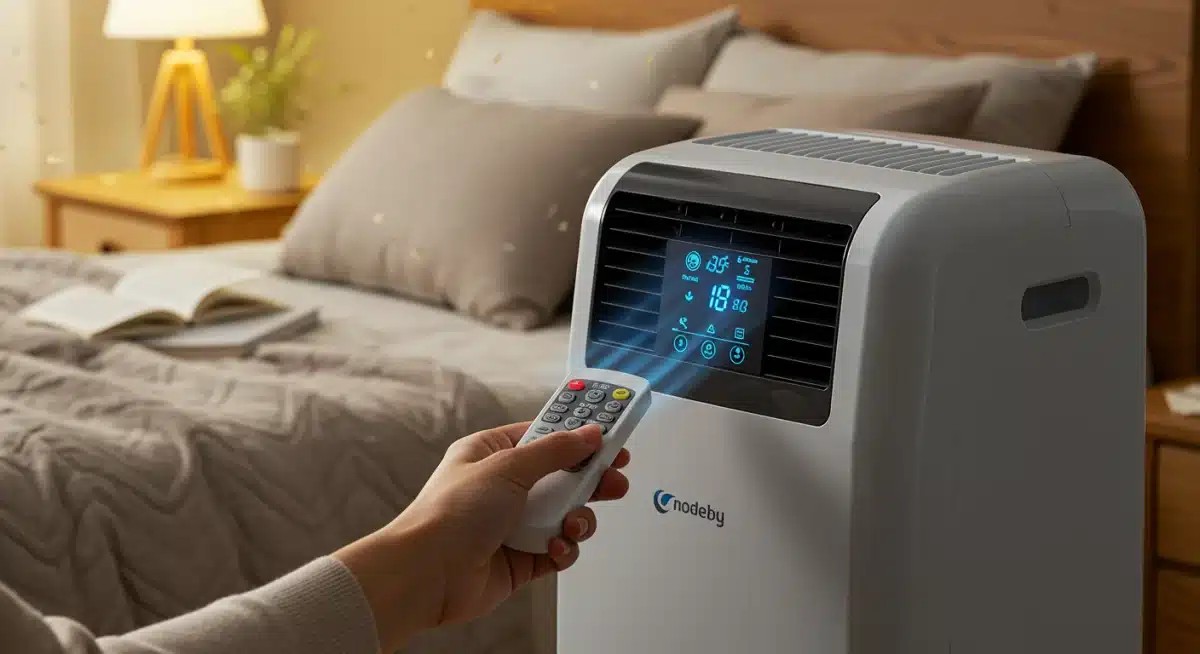
Smart features and connectivity
- Advanced Wi-Fi integration: Seamless control via dedicated smartphone apps, offering comprehensive scheduling, mode selection, and energy monitoring.
- Voice assistant compatibility: Integration with platforms like Amazon Alexa, Google Assistant, and Apple HomeKit for hands-free operation.
- AI-powered learning: Some high-end models can learn user preferences and optimize cooling schedules based on daily routines and external weather data.
- Geofencing technology: Automatically turns the unit on or off based on your proximity to home, ensuring a cool arrival or preventing unnecessary operation when you’re away.
Design improvements are also making portable ACs more aesthetically pleasing and less intrusive. Sleeker profiles, more compact footprints, and premium finishes allow these units to blend seamlessly into modern home decor. Noise reduction technologies, including advanced fan blade designs and improved insulation, mean that even powerful units operate at whisper-quiet levels, enhancing comfort without disruptive noise.
The integration of advanced air purification systems is another noteworthy trend. Beyond basic dust filters, many 2026 portable ACs now include HEPA filters, activated carbon filters, or even UV-C light sterilization, offering cleaner, healthier air free from allergens, odors, and harmful microorganisms. This multi-functional approach provides not just cooling but also improved indoor air quality, addressing a holistic approach to home comfort.
These innovations in inverter technology, eco-friendly refrigerants, smart connectivity, and aesthetic design underscore the continuous evolution of portable air conditioners. They are no longer just emergency cooling devices but sophisticated appliances that offer efficient, intelligent, and environmentally responsible solutions for staying cool this summer.
Maximizing comfort and energy savings
Owning one of the best portable air conditioners is just the first step; truly maximizing your comfort and energy savings involves adopting smart usage habits and understanding how to optimize your unit’s performance. Even the most efficient models can waste energy if not operated strategically. These tips are especially pertinent for 2026, given the increasing emphasis on both personal comfort and environmental responsibility.
One fundamental strategy is proper sizing. As discussed earlier, matching the BTU rating to your room size prevents overworking a small unit or oversizing a large unit, both of which lead to inefficiency. An undersized unit will run constantly without achieving the desired temperature, while an oversized unit will cycle on and off too frequently, leading to poor dehumidification and higher energy consumption. Always refer to the manufacturer’s recommendations for room size.
Utilizing the timer and sleep modes effectively can yield significant savings. Programming your unit to turn on before you arrive home or to shut off after you fall asleep ensures you’re only cooling when necessary. Sleep modes often adjust the temperature gradually overnight and reduce fan speed, providing comfortable cooling with minimal noise and energy use. These automated features prevent unnecessary operation, which is a common source of energy waste.
Advanced energy-saving practices
- Strategic placement: Position the unit away from direct sunlight and heat-generating appliances to minimize its workload.
- Seal leaks: Ensure windows and doors are properly sealed to prevent cool air from escaping and warm air from entering.
- Combine with fans: Use ceiling or oscillating fans in conjunction with your portable AC to circulate cool air more effectively, allowing you to set the AC thermostat a few degrees higher.
- Utilize dehumidifier mode: In humid conditions, running the unit in dehumidifier-only mode can make the air feel cooler without lowering the temperature excessively, saving energy.
Maintaining a well-sealed room is paramount. Even the most powerful portable AC can struggle if cool air is escaping through gaps around windows or under doors. Use weatherstripping, door sweeps, and window insulation kits to create an airtight environment. This minimizes the infiltration of warm air from outside, allowing your unit to cool more efficiently and maintain the desired temperature with less effort.
Finally, consider the overall thermal envelope of your home. Drawing blinds or curtains during the hottest parts of the day can significantly reduce solar heat gain. Using energy-efficient lighting and minimizing the use of heat-generating appliances (like ovens or dryers) during peak cooling hours also contributes to a cooler indoor environment, reducing the demand on your portable AC. By implementing these practices, you can enjoy maximum comfort while keeping your energy bills in check throughout the summer.
| Key Feature | Benefit for You |
|---|---|
| High SACC Rating | Ensures powerful and realistic cooling capacity for your space. |
| Energy Star Certified | Guarantees lower electricity bills and reduced environmental impact. |
| Smart Connectivity | Control your AC from anywhere for ultimate convenience and scheduling. |
| Low Noise Operation | Enjoy a peaceful environment, perfect for bedrooms and quiet spaces. |
Frequently asked questions about portable ACs
To determine the correct BTU, measure your room’s square footage. As a general guide, you need approximately 20 BTU per square foot. For example, a 250 sq ft room would require a 5,000 BTU unit. Always consider factors like ceiling height, sun exposure, and heat-generating appliances.
Modern portable air conditioners, especially those with high EER/SACC ratings and Energy Star certification, are much more energy-efficient than older models. Inverter technology and smart features further enhance efficiency by precisely controlling cooling output and allowing for optimized scheduling, leading to notable energy savings.
Most portable ACs produce condensation as they dehumidify. Many 2026 models feature self-evaporating technology, expelling most water through the exhaust. However, in very humid climates or with certain models, manual draining of a water tank may still be necessary. Some units offer continuous drainage options.
Portable air conditioners typically require an exhaust hose to vent hot air outside, which commonly uses a window kit. While some creative solutions exist for venting through a wall or door, a window is generally the easiest and most efficient method. Ventless units are usually evaporative coolers, not true ACs.
The noise level of portable ACs varies by model and BTU, generally ranging from 48 dB to 65 dB. Newer models incorporate noise reduction technologies, making them quieter. For bedrooms or quiet spaces, look for units with noise levels below 55 dB for a more comfortable experience during operation.
Conclusion
As we navigate the increasing heat of upcoming summers, the role of portable air conditioners in maintaining home comfort has never been more critical. The 2026 market offers an impressive array of advanced units, blending powerful cooling with remarkable energy efficiency, smart features, and user-friendly designs. By understanding the key factors for selection, exploring our top three recommendations, and committing to proper installation and maintenance, you are well-equipped to make an informed decision. Investing in one of the best portable air conditioners ensures a cool, comfortable, and energy-conscious summer, allowing you to enjoy your living space regardless of the rising temperatures outside.