Avoid These Common Mistakes: Home Decorating Errors to Fix Now
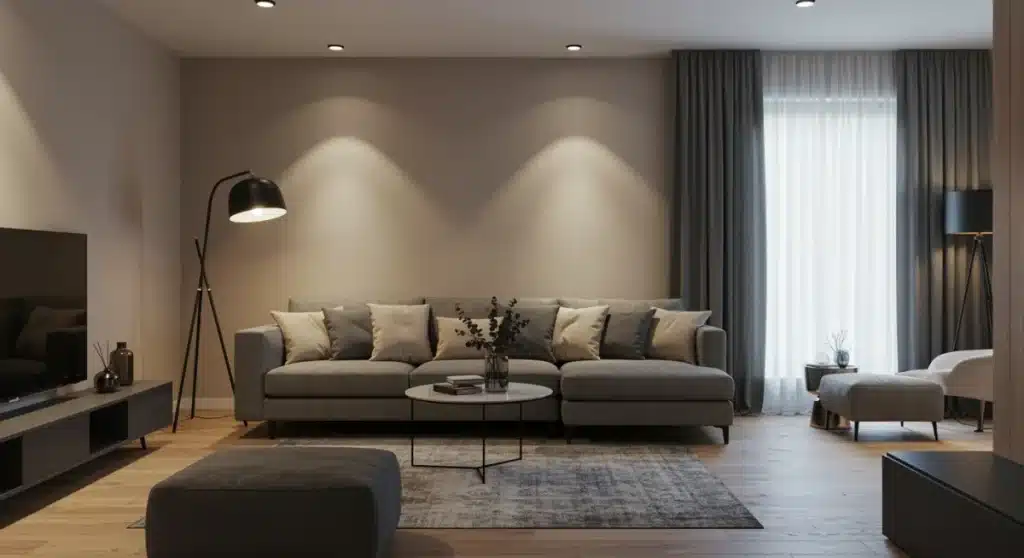
Many homeowners inadvertently make common home decorating errors that compromise both comfort and style. Understanding these pitfalls and how to correct them is essential for creating an aesthetically pleasing and functional living environment that genuinely reflects your personality and promotes well-being.
Are you wondering why your home doesn’t quite feel right, despite your best efforts? It’s common to make certain choices that inadvertently detract from both the comfort and aesthetic appeal of your living spaces. This article will help you identify and avoid these common mistakes: 3 home decorating errors that cost you comfort and style, transforming your home into the sanctuary you deserve.
Ignoring scale and proportion in furniture selection
One of the most prevalent home decorating errors homeowners make is selecting furniture that is either too large or too small for a given space. This oversight can drastically throw off the visual balance of a room, making it feel either cramped and overwhelming or sparse and uninviting. Understanding scale and proportion is fundamental to creating harmonious and functional interiors.
When furniture is disproportionate to the room, it creates a sense of unease. An oversized sofa in a small living room can block pathways and dominate the space, while a tiny rug in a large room can look lost and fail to define the seating area. The goal is to achieve a visual equilibrium where each piece of furniture contributes to the overall aesthetic without overpowering or being overshadowed by its surroundings.
Understanding room dimensions and furniture fit
Before purchasing any furniture, it is crucial to measure your space accurately. This includes not only the length and width of the room but also wall heights, window placements, and door clearances. Armed with these measurements, you can then assess whether a piece of furniture will fit physically and visually.
- Measure everything: Walls, windows, doors, and existing furniture.
- Map it out: Use painter’s tape on the floor to visualize furniture placement.
- Consider vertical space: Tall pieces can make a small room feel grander, but too many can overwhelm.
Thinking about the practical flow of traffic is also part of this. You should be able to move freely and comfortably around your furniture. If you find yourself constantly bumping into pieces or squeezing through tight spaces, it’s a clear sign that the scale is off.
The impact of mismatched scale on comfort and style
Beyond mere aesthetics, incorrect scale directly affects the comfort and usability of a room. A sofa that’s too deep for your stature won’t be comfortable for lounging, and a dining table that’s too wide for your dining area will make it difficult to pull out chairs. These seemingly minor details compound to create an uncomfortable living experience.
Stylistically, mismatched scale can make a room appear disjointed and unprofessional. A beautifully designed piece of furniture can lose its appeal if it looks out of place. Conversely, when scale and proportion are respected, the room feels cohesive and thoughtfully designed, enhancing both its visual appeal and its functional comfort. This careful consideration is what elevates a house into a home.
In conclusion, addressing scale and proportion is paramount for a successful home design. By taking careful measurements, visualizing layouts, and considering both aesthetic and practical implications, you can avoid this common decorating error and ensure your furniture choices enhance the comfort and style of your home.
Underestimating the power of lighting
Many homeowners overlook the critical role lighting plays in transforming a house into a home, often settling for a single overhead fixture or inadequate task lighting. This underestimation is a significant home decorating error that can leave rooms feeling cold, unwelcoming, or simply not functional. Effective lighting design goes beyond mere illumination; it shapes mood, highlights architectural features, and enhances the overall comfort and style of a space.
A well-lit room utilizes a layered approach, incorporating various types of lighting to serve different purposes. Without this thoughtful planning, rooms can suffer from harsh shadows, glares, or insufficient light for daily activities. The right lighting can make a small room feel larger, a dark room feel brighter, and a bland room feel more inviting. It’s an essential element that often makes or breaks a design.
Layering light for optimal ambiance and functionality
The most effective lighting schemes involve three main layers: ambient, task, and accent lighting. Each layer serves a distinct purpose and, when combined, creates a dynamic and adaptable environment. Relying on just one type of lighting is a common pitfall that limits a room’s potential.
- Ambient lighting: Provides overall illumination, often from ceiling fixtures or recessed lights.
- Task lighting: Focused light for specific activities, such as reading lamps or under-cabinet lights.
- Accent lighting: Highlights specific features like artwork or architectural details, adding depth and interest.
Consider installing dimmer switches for ambient and accent lighting. Dimmers offer flexibility, allowing you to adjust the intensity of light to suit different moods or times of day. This adaptability is key to creating a truly comfortable and stylish living space.
Choosing the right temperature and intensity
Beyond the type of fixture, the color temperature and intensity of your light bulbs are crucial. Warm light (lower Kelvin temperatures) creates a cozy, intimate atmosphere, ideal for living rooms and bedrooms. Cool light (higher Kelvin temperatures) is more energizing, making it suitable for kitchens, bathrooms, and home offices where focus is required.
Intensity, measured in lumens, should also be appropriate for the room’s function. A bright, high-lumen fixture might be perfect for a kitchen, but overwhelming in a bedroom. Experiment with different bulbs to find the perfect balance that enhances your decor and promotes well-being. The subtle nuances of light can dramatically alter how a room feels and functions, making it a powerful tool in your decorating arsenal.
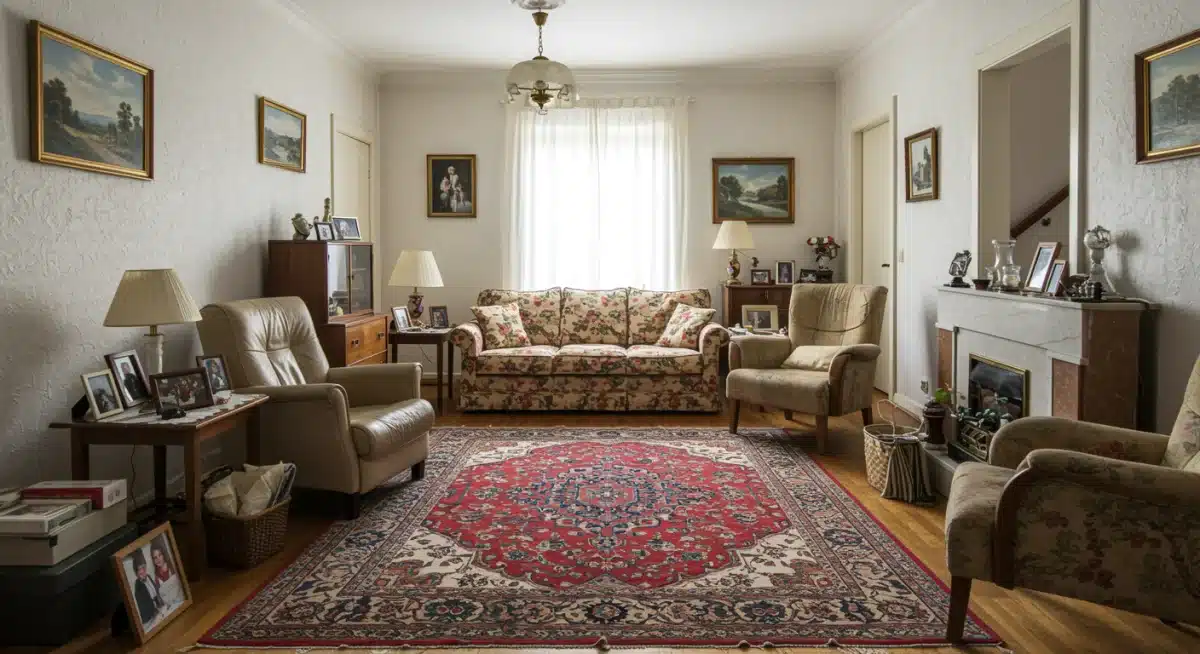
In summary, neglecting lighting is a critical error in home decorating. By thoughtfully layering different types of light and carefully selecting appropriate color temperatures and intensities, you can significantly enhance the comfort, functionality, and overall style of your home, transforming it into a space that truly shines.
Failing to define a clear style or purpose
Many homes suffer from a lack of cohesive design because homeowners fail to define a clear style or purpose for each room. This common home decorating error results in spaces that feel haphazard, unfocused, and ultimately, less comfortable and stylish than they could be. Without a guiding vision, rooms often become a collection of unrelated items rather than a curated environment.
Defining a clear style doesn’t mean rigidly adhering to one design trend, but rather understanding the overall aesthetic you want to achieve and how each element contributes to it. It also involves identifying the primary function of a room, which should inform every decorating decision. A room without a defined purpose struggles to serve its occupants effectively, leading to underutilized or uncomfortable spaces.
Developing a cohesive design vision
Before you even begin shopping for decor, take time to envision the aesthetic you desire for your home. This might involve creating a mood board, collecting images that inspire you, or simply jotting down keywords that describe your ideal environment. Do you prefer modern minimalism, rustic farmhouse, classic elegance, or something eclectic?
- Explore design styles: Research different aesthetics to find what resonates with you.
- Create a mood board: Gather images, colors, and textures that reflect your vision.
- Consider your lifestyle: Your home should reflect who you are and how you live.
Once you have a general idea, consider how this style can be subtly woven throughout your home, creating a sense of flow and continuity. This doesn’t mean every room has to be identical, but there should be a common thread that ties them together, whether it’s a consistent color palette, material choice, or design motif. This intentionality is what separates a truly designed space from a merely decorated one.
Aligning purpose with decor choices
Equally important is defining the primary purpose of each room. Is the living room mainly for entertaining, or is it a cozy family retreat? Is the dining room used daily or only for special occasions? The answer to these questions should heavily influence your furniture choices, layout, and decor.
For instance, a living room primarily used for family movie nights will benefit from comfortable, deep-seated sofas and soft lighting, whereas a formal entertaining space might feature more structured seating and statement lighting. When the decor aligns with the room’s function, it naturally enhances both comfort and style, making the space more enjoyable and practical for its intended use. This thoughtful approach ensures every item serves a purpose and contributes to the overall ambiance.
In conclusion, a lack of clear style or purpose is a significant decorating misstep. By developing a cohesive design vision and aligning your decor choices with each room’s function, you can avoid this error and create a home that is both beautiful and highly functional, reflecting your unique taste and enhancing your daily life.
Overlooking the importance of personal touch and functionality
Many homeowners, in their quest for a stylish home, inadvertently create spaces that feel impersonal or impractical. This common home decorating error stems from focusing too heavily on trends or showroom aesthetics without integrating personal elements or considering daily functionality. A truly comfortable and stylish home is one that reflects the personalities of its inhabitants and effortlessly supports their lifestyle, rather than looking like a page out of a catalog.
When a home lacks personal touches, it can feel sterile and unwelcoming. Similarly, if a space isn’t functional, it quickly becomes frustrating to live in. The balance between aesthetics and utility is delicate, and neglecting either side can significantly diminish the overall appeal and livability of your home. It’s about creating a space that looks good and works well for you.
Infusing personality into your decor
Your home should tell your story. Incorporating personal items, such as travel souvenirs, family photos, cherished heirlooms, or unique art pieces, instantly adds character and warmth. These elements make a house feel like a home, creating a sense of history and belonging that cannot be replicated by mass-produced decor.
- Display personal collections: Showcase items that hold sentimental value.
- Incorporate unique art: Choose pieces that resonate with your taste.
- Mix old and new: Combine vintage finds with contemporary pieces for a layered look.
Don’t be afraid to break away from conventional pairings or popular trends if they don’t genuinely reflect your taste. True style comes from confidence in your personal preferences. A home filled with meaningful objects creates an atmosphere that is both inviting and authentic, making it a true reflection of you.
Prioritizing functionality for everyday living
Beyond aesthetics, a home must be functional. This means considering how you and your family actually use each space and designing it to support those activities. For example, if you frequently entertain, ensure your living room layout facilitates easy conversation and provides adequate seating. If you work from home, a dedicated, organized workspace is paramount.
Functionality also extends to practical considerations like storage. Clutter can quickly detract from even the most stylish room, so incorporate smart storage solutions that keep everyday items organized and out of sight. Think about how furniture pieces can serve multiple purposes, such as an ottoman with hidden storage or a console table that doubles as a desk. A functional home reduces stress and enhances daily comfort, proving that beauty and practicality can, and should, coexist.
In conclusion, neglecting personal touch and functionality is a significant oversight in home decorating. By prioritizing items that tell your story and ensuring your spaces are designed for how you live, you can avoid this error and create a home that is both deeply personal, comfortable, and effortlessly stylish.
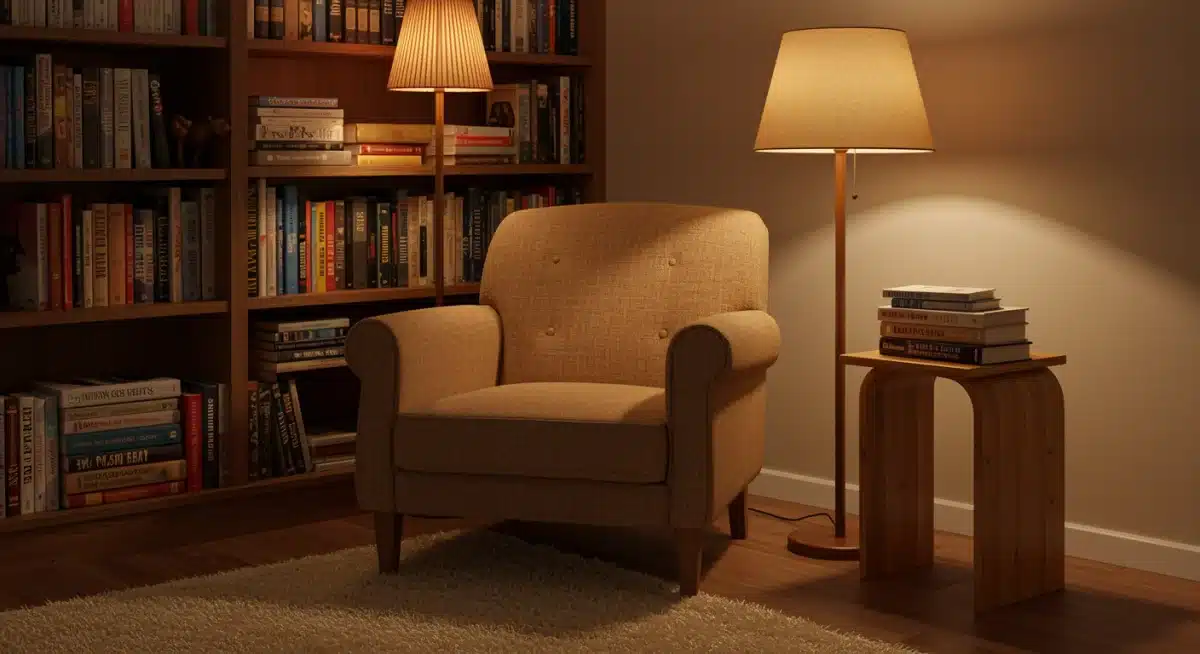
Over-decorating and creating visual clutter
In an effort to make a home feel cozy or complete, many individuals fall into the trap of over-decorating, resulting in visual clutter. This common home decorating error can transform a potentially stylish space into one that feels chaotic, overwhelming, and anything but comfortable. The belief that more is more often leads to rooms packed with too many accessories, furniture pieces, or conflicting patterns, ultimately detracting from any sense of harmony.
Visual clutter not only makes a room feel smaller and less inviting but can also contribute to mental fatigue. A cluttered environment makes it harder to relax and focus, diminishing the very comfort that good design aims to achieve. Learning to edit and curate your possessions is a crucial skill for creating a calm and aesthetically pleasing home.
The art of editing and curating your space
Effective decorating often involves a process of subtraction rather than addition. Once you’ve placed your main furniture pieces, take a step back and assess. Do you truly need every decorative item on display? Could some pieces be stored away or rotated seasonally? The goal is to create focal points and allow individual pieces to breathe, rather than having them compete for attention.
- Declutter regularly: Remove items that don’t serve a purpose or bring joy.
- Create vignettes: Group complementary objects to form cohesive displays.
- Embrace negative space: Allow empty areas on walls or surfaces to provide visual rest.
When curating, think about texture, color, and form. Choose a few meaningful or beautiful pieces that complement each other and your overall design scheme. This thoughtful selection process ensures that every item contributes positively to the room’s aesthetic and emotional impact, rather than just filling a void.
How visual clutter impacts comfort and style
The immediate impact of visual clutter is a sense of disorganization and stress. A room crammed with too many items feels chaotic, making it difficult to relax and unwind. This directly undermines the comfort factor of your home. Aesthetically, an over-decorated space lacks sophistication; the eye doesn’t know where to rest, and the overall design message gets lost in the noise.
Conversely, a well-edited space feels serene, spacious, and inviting. It allows the beauty of individual pieces to shine and creates an atmosphere of calm. By practicing restraint and focusing on quality over quantity, you can avoid this common decorating error and cultivate a home that is both stylish and conducive to peace and well-being. Sometimes, the most powerful design statements are made through simplicity and thoughtful arrangement.
To conclude, over-decorating and allowing visual clutter to accumulate is a significant barrier to achieving a comfortable and stylish home. By embracing the art of editing, thoughtfully curating your possessions, and prioritizing breathable spaces, you can create an environment that promotes tranquility and showcases your design choices with clarity and elegance.
Neglecting the importance of texture and layers
A common home decorating error that often goes unnoticed is the failure to incorporate enough texture and layers into a space. Homes that lack these elements can feel flat, sterile, and uninviting, regardless of how beautiful the furniture or color palette may be. Texture adds depth and visual interest, while layering creates a sense of warmth, coziness, and sophisticated design that significantly elevates both comfort and style.
Imagine a room with only smooth surfaces and uniform colors; it would feel cold and unapproachable. By contrast, a room that blends various textures—soft throws, rough wood, gleaming metals, plush rugs—engages the senses and makes the space feel rich and multidimensional. This thoughtful interplay of materials is what makes a room truly come alive and feel lived-in.
Bringing depth with a variety of textures
Texture refers to the tactile quality of a surface, but it also has a strong visual impact. Introducing a variety of textures prevents a room from looking monotonous and adds character. Consider using materials like linen, velvet, wool, silk, wood, metal, and glass in different forms throughout your decor. Each material contributes its own unique feel and visual weight.
- Soft furnishings: Incorporate plush rugs, velvet cushions, and knitted throws.
- Natural elements: Use wooden furniture, wicker baskets, or stone accents.
- Metallic touches: Add brass, chrome, or iron for a reflective contrast.
Don’t be afraid to mix and match. A rough-hewn wooden coffee table can beautifully complement a soft, upholstered sofa, and a sleek metal lamp can add an interesting contrast to a textured wallpaper. The key is to create a balance so that no single texture overwhelms the others, but rather they all work together to create a cohesive and inviting environment.
Creating warmth and visual interest through layering

Layering involves building up elements in a room to create depth and a sense of completeness. This isn’t just about throwing a blanket over a sofa; it’s a deliberate process of adding different elements that interact with each other. Think about layering rugs, curtains, throw pillows, and even artwork. Each layer adds to the story of the room and enhances its overall appeal.
For example, starting with a large area rug, then adding a smaller, softer rug on top can define a seating area and add warmth. Layering different types of curtains—sheers under heavier drapes—provides both privacy and light control, while adding visual softness. Similarly, a mix of throw pillows in varying textures and patterns on a sofa instantly makes it more inviting. These layers contribute to the tactile experience of a room, making it feel more luxurious and comfortable.
In summary, neglecting texture and layers is a critical home decorating error that can leave your spaces feeling cold and uninspired. By consciously incorporating a variety of textures and thoughtfully layering different elements, you can create a home that is rich in visual interest, deeply comfortable, and exquisitely stylish, engaging all the senses.
Ignoring the impact of color psychology and flow
One of the most powerful yet frequently overlooked aspects of home decorating is the strategic use of color and how it influences the flow between spaces. Failing to consider color psychology and the visual journey from one room to another is a common home decorating error that can lead to disjointed, uncomfortable, or even irritating interiors. Color does more than just decorate; it evokes emotions, affects mood, and can dramatically alter the perception of space.
When colors are chosen without thought for their psychological impact or how they transition between rooms, the home can feel chaotic or lack a sense of cohesion. A well-designed home uses color to create a seamless experience, guiding the eye and establishing a consistent, pleasant atmosphere throughout the entire living environment. This interconnectedness is vital for both comfort and aesthetic appeal.
Harnessing color psychology for mood and comfort
Different colors elicit different emotional responses. Understanding these associations can help you choose palettes that support the intended mood of each room. For example, blues and greens are often associated with calmness and serenity, making them ideal for bedrooms and bathrooms. Yellows can evoke happiness and energy, suitable for kitchens or playrooms, while reds can stimulate and add drama, perhaps best used as accents.
- Warm colors: Energize and create a cozy feel (reds, oranges, yellows).
- Cool colors: Promote relaxation and create a sense of spaciousness (blues, greens, purples).
- Neutrals: Provide a calming backdrop and allow other elements to shine (grays, beiges, whites).
Consider the natural light a room receives when selecting colors. Rooms with abundant natural light can handle deeper, more saturated hues, while darker rooms might benefit from lighter, brighter colors to prevent them from feeling oppressive. The right color choice can make a significant difference in how you experience and enjoy your living spaces, directly impacting your comfort and well-being.
Creating seamless transitions and visual flow
Beyond individual room aesthetics, consider how colors transition from one space to the next. A harmonious flow is achieved when there’s a visual connection between adjacent rooms, making the entire home feel larger and more cohesive. This doesn’t mean every room has to be the same color, but rather that there should be a consistent underlying palette or a thoughtful progression of colors.
One effective strategy is to use a main neutral color throughout common areas and then introduce varying accent colors in individual rooms. Another approach is to use a color in one room and a lighter or darker shade of that same color in an adjoining space. This creates a subtle visual link without monotony. A well-planned color flow enhances the overall style of your home, making it feel intentionally designed and effortlessly elegant, guiding occupants through the space with ease.
In conclusion, ignoring color psychology and the flow between rooms is a significant home decorating error. By thoughtfully selecting colors based on their emotional impact and planning for seamless transitions, you can avoid this pitfall and create a home that is visually cohesive, emotionally resonant, and supremely comfortable, enhancing every aspect of your daily life.
The danger of neglecting maintenance and organization
Even the most perfectly decorated home can lose its charm and functionality if maintenance and organization are neglected. This often overlooked home decorating error can quickly undermine all efforts to create a stylish and comfortable space. A home filled with dust, disarray, or broken items ceases to be a haven and instead becomes a source of stress and discomfort. Regular upkeep and strategic organization are not just chores; they are integral components of good design and essential for maintaining both aesthetic appeal and practical livability.
Without consistent attention to these details, surfaces become cluttered, spaces feel dirty, and the overall ambiance deteriorates. The beauty of a well-chosen color palette or perfectly scaled furniture can be completely overshadowed by a pile of unfiled papers or a broken lamp. Maintaining a home is an ongoing process that directly impacts its comfort and style.
Implementing regular cleaning and upkeep routines
A clean home is a comfortable home. Establishing a routine for regular cleaning and maintenance is fundamental. This includes not just daily tidying but also deeper cleaning tasks, repairing minor damages promptly, and ensuring all fixtures and appliances are in good working order. Over time, small issues can accumulate and lead to larger problems that are more costly and time-consuming to fix.
- Daily tidy-ups: Spend 10-15 minutes daily to put things away.
- Weekly deep cleans: Focus on vacuuming, dusting, and surface cleaning.
- Seasonal maintenance: Address tasks like window washing or decluttering specific areas.
Think of maintenance as an investment in your home’s longevity and your personal well-being. A well-maintained environment fosters a sense of calm and order, allowing you to fully enjoy the spaces you’ve worked hard to create. It also ensures that your decor always looks its best, as dirt and wear can quickly dull even the most vibrant elements.
Strategic organization for a clutter-free environment
Organization is the backbone of a stylish and comfortable home. Clutter is the enemy of good design, making spaces feel cramped, stressful, and visually unappealing. Strategic organization involves creating designated homes for all your belongings, ensuring that everything has a place and is easily accessible when needed, and out of sight when not.
Invest in smart storage solutions such as shelving units, decorative baskets, drawer organizers, and multi-functional furniture. Regularly decluttering—going through items and deciding what to keep, donate, or discard—is also crucial. A well-organized home not only looks better but also functions more efficiently, reducing everyday frustrations and increasing overall comfort. When every item has a purpose and a place, your home truly becomes a sanctuary.
In conclusion, neglecting maintenance and organization is a critical home decorating error that can undermine all your design efforts. By implementing regular cleaning routines and strategic organizational systems, you can avoid this pitfall and ensure your home remains a consistently comfortable, stylish, and stress-free environment for years to come.
| Key Decorating Error | Impact on Comfort & Style |
|---|---|
| Ignoring Scale & Proportion | Leads to cramped or sparse rooms, poor traffic flow, and visual imbalance. |
| Underestimating Lighting | Creates harsh shadows, glares, or dim spaces, affecting mood and functionality. |
| Failing to Define Style/Purpose | Results in haphazard, uncohesive spaces lacking personality and practical use. |
| Over-decorating/Clutter | Causes visual stress, makes rooms feel small, and detracts from overall elegance. |
Frequently asked questions about home decorating errors
Measure your room’s dimensions and the furniture pieces. Use painter’s tape on the floor to outline furniture placement, ensuring adequate space for movement. If pieces block pathways or look disproportionately large or small, adjustments are needed. Visual balance is key.
You should layer ambient (general illumination), task (focused light for activities), and accent lighting (to highlight features). This combination provides flexibility, enhances mood, and ensures all functional needs are met, preventing harsh shadows or dim areas in your home.
Defining a clear style provides a guiding vision, preventing your home from looking haphazard or uncohesive. It ensures every decor choice contributes to a unified aesthetic and purpose, making spaces feel intentional, comfortable, and truly reflective of your personality and lifestyle.
Practice regular decluttering and embrace the art of editing. Choose fewer, more meaningful pieces, create intentional vignettes, and allow for negative space. Prioritize quality over quantity to ensure each item enhances the room’s aesthetic rather than contributing to chaos.
Absolutely. A lack of maintenance and organization leads to dust, disarray, and broken items, which undermine even the best decor. A clean, organized home fosters calm and comfort, ensuring your design choices remain visible and effective, contributing to overall well-being.
Conclusion
Successfully decorating a home involves more than just selecting attractive furniture and accessories; it requires a thoughtful approach to design principles and a keen eye for detail. By understanding and actively working to avoid these common mistakes: 3 home decorating errors that cost you comfort and style—such as ignoring scale, underestimating lighting, failing to define style, over-decorating, neglecting texture, and overlooking maintenance—you can transform your living spaces. Each of these pitfalls, if left unaddressed, can diminish the comfort, functionality, and aesthetic appeal of your home. By applying the strategies discussed, you can create an environment that is not only visually stunning but also deeply comfortable, truly reflecting your personal style and enhancing your daily life. A well-designed home is a sanctuary, a place where style meets serenity, and every element contributes to a harmonious whole.