Winter Comfort Upgrade: 4 Home Improvements Before 2027
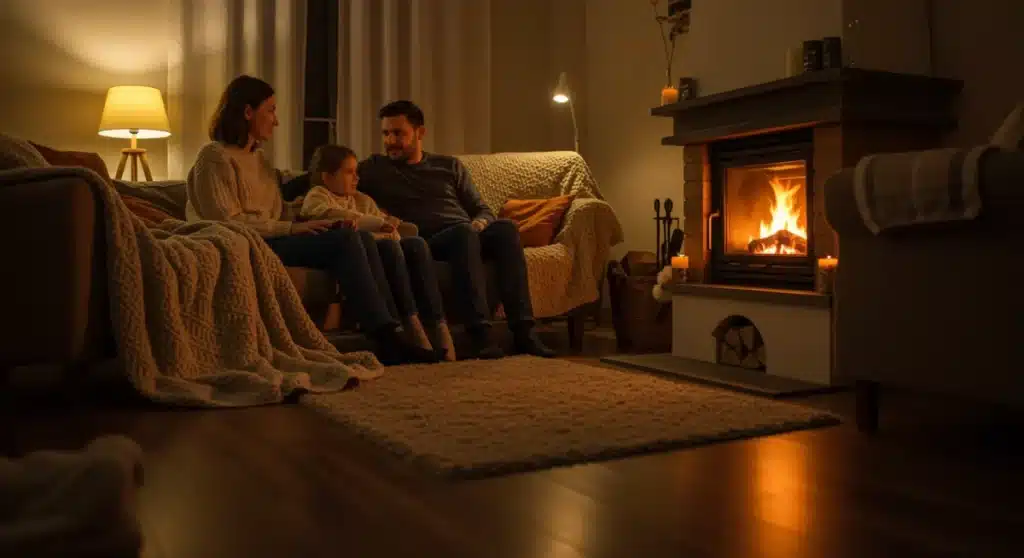
To ensure a warm and energy-efficient living space, a proactive winter comfort upgrade involving four key home improvements before January 2027 is crucial for enhancing overall coziness and reducing utility costs.
As the chill of winter approaches, the thought of a warm, inviting home becomes paramount. Planning a winter comfort upgrade for your home isn’t just about immediate coziness; it’s an investment in long-term energy efficiency, reduced utility bills, and an enhanced quality of life. By focusing on four essential home improvements before January 2027, you can transform your living space into a true sanctuary against the cold, ensuring every winter is a season of warmth and relaxation.
Assessing Your Home’s Current Winter Readiness
Before embarking on any significant home improvements, it’s vital to understand where your home currently stands in terms of winter readiness. This initial assessment helps pinpoint vulnerabilities and prioritize projects that will yield the most impactful results for your winter comfort. A thorough evaluation can reveal hidden inefficiencies that might be costing you money and comfort.
Many homeowners overlook simple yet effective checks that can identify major heat loss areas. From drafty windows to inadequate insulation, a comprehensive review ensures that your upgrade efforts are targeted and efficient. This proactive approach saves both time and resources by focusing on what truly matters for a comfortable winter.
Identifying Common Cold Spots and Drafts
Cold spots and drafts are often the primary culprits behind an uncomfortable winter home. These areas allow warm air to escape and cold air to infiltrate, forcing your heating system to work harder. Pinpointing these issues is the first step toward a more comfortable and energy-efficient residence.
- Windows and Doors: Check for gaps around frames, loose panes, or worn out weatherstripping. These are notorious sources of drafts.
- Electrical Outlets and Light Switches: Believe it or not, these small openings in exterior walls can allow a surprising amount of cold air in.
- Attic Hatches and Crawl Spaces: Poorly sealed access points can create significant thermal bridges, leading to heat loss.
- Fireplace Dampers: Ensure your damper closes tightly when not in use to prevent heat from escaping up the chimney.
Evaluating Existing Insulation Levels
Insulation is your home’s primary defense against winter’s chill. Understanding the type and R-value of your current insulation is crucial for determining if an upgrade is necessary. Adequate insulation keeps warm air inside during winter and outside during summer, providing year-round benefits.
Many older homes have insufficient insulation, particularly in attics, walls, and floors. A quick inspection can reveal areas that are under-insulated, leading to significant heat transfer. Upgrading insulation is one of the most cost-effective ways to improve energy efficiency and comfort.
By carefully assessing your home’s current state, you gain a clear roadmap for your winter comfort upgrade. This foundational step ensures that every subsequent improvement contributes meaningfully to a warmer, more efficient, and ultimately more enjoyable home environment.
Upgrade 1: Enhancing Your Home’s Insulation Envelope
Improving your home’s insulation envelope is perhaps the most critical step in achieving superior winter comfort and energy efficiency. A well-insulated home acts like a thermal barrier, retaining heat during colder months and keeping it out when temperatures rise. This leads to significant savings on heating bills and a consistently comfortable indoor environment.
Many homes, especially older constructions, have inadequate insulation in key areas. Addressing these deficiencies can dramatically reduce heat loss and improve overall thermal performance. Think of insulation as your home’s winter coat – the thicker and more comprehensive it is, the warmer you’ll be.
Attic Insulation: The First Line of Defense
The attic is often the biggest culprit for heat loss in a home. Heat rises, and without proper attic insulation, much of your valuable warmth can escape through the roof. Upgrading your attic insulation is one of the most impactful improvements you can make for winter comfort.
Consider adding more blown-in cellulose or fiberglass insulation to achieve recommended R-values for your region. Ensure that the insulation is evenly distributed and that there are no gaps or compressed areas. Proper ventilation in the attic is also essential to prevent moisture buildup, which can compromise insulation effectiveness and lead to other issues.
Wall and Floor Insulation: Filling the Gaps
While attic insulation is crucial, walls and floors also play a significant role in your home’s thermal envelope. Insulating exterior walls can be more challenging but offers substantial benefits, especially in older homes with no existing wall cavity insulation. This can be done through blow-in insulation techniques without extensive demolition.
Similarly, insulating floors, particularly those above unheated basements or crawl spaces, prevents cold air from seeping upwards. Adding rigid foam boards or batt insulation to these areas can make a noticeable difference in floor temperatures and overall room comfort. These upgrades prevent drafts and cold spots, ensuring a more uniform temperature throughout your living space.
- Spray Foam Insulation: Excellent for sealing hard-to-reach cavities and providing a high R-value per inch.
- Cellulose Insulation: Made from recycled paper, it’s eco-friendly and effective for blow-in applications.
- Fiberglass Batts: A common and affordable option for walls, attics, and floors, easy to install in open cavities.
- Rigid Foam Boards: Ideal for insulating foundation walls, crawl spaces, and exterior sheathing, offering high thermal resistance.
By investing in a robust insulation envelope, you’re not just preparing for one winter; you’re setting your home up for decades of reduced energy consumption and enhanced comfort. This foundational improvement supports all other efforts to make your home a warm haven.
Upgrade 2: Optimizing Windows and Doors for Thermal Efficiency
Windows and doors are often weak points in a home’s thermal defense, allowing significant heat loss during winter. Optimizing these elements for thermal efficiency is a crucial step in any winter comfort upgrade. Drafts and inefficient glazing can make rooms feel much colder than the thermostat indicates, leading to increased heating costs and discomfort.
Addressing these issues can range from simple, cost-effective measures to more substantial investments in replacement units. The goal is to minimize air leakage and improve the insulating properties of these critical entry and exit points for light and people.
Sealing Drafts: Weatherstripping and Caulking
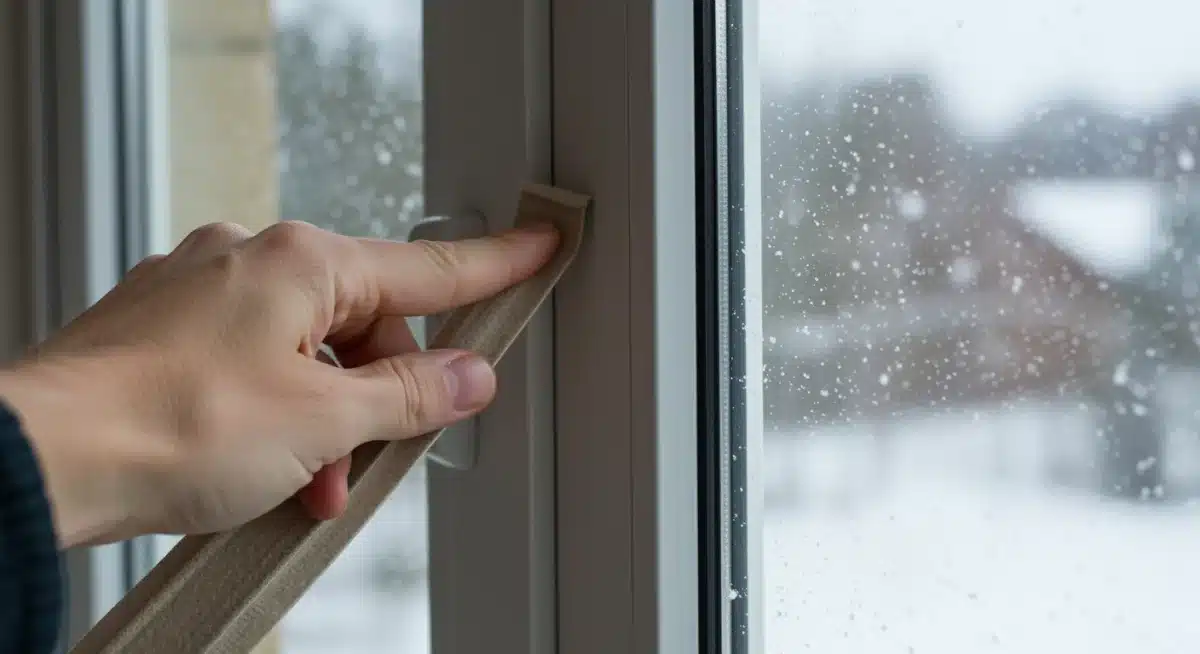
One of the most immediate and affordable ways to boost window and door efficiency is to seal air leaks. Drafts can account for a substantial percentage of heat loss. Weatherstripping and caulking are your best friends here, preventing cold air from entering and warm air from escaping.
Inspect all windows and doors for gaps. Apply new weatherstripping around movable parts of windows and doors, and use caulk to seal stationary gaps around frames where they meet the wall. This simple maintenance can make a noticeable difference in indoor temperatures and reduce the strain on your heating system.
Considering Energy-Efficient Window and Door Replacements
For homes with old, single-pane windows or poorly insulated doors, replacement might be the most effective long-term solution. Modern energy-efficient windows and doors feature advanced technologies designed to minimize heat transfer and maximize comfort. These units often come with multiple panes of glass, low-emissivity (Low-E) coatings, and inert gas fills.
- Double or Triple-Pane Glass: Creates insulating air pockets that reduce heat transfer.
- Low-E Coatings: Reflect heat back into the room during winter and out during summer, enhancing thermal performance.
- Argon or Krypton Gas Fills: These inert gases between panes are denser than air, further improving insulation.
- Insulated Frames: Modern frames are designed to minimize heat conduction, unlike older metal frames.
While a more significant investment upfront, energy-efficient window and door replacements offer substantial savings on heating and cooling costs over their lifespan, alongside improved comfort and reduced noise transmission. They also add to your home’s aesthetic appeal and resale value. Prioritizing these upgrades before January 2027 ensures you reap the benefits for many winters to come.
Upgrade 3: Modernizing Your Heating System for Peak Performance
The heart of your winter comfort lies in your heating system. An old, inefficient, or improperly maintained heating system can be a major drain on your finances and a source of inconsistent warmth. Modernizing your heating system is a significant component of a comprehensive winter comfort upgrade, promising enhanced efficiency, reliability, and comfort.
Technological advancements in heating have led to systems that are not only more powerful but also significantly more energy-efficient and smarter than their predecessors. Evaluating your current system and considering an upgrade can lead to substantial long-term benefits.
Regular Maintenance and Professional Tune-Ups
Even if a full system replacement isn’t in your immediate plans, regular professional maintenance is non-negotiable. A well-maintained heating system operates more efficiently, lasts longer, and is less prone to unexpected breakdowns during the coldest months. An annual tune-up can identify minor issues before they become major problems.
During a tune-up, technicians clean components, check for wear and tear, and ensure all parts are operating optimally. This includes checking filters, inspecting ducts for leaks, and calibrating thermostats. This preventative step can save you from costly emergency repairs and ensure your system is ready to tackle the winter.
Considering High-Efficiency Heating System Upgrades

For systems nearing the end of their lifespan or those that are notably inefficient, an upgrade to a high-efficiency model is a wise investment. Modern furnaces, boilers, and heat pumps offer significantly better fuel economy and performance. The upfront cost is often offset by government rebates, energy savings, and improved comfort.
- High-Efficiency Furnaces: These units boast AFUE (Annual Fuel Utilization Efficiency) ratings of 90% or higher, meaning more fuel is converted into heat.
- Heat Pumps: Versatile systems that can both heat and cool, offering excellent energy efficiency by transferring heat rather than generating it.
- Smart Thermostats: While not a full system, these devices optimize heating schedules, learn your preferences, and can be controlled remotely, leading to significant energy savings.
- Zoning Systems: Allows you to heat different areas of your home independently, preventing wasted energy in unoccupied rooms.
Upgrading your heating system represents a substantial step towards a future-proof home, ensuring reliable and cost-effective warmth for many years. Planning this improvement before January 2027 provides ample time for research, selection, and professional installation, guaranteeing a cozy winter experience.
Upgrade 4: Embracing Smart Home Technology for Enhanced Comfort
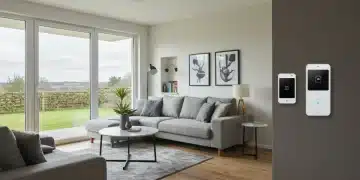
Integrating smart home technology into your winter comfort upgrade plan offers unparalleled convenience, control, and efficiency. These intelligent systems go beyond traditional controls, allowing you to manage your home’s environment with precision, often from anywhere with an internet connection. Embracing smart solutions can elevate your winter experience, making your home more responsive to your needs.
From automated climate control to intelligent lighting, smart home devices empower you to create the perfect cozy ambiance while simultaneously cutting down on energy waste. They represent the future of home management, offering both luxury and practicality.
Smart Thermostats: Intelligent Climate Control
Smart thermostats are at the forefront of intelligent heating. Unlike their programmable counterparts, smart thermostats learn your habits, optimize heating schedules, and can be controlled remotely via smartphone apps. Many models also integrate with other smart home devices and can even adjust based on local weather forecasts.
This level of control means you can warm your home before you arrive, or reduce heating when you’re away, preventing energy waste. Features like geofencing, where the thermostat adjusts based on your proximity to home, further enhance efficiency and comfort. Investing in a smart thermostat is a relatively low-cost upgrade with high returns in both comfort and savings.
Automated Lighting and Smart Plugs for Ambiance

Comfort isn’t just about temperature; it’s also about the overall ambiance of your home. Smart lighting systems allow you to adjust brightness and color temperature, creating warm, inviting spaces at the touch of a button or through voice commands. You can schedule lights to turn on as dusk approaches, making your home feel welcoming even before you step inside.
Smart plugs extend this control to any appliance. Plug in a floor lamp, a space heater, or even a slow cooker, and control it remotely. This allows for pre-heating specific rooms or having a warm meal ready, all contributing to a more comfortable and convenient winter experience. These small additions significantly enhance the feeling of coziness and control within your home.
- Smart HVAC Vents: Redirect airflow to specific rooms, providing zoned heating without a full zoning system.
- Smart Window Treatments: Automated blinds or shades can open to let in sunlight for passive heating and close to retain heat at night.
- Smart Home Hubs: Centralize control of all your smart devices, allowing for seamless integration and automation of routines.
- Environmental Sensors: Monitor temperature, humidity, and air quality, providing data to optimize smart home systems for comfort and health.
By integrating these smart home technologies into your winter comfort upgrade, you’re not just making your home warmer; you’re making it smarter, more responsive, and effortlessly comfortable. These advancements ensure that your home is perfectly attuned to your needs, providing an unparalleled level of coziness throughout the winter months.
Future-Proofing Your Home: Long-Term Benefits and Value
Investing in a winter comfort upgrade before January 2027 is more than just about surviving the cold; it’s about future-proofing your home. These improvements offer a myriad of long-term benefits that extend far beyond immediate warmth. They contribute to the overall value, sustainability, and livability of your property, making it a more attractive and efficient place to reside for years to come.
From increased property value to reduced environmental impact, the ripple effects of these upgrades are substantial. Thinking proactively about these enhancements positions your home advantageously in an evolving market and a changing climate, ensuring it remains a comfortable and valuable asset.
Increased Property Value and Resale Appeal
Energy-efficient homes are increasingly sought after in the real estate market. Buyers are willing to pay a premium for properties that promise lower utility bills and modern amenities. Upgrading insulation, windows, heating systems, and incorporating smart home technology significantly boosts your home’s market appeal and potential resale value.
These improvements are tangible assets that can be highlighted when selling your home, demonstrating a commitment to efficiency and comfort. A well-maintained, energy-efficient home stands out, attracting more potential buyers and commanding a better price. It’s an investment that pays dividends both in daily living and future financial returns.
Reduced Energy Consumption and Environmental Impact
One of the most immediate and satisfying long-term benefits is the significant reduction in energy consumption. More efficient heating and better insulation mean your home requires less energy to stay warm, directly translating into lower utility bills. This financial saving accumulates significantly over time, making the initial investment highly worthwhile.
Beyond personal savings, reducing energy consumption also has a positive environmental impact. By minimizing your carbon footprint, you contribute to broader sustainability efforts. A home that uses less energy is a greener home, aligning with growing societal values and environmental consciousness. These upgrades are a win-win for your wallet and the planet.
- Lower Maintenance Costs: Modern systems and well-sealed envelopes often require less frequent and less costly maintenance.
- Improved Indoor Air Quality: Better insulation and sealed drafts can prevent the infiltration of pollutants and allergens, leading to a healthier indoor environment.
- Enhanced Durability: Protecting your home from extreme temperatures and moisture can extend the lifespan of various structural components.
- Greater Comfort Consistency: Eliminating drafts and cold spots creates a more uniformly comfortable home, reducing temperature fluctuations.
By undertaking these winter comfort upgrades, you’re not just addressing immediate needs; you’re making a strategic decision to enhance your home’s long-term health, efficiency, and value. These thoughtful improvements ensure your home is not only exceptionally comfortable during winter but also resilient and valuable for decades to come.
Smart Planning and Implementation for Your Winter Upgrade
Embarking on significant home improvements requires careful planning and strategic implementation to ensure success. For your winter comfort upgrade, a well-thought-out approach minimizes disruption, optimizes costs, and guarantees that the chosen solutions meet your specific needs. Rushing into decisions can lead to costly mistakes and unsatisfactory results.
Effective planning involves thorough research, obtaining multiple quotes, and understanding the scope of each project. By taking a methodical approach, you can ensure that each upgrade contributes effectively to a warmer, more efficient, and comfortable home environment.
Setting a Realistic Timeline and Budget
Before any hammers swing, establish a realistic timeline and budget for your winter comfort upgrade. These projects can vary significantly in duration and cost, so having a clear financial and temporal framework is essential. Consider the urgency of each improvement and how it fits into your overall home maintenance schedule.
Obtain detailed quotes from several reputable contractors for each project. Factor in potential unexpected costs by setting aside a contingency fund, typically 10-15% of the total budget. A well-defined budget prevents overspending, while a realistic timeline helps manage expectations and coordinate contractors.
Choosing Qualified Professionals and Reputable Materials
The success of your winter comfort upgrade largely depends on the quality of the workmanship and materials. It is crucial to select qualified, licensed, and insured professionals for installation, especially for insulation, window/door replacements, and HVAC modernizations. Ask for references and check reviews to ensure their reliability and expertise.
Similarly, opt for high-quality, energy-efficient materials. For instance, when choosing windows, look for certifications like Energy Star. For insulation, research R-values and material types that best suit your climate and home structure. Investing in better materials often means better long-term performance and durability, avoiding the need for premature repairs or replacements.
- Research Local Incentives: Check for federal, state, or local rebates and tax credits for energy-efficient home improvements.
- Prioritize Projects: Start with the most impactful and cost-effective upgrades, like sealing drafts or attic insulation, before moving to larger projects.
- Stagger Installations: If undertaking multiple projects, consider staggering them to minimize disruption and manage cash flow.
- Regular Inspections: Schedule interim inspections with contractors to ensure work is progressing as planned and meeting quality standards.
By meticulously planning and carefully executing your winter comfort upgrade, you ensure that every dollar spent contributes to a more comfortable, energy-efficient, and valuable home. This strategic approach guarantees that your home is not just ready for the upcoming winters but is also optimized for long-term comfort and sustainability.
Enjoying the Benefits: A Cozier, More Efficient Home

After successfully implementing your winter comfort upgrade, the most rewarding part is undoubtedly experiencing the tangible benefits of a cozier, more efficient home. The efforts invested in enhancing insulation, optimizing windows and doors, modernizing your heating system, and integrating smart technology culminate in a living space that is consistently warm, inviting, and remarkably cost-effective to maintain. This transformation isn’t just about escaping the cold; it’s about embracing a higher quality of daily life within your own home.
The peace of mind that comes with knowing your home is prepared for even the harshest winter weather, coupled with the satisfaction of reduced energy bills, creates an unparalleled sense of security and well-being. Every aspect of your daily routine becomes more pleasant, from waking up in a comfortably warm bedroom to relaxing in a draft-free living room.
Consistent Comfort and Reduced Energy Bills
The most immediate and noticeable benefit of your winter comfort upgrade will be the consistent temperature throughout your home. Gone are the days of cold spots, uncomfortable drafts, and rooms that never quite warm up. Your heating system will work more efficiently, distributing warmth evenly and maintaining your desired temperature with less effort. This not only enhances comfort but also significantly reduces the workload on your HVAC system, potentially extending its lifespan.
Alongside improved comfort, the reduction in your energy bills will be a welcome change. By sealing leaks, improving insulation, and utilizing high-efficiency heating, your home will retain heat better, meaning less energy is needed to keep it warm. These savings accumulate month after month, year after year, effectively paying for the initial investment over time and providing ongoing financial relief.
Enhanced Health and Well-being
A warm, draft-free home contributes significantly to the health and well-being of its occupants. Consistent indoor temperatures reduce the risk of winter-related illnesses, such as colds and flu, which can be exacerbated by fluctuating temperatures and damp conditions. Improved insulation also helps manage indoor humidity levels, preventing issues like mold and mildew growth, which can impact respiratory health.
Furthermore, the quiet operation of modern heating systems and the reduced external noise infiltration from upgraded windows create a more peaceful and restful environment. This enhanced tranquility supports better sleep and overall mental well-being, turning your home into a true haven from the outside world. The comfort derived from these upgrades is holistic, touching every aspect of your home life.
- Improved Sleep Quality: Consistent bedroom temperatures and reduced noise contribute to better sleep.
- Increased Productivity: A comfortable environment can boost focus and productivity for those who work or study from home.
- Better Allergy Management: Reduced drafts and improved air sealing can minimize the entry of outdoor allergens.
- Greater Enjoyment of Home Spaces: Every room becomes a usable, comfortable space, enhancing your enjoyment of your entire home.
Ultimately, a successful winter comfort upgrade transforms your house into a truly nurturing and efficient home. It’s an investment that continually rewards you with warmth, savings, health benefits, and an enduring sense of comfort and security. Enjoy the fruits of your planning and watch as your home becomes the ultimate retreat against winter’s bite.
| Improvement Area | Key Benefit |
|---|---|
| Insulation Envelope | Reduces heat loss significantly, leading to lower energy bills and consistent indoor temperatures. |
| Windows & Doors | Eliminates drafts, improves thermal retention, and enhances home security and aesthetics. |
| Heating System | Ensures reliable, efficient warmth, reducing fuel consumption and increasing system lifespan. |
| Smart Home Tech | Provides intelligent control over climate and ambiance, optimizing comfort and energy use. |
Frequently Asked Questions About Winter Home Upgrades
Sealing drafts and improving attic insulation are generally the most cost-effective upgrades. These projects offer a high return on investment by significantly reducing heat loss and lowering energy bills with relatively modest expenses. They address major sources of inefficiency in most homes, providing immediate and noticeable comfort improvements.
High-quality energy-efficient windows typically last between 15 to 30 years, and sometimes even longer with proper maintenance. Their lifespan depends on the materials, installation quality, and environmental factors. Investing in reputable brands and professional installation ensures maximum durability and long-term performance.
Yes, smart thermostats can lead to significant energy savings. By learning your schedule, optimizing heating cycles, and allowing remote control, they prevent energy waste. Many utility companies offer rebates for smart thermostat installations, further enhancing their financial benefit. Savings can range from 10% to 20% on heating costs annually.
Recommended attic R-values vary by climate zone. For most regions in the United States, an R-value between R-38 and R-60 is typically recommended for attics. It’s best to consult local building codes or an energy auditor to determine the optimal R-value for your specific area and home type.
Absolutely. Many federal, state, and local governments, as well as utility companies, offer incentives such as tax credits, rebates, and low-interest loans for energy-efficient home improvements. Researching these programs can significantly reduce the upfront cost of your winter comfort upgrades. Check resources like Energy Star and your local energy provider’s website.
Conclusion
Undertaking a comprehensive winter comfort upgrade before January 2027 is a strategic decision that significantly enhances your home’s warmth, efficiency, and overall value. By focusing on critical areas such as insulation, windows and doors, heating systems, and smart home technology, you are not merely preparing for colder temperatures; you are investing in a future of reduced energy costs, improved indoor air quality, and a consistently comfortable living environment. These thoughtful improvements ensure that your home remains a resilient, inviting, and energy-conscious sanctuary for many winters to come, providing both immediate coziness and long-term financial and environmental benefits.