The Science of Mindfulness: Rewiring Your Brain for Wellbeing

The science of mindfulness demonstrates its capacity to physically alter brain structures, promoting improved emotional regulation, stress reduction, and enhanced overall psychological well-being.
Have you ever wondered if there’s a tangible way to cultivate inner peace and resilience? The answer lies in the science of mindfulness, a practice that is increasingly supported by compelling neuroscientific evidence. This exploration delves into how mindfulness isn’t just a fleeting feeling, but a powerful tool capable of physically rewiring your brain for lasting well-being.
Understanding mindfulness: more than just meditation
Mindfulness is often misunderstood as simply a relaxation technique or a form of meditation. While meditation is a primary practice for cultivating mindfulness, the concept itself extends far beyond sitting cross-legged in silence. It’s about a specific quality of attention and awareness that can be integrated into all aspects of life.
At its core, mindfulness involves intentionally bringing one’s attention to the present moment, without judgment. This means observing thoughts, feelings, bodily sensations, and external stimuli as they arise, and acknowledging them without getting caught up in their narrative or trying to change them. It’s a radical act of acceptance and presence.
The two pillars of mindfulness
- Attention regulation: This involves the ability to purposefully direct and sustain one’s attention, and to disengage from distractions when necessary. It’s like training a muscle; the more you practice, the stronger your attentional focus becomes.
- Non-judgmental awareness: This pillar emphasizes observing experiences without attaching labels of ‘good’ or ‘bad,’ ‘right’ or ‘wrong.’ It encourages a sense of curiosity and openness, allowing you to relate to your experiences with greater equanimity.
These two components work in tandem. By regulating attention, we become more aware of our internal and external landscapes. By cultivating non-judgmental awareness, we can respond to these experiences with greater wisdom and less reactivity. This fundamental shift in how we relate to our experiences is where the transformative power of mindfulness truly lies, setting the stage for profound neural changes.
Ultimately, understanding mindfulness as more than just a technique, but as a way of being, is crucial. It’s a continuous process of learning to engage with life as it unfolds, fostering a deeper connection to oneself and the world around, and laying the groundwork for the brain’s remarkable ability to adapt and change.
Neuroplasticity: the brain’s capacity for change
The concept of neuroplasticity is central to understanding how mindfulness rewires the brain. For a long time, scientists believed that the adult brain was a static organ, its structure and connections fixed after childhood. However, groundbreaking research in neuroscience has overturned this notion, revealing that the brain is incredibly dynamic and capable of profound changes throughout life.
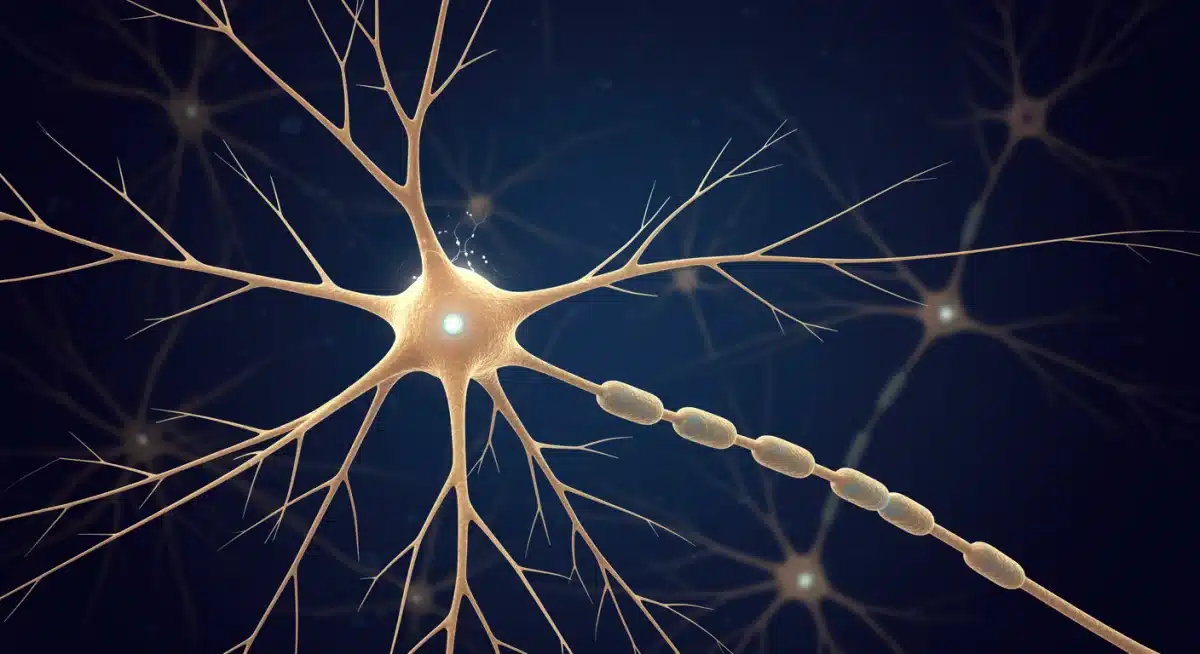
Neuroplasticity refers to the brain’s ability to reorganize itself by forming new neural connections and pathways, and by altering existing ones. This process occurs in response to experience, learning, and even injury. Every time you learn a new skill, remember a new piece of information, or even change a habit, your brain is undergoing neuroplastic changes.
Mindfulness practices, through their consistent and focused engagement with attention and awareness, actively stimulate these neuroplastic processes. They essentially provide the brain with a unique form of training, encouraging the strengthening of beneficial neural circuits and the weakening of less adaptive ones.
How mindfulness leverages neuroplasticity
- Synaptic strengthening: Regular mindfulness practice strengthens the connections (synapses) between neurons in areas associated with attention, emotion regulation, and self-awareness. This makes these pathways more efficient and robust.
- Neurogenesis: Some research suggests that mindfulness may even promote neurogenesis, the birth of new neurons, particularly in the hippocampus, a brain region vital for memory and emotion.
- Pruning of unused pathways: Just as new connections are formed, less used or maladaptive pathways can be weakened or ‘pruned.’ For example, pathways associated with chronic rumination or stress responses may become less dominant with consistent practice.
This remarkable capacity for change means that the brain is not a fixed entity, but a constantly evolving landscape. Mindfulness offers a deliberate and effective way to sculpt this landscape, guiding it towards patterns that support greater well-being, mental clarity, and emotional resilience. It’s a testament to the power of directed mental training to shape our very biology.
Mindfulness and the prefrontal cortex: enhancing executive functions
The prefrontal cortex (PFC) is often considered the ‘CEO’ of the brain, responsible for a wide range of executive functions including planning, decision-making, working memory, and emotional regulation. Research indicates that mindfulness practices significantly impact this crucial brain region, leading to measurable improvements in these high-level cognitive abilities.
When you engage in mindfulness, especially practices that involve focused attention, you are actively exercising the prefrontal cortex. This sustained mental effort strengthens the neural circuits within the PFC, making it more efficient and effective in its operations. The result is a brain that is better equipped to manage complex tasks, resist impulsive reactions, and maintain focus in a distracting world.
Specific benefits to the prefrontal cortex
- Improved attention and concentration: Mindfulness training enhances the brain’s ability to sustain attention and reduce mind-wandering, directly linked to increased activity and connectivity within the PFC. This means you can stay on task longer and be less susceptible to internal and external distractions.
- Better decision-making: By fostering greater awareness and reducing emotional reactivity, mindfulness allows the PFC to process information more clearly, leading to more rational and considered decisions rather than impulsive ones driven by immediate gratification or fear.
- Enhanced emotional regulation: The PFC plays a critical role in modulating emotional responses. Mindfulness strengthens the connections between the PFC and emotional centers like the amygdala, allowing for a more controlled and less reactive response to stress and negative emotions.
The strengthening of the prefrontal cortex through mindfulness is a key mechanism by which individuals experience greater clarity, control, and calm in their daily lives. It’s not just about feeling better, but about functioning better, with a more organized and efficient cognitive architecture. This makes mindfulness an invaluable tool for anyone seeking to optimize their mental performance and emotional stability.
The amygdala: calming the brain’s alarm system

The amygdala, a small almond-shaped region deep within the brain, is a critical component of our emotional processing system, particularly involved in fear and stress responses. Often dubbed the brain’s ‘alarm system,’ it plays a vital role in our survival instincts, triggering the ‘fight or flight’ response when perceived threats arise. However, in our modern world, the amygdala can often be overactive, leading to chronic stress and anxiety.
One of the most significant findings in the science of mindfulness is its profound impact on the amygdala. Studies using functional magnetic resonance imaging (fMRI) have shown that consistent mindfulness practice can lead to a reduction in amygdala activity and even a decrease in its gray matter density. This suggests that mindfulness literally calms down the brain’s alarm system.
When the amygdala is less reactive, individuals experience a greater sense of calm and less physiological stress. They are better able to respond to challenging situations with equanimity rather than being overwhelmed by fear or anxiety. This shift is crucial for overall well-being, as chronic amygdala activation is linked to numerous physical and mental health issues.
How mindfulness modulates the amygdala
- Reduced reactivity: Mindfulness helps to create a ‘gap’ between a stimulus and our reaction to it. Instead of an automatic, fear-driven response from the amygdala, the prefrontal cortex (strengthened by mindfulness) can step in to evaluate the situation more rationally.
- Increased connectivity: Mindfulness enhances the functional connectivity between the prefrontal cortex and the amygdala. This means the rational, executive control centers of the brain gain more influence over the more primitive emotional responses of the amygdala.
By effectively taming the amygdala, mindfulness empowers individuals to navigate life’s challenges with greater composure and less emotional turbulence. This foundational change in emotional processing is a cornerstone of the improved well-being reported by those who regularly practice mindfulness, offering a pathway to greater peace and resilience in the face of adversity.
Hippocampus: enhancing memory and emotional regulation
The hippocampus, another crucial brain structure, is deeply involved in memory formation, spatial navigation, and emotional regulation. It’s particularly vulnerable to the effects of chronic stress, which can lead to its atrophy and impair its functions. However, the good news is that mindfulness practices have been shown to have a protective and even enhancing effect on the hippocampus.
Research indicates that individuals who regularly practice mindfulness often exhibit increased gray matter density in the hippocampus. This structural change is associated with improved memory function, better learning capabilities, and an enhanced ability to regulate emotions. The growth and health of the hippocampus are vital for cognitive vitality and mental resilience.
The hippocampus also plays a key role in contextualizing memories, helping us understand the ‘when and where’ of events. By strengthening this region, mindfulness can help individuals process emotionally charged memories in a more adaptive way, reducing the likelihood of being overwhelmed by past experiences and fostering a greater sense of emotional balance.
The interplay of mindfulness and hippocampal health
Mindfulness practices, especially those that involve focused attention and open awareness, provide a rich environment for hippocampal growth. The reduction in stress, largely mediated by the calming of the amygdala and the strengthening of the prefrontal cortex, creates a more conducive environment for neurogenesis and synaptic strengthening within the hippocampus. This interconnectedness highlights how mindfulness benefits the brain as a whole, rather than just isolated regions.
Furthermore, an active and healthy hippocampus contributes to improved emotional regulation by working in concert with the prefrontal cortex to provide a more nuanced and less reactive response to emotional stimuli. This allows for a more integrated and coherent processing of emotions, moving away from purely reactive patterns towards more thoughtful and considered responses. The enhancement of hippocampal function through mindfulness is a powerful testament to its holistic benefits for both cognitive and emotional well-being.
Insula: cultivating interoception and self-awareness
The insula, a small but profoundly important region of the cerebral cortex, plays a pivotal role in interoception – the perception of the physiological condition of the body. It integrates sensory information from within the body, such as heart rate, breath sensations, and gut feelings, and contributes to our subjective experience of emotions, empathy, and self-awareness. It’s essentially our internal barometer, informing us about our bodily states and their emotional significance.
Mindfulness practices, particularly those that involve body scans or focused attention on breath, directly engage and strengthen the insula. By intentionally directing attention to internal bodily sensations, individuals enhance their interoceptive awareness. This heightened sensitivity to internal cues is crucial for developing a deeper understanding of one’s emotional landscape and physical needs.
For example, noticing the subtle tension in your shoulders or a slight fluttering in your stomach can provide valuable information about your emotional state before it escalates. This early detection allows for a more proactive and adaptive response, preventing emotional overwhelm and fostering a greater sense of self-control.
The insula’s role in self-awareness and empathy
- Enhanced emotional granularity: A stronger insula allows for a more detailed and nuanced understanding of emotional states. Instead of a general feeling of ‘bad,’ one might discern specific sensations associated with anxiety or sadness, leading to more targeted coping strategies.
- Improved empathy: Because the insula is involved in processing both our own bodily states and those of others (through mirror neuron systems), a well-trained insula can contribute to greater empathy. By being more attuned to our own internal experiences, we become better at understanding and relating to the internal experiences of others.
The cultivation of interoception through mindfulness, largely mediated by the insula, is a foundational aspect of self-awareness. It allows us to move beyond intellectual understanding to a felt sense of our inner world, empowering us to respond to ourselves and others with greater wisdom, compassion, and authenticity.
Practical applications and long-term well-being
Understanding the science behind how mindfulness rewires the brain is fascinating, but its true power lies in its practical application and the long-term benefits it offers for overall well-being. Integrating mindfulness into daily life doesn’t require hours of formal meditation each day; even short, consistent practices can yield significant neurological and psychological dividends.
The rewiring effects on the prefrontal cortex, amygdala, hippocampus, and insula translate into tangible improvements in various aspects of life. Reduced stress, improved emotional regulation, enhanced cognitive function, and increased self-awareness are not just abstract concepts; they are lived realities for those who commit to mindfulness practice.
Consider the impact on workplace performance: better focus, clearer decision-making, and reduced reactivity to stressful situations can lead to increased productivity and job satisfaction. In personal relationships, enhanced emotional regulation and empathy can foster deeper connections and more harmonious interactions. Even physical health can benefit, as chronic stress is a known contributor to numerous ailments.
Integrating mindfulness into daily life
- Mindful breathing: Take a few moments each day to simply observe your breath, noticing the sensation of each inhale and exhale. This simple practice can anchor you to the present moment.
- Mindful eating: Pay full attention to the taste, texture, and smell of your food, slowing down and savoring each bite. This can improve digestion and reduce overeating.
- Mindful walking: Notice the sensation of your feet on the ground, the movement of your body, and the sights and sounds around you without judgment.
The journey of mindfulness is a continuous one, offering a pathway to not only manage the challenges of life but to truly thrive. By understanding and embracing the science of how it reshapes our brains, we unlock the potential for profound and lasting transformation, fostering a deeper sense of peace, resilience, and well-being in an ever-changing world.
| Key Brain Region | Mindfulness Impact |
|---|---|
| Prefrontal Cortex | Enhances executive functions, attention, and emotional regulation. |
| Amygdala | Reduces activity, calming the brain’s stress and fear responses. |
| Hippocampus | Increases gray matter, improving memory and emotional processing. |
| Insula | Cultivates interoception and self-awareness, integrating bodily sensations. |
Frequently asked questions about mindfulness
While some changes can be observed within weeks of consistent practice, significant and lasting rewiring typically occurs over several months to years. The brain’s neuroplasticity means that consistent effort yields progressive results, much like physical exercise builds muscle over time.
No, even short, regular mindfulness practices of 10-20 minutes daily have been shown to produce significant neurological and psychological benefits. Consistency is more important than duration, making it accessible for busy schedules. Integrating mindful moments throughout the day also contributes greatly.
Mindfulness is generally beneficial for most people, but individuals with severe mental health conditions should consult a healthcare professional before starting. Certain practices might need adaptation, and guidance from an experienced teacher is always recommended for a safe and effective journey.
Mindfulness is a state of present-moment, non-judgmental awareness. Meditation is a set of practices or techniques, often involving focused attention or open monitoring, used to cultivate and deepen that state of mindfulness. Meditation is a tool; mindfulness is the outcome and a way of being.
Yes, numerous studies have demonstrated mindfulness’s effectiveness in reducing symptoms of anxiety and depression. By fostering emotional regulation, reducing rumination, and calming the amygdala, it helps individuals develop healthier responses to stressors and negative thought patterns, improving overall mood and resilience.
Conclusion
The journey into the science of mindfulness reveals a compelling truth: our brains are not static, but incredibly adaptable organs capable of profound transformation. Through consistent practice, mindfulness actively rewires neural pathways, strengthening regions associated with attention, emotional regulation, and self-awareness, while calming those linked to stress and fear. This neuroplasticity offers a powerful pathway to enhanced well-being, providing a scientific foundation for a practice that has been cherished for centuries. Embracing mindfulness is an investment in your brain’s health and your overall quality of life, promising a future of greater clarity, composure, and inner peace.