Mindfulness for Kids: Activities to Boost Emotional Intelligence
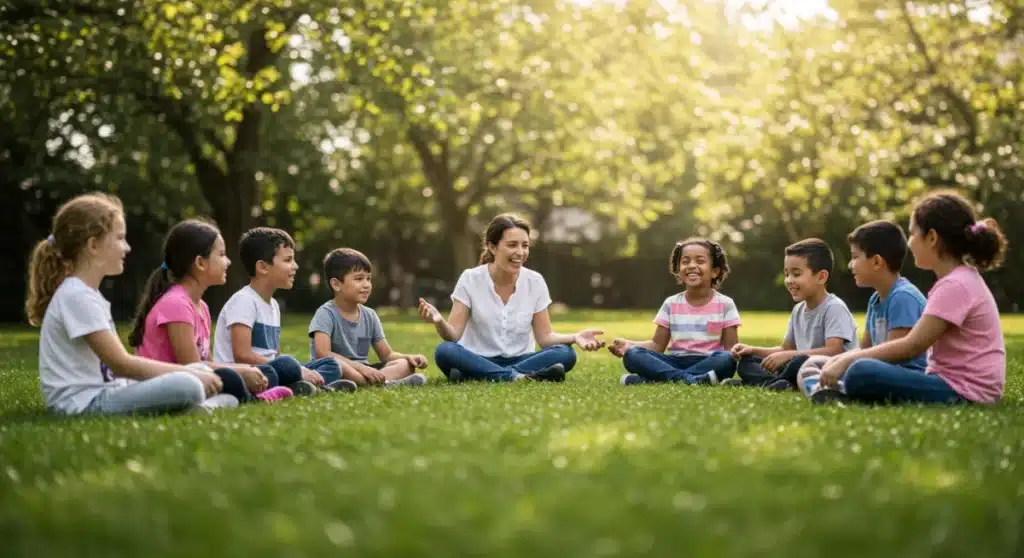
Mindfulness for kids emotional intelligence equips children with vital tools to navigate their feelings, enhance self-awareness, and develop empathy, fostering a strong foundation for mental and emotional health throughout their lives.
In today’s fast-paced world, equipping children with tools to understand and manage their emotions is more crucial than ever. This is where mindfulness for kids emotional intelligence comes into play, offering a powerful avenue for development. By introducing mindfulness practices early, we can help children cultivate a deeper connection with themselves and the world around them, fostering resilience and empathy.
Understanding Emotional Intelligence in Children
Emotional intelligence, often abbreviated as EQ, refers to the ability to understand, use, and manage one’s own emotions in positive ways to relieve stress, communicate effectively, empathize with others, overcome challenges, and defuse conflict. For children, developing emotional intelligence is foundational for their social, academic, and personal success. It goes beyond mere academic smarts, influencing how they interact with peers, respond to setbacks, and regulate their own behavior.
Teaching children about their emotions, rather than suppressing them, is a critical first step. When children can identify what they are feeling—whether it’s joy, anger, sadness, or frustration—they gain a sense of control. This self-awareness is the cornerstone of emotional intelligence. Without it, children might act out or withdraw, unable to articulate their inner experiences. Mindfulness practices offer a gentle yet effective way to build this essential skill.
The Pillars of Emotional Intelligence for Young Minds
Emotional intelligence in children is built upon several key components. Understanding these pillars helps parents and educators tailor mindfulness activities that specifically target areas needing development.
- Self-awareness: Recognizing one’s own emotions, thoughts, and values, and how they influence behavior.
- Self-regulation: Managing one’s own emotional states, impulses, and resources effectively.
- Motivation: Being driven by intrinsic factors, such as personal satisfaction and achievement.
- Empathy: Understanding and sharing the feelings of others.
- Social Skills: Navigating social situations, building relationships, and communicating effectively.
By focusing on these areas through mindfulness, children learn to pause before reacting, consider others’ perspectives, and develop a more balanced approach to life’s challenges. This proactive approach to emotional development can significantly reduce stress and improve overall well-being.
In conclusion, fostering emotional intelligence in children is not about eliminating negative emotions, but about providing them with the tools to understand, acknowledge, and navigate their feelings constructively. Mindfulness serves as a practical and accessible pathway to achieving this, empowering children to become more resilient, compassionate, and self-aware individuals.
The Benefits of Mindfulness for Children’s Emotional Growth
Introducing mindfulness to children can yield a myriad of benefits, particularly in the realm of emotional growth. It’s not just about sitting still; it’s about developing an inner awareness that profoundly impacts their ability to process and respond to emotions. Through consistent practice, children learn to observe their thoughts and feelings without judgment, fostering a sense of calm and clarity.
Mindfulness helps children recognize the fleeting nature of emotions. Instead of being overwhelmed by a strong feeling, they learn that emotions come and go, much like clouds in the sky. This understanding cultivates resilience, allowing them to bounce back from difficult experiences more effectively. Moreover, it enhances their capacity for empathy, as they become more attuned to their own emotional landscape and, by extension, to the feelings of others.
Cultivating Focus and Inner Calm
One of the most immediate benefits of mindfulness for children is the improvement in their ability to focus and maintain attention. In a world full of distractions, learning to bring attention to the present moment is a valuable skill. This enhanced focus translates into better academic performance and more meaningful interactions.
- Improved attention span: Mindfulness exercises train the brain to stay present, reducing mind-wandering.
- Reduced stress and anxiety: By focusing on the breath, children can activate their body’s relaxation response.
- Enhanced self-regulation: Learning to pause and observe before reacting helps children manage impulses.
These benefits are not just theoretical; they are observable in children who regularly engage in mindfulness practices. Parents often report a noticeable decrease in tantrums, improved sleep patterns, and a general increase in their child’s ability to cope with daily stressors. The practice helps children build a mental toolkit for navigating life’s ups and downs.
Ultimately, the long-term impact of mindfulness on a child’s emotional growth is profound. It lays the groundwork for a lifetime of emotional well-being, equipping them with the self-awareness, compassion, and resilience needed to thrive in an ever-changing world. This investment in their emotional intelligence is perhaps one of the most valuable gifts we can offer them.
Simple Mindfulness Activities for Young Children (Ages 3-7)
Introducing mindfulness to young children requires creativity and simplicity, as their attention spans are shorter and their understanding of abstract concepts is still developing. The key is to make it fun, engaging, and integrated into their daily routines. These activities focus on sensory experiences and basic emotional recognition, laying a foundational understanding of present moment awareness.
For this age group, mindfulness isn’t about deep meditation but about gentle exploration of their senses and feelings. Short, playful exercises that involve movement or visual aids can be particularly effective. It’s about planting seeds of awareness that will grow over time, fostering a natural inclination towards calm and self-reflection.
Engaging the Senses: The Five Senses Walk
A ‘Five Senses Walk’ is a wonderful way to introduce young children to present moment awareness. It encourages them to pay close attention to their surroundings, engaging each of their senses in turn. This activity can be done indoors or outdoors, making it highly adaptable.
- See: What colors, shapes, or interesting objects can you spot?
- Hear: Can you hear birds, cars, or even your own footsteps?
- Smell: What scents are in the air? Flowers, rain, or freshly baked cookies?
- Touch: What does the grass feel like under your feet, or the bark of a tree?
- Taste: (If appropriate) What does a piece of fruit or a sip of water taste like?
After the walk, discuss what they noticed. This helps them articulate their observations and reinforces the idea of paying attention to the present moment. This simple practice builds observational skills and a quiet appreciation for their environment.
Calming the Mind: Glitter Jars

Glitter jars, also known as ‘mind jars’ or ‘calm down jars,’ are fantastic visual aids for teaching young children about managing big emotions. When shaken, the glitter swirls around, mimicking a busy, overwhelmed mind. As the glitter settles, it represents the mind calming down.
To use a glitter jar, have the child shake it vigorously when they feel upset or agitated. Then, encourage them to watch the glitter slowly settle, taking deep breaths as they do. Explain that their mind can also settle and become calm, just like the glitter in the jar. This provides a tangible representation of emotional regulation.
These simple activities provide a playful entry point into mindfulness, helping young children develop early emotional intelligence skills in a way that feels natural and enjoyable. They learn that they have the power to influence their own internal state, a crucial lesson for emotional well-being.
Mindfulness Activities for School-Aged Children (Ages 8-12)
For school-aged children, mindfulness activities can become slightly more complex, incorporating elements of self-reflection and deeper emotional understanding. At this age, children are developing more nuanced social skills and facing greater academic and social pressures. Mindfulness can provide them with valuable tools to navigate these challenges with greater ease and confidence.
The goal is to help them bridge the gap between recognizing an emotion and understanding its impact, both on themselves and on others. Activities for this age group often involve more structured breathing exercises, guided meditations, and creative expressions of their inner world.
Body Scan for Awareness
A ‘body scan’ is a classic mindfulness exercise that can be adapted for children. It involves systematically bringing attention to different parts of the body, noticing any sensations without judgment. This helps children become more aware of how emotions manifest physically and can be a powerful tool for stress reduction.
Guide them to lie down comfortably and close their eyes if they wish. Start by asking them to notice their toes, then their feet, ankles, and so on, moving up through their body. Encourage them to simply observe what they feel—tingling, warmth, coolness, or nothing at all—and to breathe into those areas. This practice enhances interoception, the ability to sense internal states.
Mindful Listening and Communication
Mindful listening is a crucial social skill that can be developed through mindfulness. In a world where distractions are plentiful, teaching children to truly listen to others without interrupting or formulating their own response is invaluable. This builds empathy and improves communication.
- One-on-one sharing: Have children pair up and take turns speaking for a set time (e.g., 2 minutes) while the other listens without interruption.
- Sound exploration: Play various sounds (music, nature sounds) and ask children to describe what they hear, focusing on details they might usually miss.
- Reflective listening: Encourage children to paraphrase what another person has said before responding, ensuring they truly understood.
These activities not only improve attention but also foster a deeper sense of connection and understanding between children. By practicing mindful communication, they learn to value others’ perspectives and express their own thoughts and feelings more clearly and respectfully.
For school-aged children, mindfulness offers a pathway to greater self-awareness, emotional regulation, and improved social interactions. These practices empower them to navigate the complexities of their growing world with greater calm and compassion, fostering robust emotional intelligence.
Integrating Mindfulness into Daily Routines
The true power of mindfulness lies in its consistent application, seamlessly woven into the fabric of daily life rather than treated as a separate, occasional activity. For children, this means finding small, manageable moments throughout their day to pause, breathe, and become present. Integrating mindfulness doesn’t require grand gestures; often, the most effective practices are the simplest and most accessible.
By making mindfulness a natural part of their routine, children learn that it’s not just something they ‘do’ in a special session, but a way of being that can be accessed anytime, anywhere. This normalizes the practice and helps them internalize its benefits, making it an organic tool for emotional regulation and well-being.
Mindful Transitions and Rituals
Daily transitions—getting ready for school, moving from playtime to homework, or preparing for bed—can often be sources of stress or resistance for children. Introducing mindful moments during these transitions can create a sense of calm and order, helping children shift gears more smoothly.
- Morning mindful moment: Before leaving for school, take a few deep breaths together, setting an intention for the day.
- Homework pause: Before starting homework, encourage a 30-second ‘brain break’ to stretch or simply notice their breath.
- Bedtime wind-down: A short guided meditation or a ‘gratitude check-in’ before sleep can promote relaxation and positive reflection.
These brief rituals signal a change in activity and provide an opportunity for children to check in with themselves, reducing anxiety and increasing their sense of control. They learn to be present in each moment, rather than rushing through their day.
Mindful Eating: Savoring the Moment

Mindful eating is another excellent way to integrate mindfulness into daily life. It’s a simple yet powerful practice that encourages children to pay full attention to the experience of eating, engaging all their senses. This can also help cultivate a healthier relationship with food.
Choose a small food item, like a raisin, a piece of fruit, or a cracker. Ask your child to:
- Look: Observe its color, shape, and texture.
- Smell: Notice any aromas.
- Touch: Feel its texture in their fingers.
- Place in mouth: Slowly place it on their tongue without chewing.
- Chew slowly: Notice the flavors and textures as they chew.
- Swallow: Feel it go down their throat.
This exercise teaches patience, appreciation, and heightened sensory awareness. By integrating such practices, mindfulness becomes a natural part of a child’s day, fostering emotional intelligence and a greater sense of presence in all aspects of their lives.
Overcoming Challenges and Fostering Consistency
While the benefits of mindfulness for children’s emotional intelligence are clear, implementing and sustaining these practices can present challenges. Children, like adults, can be resistant to new routines, easily distracted, or simply not in the mood. Parents and educators might also struggle with consistency or feel unsure about how to best guide their children. Overcoming these hurdles requires patience, flexibility, and a positive approach.
The key is to remember that mindfulness is a journey, not a destination. There will be days when it flows smoothly and days when it feels like an uphill battle. The goal is not perfection, but persistent, gentle effort. Celebrating small successes and maintaining a playful attitude can significantly increase engagement and long-term adherence.
Addressing Common Obstacles
Several common issues can arise when introducing mindfulness to children. Anticipating these and having strategies in place can help maintain momentum.
- Short attention spans: Keep activities brief and varied. Start with 1-2 minutes and gradually increase duration.
- Resistance or disinterest: Frame mindfulness as a fun game or a special quiet time. Offer choices in activities.
- Parental/educator consistency: Integrate mindfulness into your own routine. Children learn by example.
- Lack of immediate results: Emphasize that emotional growth takes time. Focus on the process, not just the outcome.
It’s also important to create a calm and supportive environment. A designated ‘mindfulness corner’ or a quiet space where children can retreat can be very helpful. Ensure that the atmosphere is free from judgment, allowing children to explore their inner world without pressure.
Making Mindfulness a Family Affair
One of the most effective ways to foster consistency is to make mindfulness a shared family experience. When parents or caregivers participate alongside their children, it sends a powerful message about the value of the practice. It also provides an opportunity for shared emotional growth and deeper family connection.
Engage in mindful moments together, whether it’s a quiet walk in nature, a mindful meal, or a short guided meditation before bed. Discussing feelings and observations after these activities can further enhance emotional literacy. This collective approach not only strengthens the child’s mindfulness practice but also enriches family dynamics, creating a more emotionally aware and resilient household.
By thoughtfully addressing challenges and embracing mindfulness as a shared experience, families can successfully integrate these practices into their lives, fostering lasting emotional intelligence and well-being in their children.
Resources and Tools for Parents and Educators
Embarking on the journey of teaching mindfulness to children doesn’t mean you have to do it alone. A wealth of resources and tools are available to support parents, educators, and caregivers in introducing these valuable practices. From books and apps to online courses and community programs, these resources can provide guidance, inspiration, and practical activities tailored to different age groups and learning styles.
Leveraging these tools can help demystify mindfulness, making it more accessible and enjoyable for both adults and children. They offer structured approaches, creative ideas, and expert advice, ensuring that the introduction of mindfulness is both effective and sustainable.
Books and Storytelling

Children’s books are an excellent gateway to mindfulness, presenting complex concepts in simple, relatable narratives. Stories can help children understand emotions, empathy, and the idea of being present in a non-threatening way. Many books also include simple exercises or prompts for discussion.
- Picture books: For younger children, books with engaging illustrations that depict characters practicing mindfulness or navigating emotions.
- Chapter books: For older children, stories that feature characters using mindfulness to overcome challenges or understand their feelings.
- Activity books: Books that include guided meditations, coloring pages, or journaling prompts related to mindfulness.
Reading together can be a mindful activity in itself, and discussing the themes afterward reinforces the lessons. It’s a gentle way to introduce vocabulary related to emotions and self-awareness.
Mindfulness Apps and Online Programs
In our digital age, numerous apps and online platforms offer guided meditations and mindfulness exercises specifically designed for children. These resources can be particularly appealing to older children and can provide a structured way to practice.
When choosing an app or program, look for those that:
- Are age-appropriate and engaging.
- Offer a variety of meditation lengths and themes.
- Are free from distractions or excessive advertising.
- Have positive reviews from other parents or educators.
Platforms like Calm Kids, Headspace for Kids, and various YouTube channels dedicated to children’s mindfulness can be excellent starting points. These tools can supplement in-person guidance and offer flexibility for practicing at home or in the classroom.
By utilizing these diverse resources, parents and educators can feel more confident and well-equipped to introduce and sustain mindfulness practices, thereby fostering robust emotional intelligence in the children they care for. The right tools can make a significant difference in making mindfulness an enjoyable and impactful experience.
The Long-Term Impact of Childhood Mindfulness
The decision to introduce mindfulness to children is an investment in their future, yielding profound long-term impacts that extend far beyond their formative years. The skills cultivated through mindfulness—self-awareness, emotional regulation, empathy, and resilience—become deeply ingrained, shaping their responses to life’s inevitable challenges and opportunities. This early foundation in emotional intelligence prepares them for a more balanced, compassionate, and fulfilling adulthood.
Children who grow up with mindfulness practices are often better equipped to navigate academic pressures, social complexities, and personal struggles. They develop a stronger sense of self, a greater capacity for empathy, and an enhanced ability to cope with stress, contributing to overall mental well-being and success in various life domains.
Building Resilience for Adulthood
One of the most significant long-term benefits of childhood mindfulness is the development of resilience. Life is full of ups and downs, and the ability to bounce back from adversity is a critical skill. Mindfulness teaches children to observe their thoughts and feelings without being overwhelmed by them, fostering a sense of inner strength and adaptability.
As they mature, this resilience translates into:
- Better stress management: They have tools to calm their minds and bodies during stressful situations.
- Improved problem-solving: A calm mind can approach challenges more rationally and creatively.
- Greater emotional stability: They are less prone to emotional outbursts and more capable of maintaining inner peace.
- Adaptability to change: They can navigate transitions and new environments with greater ease.
These qualities are invaluable in higher education, professional careers, and personal relationships, allowing individuals to thrive even amidst uncertainty.
Fostering Compassion and Social Harmony
Mindfulness also has a powerful long-term impact on a child’s capacity for compassion and their ability to foster harmonious social relationships. By becoming more attuned to their own inner experiences, children naturally develop a greater understanding and empathy for others. This extends beyond their immediate family and friends, contributing to a more compassionate society.
As mindful children become adults, they are more likely to:
- Engage in active listening: Truly hearing and understanding others’ perspectives.
- Resolve conflicts constructively: Approaching disagreements with a desire for mutual understanding.
- Exhibit kindness and generosity: Being more attuned to the needs of others.
- Build strong, authentic relationships: Based on mutual respect and emotional understanding.
The long-term effects of childhood mindfulness are far-reaching, shaping not just individual lives but also contributing to a more emotionally intelligent and compassionate world. By investing in these practices today, we are helping to cultivate a generation better equipped to face the future with wisdom and grace.
| Key Aspect | Brief Description |
|---|---|
| Emotional Awareness | Helps children identify and understand their feelings without judgment. |
| Self-Regulation | Teaches children to manage impulses and respond calmly to difficult emotions. |
| Empathy Development | Enhances the ability to understand and share the feelings of others. |
| Stress Reduction | Provides tools for children to calm their nervous system and reduce anxiety. |
Frequently Asked Questions About Mindfulness for Kids
Mindfulness for kids teaches children to pay attention to the present moment without judgment. It’s crucial for emotional intelligence as it helps them recognize and understand their feelings, develop self-awareness, and learn to respond thoughtfully rather than react impulsively, fostering resilience and empathy.
Children can begin practicing simple mindfulness activities as early as preschool (ages 3-5). Activities for younger children often involve sensory engagement and short, playful exercises. As they grow older, practices can become more structured, incorporating guided meditations and deeper self-reflection, adapting to their developmental stage.
To make mindfulness fun, incorporate games, storytelling, and creative expression. Use visual aids like glitter jars, engage their senses with mindful eating or nature walks, and keep sessions short. Frame it as a special quiet time or a superpower to understand feelings, making it a positive and enjoyable experience.
Common challenges include short attention spans, resistance, and difficulty with consistency. Overcome these by keeping activities brief, varied, and playful. Model mindfulness yourself, create a supportive environment, and focus on gradual progress rather than immediate perfection. Celebrate small achievements to maintain engagement.
Long-term benefits include enhanced emotional resilience, improved stress management, greater empathy, and stronger social skills. Mindfulness helps children develop a robust sense of self, fostering mental well-being and equipping them to navigate life’s complexities with calm, compassion, and adaptability into adulthood.
Conclusion
The journey of fostering emotional intelligence in children through mindfulness is a profoundly rewarding one, offering a wealth of benefits that extend throughout their lives. By engaging in simple yet powerful activities, children learn to navigate their inner world with greater awareness and develop a compassionate understanding of others. This foundational work not only equips them with essential tools for emotional regulation and resilience but also nurtures a deeper connection to themselves and the world around them. As we continue to equip our children with these invaluable skills, we are not just preparing them for individual success, but also contributing to a more mindful, empathetic, and harmonious future for all.