KonMari Method: Declutter Your Home in 7 Days for Comfort

The KonMari Method, a revolutionary approach to tidying, offers a clear path to a more comfortable and organized home. By focusing on what ‘sparks joy,’ this method helps you declutter your life efficiently and create lasting order in just seven days.
Are you yearning for a living space that feels calm, organized, and truly yours? The idea of transforming your home can feel overwhelming, but with the KonMari Method Declutter, achieving a more comfortable and organized home in just 7 days is not just a dream, it’s an achievable reality. This guide will walk you through Marie Kondo’s renowned philosophy, offering practical steps to embark on your tidying journey with confidence and intention.
Understanding the KonMari Philosophy: Beyond Just Tidying Up
The KonMari Method, developed by Japanese organizing consultant Marie Kondo, is far more than a simple decluttering technique; it’s a philosophy that encourages a profound shift in mindset towards possessions. At its core, the method emphasizes keeping only items that ‘spark joy’ and letting go of those that do not, fostering a deeper appreciation for the things we choose to surround ourselves with. This intentional approach transforms the act of tidying into a personal journey of self-discovery and gratitude.
Unlike conventional organizing strategies that focus on room-by-room or little-by-little decluttering, KonMari advocates for a category-by-category approach, tackling items all at once. This method ensures that you confront the true volume of your belongings, preventing items from being overlooked or simply moved from one place to another. By committing to this comprehensive process, you create a lasting order that prevents clutter from accumulating again.
The ‘Spark Joy’ Principle Explained
The cornerstone of the KonMari Method is the concept of ‘sparking joy.’ This isn’t about arbitrary decisions but about developing an intuitive connection with your belongings. When you hold an item, you’re encouraged to pay attention to how it makes you feel. Does it evoke a sense of happiness, utility, or comfort? If so, it sparks joy; if not, it’s time to graciously let it go. This principle empowers you to build a home filled only with things that serve a purpose or bring genuine happiness.
- Emotional connection: Focus on how items make you feel, not just their practical use.
- Intuitive decision-making: Trust your gut feeling when evaluating each item.
- Gratitude for discarded items: Thank items for their service before letting them go.
Embracing the KonMari philosophy means recognizing that your home is a reflection of your inner world. By decluttering your physical space, you simultaneously declutter your mind, reducing stress and creating a more peaceful environment. This holistic approach to tidying up is what sets the KonMari Method apart, making it a powerful tool for cultivating a truly comfortable and organized home.
Day 1: Clothes – The Starting Point of Your Tidying Journey
Starting your KonMari journey with clothes is strategic. Clothing items generally hold fewer sentimental attachments compared to other categories, making them an ideal starting point to practice the ‘spark joy’ criterion. This initial success builds momentum and confidence for the more challenging categories ahead. The goal for day one is to gather every single piece of clothing you own and assess each one individually.
Begin by taking all your clothes out of closets, drawers, and laundry baskets. Pile them all in one place, preferably on your bed or floor. This visual representation of the sheer volume of your wardrobe can be a powerful motivator. The shock value helps you realize the extent of your possessions and reinforces the need for mindful decluttering. Once everything is in one pile, the real work begins.
The Art of Vertical Folding
One of the most iconic techniques of the KonMari Method is vertical folding. Instead of stacking clothes horizontally, which makes items at the bottom difficult to see and access, vertical folding allows you to store clothes upright. This method not only maximizes drawer and closet space but also ensures that every item is visible and easily accessible, preventing clothes from becoming forgotten or crumpled.
- Maximize space: Fit more clothes into smaller spaces.
- Prevent wrinkles: Clothes are less likely to crease when stored vertically.
- Easy access: See all your items at a glance without rummaging.
As you go through each item, hold it in your hands and ask yourself, “Does this spark joy?” Be honest with your answer. If it doesn’t, thank it for its service and place it in a designated pile for donation or disposal. Remember, the aim is to create a wardrobe that makes you feel good every time you open your closet or drawer. By the end of day one, your clothes should be neatly folded and stored vertically, ready to bring you joy.
Day 2-3: Books and Papers – Conquering the Information Overload
After tackling clothes, the next categories in the KonMari sequence are books and papers. These can often be sources of significant clutter, not just physically but mentally, representing unfinished tasks or forgotten knowledge. Approaching these categories systematically helps in reducing mental load and creating a more streamlined environment for information.
For books, gather every single book you own from all corners of your home. Place them on the floor and go through them one by one. The temptation might be to keep books for sentimental reasons or because you intend to read them ‘someday.’ However, the KonMari approach encourages you to focus on the present. If a book doesn’t spark joy now, or if you’ve already read it and don’t feel a strong connection to it, it’s time to let it go. Remember, books are meant to be read, not just collected.
Simplifying Your Paper Trail
Papers are often the most challenging category for many. They tend to accumulate rapidly and can feel overwhelming due to their perceived importance. The KonMari Method suggests a radical approach: discard everything except for three categories: currently in use, temporarily needed, or permanently needed. This strict criterion helps in drastically reducing the volume of paper clutter.
- Currently in use: Bills to pay, ongoing projects, current schoolwork.
- Temporarily needed: Warranties for new items, event tickets for upcoming dates.
- Permanently needed: Birth certificates, passports, property deeds, insurance policies.

For papers that fall into the ‘permanently needed’ category, consider digitizing them if possible, or store them in a single, well-labeled file. Avoid creating multiple filing systems. The goal is to minimize paper clutter and ensure that important documents are easily accessible when needed, without being buried under a mountain of irrelevant papers. This step significantly contributes to a more comfortable and organized home by reducing visual and mental noise.
Day 4-5: Komono (Miscellaneous Items) – The Heart of Your Home
Komono, a Japanese term for miscellaneous items, is often the largest and most varied category in the KonMari Method. This section includes everything from kitchen gadgets and toiletries to electronics and decorative items. Because of its vastness, it’s crucial to break Komono down into smaller subcategories to make the process manageable and less daunting. This systematic approach ensures that no item is overlooked and every corner of your home receives attention.
Start by tackling one subcategory at a time. For instance, begin with your kitchen. Gather all kitchen utensils, plates, cups, and appliances. Hold each item and ask if it sparks joy. Do you truly enjoy using that specific spatula? Does that coffee mug bring a smile to your face? Be realistic about what you use and what truly enhances your cooking and dining experience. Discard duplicates or items that are broken or rarely used.
Organizing Your Digital Life and Sentimental Items
Within Komono, it’s also important to consider digital clutter, which, while not physical, can still contribute to mental overwhelm. Take time to organize your computer files, email inbox, and photo library. Delete old files, unsubscribe from unnecessary newsletters, and consolidate digital photos. A clean digital space can significantly enhance your overall sense of order and comfort.
- Kitchen: Utensils, dishes, small appliances, pantry items.
- Bathroom: Toiletries, cleaning supplies, towels, makeup.
- Garage/Storage: Tools, sporting equipment, holiday decorations.
- Digital: Computer files, emails, photos, apps.
Finally, address sentimental items within Komono. These are often the most difficult to part with, as they carry significant emotional weight. Kondo suggests saving this category for last because by now, you will have honed your ‘spark joy’ sensitivity. Be selective. Choose only the most cherished items that truly evoke happiness and gratitude. Store them in a dedicated place, perhaps a special box, to honor their importance without letting them contribute to general clutter. This careful consideration ensures that your home is filled with meaningful memories, not just forgotten relics.
Day 6: Sentimental Items – Cherishing Memories, Not Clutter
After successfully navigating the more practical categories, Day 6 brings us to sentimental items. This category is often the most emotionally charged and can be the hardest to tackle. However, by this point in your KonMari journey, your ‘spark joy’ radar should be finely tuned, making these decisions a bit easier. The key is to approach these items with respect, gratitude, and a clear understanding of what truly matters.
Gather all your sentimental items in one place: old letters, photographs, childhood toys, gifts, souvenirs, and anything else that holds significant personal meaning. Before you begin sorting, take a moment to reflect on the memories and emotions associated with these objects. This acknowledgment helps you appreciate their role in your life, whether you decide to keep them or let them go.
Finding Joy in Memories, Not Possessions
When evaluating sentimental items, the ‘spark joy’ principle takes on a deeper meaning. It’s not just about a fleeting feeling but about the profound connection an item has to your past and identity. Ask yourself if the item truly brings you joy in the present moment or if it simply represents a past memory that you can cherish without the physical object. Sometimes, holding onto too many mementos can weigh you down rather than uplift you.
- Photographs: Keep a select few that evoke the strongest positive emotions.
- Letters: Read them, appreciate the sentiment, then decide if the physical letter needs to be kept.
- Gifts: Remember the thought behind the gift, not the obligation to keep the item.
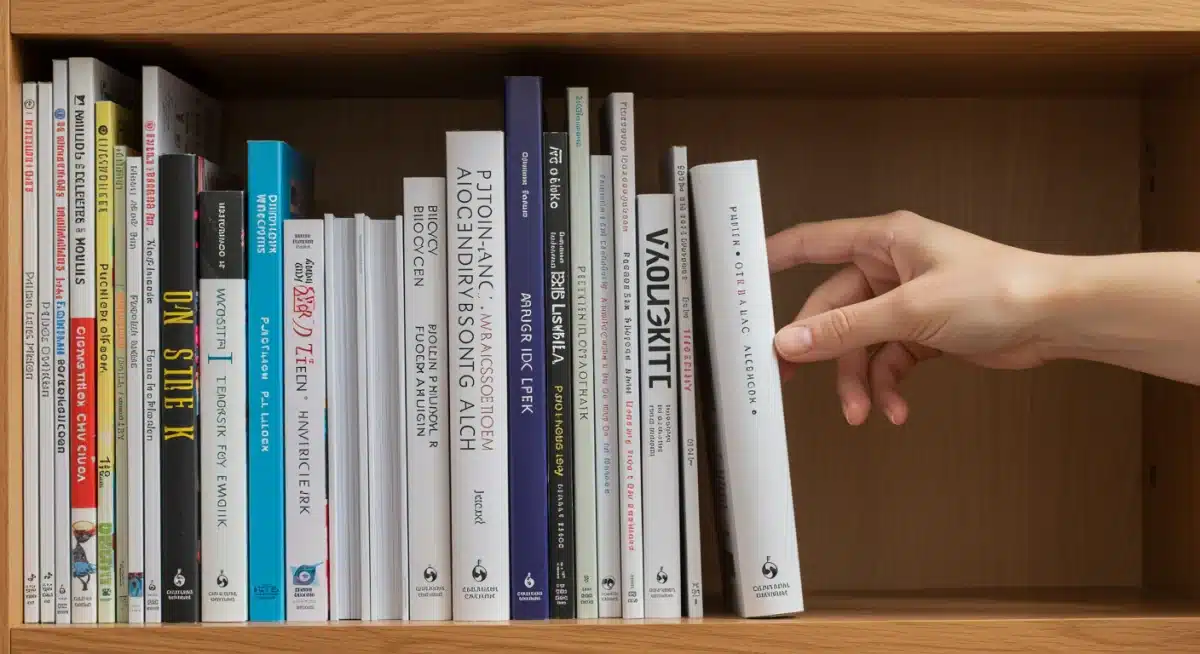
For the items you choose to keep, designate a special place for them. A memory box, a beautiful album, or a display shelf can serve as a sanctuary for these cherished belongings. The goal is to honor their significance without allowing them to contribute to clutter. By curating your sentimental items thoughtfully, you create a home that respects your past while embracing your present, ensuring that every memory brings joy, not burden.
Day 7: The Grand Finale – Maintaining Your Joyful Home
Congratulations! You’ve reached Day 7, the culmination of your intensive KonMari journey. This day is not about more decluttering, but about appreciating your newly organized space and establishing habits to maintain it. The KonMari Method isn’t a one-time event; it’s a lifestyle change that requires ongoing mindfulness and commitment. Today, take the time to truly experience the comfort and clarity your efforts have created.
Walk through each room of your home. Notice the spaciousness, the ease of movement, and the beauty of having only items that truly spark joy. This is the reward for your hard work—a home that feels like a sanctuary, a place where you can relax, be productive, and genuinely enjoy your surroundings. This feeling of accomplishment is a powerful motivator for sustaining your organized state.
Establishing Daily Tidying Habits
To prevent clutter from reaccumulating, it’s essential to integrate small, consistent tidying habits into your daily routine. Marie Kondo advocates for a ‘reset’ at the end of each day, where you put things back in their designated places. This simple practice takes only a few minutes but makes a significant difference in maintaining order.
- Designate a home for everything: Ensure every item has a specific place.
- Daily reset: Spend 5-10 minutes each evening putting things away.
- One in, one out: When you buy something new, consider letting go of an old item.
Another crucial aspect of maintenance is regular review. Every few months, take a quick scan of your home to ensure items are still sparking joy and that new clutter hasn’t crept in. The KonMari Method provides the framework for a comfortable and organized home, but it’s your continued dedication that will keep it that way. Embrace the joy of living in a space that truly reflects who you are and what you value, making your home a constant source of peace and inspiration.
Beyond the 7 Days: Embracing a KonMari Lifestyle
Completing the initial 7-day KonMari Declutter is a monumental achievement, but the true essence of the method lies in integrating its principles into your long-term lifestyle. It’s about cultivating a mindful relationship with your possessions and continuously striving for a home that supports your well-being. The journey doesn’t end with a tidy house; it evolves into a more intentional way of living.
The habit of asking “Does this spark joy?” should extend beyond the initial tidying process. Apply this question when considering new purchases. Before bringing an item into your home, pause and evaluate its potential to contribute positively to your life. This conscious consumption prevents new clutter from accumulating and ensures that every addition to your home is a deliberate choice.
The Ripple Effect of a Decluttered Home
A KonMari-organized home often has a profound ripple effect on other areas of your life. With less physical clutter, many people report feeling less mental clutter, leading to increased focus, reduced stress, and greater productivity. This newfound clarity can inspire you to organize other aspects of your life, from your finances to your digital presence, creating a more harmonious overall existence.
- Mindful consumption: Evaluate new purchases with the ‘spark joy’ criterion.
- Regular maintenance: Dedicate short periods for tidying and reviewing.
- Personal growth: Experience increased clarity, focus, and reduced stress.
Embracing a KonMari lifestyle also means fostering a deep sense of gratitude for the items you choose to keep. By appreciating their utility and the joy they bring, you develop a more respectful relationship with your belongings. This ongoing practice transforms your home into a truly comfortable, organized, and inspiring space, reflecting a life lived with intention and purpose. The 7-day journey is merely the beginning of a lifelong commitment to living a clutter-free and joyful life.
| Key Principle | Brief Description |
|---|---|
| Spark Joy | Keep only items that evoke a feeling of happiness or positive emotion. |
| Category by Category | Tackle all items in one category (e.g., clothes) before moving to the next. |
| Vertical Folding | Store clothes upright to maximize space and visibility in drawers. |
| Designate a Home | Ensure every item has a specific, designated storage location. |
Frequently asked questions about the KonMari Method
The core principle is to keep only items that ‘spark joy.’ This means holding each possession and assessing whether it brings happiness or positive feelings. If it does not, you respectfully thank it for its service and let it go, creating a home filled with things you truly love.
Tidying by category ensures you confront the true volume of your belongings for each type of item, preventing duplication and scattered items. This comprehensive approach helps you make definitive decisions about what to keep, leading to a more thorough and lasting decluttering effect across your entire home.
Hold the item in your hands and pay attention to your physical and emotional reaction. Does it make you feel lighter, happier, or more energized? If you feel nothing or even a sense of dread, it likely doesn’t spark joy. Practice helps refine this intuition over time, especially starting with less sentimental items.
For items that don’t spark joy, Marie Kondo suggests thanking them for their service before letting them go. You can then donate, recycle, or responsibly dispose of them. The act of gratitude helps in detaching emotionally and reinforces a positive mindset towards decluttering.
Absolutely. Maintenance is key. By establishing daily habits like putting things back in their designated places, practicing mindful consumption, and conducting occasional reviews, you can sustain the order and comfort achieved through the KonMari Method. It becomes an ongoing lifestyle of intentional living.
Conclusion
Embarking on the KonMari Method for a more comfortable and organized home in just 7 days is a transformative journey that extends far beyond mere tidying. It’s an invitation to engage in a profound dialogue with your belongings, fostering a deeper appreciation for what truly matters and letting go of what no longer serves you. By meticulously addressing each category with the ‘spark joy’ principle, you not only create a physically clutter-free environment but also cultivate a mental clarity that enhances your overall well-being. This methodical approach, from clothes to sentimental items, culminates in a living space that is a true sanctuary—a reflection of your aspirations and values. The lasting impact of the KonMari Method lies in its ability to empower you with sustainable habits, ensuring that your home remains a source of joy, comfort, and inspiration, day after day. Embrace this journey, and discover the profound peace that comes from living a truly organized and intentional life.