Home Fragrance Guide: Scents for Relaxation and Well-being
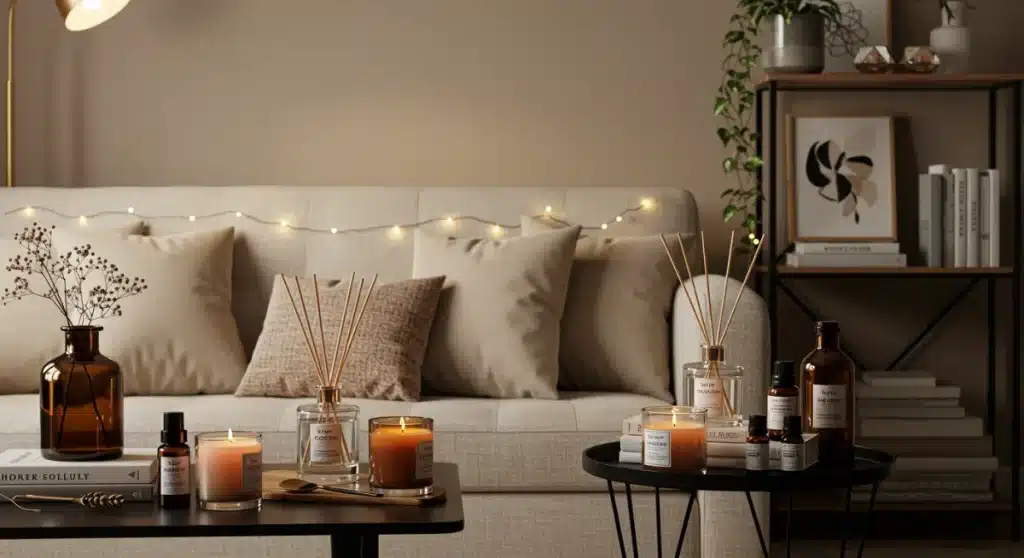
Choosing the right home fragrances involves understanding the psychological and physiological effects of various scents to curate an environment that actively supports relaxation and enhances overall well-being.
Ever walked into a space and felt an immediate shift in your mood? That’s the power of scent at play. This home fragrance guide will help you navigate the vast world of aromas, showing you how to choose the perfect scents to foster relaxation and enhance your well-being right in your own home.
The profound impact of scent on mood and well-being
Our sense of smell is incredibly powerful, directly linked to the limbic system in our brain, which is responsible for emotions, memory, and motivation. This direct connection explains why certain smells can instantly transport us to a different time or place, evoking strong feelings and memories. Understanding this link is the first step in harnessing the power of home fragrances to cultivate a desired atmosphere.
Beyond nostalgia, specific aromas have been scientifically shown to influence our physiological responses, such as heart rate, blood pressure, and stress levels. For instance, some scents can calm the nervous system, while others can invigorate or improve focus. Integrating intentional fragrances into your living space is not just about making your home smell good; it’s about creating an environment that actively supports your mental and emotional state.
The science behind aromatic influence
Aromachology, the study of the influence of odors on human behavior, reveals fascinating insights into how scents affect us. It’s not just a subjective experience; there are measurable changes in brain activity and hormonal responses. When we inhale aromatic molecules, they travel to the olfactory bulb, which then sends signals to the limbic system and other parts of the brain.
- Amygdala activation: Influences emotional processing and memory.
- Hippocampus engagement: Crucial for memory formation and retrieval.
- Hypothalamus regulation: Controls vital bodily functions, including stress response.
This intricate biological pathway means that a carefully chosen home fragrance can be a powerful tool for managing stress, improving sleep, and boosting overall mood. It’s about creating a holistic sensory experience that supports a healthier, more balanced lifestyle.
Tailoring scents to your desired outcome
The beauty of home fragrance lies in its versatility. You can switch scents based on the time of day, your current mood, or the activity you’re engaging in. For instance, a calming lavender might be perfect for an evening wind-down, while an uplifting citrus could be ideal for a morning energy boost. Considering the intended effect before selecting a fragrance product is key to maximizing its benefits.
Moreover, the quality of the fragrance matters. Opting for natural essential oils and high-quality fragrance blends ensures that you are inhaling pure, beneficial compounds rather than synthetic chemicals that might have adverse effects. Investing in good quality fragrances is an investment in your well-being.
In conclusion, the impact of scent on mood and well-being is undeniable and deeply rooted in our biology. By thoughtfully selecting and incorporating home fragrances, we can consciously shape our emotional landscape and create a living environment that nurtures relaxation and promotes a profound sense of peace.
Identifying your scent preferences for ultimate comfort
Before diving into the myriad of home fragrance options, it’s essential to understand your personal scent preferences. What smells do you naturally gravitate towards? What evokes feelings of comfort, happiness, or tranquility for you? Our individual responses to scents are highly personal, shaped by our memories, cultural background, and unique physiological makeup. Taking the time to identify these preferences will ensure that your chosen fragrances genuinely contribute to your well-being.
Often, people are drawn to certain scent families without even realizing it. Some prefer fresh and clean aromas, while others lean towards warm and spicy notes. Identifying these broader categories can help narrow down your options and make the selection process less overwhelming. Think about what scents you enjoy in nature, in food, or even in personal care products.
Exploring different scent families
Scent families provide a useful framework for understanding and categorizing fragrances. Each family has distinct characteristics that appeal to different preferences and evoke specific moods. Familiarizing yourself with these groups can help you articulate what you like and dislike, making your fragrance journey more guided.
- Floral: Rose, jasmine, lily, gardenia. Often associated with romance, femininity, and softness.
- Citrus: Lemon, orange, grapefruit, bergamot. Known for being uplifting, energizing, and refreshing.
- Woody: Sandalwood, cedarwood, pine. Earthy, grounding, and often perceived as calming and sophisticated.
- Spicy: Cinnamon, clove, nutmeg, ginger. Warm, inviting, and cozy, often associated with comfort.
- Fruity: Apple, peach, berry, mango. Sweet, playful, and often cheerful.
- Herbal/Green: Mint, rosemary, basil, cut grass. Fresh, clean, and invigorating, often evoking nature.
- Oriental: Vanilla, musk, amber, exotic spices. Rich, warm, and often luxurious, with a hint of mystery.
Consider which of these families resonate most with you. Do you find yourself consistently drawn to the fresh aroma of citrus or the comforting embrace of woody notes? Your past experiences with these smells will often be a strong indicator of what will bring you comfort and relaxation.
It’s also worth noting that many popular home fragrances are blends, combining elements from different families to create complex and appealing profiles. For example, a floral-citrus blend might offer both uplifting and romantic qualities, while a woody-spicy blend could be both grounding and cozy. Experimentation is key to finding your perfect signature blend.
Ultimately, identifying your scent preferences is a journey of self-discovery. Pay attention to how different smells make you feel, and trust your instincts. The goal is to create a scent environment that feels authentically yours, a place where you can truly unwind and feel at ease.
Popular home fragrance options for relaxation
With a clearer understanding of how scents influence mood and your personal preferences, it’s time to explore the most popular and effective home fragrance options specifically chosen for their relaxing qualities. Each method offers a unique way to disperse aroma, allowing you to tailor the intensity and longevity of the scent experience to your liking.
From subtle diffusers to more pronounced candles, the choices are abundant. It’s not just about the scent itself, but also how it integrates into your daily rituals and the aesthetic of your home. Consider the ambiance you wish to create and the practicalities of each option.
Essential oil diffusers for therapeutic benefits
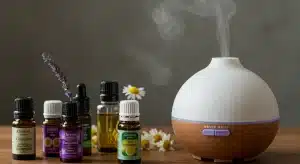
Essential oil diffusers are perhaps one of the most popular and therapeutic ways to introduce scent into your home. They work by dispersing a fine mist of essential oils into the air, allowing you to inhale their beneficial compounds directly. This method is highly customizable, as you can blend different oils to create unique aromas and adjust the intensity.
- Ultrasonic diffusers: Use water and ultrasonic vibrations to create a fine, cool mist, preserving the therapeutic qualities of essential oils.
- Nebulizing diffusers: Disperse pure essential oil without water, resulting in a more potent and concentrated aroma.
- Heat diffusers: Gently warm essential oils to evaporate them, often less intense but good for smaller spaces.
For relaxation, popular essential oils include lavender (calming, sleep-inducing), chamomile (soothing, stress-reducing), bergamot (uplifting, anxiety-reducing), and frankincense (grounding, meditative). Always ensure you are using high-quality, pure essential oils for the best results.
Scented candles for warmth and ambiance
Scented candles offer a dual benefit: a delightful aroma and the warm, flickering glow of a flame, which inherently contributes to a cozy and relaxing atmosphere. The visual element of a candle can be just as impactful as its scent in creating a tranquil environment. When choosing candles, look for those made with natural waxes like soy, beeswax, or coconut wax, as they burn cleaner and longer.
For relaxation, consider scents such as sandalwood, vanilla, amber, or a blend of soft florals. The act of lighting a candle can also be a mindful ritual, signaling to your mind and body that it’s time to unwind. Always place candles on a stable, heat-resistant surface and never leave them unattended.
Reed diffusers for continuous, subtle fragrance
Reed diffusers are an excellent choice for those who prefer a continuous, subtle release of fragrance without the need for heat or electricity. They consist of a vessel filled with fragranced oil and porous reeds that absorb the oil and gently diffuse the scent into the air. They are low-maintenance and safe, making them ideal for bedrooms, bathrooms, or offices where a constant, gentle aroma is desired.
Look for reed diffusers with essential oil-based formulas for a more natural aroma. Scents like eucalyptus, peppermint, or subtle oceanic notes can provide a refreshing yet relaxing backdrop. Remember to flip the reeds periodically to refresh the scent throw.
In summary, the array of home fragrance options provides numerous avenues for creating a relaxing sanctuary. Whether you prefer the therapeutic benefits of essential oils, the cozy ambiance of candles, or the subtle diffusion of reeds, selecting the right method and scent can significantly elevate your home environment for ultimate comfort and well-being.
Creating a scent layering strategy for a cohesive aroma
Just as you layer clothing to create an outfit or layer ingredients to build a complex dish, you can layer home fragrances to create a more cohesive, nuanced, and long-lasting aroma in your living space. A well-executed scent layering strategy ensures that the different fragrance elements in your home work in harmony, rather than competing with each other, resulting in a truly immersive and pleasant experience.
This approach allows for greater depth and personalization, moving beyond a single, flat scent to a multi-dimensional aromatic profile. It’s about thinking of your home as a whole and how different scents can complement each other across various rooms or even within the same space.
Understanding scent categories for layering
To effectively layer scents, it helps to categorize them by their dominant notes. This isn’t about rigid rules but rather a guide to understanding how different scents interact. Generally, you want to combine scents that share common elements or belong to complementary families, avoiding combinations that might clash or become overwhelming.
- Base notes: Often woody, musky, or resinous (e.g., sandalwood, cedar, vanilla). These are the foundation, providing depth and longevity.
- Middle notes: Typically floral, spicy, or green (e.g., rose, jasmine, cinnamon, rosemary). They emerge after the top notes fade and form the heart of the fragrance.
- Top notes: Usually citrusy, light, or fresh (e.g., lemon, bergamot, mint). These are the first scents you notice, providing an initial burst of aroma.
When layering, consider using a base note as your primary scent throughout a larger area, then introducing middle and top notes in specific zones to create subtle variations and interests. For example, a vanilla candle (base) in the living room can be complemented by a citrus diffuser (top) in the entryway.
Practical tips for layering fragrances
Start simple and experiment. Don’t try to use too many different scents at once. Begin with two or three complementary fragrances and see how they blend. Pay attention to the intensity of each product; a powerful candle might overpower a subtle reed diffuser.
Consider the function of each room. A calming lavender in the bedroom, an invigorating peppermint in the home office, and a welcoming vanilla in the living room can create distinct but harmonious zones. You can also layer within a single room by using different fragrance formats, such as a reed diffuser providing a constant background scent, augmented by a candle for an evening boost.
Remember that ventilation is crucial. Even with the most delightful layered scents, fresh air helps to keep the aroma from becoming stagnant or too strong. Opening a window for a few minutes each day can refresh the air and allow your layered fragrances to shine anew.
In essence, scent layering is an art form that allows you to sculpt the olfactory landscape of your home. By thoughtfully combining different fragrance types and formats, you can create a unique and deeply personal aromatic experience that consistently promotes comfort and well-being.
Seasonal scents and their psychological benefits

Our perception of comfort and well-being often shifts with the seasons. Just as we change our wardrobes and diets, adapting our home fragrances to align with the time of year can significantly enhance our mood and create a more harmonious living environment. Seasonal scents are not just about aesthetics; they tap into our deep-seated associations with nature’s cycles, offering unique psychological benefits.
Embracing seasonal aromas allows us to celebrate the present moment and connect with the natural world, even from within our homes. It’s a subtle yet powerful way to bring the outside in and foster a sense of renewal, coziness, or freshness, depending on the season.
Spring: fresh beginnings and revitalization
As winter gives way to spring, our desire for lightness and renewal awakens. Spring scents often mirror this desire, featuring crisp, clean, and floral notes that evoke new growth and fresh air. These aromas can be particularly uplifting and help to shake off any lingering winter blues.
- Scents: Green tea, lily of the valley, fresh linen, light citrus (lemon, grapefruit), mint, cut grass.
- Psychological benefits: Invigoration, clarity, mood elevation, a sense of cleanliness and purity.
Diffusing these scents can help to energize your mornings and create an optimistic atmosphere, encouraging productivity and a positive outlook. They are perfect for revitalizing spaces after a long winter.
Summer: vibrant energy and relaxation
Summer calls for scents that are vibrant, refreshing, and reminiscent of sunny days and leisurely activities. These fragrances often have a cooling effect and can evoke feelings of freedom and joy, perfect for combating the heat and fostering a relaxed, vacation-like vibe.
- Scents: Coconut, pineapple, sea salt, cucumber, watermelon, jasmine, neroli, strong citrus.
- Psychological benefits: Refreshment, relaxation, happiness, stress reduction, a feeling of openness.
Consider using these scents in areas where you entertain or relax outdoors, extending the summer feeling throughout your home. They can transform your space into a cheerful escape.
Autumn: warmth, coziness, and introspection
As leaves turn and temperatures drop, autumn invites us to seek warmth and comfort. Fall scents are typically rich, spicy, and earthy, aligning with the season’s themes of harvest, introspection, and coziness. These aromas can provide a sense of grounding and security.
- Scents: Pumpkin spice, cinnamon, clove, apple, cedarwood, sandalwood, amber, frankincense.
- Psychological benefits: Comfort, warmth, grounding, nostalgia, a sense of security and peacefulness.
These fragrances are ideal for creating a welcoming and intimate atmosphere, perfect for evenings spent indoors, reading, or enjoying time with loved ones. They promote a feeling of being snuggled in.
Winter: calm, contemplation, and festive spirit
Winter scents often blend elements of warmth, fresh crispness, and festive cheer. They can be both invigorating and comforting, reflecting the season’s duality of cold outside and warmth within. These aromas often evoke traditions and a sense of calm contemplation.
- Scents: Pine, fir, peppermint, vanilla, cranberry, cedar, myrrh, frankincense.
- Psychological benefits: Calmness, festive cheer, introspection, comfort, a sense of freshness and peace.
Utilizing these scents helps to create a serene environment that can counteract the hustle and bustle of the holiday season, or simply enhance the quiet beauty of winter days.
By consciously selecting seasonal home fragrances, you can continuously refresh your living environment, ensuring it always feels in tune with the natural rhythm of the year and actively supports your emotional well-being.
Safety and best practices for home fragrance use
While home fragrances offer wonderful benefits for relaxation and well-being, it’s crucial to prioritize safety and adhere to best practices to ensure a healthy and enjoyable experience. Improper use can lead to potential hazards or diminish the positive effects you’re aiming to achieve. From proper ventilation to understanding ingredient lists, a mindful approach is key.
Being informed about the products you bring into your home not only protects your health but also enhances the overall effectiveness of your fragrance choices. Always remember that a pleasant aroma should never come at the expense of safety.
Ventilation and air quality considerations
Good ventilation is paramount when using any home fragrance, especially candles and sprays. While these products release pleasant aromas, they can also release particulate matter and volatile organic compounds (VOCs) into the air. Ensuring adequate airflow helps to disperse these compounds and maintain healthy indoor air quality.
- Open windows: Periodically open windows for a few minutes, even in colder weather, to allow fresh air to circulate.
- Use exhaust fans: In bathrooms and kitchens, utilize exhaust fans to draw out stale air and replace it with fresh air.
- Avoid enclosed spaces: Do not use strong fragrances in small, poorly ventilated rooms for extended periods.
For essential oil diffusers, while generally safer, it’s still good practice to use them in well-ventilated areas and follow manufacturer guidelines regarding run times. Over-diffusing can lead to an overly concentrated aroma, which might cause discomfort or headaches for some individuals.
Choosing quality products and understanding ingredients
The market is flooded with home fragrance products, but not all are created equal. Opting for high-quality products from reputable brands is a critical step in ensuring safety. Be wary of overly cheap options, as they may contain synthetic ingredients that could be harmful or irritating.
When selecting candles, look for those made from natural waxes like soy, beeswax, or coconut wax, and with cotton or wood wicks. Avoid paraffin wax candles if you are sensitive to soot or certain chemicals. For essential oils, always choose 100% pure, therapeutic-grade oils from trusted sources. Read ingredient labels carefully and research any unfamiliar terms.
Placement and fire safety with candles

If you’re using scented candles, fire safety should always be your top priority. Candles are open flames and require careful handling and placement to prevent accidents. Never leave a burning candle unattended, and always keep it away from flammable materials.
- Stable surfaces: Place candles on a stable, heat-resistant surface, away from drafts, vents, or open windows.
- Clear surroundings: Ensure there are no curtains, papers, or other combustible items nearby.
- Out of reach: Keep candles out of reach of children and pets.
- Trim wicks: Trim candle wicks to about 1/4 inch before each use to ensure a clean, even burn and prevent excessive smoke.
- Extinguish properly: Always extinguish candles completely before leaving a room or going to sleep.
By integrating these safety measures and best practices into your home fragrance routine, you can fully enjoy the relaxing and well-being-enhancing benefits of aromas without any undue concerns. A little mindfulness goes a long way in creating a safe and fragrant sanctuary.
Integrating home fragrances into your daily rituals
To truly harness the power of home fragrances for relaxation and well-being, it’s beneficial to integrate them intentionally into your daily rituals. This isn’t about constantly having a scent in the air, but rather using aromas strategically to mark transitions, enhance specific activities, and reinforce desired emotional states. By weaving scents into your routine, you create powerful subconscious cues that support your mental and physical health.
Think of fragrance as an invisible layer that can elevate mundane moments into mindful experiences. From your morning routine to your evening wind-down, incorporating specific scents can help you stay present, focused, and relaxed throughout the day.
Morning rituals for energy and focus
Start your day with scents that invigorate and prepare you for productivity. Citrus essential oils like lemon, orange, or grapefruit are known for their uplifting properties, while peppermint can enhance focus and clarity. Diffusing these scents as you get ready, enjoy breakfast, or tackle your initial tasks can set a positive tone for the entire day.
- Diffuser in the morning: Use energizing blends in your workspace or kitchen.
- Scented shower steamers: Infused with eucalyptus or peppermint for a refreshing start.
- Room spray: A light, fresh scent in transitional areas like hallways.
The key is consistency. By associating specific scents with your morning routine, your brain will begin to anticipate the invigorating effects, making the transition into your day smoother and more focused.
Afternoon refresh and stress relief
The afternoon can often bring a dip in energy or an increase in stress. This is an ideal time to introduce scents that offer a gentle refresh and help to alleviate tension. Herbal and green notes can provide a sense of clarity, while some citrus scents can continue to uplift without being overstimulating.
Consider a quick spritz of a botanical room spray or a short session with a diffuser in your office or a common area. Scents like rosemary, bergamot, or even a subtle floral blend can help clear your mind and re-energize you for the rest of the day, preventing the afternoon slump from taking over.
Evening wind-down and sleep preparation
As the day concludes, transitioning to calming and soothing scents is crucial for preparing your mind and body for rest. Lavender is a classic choice for its known sedative properties, while chamomile, frankincense, and sandalwood can also promote relaxation and a deeper sleep.
Integrate these scents into your evening routine:
- Bedroom diffuser: Start diffusing calming essential oils an hour before bed.
- Pillow mist: A gentle spray of lavender or chamomile on your pillow.
- Scented bath: Add essential oils to a warm bath for a relaxing soak.
- Candle ritual: Light a soothing candle as you read or meditate before sleep.
Creating this aromatic cue helps signal to your body that it’s time to slow down, encouraging a more peaceful transition to sleep and enhancing overall restorative rest. The consistency of these scent-based rituals reinforces their effectiveness over time.
By thoughtfully weaving home fragrances into your daily rituals, you transform simple routines into powerful self-care practices. Each scent becomes a subtle reminder to pause, breathe, and align with your desired state of mind, fostering a continuous environment of relaxation and well-being.
Sustainable and natural home fragrance choices

In today’s conscious consumer landscape, the demand for sustainable and natural products extends to home fragrances. Many individuals are seeking options that not only smell good but are also environmentally friendly, ethically sourced, and free from potentially harmful synthetic chemicals. Choosing sustainable and natural home fragrance options is a way to enhance your well-being while also contributing positively to the planet and your indoor air quality.
This shift towards natural alternatives reflects a growing awareness of the impact our consumption habits have on both our health and the environment. Making informed choices in this area allows for a truly holistic approach to home comfort and lifestyle.
The benefits of natural ingredients
Natural home fragrances typically derive their scents from essential oils, plant extracts, and other botanical sources. These ingredients are biodegradable and often carry therapeutic benefits that synthetic fragrances cannot replicate. Opting for natural means avoiding phthalates, parabens, and other petrochemicals commonly found in conventional products, which some studies suggest may have adverse health effects.
- Purity: Essential oils are direct extracts from plants, retaining their inherent therapeutic properties.
- Biodegradability: Natural ingredients break down harmlessly in the environment.
- Fewer allergens: While some natural ingredients can be allergens, many people find them less irritating than synthetic compounds.
Furthermore, natural fragrances often have a more nuanced and complex aroma profile, evolving subtly over time rather than presenting a static, artificial smell. This can contribute to a more sophisticated and enjoyable sensory experience in your home.
Eco-friendly packaging and production
Sustainability in home fragrances goes beyond just the ingredients; it also encompasses packaging and production practices. Look for brands that prioritize eco-friendly packaging, such as recyclable glass, aluminum, or post-consumer recycled materials. Refillable options are also an excellent choice for reducing waste.
Consider the production process as well. Brands committed to sustainability often use renewable energy, minimize water waste, and ensure ethical labor practices throughout their supply chain. Supporting these companies helps to promote a more responsible industry overall.
DIY fragrance solutions for ultimate control
For those who want complete control over their home fragrances and maximal sustainability, DIY options are an excellent route. Making your own sprays, diffusers, or even candles allows you to choose every ingredient, ensuring purity and avoiding unwanted additives. This also tends to be a more cost-effective approach in the long run.
- Essential oil sprays: Mix essential oils with distilled water and a touch of witch hazel in a spray bottle.
- DIY reed diffusers: Combine essential oils with a carrier oil (like fractionated coconut oil) and use bamboo reeds.
- Potpourri: Dried flowers, herbs, and spices can be lightly scented with essential oils for a natural, decorative aroma.
- Simmer pots: Boil water with fruit peels, spices (cinnamon, cloves), and herbs for a natural, evolving fragrance.
Creating your own fragrances is a rewarding process that connects you more deeply with the scents you bring into your home, ensuring they align perfectly with your values for health, well-being, and environmental stewardship.
Embracing sustainable and natural home fragrance choices is a powerful way to align your lifestyle with your values, creating a healthier home environment that is both delightful to the senses and responsible towards the planet.
| Key Aspect | Brief Description |
|---|---|
| Scent Psychology | Aromas directly influence emotions, memory, and physiological responses like stress and relaxation. |
| Personal Preference | Identifying preferred scent families (floral, citrus, woody, etc.) is crucial for effective fragrance selection. |
| Fragrance Options | Essential oil diffusers, scented candles, and reed diffusers offer varied benefits and ambiance. |
| Safety & Sustainability | Prioritize ventilation, quality ingredients, fire safety, and eco-friendly products for a healthy home. |
Frequently asked questions about home fragrances
For relaxation, lavender is widely recognized for its calming and sleep-inducing properties. Other excellent choices include chamomile, bergamot, frankincense, and sandalwood. These essential oils can help reduce stress, soothe anxiety, and create a peaceful atmosphere, making them ideal for evening routines or moments of quiet contemplation.
To avoid overwhelming your space, start with a subtle fragrance and adjust as needed. Consider the room size; smaller rooms require less intense options. Reed diffusers offer a continuous, gentle scent, while essential oil diffusers allow you to control intensity by adjusting drops or run time. For candles, choose smaller sizes or burn for shorter durations.
Natural home fragrances, typically derived from essential oils and plant extracts, are often preferred for their therapeutic benefits and biodegradability. They generally contain fewer synthetic chemicals like phthalates. While not all synthetics are harmful, natural options offer purity and a more holistic approach to well-being, though individual sensitivities can vary.
Yes, layering home fragrances can create a more complex and personalized aroma profile. Choose complementary scents from different families, such as a woody base with a citrus top note. Use different formats like a reed diffuser for a constant background and a candle for an accent. Experimentation is key to finding harmonious combinations.
Always place scented candles on a stable, heat-resistant surface away from flammable materials, children, and pets. Never leave a burning candle unattended. Trim the wick to 1/4 inch before each use to ensure a clean burn and prevent excessive smoke. Extinguish candles completely before leaving the room or going to sleep.
Conclusion
Navigating the world of home fragrances offers a unique opportunity to transform your living space into a personalized sanctuary that actively supports your relaxation and well-being. By understanding the profound impact of scent on mood, identifying your personal preferences, exploring various fragrance options, and adopting safe and sustainable practices, you can curate an aromatic environment that truly resonates with your lifestyle. Integrating these thoughtful choices into your daily rituals not only enhances comfort but also fosters a deeper connection to your home, making every breath an opportunity for peace and rejuvenation.