Develop Self-Discipline: Strategies for Goals & Staying on Track

Developing self-discipline is crucial for achieving personal and professional goals, enabling individuals to overcome procrastination, build consistent habits, and maintain focus on their long-term aspirations despite immediate temptations or challenges.
To develop self-discipline is to unlock a profound capacity for personal growth and sustained achievement. It’s the inner strength that propels you past fleeting desires towards meaningful, long-term objectives, transforming aspirations into tangible realities. This journey is not about rigid self-deprivation, but rather about cultivating deliberate choices that align with your deepest values and ambitions.
Understanding the Core of Self-Discipline
Self-discipline, at its heart, is the ability to control your impulses, emotions, and desires to stay focused on what you deem most important. It’s about exercising willpower to make choices that serve your long-term interests, even when immediate gratification beckons. This foundational skill is not something you are born with; it is cultivated through consistent practice and a deep understanding of its mechanisms.
Many people mistakenly view self-discipline as a form of punishment or constant struggle. However, a more accurate perspective reveals it as a powerful tool for freedom. By mastering your own actions and reactions, you become less susceptible to external influences and internal distractions, thereby gaining greater control over your life’s direction. This control leads to a sense of empowerment and capability, paving the way for consistent progress.
The Psychology Behind Willpower
Willpower, a key component of self-discipline, is often described as a finite resource that can be depleted throughout the day. Researchers suggest that just like a muscle, it can be strengthened with exercise but also fatigued with overuse. Understanding this concept is vital for strategically planning your day and allocating your mental energy effectively.
- Ego Depletion: The idea that self-control draws on a limited pool of mental resources.
- Decision Fatigue: The more decisions you make, the harder it becomes to make good ones.
- Mental Breaks: Incorporating short rests can help replenish willpower reserves.
Recognizing the limitations of willpower allows for a more compassionate and effective approach to developing self-discipline. Instead of relying solely on sheer force of will, which can lead to burnout, it encourages the creation of supportive environments and routines that reduce the need for constant decision-making and resistance to temptation.
Ultimately, understanding the core of self-discipline means acknowledging its role not as a restrictive force, but as a liberating one. It’s the consistent effort to align daily actions with overarching life goals, leading to a more purposeful and fulfilling existence where you are the architect of your own destiny, rather than a passenger swayed by every passing impulse.
Setting Clear and Achievable Goals
The journey to develop self-discipline truly begins with a destination in mind. Without clear, well-defined goals, self-discipline lacks direction and purpose. It’s like having a powerful engine without a steering wheel; you have potential energy, but no way to guide it effectively. Therefore, the first practical step is to articulate what you want to achieve with utmost clarity, making sure these goals are not just dreams, but actionable objectives.
Many individuals struggle with self-discipline not because they lack willpower, but because their goals are too vague, overwhelming, or unrealistic. A goal such as “I want to be successful” is admirable but offers no concrete path for action. To infuse your self-discipline with purpose, your goals must be specific, measurable, achievable, relevant, and time-bound (SMART).
The SMART Goal Framework
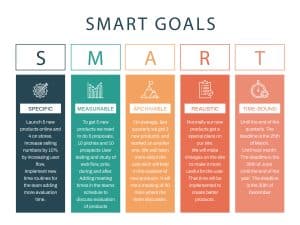
The SMART framework is a highly effective tool for transforming abstract desires into concrete plans. Each component serves a crucial role in ensuring your goals are not only aspirational but also practical and motivating.
- Specific: Clearly define what you want to achieve. What exactly do you want to accomplish?
- Measurable: How will you know when you’ve reached your goal? What metrics will you use?
- Achievable: Is the goal realistic given your resources and constraints? Can it be done?
- Relevant: Does this goal align with your values and other long-term objectives? Is it meaningful to you?
- Time-bound: When do you want to achieve this goal? Set a clear deadline.
For example, instead of “I want to get fit,” a SMART goal would be “I will run a 5k race in under 30 minutes by next October, by training four times a week.” This level of detail provides a roadmap for your self-disciplined efforts, making it easier to track progress and stay motivated.
Once your goals are SMART, break them down into smaller, manageable steps. This process reduces the feeling of being overwhelmed and provides a series of mini-victories that fuel your self-discipline. Each completed step reinforces your commitment and builds momentum, making the larger goal seem less daunting and more attainable. This systematic approach ensures that your self-discipline is always working towards a tangible outcome, making the effort feel worthwhile.
Building Consistent Habits and Routines
The secret to sustained self-discipline often lies not in monumental acts of willpower, but in the consistent application of small, well-chosen habits. Habits are automated behaviors that require minimal cognitive effort, freeing up your willpower for more complex decisions. By intentionally designing routines that support your goals, you essentially put your self-discipline on autopilot, making it easier to stay on track.
Think about how many small decisions you make each day that could be streamlined. From waking up at a certain time to exercising or studying, establishing routines for these activities can significantly reduce decision fatigue and the need for constant self-negotiation. This shift from conscious effort to automatic behavior is a cornerstone of effective self-discipline.
The Power of Atomic Habits
James Clear, in his book “Atomic Habits,” highlights the profound impact of tiny, incremental changes. He argues that significant improvements come from the compound effect of small, consistent habits, not from radical transformations. This perspective is particularly empowering for anyone looking to develop self-discipline, as it makes the process feel less overwhelming and more accessible.
- Make it Obvious: Design your environment to make desired actions visible and easy.
- Make it Attractive: Find ways to make your habits more appealing or pair them with something you enjoy.
- Make it Easy: Reduce the friction associated with good habits; make them as effortless as possible.
- Make it Satisfying: Ensure there’s an immediate reward or positive feeling linked to completing the habit.
Implementing these principles means consciously structuring your environment and daily schedule to support your desired behaviors. For instance, if you want to start exercising, lay out your workout clothes the night before. If you aim to read more, keep a book on your bedside table instead of your phone. These small adjustments create a friction-free path toward your goals, reinforcing your self-discipline without constantly draining your willpower.

Developing self-discipline is not about forcing yourself to do things you hate, but rather about strategically building systems that make it easier to do the things you know are good for you. By focusing on building consistent habits and routines, you create a powerful framework that supports your long-term objectives, ensuring that your efforts are sustainable and yield lasting results.
Overcoming Procrastination and Distractions
Even with clear goals and established routines, the path to develop self-discipline is rarely smooth. Procrastination and distractions are formidable adversaries that can derail even the most well-intentioned plans. Learning to identify their triggers and implement effective counter-strategies is crucial for maintaining momentum and staying on track towards your goals. These challenges are not signs of weakness, but rather common hurdles that everyone faces, and they can be overcome with conscious effort.
Procrastination often stems from a fear of failure, a lack of clarity, or simply an aversion to tasks we find unpleasant. Distractions, on the other hand, are external or internal stimuli that pull our attention away from the task at hand. Both require a proactive approach to manage them effectively, preventing them from undermining your self-discipline.
Strategies Against Procrastination
Tackling procrastination involves a combination of psychological techniques and practical adjustments. It’s about making the daunting task seem less intimidating and increasing your motivation to start.
- The 5-Minute Rule: Commit to working on a task for just five minutes. Often, once you start, you’ll find it easier to continue.
- Break It Down: Divide large tasks into smaller, more manageable sub-tasks. Focus on completing one small piece at a time.
- Reward System: Promise yourself a small, immediate reward upon completing a difficult task or a segment of it.
- Accountability: Share your goals with someone or use an accountability partner to keep you motivated.
Minimizing Digital Distractions
In our hyper-connected world, digital distractions are rampant. Phones, social media, and endless notifications constantly compete for our attention, making focused work incredibly challenging. To develop self-discipline in this environment, you must actively manage your digital landscape.
- Turn Off Notifications: Silence non-essential alerts on your phone and computer.
- Use Focus Apps: Employ tools that block distracting websites or apps for set periods.
- Designate “Focus Times”: Schedule specific blocks in your day for deep work, free from digital interruptions.
- Create a “Digital-Free Zone”: Establish physical spaces or times where technology is intentionally absent.
By consciously implementing these strategies, you create an environment that supports your self-disciplined efforts, rather than constantly challenging them. Overcoming procrastination and distractions isn’t about eliminating them entirely, but about developing robust mechanisms to minimize their impact and regain focus quickly when they do arise. This ongoing practice strengthens your mental resilience and reinforces your commitment to your goals.
Cultivating Motivation and Resilience

Self-discipline is not just about forcing yourself to do things; it’s also about cultivating the internal drive and mental toughness to persist when challenges arise. Motivation and resilience are the fuel and shock absorbers for your self-disciplined journey. Without them, even the strongest willpower can falter in the face of setbacks or prolonged effort. Nurturing these qualities is essential for sustainable progress towards your goals.
Motivation can fluctuate, making it an unreliable sole driver for long-term objectives. However, understanding its different forms and how to tap into them can provide significant boosts. Resilience, on the other hand, is the capacity to recover quickly from difficulties, ensuring that temporary failures do not derail your overall progress. Both are dynamic aspects of your self-disciplined character.
Sources of Motivation
Motivation isn’t a single entity; it comes in various forms, each with its own strengths. Tapping into these different wellsprings can help maintain your drive even when external circumstances are less than ideal.
- Intrinsic Motivation: Driven by internal rewards, such as enjoyment, interest, or personal satisfaction. This is often the most powerful and sustainable form.
- Extrinsic Motivation: Driven by external rewards, like money, praise, or avoiding punishment. While effective, it can be less sustainable long-term.
- Purpose-Driven Motivation: Stemming from a deep understanding of why your goals matter and how they align with your values.
To foster intrinsic and purpose-driven motivation, regularly remind yourself of the “why” behind your goals. Visualize the positive outcomes of your efforts and connect your daily tasks to your larger vision. This regular reflection reinforces the meaning and importance of your self-disciplined actions.
Building Mental Resilience
Life is full of unexpected twists and turns, and setbacks are inevitable. Resilience is your ability to bounce back, learn from adversity, and continue moving forward. It’s a critical component for anyone striving to develop self-discipline over the long haul.
- Embrace a Growth Mindset: View challenges and failures as opportunities for learning and improvement, rather than insurmountable obstacles.
- Practice Self-Compassion: Be kind to yourself during difficult times. Acknowledge your struggles without harsh self-criticism.
- Develop Problem-Solving Skills: Instead of dwelling on problems, focus on finding solutions and taking actionable steps.
- Seek Support: Connect with others who share similar goals or can offer encouragement and advice.
By actively cultivating motivation and resilience, you equip yourself with the inner strength needed to navigate the inevitable ups and downs of pursuing your goals. These qualities transform self-discipline from a mere act of willpower into a sustainable lifestyle, ensuring that your commitment remains steadfast through all circumstances, ultimately leading to greater fulfillment and success.
The Role of Self-Care in Sustaining Discipline
Often overlooked, self-care is a non-negotiable component of sustainable self-discipline. It’s easy to fall into the trap of believing that more effort, more pushing, and more deprivation are the keys to success. However, neglecting your physical, mental, and emotional well-being is a fast track to burnout, decreased productivity, and ultimately, a breakdown in self-discipline. True self-discipline recognizes the importance of replenishment to maintain peak performance and consistent effort.
Think of self-discipline like a high-performance engine. Without regular maintenance, proper fuel, and occasional rest, even the most powerful engine will eventually fail. Similarly, your personal engine—your mind and body—requires consistent care to function optimally and sustain the demands of disciplined living.
Prioritizing Physical Well-being
Your physical health forms the bedrock of your ability to exercise self-discipline. When your body is well-rested, nourished, and active, your mind is sharper, your energy levels are higher, and your willpower is more robust.
- Adequate Sleep: Aim for 7-9 hours of quality sleep per night. Sleep deprivation severely impairs cognitive function and self-control.
- Nutritious Diet: Fuel your body with whole foods that provide sustained energy. Avoid excessive sugar and processed foods that lead to energy crashes.
- Regular Exercise: Physical activity reduces stress, boosts mood, and improves focus, all of which directly support self-discipline.

Nurturing Mental and Emotional Health
Beyond the physical, your mental and emotional state profoundly impacts your capacity for self-discipline. Stress, anxiety, and negative emotions can quickly erode your resolve and make it difficult to stay on track.
- Mindfulness and Meditation: Practices that enhance self-awareness, emotional regulation, and focus, strengthening your mental muscles.
- Stress Management: Implement techniques like deep breathing, journaling, or spending time in nature to mitigate the effects of stress.
- Scheduled Breaks and Downtime: Consciously build periods of rest and relaxation into your routine to prevent mental fatigue.
- Positive Self-Talk: Challenge negative thoughts and replace them with empowering affirmations to maintain a resilient mindset.
Integrating self-care into your disciplined routine is not a luxury; it’s a strategic imperative. By prioritizing your physical, mental, and emotional health, you create a robust foundation that allows your self-discipline to flourish, ensuring that your efforts are not only effective but also sustainable over the long term. This holistic approach transforms self-discipline from a demanding chore into an integrated lifestyle that supports your overall well-being and success.
Tracking Progress and Celebrating Milestones
To effectively develop self-discipline, it’s essential to not only set goals and establish habits but also to actively monitor your journey. Tracking progress provides invaluable feedback, highlights areas for improvement, and, most importantly, offers tangible proof of your efforts. This reinforcement is crucial for maintaining motivation and reinforcing your commitment, especially during periods when the ultimate goal seems distant. It transforms abstract aspirations into a series of observable achievements.
Many people abandon their self-disciplined efforts because they don’t see immediate results or feel like their hard work isn’t paying off. By systematically tracking your progress, you gain a clearer perspective on how far you’ve come, which can be an incredibly powerful motivator. It allows you to recognize the cumulative effect of small, consistent actions, making the journey feel more rewarding and less arduous.
Methods for Tracking Your Progress
There are numerous ways to track your progress, and the best method often depends on your personal preferences and the nature of your goals. The key is to choose a system you can consistently stick with.
- Journaling: Regularly write down your daily achievements, challenges, and reflections. This provides a qualitative record of your journey.
- Habit Trackers: Use apps, spreadsheets, or physical calendars to mark off each day you complete a desired habit. This creates a visual chain of consistency.
- Performance Metrics: For specific goals (e.g., fitness, finances), track measurable data points like weight, distance run, savings amount, or project completion rates.
- Regular Reviews: Schedule weekly or monthly check-ins to assess your progress, identify roadblocks, and adjust your strategies as needed.
Consistent tracking not only keeps you accountable but also helps you understand what strategies are working and which ones need refinement. It turns your self-disciplined journey into a data-driven process, allowing for informed adjustments and continuous improvement.
The Importance of Celebration

While the ultimate goal is important, acknowledging and celebrating smaller milestones along the way is vital for sustaining long-term self-discipline. These celebrations act as positive reinforcement, boosting your morale and making the journey more enjoyable. They provide a psychological reward that strengthens the neural pathways associated with your disciplined behaviors.
- Small Rewards: Treat yourself to something enjoyable (e.g., a favorite food, a new book, an hour of guilt-free relaxation) after hitting a significant milestone.
- Public Recognition: Share your achievements with trusted friends, family, or an accountability partner. External validation can be a powerful motivator.
- Reflect and Acknowledge: Take time to pause and truly appreciate the effort you’ve put in and the progress you’ve made.
Celebrating milestones is not about grand gestures but about recognizing the importance of consistent effort. It reinforces the idea that self-discipline is a rewarding process, not just a means to an end. By tracking your progress and celebrating each step forward, you build a positive feedback loop that fuels your motivation, strengthens your resilience, and ultimately allows you to develop self-discipline that endures, propelling you towards your most ambitious goals.
| Key Strategy | Brief Description |
|---|---|
| Set SMART Goals | Define Specific, Measurable, Achievable, Relevant, and Time-bound objectives to provide clear direction. |
| Build Atomic Habits | Implement small, consistent routines that make desired actions obvious, attractive, easy, and satisfying. |
| Practice Self-Care | Prioritize sleep, nutrition, exercise, and mental well-being to sustain energy and willpower for long-term discipline. |
| Track & Celebrate | Monitor progress regularly and acknowledge milestones to maintain motivation and reinforce positive behaviors. |
Frequently Asked Questions About Self-Discipline
The most effective way to start is by setting one small, specific, and achievable goal. Focus on consistently completing this one habit daily, even if it’s just for five minutes. This builds momentum and confidence, making it easier to add more disciplined behaviors over time without feeling overwhelmed.
When motivation wanes, revisit your “why” – the core reason for your goal. Remind yourself of the long-term benefits and visualize success. Break down tasks into even smaller steps, and celebrate tiny victories. Seeking support from an accountability partner can also provide a crucial boost.
No, self-discipline is not about constant deprivation. It’s about making conscious choices that align with your long-term values and goals, often requiring temporary sacrifices for greater future rewards. It also includes self-care and allowing for flexibility to prevent burnout, ensuring sustainability.
Developing self-discipline is an ongoing journey, not a destination. While new habits can form in 66 days on average, mastering overall self-discipline is a continuous process of learning, adapting, and practicing. Consistent effort over months and years leads to significant and lasting improvements.
Environment plays a crucial role. A well-organized space free from distractions can significantly reduce the need for willpower. Design your surroundings to make desired actions easy and visible, and undesirable actions difficult. This includes digital environments by managing notifications and app usage.
Conclusion
The journey to develop self-discipline is a transformative path that empowers individuals to take charge of their lives and manifest their deepest aspirations. It is not an innate trait but a skill meticulously cultivated through intentional goal setting, consistent habit formation, strategic navigation of obstacles like procrastination, and the crucial practice of self-care. By understanding the psychology behind willpower, breaking down ambitious goals into manageable steps, and celebrating every small victory, anyone can build the resilience needed to stay focused and achieve remarkable success. Embracing self-discipline means fostering a lifestyle where conscious choices consistently lead towards a more purposeful, productive, and fulfilling existence, ultimately allowing you to author the life you truly desire.