Cultivate Gratitude: 30-Day Challenge for Happiness & Well-being

This 30-day cultivate gratitude challenge offers a structured path to enhance happiness and overall well-being by integrating mindful appreciation into daily life, fostering a positive outlook and deeper connections.
Embarking on a journey to cultivate gratitude challenge can profoundly transform your daily experience, shifting your focus from what’s lacking to the abundance surrounding you. This isn’t just a fleeting trend; it’s a scientifically-backed practice that enhances happiness, improves relationships, and bolsters your overall well-being. Over the next 30 days, we’ll guide you through actionable steps designed to integrate appreciation into the very fabric of your life, leading to a more positive and fulfilling existence.
Understanding the Science of Gratitude
Gratitude is often perceived as a simple emotion, a polite ‘thank you’ for a kind gesture. However, its impact extends far beyond mere social etiquette. Scientific research increasingly reveals that an active practice of gratitude can rewire our brains, leading to tangible improvements in mental, emotional, and even physical health. This understanding forms the bedrock of why a dedicated challenge to cultivate gratitude can be so effective.
When we intentionally focus on what we are grateful for, our brains release neurotransmitters like dopamine and serotonin, often referred to as the ‘happiness hormones.’ These chemicals not only elevate our mood but also contribute to a sense of calm and contentment. Over time, consistent gratitude practice can strengthen neural pathways associated with positive emotions, making it easier to experience joy and optimism even in challenging circumstances.
The neurological benefits of thankfulness
- Enhanced Mood: Regular gratitude practice is linked to lower rates of depression and anxiety.
- Reduced Stress: A grateful mindset helps buffer the effects of stress, promoting resilience.
- Improved Sleep Quality: Focusing on positive experiences before bed can lead to more restful sleep.
- Increased Empathy: Gratitude fosters a greater understanding and connection with others.
Beyond the immediate chemical reactions, gratitude also influences our cognitive processes. It encourages us to notice and appreciate the positive aspects of our lives, shifting our attention away from perceived deficits. This cognitive reframing is crucial for developing a more optimistic outlook and building emotional resilience. By understanding these underlying mechanisms, we can approach our 30-day challenge with a deeper appreciation for its potential to transform our lives.
Preparing for Your 30-Day Gratitude Journey
Embarking on a 30-day challenge requires a bit of preparation to ensure its success and maximize its impact. Think of this as laying the groundwork for a more mindful and appreciative month ahead. The goal is to create an environment and a mindset conducive to consistent gratitude practice, making it an enjoyable and insightful journey rather than a chore.
First and foremost, designate a specific time each day for your gratitude practice. Consistency is key. Whether it’s first thing in the morning, during your lunch break, or right before bed, choose a time that you can realistically commit to daily. This dedicated slot helps establish a routine and signals to your brain that this practice is important. Consider setting a gentle reminder on your phone if you anticipate forgetting.
Essential tools for your gratitude challenge
- A Gratitude Journal: A physical notebook or a digital app where you can record your daily reflections.
- A Pen or Keyboard: To articulate your thoughts and feelings clearly.
- A Quiet Space: A distraction-free environment to reflect and write.
- An Open Mind: The willingness to explore and embrace new perspectives.
Next, set clear intentions for what you hope to gain from this challenge. Do you want to feel happier, less stressed, or more connected to others? Articulating your goals can provide motivation and direction throughout the month. Remember, this is your personal journey, and there’s no right or wrong way to feel or experience gratitude. Embrace the process, be patient with yourself, and allow your appreciation to unfold naturally.
Week 1: Laying the Foundation of Appreciation
The first week of your cultivate gratitude challenge is all about building a solid foundation. We’ll start with simple, yet powerful practices designed to introduce you to the habit of regular appreciation. Don’t worry about profound insights just yet; the aim is to develop consistency and awareness. This initial phase focuses on recognizing the obvious blessings in your life.
Begin each day by listing three new things you are grateful for. These don’t have to be grand gestures or life-altering events. They can be as simple as a warm cup of coffee, the comfort of your bed, a sunny morning, or a kind word from a colleague. The act of consciously identifying these small joys helps train your brain to seek out positivity throughout your day. Write them down in your gratitude journal to make them tangible.
Daily prompts for the first week
- Day 1-3: List three simple things you can see, hear, or touch that bring you comfort.
- Day 4-5: Reflect on two people who made your day slightly better and why.
- Day 6-7: Identify one skill or talent you possess and appreciate it.
As the week progresses, try to expand your awareness beyond just listing items. Take a moment to genuinely feel the emotion of gratitude for each entry. What sensations arise in your body? How does this feeling impact your mood? This deeper engagement transforms the practice from a mere checklist into a heartfelt experience. Conclude your first week by reviewing your entries, noticing any patterns or new insights that emerged.
Week 2: Deepening Connections and Broadening Perspective
Having established a consistent daily practice in Week 1, Week 2 of your cultivate gratitude challenge shifts focus towards deepening your appreciation for relationships and expanding your perspective beyond immediate comforts. This involves actively recognizing the contributions of others and acknowledging the broader systems that support your life. This stage often brings a richer sense of interconnectedness.
This week, dedicate time to expressing gratitude directly to people in your life. This could be a heartfelt thank-you note, a genuine compliment, or a simple phone call to someone you appreciate. The act of expressing gratitude not only benefits the recipient but also reinforces your own feelings of appreciation. Consider those who often go unnoticed, like the postal worker, the barista, or the sanitation worker.

Exploring new dimensions of thankfulness
- Gratitude for Challenges: Reflect on a past difficulty and how it led to growth or a valuable lesson.
- Gratitude for Nature: Spend time outdoors and appreciate the beauty and wonder of the natural world.
- Gratitude for Skills: Acknowledge the skills or knowledge you’ve acquired that make your life easier or more enjoyable.
Additionally, challenge yourself to find gratitude in situations that might initially seem negative. Perhaps a delayed flight gave you unexpected time to read, or a cancelled plan led to a spontaneous, enjoyable alternative. This practice of reframing helps build resilience and cultivates a more optimistic outlook, even when circumstances are less than ideal. By the end of Week 2, you should feel a stronger sense of connection and a more nuanced understanding of gratitude.
Week 3: Embracing Challenges and Cultivating Self-Compassion
As we enter Week 3 of the cultivate gratitude challenge, the focus deepens to include acknowledging gratitude for life’s challenges and fostering self-compassion. It’s easy to be grateful for good things, but true growth often comes from finding lessons and strength in adversity. This week encourages you to look at your struggles through a lens of growth and learning, rather than solely as burdens.
Take time to reflect on a past challenge or setback. Instead of dwelling on the negative aspects, consider what you learned from the experience, how you grew, or what new opportunities emerged as a result. This isn’t about denying the pain or difficulty, but about recognizing the silver lining and the resilience you demonstrated. Journaling about these insights can be particularly powerful during this phase.
Practices for resilience and inner peace
- Mindful Breathing: Practice gratitude during mindful breathing exercises, being thankful for each breath.
- Body Gratitude: Appreciate your body for its ability to carry you through life, focusing on its strengths rather than perceived flaws.
- Forgiveness Practice: Consider practicing forgiveness towards yourself or others, recognizing the freedom it brings.
Furthermore, integrate self-compassion into your gratitude practice. Be grateful for your own efforts, your imperfections, and your journey. Often, we are quick to offer kindness to others but harsh on ourselves. This week, make a conscious effort to acknowledge your inherent worth and the good intentions behind your actions. This blend of gratitude for challenges and self-compassion creates a robust foundation for enduring well-being.
Week 4: Sustaining Gratitude Beyond the Challenge
You’ve reached Week 4 of your cultivate gratitude challenge, a significant milestone! This final week is dedicated to integrating gratitude into your lifestyle so it becomes a sustainable, natural part of your everyday existence, rather than just a temporary practice. The goal is to ensure that the positive shifts you’ve experienced continue long after the 30 days are complete.
Review your gratitude journal entries from the past three weeks. What patterns do you notice? What types of things or experiences consistently bring you joy and appreciation? Identifying these themes can help you consciously seek out more of what nourishes your spirit. This reflective practice reinforces the positive neural pathways you’ve been building.
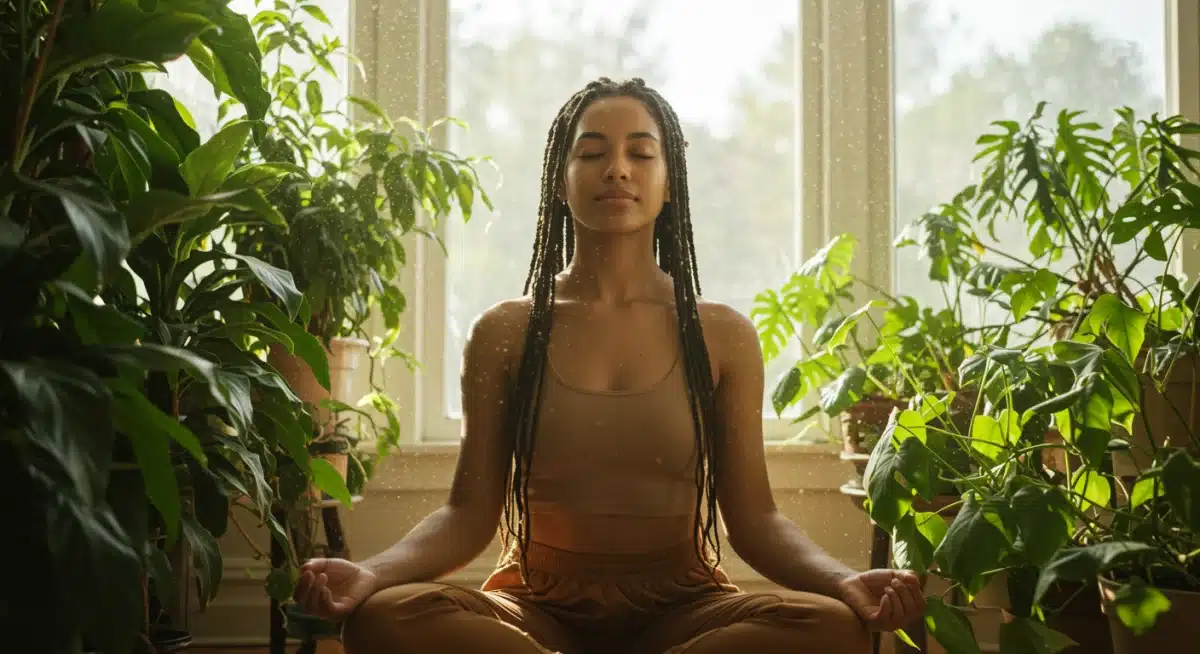
Strategies for lifelong appreciation
- Gratitude Triggers: Identify specific daily cues (e.g., waking up, drinking water) to prompt a moment of gratitude.
- Gratitude Rituals: Incorporate short gratitude practices into existing routines, like a moment of thanks before meals.
- Share Your Journey: Talk about your gratitude practice with friends or family to inspire and reinforce your habits.
Consider how you can continue to express gratitude to others regularly. Perhaps you can make it a point to send one thank-you text or email a week, or offer a sincere compliment daily. Small, consistent acts of appreciation can have a cumulative positive effect on your relationships and your own well-being. By the end of this week, you should feel equipped with a range of tools and a renewed mindset to keep gratitude thriving in your life.
Integrating Gratitude into Your Daily Life
Completing a 30-day cultivate gratitude challenge is a remarkable achievement, but the real magic happens when these practices seamlessly blend into your daily life. The aim is to move beyond a structured challenge and allow gratitude to become an intuitive lens through which you view the world. This integration is key to long-term happiness and sustained well-being.
One effective way to integrate gratitude is by creating ‘gratitude anchors’ throughout your day. These are simple, everyday actions or objects that trigger a moment of appreciation. For example, every time you drink water, take a moment to be grateful for access to clean water. When you open a door, appreciate the shelter it provides. These micro-moments of gratitude accumulate, subtly shifting your overall perspective.
Simple daily gratitude practices
- Gratitude Jar: Write down grateful moments on slips of paper and put them in a jar to read later.
- Gratitude Walk: Take a walk and consciously notice five things you are grateful for in your surroundings.
- Three Good Things: Before bed, recall three good things that happened during your day and why they happened.
Another powerful integration strategy is to practice mindful gratitude. This involves fully immersing yourself in an experience and savoring it with appreciation. Whether it’s enjoying a meal, listening to music, or spending time with loved ones, intentionally noticing and being grateful for the moment enhances its positive impact. This mindful approach transforms ordinary experiences into extraordinary ones, fostering a continuous state of appreciation that enriches every aspect of your life.
| Key Point | Brief Description |
|---|---|
| Science of Gratitude | Gratitude rewires the brain, releasing ‘happiness hormones’ like dopamine and serotonin, improving mood and reducing stress. |
| Daily Practice | Consistent daily journaling or reflection helps build the habit of appreciating small and significant blessings. |
| Expressing Thanks | Directly communicating appreciation to others deepens connections and reinforces personal gratitude. |
| Sustaining Habits | Integrating gratitude into daily routines ensures long-term well-being beyond the initial 30-day challenge. |
Frequently Asked Questions About Cultivating Gratitude
The 30-day cultivate gratitude challenge is a structured program designed to help individuals consistently practice gratitude over a month. It involves daily exercises, reflections, and mindful activities aimed at shifting perspective, enhancing emotional well-being, and integrating appreciation into everyday life for lasting positive change.
Practicing gratitude stimulates brain regions associated with reward and morality, releasing feel-good neurotransmitters like dopamine and serotonin. This leads to reduced stress, improved mood, better sleep, stronger relationships, and a more optimistic outlook, all contributing to increased happiness and overall well-being.
Missing a day is perfectly normal and does not mean you’ve failed. The key is consistency over perfection. Simply pick up where you left off the next day. The challenge is about building a habit, and minor interruptions are part of any habit-forming process. Be kind to yourself and restart your practice.
While a dedicated gratitude journal can be helpful for tracking progress and reflections, it’s not strictly necessary. Any notebook, a digital document, or even just mental reflection can suffice. The most important ‘tool’ is your commitment and willingness to engage with the practice daily.
To sustain gratitude, integrate it into existing routines, like a morning reflection or before bed. Establish ‘gratitude anchors’ by associating appreciation with daily actions. Continue journaling periodically, express thanks to others regularly, and remind yourself of the positive impact it has on your life.
Conclusion
The cultivate gratitude challenge is more than just a month-long endeavor; it’s an invitation to fundamentally reshape your perspective and enrich your life. By intentionally focusing on appreciation, you unlock a powerful mechanism for enhancing happiness, building resilience, and fostering deeper connections. The journey of gratitude is continuous, offering endless opportunities for growth and profound satisfaction. Embrace this practice, and watch as your world transforms with renewed joy and a profound sense of well-being.