Maximize Relaxation: 5 Most Comfortable Furniture Trends 2026
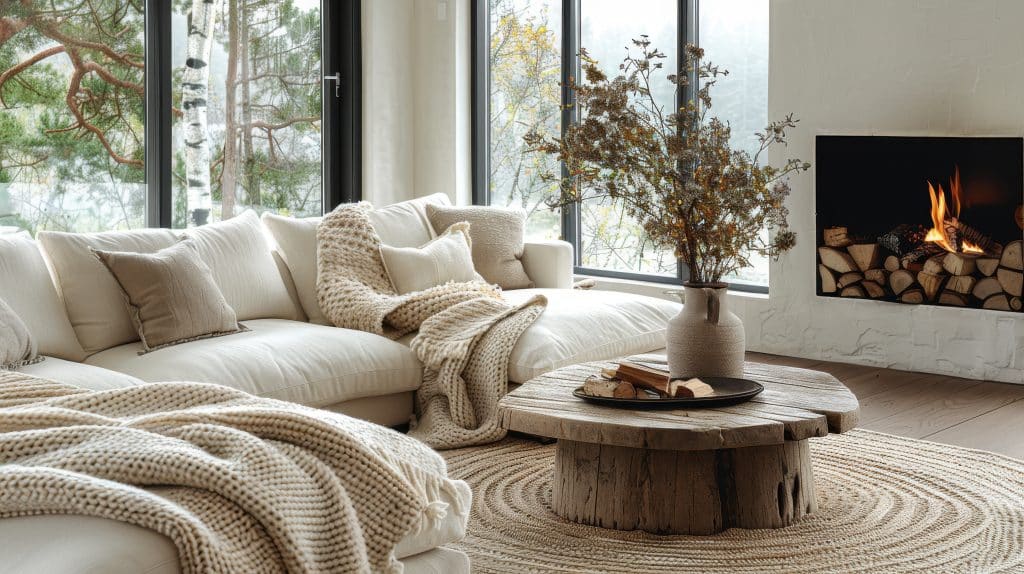
The future of home comfort is here, with the 5 most comfortable furniture trends of 2026 focusing on innovative materials, ergonomic design, and sustainable luxury to transform living spaces into ultimate relaxation sanctuaries.
Are you ready to redefine your understanding of home comfort? In 2026, furniture design transcends mere aesthetics, prioritizing well-being and unparalleled relaxation. This guide will help you to maximize relaxation: uncover the 5 most comfortable furniture trends of 2026, ensuring your living spaces become true havens of tranquility and style.
The Rise of Biometric Comfort and Smart Integration
The year 2026 marks a significant leap in furniture technology, moving beyond simple adjustability to embrace biometric comfort. This trend integrates smart sensors and AI to adapt furniture to your unique body and preferences, offering personalized relaxation experiences.
Imagine a sofa that recognizes your posture and subtly adjusts its lumbar support, or a bed that monitors your sleep patterns and modifies its firmness throughout the night. This isn’t science fiction; it’s the reality of biometric comfort.
Personalized Ergonomics for Ultimate Support
Biometric furniture leverages advanced sensors to gather data on individual body metrics, including weight distribution, pressure points, and even body temperature. This information is then used to dynamically adjust the furniture’s shape and support.
- Adaptive Lumbar Support: Chairs and sofas now feature internal mechanisms that automatically conform to the natural curve of your spine.
- Pressure-Relieving Surfaces: Smart materials in cushions redistribute pressure, preventing discomfort and promoting better circulation.
- Temperature Regulation: Integrated heating and cooling elements ensure optimal body temperature for year-round comfort.
The goal is to create a seamless, intuitive experience where the furniture anticipates your needs, providing optimal support and comfort without manual intervention. This level of personalization is transforming how we interact with our living spaces, making relaxation an effortless endeavor.
This trend extends beyond individual pieces, influencing entire room designs. Smart home systems can now synchronize lighting, temperature, and even ambient sounds with your biometric furniture, creating a holistic environment tailored to your relaxation goals. The future of comfort is truly intelligent, prioritizing your well-being above all else.
Sustainable Luxury: Eco-Conscious Comfort
As environmental awareness grows, 2026 sees a strong emphasis on sustainable luxury in furniture design. Consumers are increasingly seeking comfortable pieces that are not only aesthetically pleasing but also ethically produced and environmentally responsible. This trend combines opulent comfort with eco-friendly practices, proving that luxury and sustainability can coexist beautifully.
From recycled materials to responsibly sourced timber, the focus is on minimizing environmental impact without compromising on quality or comfort. This shift reflects a broader societal movement towards conscious consumption, where every purchase is an investment in a better future.
Materials Redefined: Beyond Traditional Textiles
The innovation in sustainable materials is truly remarkable. Designers are experimenting with a wide array of eco-friendly options that offer superior comfort and durability.
- Recycled Ocean Plastics: Transformed into soft, durable fabrics for upholstery, these materials offer a second life to waste while providing exceptional comfort.
- Organic Cotton and Hemp: Naturally breathable and hypoallergenic, these fibers are grown without harmful pesticides, ensuring a healthier home environment.
- Bamboo and Cork: Used in furniture frames and accents, these rapidly renewable resources offer strength, stability, and a unique aesthetic.
Beyond the raw materials, manufacturers are adopting closed-loop production systems, minimizing waste and maximizing resource efficiency. This holistic approach ensures that every step of the furniture’s lifecycle, from design to disposal, adheres to stringent environmental standards. Consumers can now enjoy plush, comfortable furniture with a clear conscience, knowing their choices contribute to a healthier planet.
Oversized and Plush: The Embrace of Generous Proportions
In 2026, comfort takes on a new dimension with the widespread adoption of oversized and plush furniture. This trend is all about creating inviting, expansive spaces where individuals can truly sink in and relax. Gone are the days of rigid, minimalist designs; the focus is now on generous proportions, deep seating, and sumptuous cushioning that cocoon the user in unparalleled softness.
This movement towards larger, more enveloping pieces is a direct response to the desire for greater comfort and a more relaxed lifestyle. It’s about creating furniture that encourages lounging, snuggling, and unwinding, transforming living rooms into ultimate comfort zones.
Sectionals and Sofas: Redefining Relaxation
Oversized sectionals and deep-seated sofas are at the forefront of this trend. These pieces are designed to accommodate multiple people comfortably, or allow a single individual to stretch out and truly relax. The key features include:
- Extra-Deep Seating: Cushions designed for maximum sink-in comfort, allowing for various lounging positions.
- Plush Upholstery: Soft-to-the-touch fabrics like chenille, velvet, and boucle contribute to the luxurious feel.
- Modular Configurations: Many oversized pieces offer modularity, allowing users to customize their layout to suit different needs and room sizes.
The aesthetic is one of inviting warmth and understated elegance. Colors often lean towards soothing neutrals, earthy tones, and rich jewel tones, further enhancing the sense of luxury and comfort. This trend isn’t just about size; it’s about creating an experience of ultimate relaxation and indulgence within the home. The substantial presence of these pieces also grounds a room, providing a sense of stability and permanence that contributes to a calming atmosphere. They become the focal point, inviting users to shed the day’s stresses and embrace pure comfort.
Modular and Reconfigurable: Adaptable Comfort for Modern Living
The dynamic nature of modern life demands furniture that can keep pace, and in 2026, modular and reconfigurable pieces are meeting this need head-on. This trend emphasizes versatility and adaptability, allowing homeowners to easily transform their living spaces to suit various activities, moods, or guest configurations. It’s about empowering individuals to create a personalized environment that evolves with them.
No longer are static furniture arrangements the norm. Instead, pieces that can be effortlessly moved, combined, or separated are gaining immense popularity, reflecting a desire for flexible and functional comfort.
The Versatility of Sectionals and Ottomans
Modular furniture often comes in components that can be arranged in countless ways. This flexibility is particularly evident in:
- Segmented Sofas: Individual sections can be moved to create L-shapes, U-shapes, or even separate seating areas.
- Multi-functional Ottomans: These can serve as footrests, extra seating, or even coffee tables when paired with a tray, easily adapting to different needs.
- Stackable and Nesting Tables: Designed to save space and provide surfaces only when needed, these pieces complement the modular aesthetic.
The beauty of modular design lies in its ability to cater to diverse lifestyles. A small apartment dweller can optimize space, while a family home can adapt layouts for entertaining, quiet reading, or movie nights. This adaptability ensures that comfort is never compromised, regardless of the occasion or the changing demands of daily life. The ease with which these pieces can be reconfigured also speaks to a desire for less commitment in interior design, allowing for fluid experimentation and expression.

Textural Richness and Sensory Experience
In 2026, comfort isn’t just about how furniture feels when you sit on it; it’s also about the sensory experience it provides through touch and sight. The trend towards textural richness embraces a variety of materials and finishes that invite interaction and create a deeply immersive and comforting environment. This focus on tactile qualities adds another layer to relaxation, engaging more than just the sense of touch.
From deeply woven fabrics to polished natural woods, the emphasis is on surfaces that are pleasing to the eye and delightful to the touch, contributing to an overall sense of warmth and well-being in the home.
Engaging the Senses with Diverse Materials
Designers are expertly combining different textures to create visually interesting and physically appealing pieces. Key elements include:
- Boucle and Sherpa Fabrics: Known for their soft, looped, or fuzzy textures, these materials add immediate warmth and coziness to any piece.
- Ribbed and Corduroy Upholstery: Offering a subtle tactile pattern, these fabrics provide a comforting grip and visual depth.
- Natural Wood with Visible Grain: Unfinished or lightly treated wood surfaces highlight the organic beauty and texture of the material, grounding the space.
The interplay of textures can transform a room from merely functional to profoundly inviting. A smooth, cool metal frame might be juxtaposed with a plush, warm velvet cushion, creating a dynamic sensory contrast. This thoughtful curation of materials elevates the comfort experience, making furniture not just something to sit on, but something to truly engage with. It’s about creating layers of comfort that appeal to all the senses, fostering a more holistic and enjoyable living space. The visual interest created by these varied textures also helps to break up monotonous areas, adding character and depth to interiors.
Integrated Wellness Features: Beyond Basic Comfort
The concept of comfort in 2026 extends far beyond simple softness or ergonomic design; it now encompasses integrated wellness features designed to promote holistic well-being. Furniture is evolving into active contributors to health, offering solutions for stress reduction, improved posture, and enhanced mental clarity. This trend reflects a growing understanding that our living spaces play a crucial role in our overall health and happiness.
From aromatherapy diffusers built into headboards to subtle vibration massages in lounge chairs, these innovations aim to transform furniture into tools for daily rejuvenation and therapeutic support.
Therapeutic Elements for Daily Rejuvenation
Integrated wellness features are designed to address a variety of physical and mental needs, making comfort a proactive rather than reactive experience.
- Built-in Massage Functions: Sofas and recliners now offer nuanced massage programs, targeting specific muscle groups to relieve tension and promote relaxation.
- Aromatherapy Diffusers: Discreetly integrated diffusers release calming essential oils, creating a serene atmosphere and aiding in stress reduction.
- Postural Support Systems: Advanced chairs and desks incorporate dynamic support to encourage healthy posture throughout the day, preventing strain.
These features are often seamlessly integrated, maintaining the aesthetic appeal of the furniture while providing significant health benefits. The ability to activate these wellness functions with a simple touch or voice command further enhances the user experience, making self-care an effortless part of daily life. This trend underlines a shift towards furniture that doesn’t just hold us, but actively cares for us, supporting a more balanced and healthy lifestyle. The subtle presence of these features ensures that they complement, rather than dominate, the overall design and comfort of the piece.
| Key Trend | Brief Description |
|---|---|
| Biometric Comfort | Furniture adapts to individual body metrics for personalized ergonomic support and relaxation. |
| Sustainable Luxury | High-end comfort meets eco-friendly materials and ethical production practices. |
| Oversized & Plush | Generous proportions and deep seating create inviting, expansive relaxation spaces. |
| Modular & Reconfigurable | Versatile furniture pieces easily adapt to changing needs and room layouts. |
Frequently asked questions about comfortable furniture trends
Biometric comfort in furniture refers to designs that use sensors and AI to adapt to an individual’s specific body metrics and preferences. This allows furniture to dynamically adjust its support, temperature, and shape, providing a highly personalized and ergonomic relaxation experience without manual intervention, enhancing overall well-being.
Sustainable luxury trends encourage consumers to choose furniture made from eco-friendly, ethically sourced, and recycled materials. This impact means prioritizing pieces that offer opulent comfort while minimizing environmental footprint through responsible manufacturing and material selection, ensuring both quality and ecological consciousness.
Oversized and plush designs are gaining popularity because they cater to a deep desire for ultimate relaxation and expansive comfort. These generous proportions, deep seating, and sumptuous cushioning create inviting spaces that encourage lounging, snuggling, and unwinding, transforming living rooms into true comfort sanctuaries for individuals and families alike.
Modular furniture offers unparalleled versatility and adaptability, allowing homeowners to easily reconfigure their living spaces. Benefits include optimizing small areas, adapting layouts for entertaining or quiet time, and accommodating changing needs. This flexibility ensures that comfort and functionality are always maintained, making it ideal for dynamic lifestyles.
Integrated wellness features enhance comfort by promoting holistic well-being beyond basic softness. These features, such as built-in massage functions, aromatherapy diffusers, and postural support systems, actively contribute to stress reduction, improved physical health, and enhanced mental clarity, transforming furniture into tools for daily rejuvenation and therapeutic support.
Embracing the Future of Comfort
As we look towards 2026, the landscape of home comfort is clearly evolving, driven by innovation, sustainability, and a deep understanding of human well-being. The five trends discussed—biometric comfort, sustainable luxury, oversized and plush designs, modular adaptability, and integrated wellness features—collectively represent a profound shift in how we conceive and interact with our furniture. These aren’t just fleeting fads; they are foundational changes reflecting a growing desire for living spaces that not only look good but also actively contribute to our health, happiness, and overall sense of relaxation. Investing in these trends means creating a home that is truly a sanctuary, a place where every piece of furniture serves a purpose beyond mere utility, fostering an environment of ultimate comfort and rejuvenation for years to come.