Beat Procrastination: The 3-Step Method That Works 90% of the Time

To effectively beat procrastination, implement a simple yet powerful 3-step method: identify the root cause, create an actionable micro-plan, and initiate with a tiny, manageable first step, ensuring consistent progress.
Do you often find yourself postponing tasks, even when you know they are important? You’re not alone. Many struggle with the urge to delay, but there’s a powerful approach to help you beat procrastination: the 3-step method that works 90% of the time. This article will guide you through understanding, implementing, and mastering this method to transform your productivity and achieve your goals.
Understanding the Procrastination Puzzle
Procrastination isn’t merely laziness; it’s a complex psychological phenomenon often rooted in emotional regulation challenges. We tend to delay tasks that evoke negative feelings, such as anxiety, boredom, insecurity, or even resentment. By avoiding the task, we temporarily relieve these uncomfortable emotions, creating a deceptive short-term reward that reinforces the procrastination cycle.
Recognizing the emotional component is the first critical step toward breaking free. Simply telling yourself to ‘just do it’ often falls short because it doesn’t address the underlying emotional distress. Instead, we need a strategy that tackles both the practical and psychological aspects of task avoidance, paving the way for consistent action and genuine progress.
The Emotional Roots of Delay
Many factors contribute to why we put things off. Understanding these triggers is essential for developing effective counter-strategies. It’s rarely about a lack of desire to succeed; it’s more about how we perceive and react to the task at hand.
- Fear of Failure: The worry that the outcome won’t meet expectations can paralyze action.
- Fear of Success: Sometimes, the implications of succeeding can be daunting, leading to self-sabotage.
- Perfectionism: The desire for an impeccable result can make starting feel overwhelming.
- Lack of Clarity: Unsureness about how to begin or what steps to take can lead to inaction.
- Boredom or Disinterest: Mundane or unengaging tasks are prime candidates for postponement.
By delving into these emotional underpinnings, we begin to chip away at the behavioral patterns that keep us stuck. It’s a journey of self-awareness that empowers us to choose proactive responses over reactive delay.
The key takeaway here is that procrastination is not a moral failing but a learned coping mechanism. Once we understand its true nature, we can stop judging ourselves and instead focus on implementing practical, compassionate strategies to overcome it. This foundational understanding sets the stage for the powerful 3-step method.
Step 1: Identify the True Resistance
The first critical step in our 3-step method to beat procrastination is to go beyond the surface and pinpoint the real reason you’re avoiding a particular task. It’s not enough to say, ‘I just don’t feel like it.’ True resistance often hides deeper, more specific anxieties or discomforts. This phase requires honest introspection to uncover the specific emotional or cognitive barrier preventing you from starting.
Ask yourself: What exactly about this task makes me want to delay? Is it the size of the task, the perceived difficulty, a fear of judgment, or perhaps a lack of clear direction? Understanding this core resistance is like diagnosing an illness; without a proper diagnosis, any treatment will be ineffective.
Pinpointing the Underlying Cause
When you feel the urge to procrastinate, pause and engage in a quick self-inquiry. Don’t just push through; investigate. This pause allows you to detach from the immediate emotional reaction and objectively analyze the situation. Journaling can be a powerful tool here, allowing you to articulate your thoughts and feelings without judgment.
- Is the task too big? An overwhelming scope can make a task seem insurmountable.
- Am I unsure how to start? Lack of clarity in the first step is a common blocker.
- Am I afraid of making mistakes? Perfectionism can lead to analysis paralysis.
- Is it boring or unpleasant? Tasks we dislike are easily put off.
- Do I feel inadequate for the task? Self-doubt can manifest as avoidance.
By identifying the specific trigger, you gain a clear target for intervention. For instance, if the task is too big, the solution isn’t to force yourself to start the whole thing, but to break it down. If you’re unsure how to start, the solution is to define the very first micro-action. This targeted approach is far more effective than generic advice.
This initial identification phase is often overlooked, yet it is the bedrock upon which the subsequent steps are built. Without knowing what you’re truly up against, any attempt to overcome procrastination will be a shot in the dark. Take the time to understand your internal landscape before moving forward.
Step 2: Create an Actionable Micro-Plan
Once you’ve identified the specific resistance, the second step in our highly effective method is to create an actionable micro-plan. This isn’t about outlining the entire project; it’s about breaking down the intimidating task into the smallest, most manageable first step imaginable. The goal is to reduce the activation energy required to start to almost zero, making it incredibly easy to begin.
The power of the micro-plan lies in its simplicity. It bypasses the overwhelm by focusing on a single, tiny action that takes minimal effort and time. This small win creates momentum and often leads to the natural progression to subsequent steps, effectively disarming the procrastination trigger.
Deconstructing Overwhelm into Tiny Steps
The human brain is wired to seek comfort and avoid perceived threats. A large, complex task can feel like a threat, triggering a fight-or-flight response that often manifests as avoidance. A micro-plan tricks your brain into perceiving the task as non-threatening, making it easier to engage.
- Define the absolute first step: What is the single, easiest thing you can do to begin?
- Make it ridiculously small: Think 5 minutes or less. For writing, it might be opening the document. For cleaning, it might be picking up one item.
- Focus on starting, not finishing: The objective is just to initiate, not to complete the entire task.
- Visualize the tiny action: Clearly picture yourself doing only that one small thing.
For example, if you need to write a report, your micro-plan isn’t ‘write the report.’ It’s ‘open the document and type the title.’ If you need to clean your room, it’s not ‘clean the room,’ but ‘put one shirt in the laundry basket.’ This distinction is crucial for successful implementation.
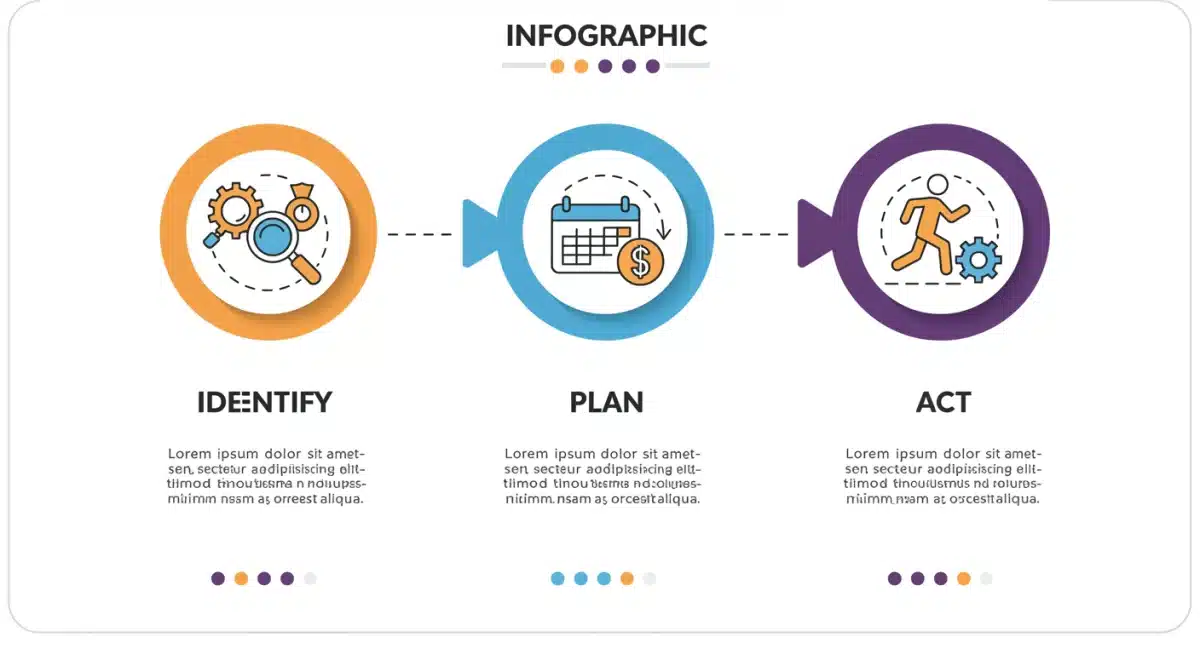
A well-crafted micro-plan is your secret weapon against the inertia of procrastination. It transforms a daunting mountain into a small hill you can easily step over. This strategic reduction in scope significantly lowers the barrier to entry, making it far more likely that you’ll actually begin the task and build momentum.
Step 3: Just Start (The 5-Minute Rule)
With your resistance identified and your micro-plan in hand, the third and most crucial step is to just start. This is where the ‘5-minute rule’ comes into play. Commit to working on your task for a mere five minutes. Tell yourself that after five minutes, you are free to stop if you wish. This incredibly low commitment makes starting almost irresistible and is the cornerstone of how to beat procrastination effectively.
The magic of the 5-minute rule is that often, once you’ve started and overcome the initial inertia, the task doesn’t feel as bad as you anticipated. You build momentum, and those five minutes frequently extend into ten, fifteen, or even full completion. The hardest part is always starting, and this rule specifically targets that barrier.
Leveraging Momentum and Small Wins
The 5-minute rule is about more than just starting; it’s about building psychological momentum. When you successfully complete those first five minutes, you experience a small win. This positive reinforcement encourages you to continue, creating a virtuous cycle of action and accomplishment.
- Set a timer: Use a physical or digital timer to enforce the 5-minute commitment.
- Minimize distractions: During these 5 minutes, focus solely on the task.
- Be kind to yourself: If you genuinely want to stop after 5 minutes, that’s okay. You still made progress.
- Observe your feelings: Notice how your perception of the task changes once you’ve started.
This approach transforms the daunting ‘have to’ into a manageable ‘can try.’ It shifts your focus from the perceived pain of the entire task to the simple act of beginning. Each successful 5-minute burst reinforces your ability to take action, gradually eroding the habit of procrastination.
Remember, the goal is not to force yourself through sheer willpower, but to outsmart your brain’s natural tendency to avoid discomfort. By making the initial step incredibly easy and the commitment minimal, you create an environment where starting becomes the path of least resistance. This is the practical application of the previous two steps, bringing the entire method to life.
Reinforcing the Anti-Procrastination Habit
While the 3-step method is incredibly effective for individual tasks, sustained success in beating procrastination comes from reinforcing these behaviors until they become habits. This involves consistent application, self-compassion, and building a supportive environment that encourages action rather than delay.
Making conscious choices to apply the ‘Identify, Plan, Start’ framework repeatedly will rewire your brain over time. It’s not about being perfect, but about being persistent and gradually shifting your default response from avoidance to action. This long-term perspective is crucial for lasting change.
Building a Supportive Environment
Your surroundings and routines play a huge role in whether you procrastinate or act. By consciously designing your environment, you can make it easier to start tasks and harder to get sidetracked.
- Declutter your workspace: A clean and organized area reduces mental distractions.
- Set clear boundaries: Designate specific times and spaces for work to minimize interruptions.
- Use productivity tools wisely: Apps and timers can help with focus, but don’t let them become another form of procrastination.
- Communicate your intentions: Share your goals with others for accountability.
Beyond physical space, consider your digital environment. Minimize notifications, close unnecessary tabs, and use website blockers if needed. The less friction you have in starting, the more likely you are to engage with your tasks. It’s about proactive prevention rather than reactive damage control.
Furthermore, celebrate your small victories. Acknowledging that you successfully applied the 5-minute rule, even if you stopped after that, reinforces the positive behavior. This positive feedback loop is vital for solidifying new habits and making the anti-procrastination method second nature.
Common Pitfalls and How to Overcome Them
Even with a robust method, you might encounter bumps on the road to becoming a non-procrastinator. Recognizing these common pitfalls and having strategies to overcome them is key to the long-term success of the 3-step method. Procrastination is a deeply ingrained habit for many, and occasional setbacks are a normal part of the process.
The goal isn’t to eliminate procrastination entirely, but to significantly reduce its impact on your life and productivity. By anticipating challenges, you can develop resilience and refine your approach, ensuring that the method continues to work for you 90% of the time, or even more.
Navigating Setbacks and Maintaining Consistency
It’s easy to get discouraged when you slip back into old patterns. However, viewing these moments as learning opportunities rather than failures is crucial. Each setback offers a chance to refine your understanding of your triggers and adjust your strategies.
- Over-planning: Spending too much time planning can become a form of procrastination itself. Keep micro-plans concise.
- Distraction as escape: Using social media or other activities to avoid starting can derail progress. Implement strict focus periods.
- All-or-nothing thinking: Believing you must complete a task perfectly or not at all can be a trap. Embrace imperfection and progress.
- Ignoring emotional signals: Failing to identify the true resistance in Step 1 means the method won’t be as effective.
When you find yourself procrastinating despite applying the method, revisit Step 1. Is there a new or overlooked resistance at play? Perhaps the task has changed, or your emotional state is different. Adjust your micro-plan accordingly. The beauty of this method is its adaptability.
Consistency is built not by never failing, but by always getting back on track. Forgive yourself for slips, learn from them, and re-engage with the 3-step method. Over time, your ability to quickly recover and restart will become a powerful ally against chronic procrastination.
Integrating the Method into Daily Life
The true power of the 3-step method to beat procrastination lies in its consistent application across various aspects of your life. It’s not just for big, daunting projects; it’s a versatile tool that can be used for everyday tasks, personal goals, and professional responsibilities. By consciously integrating ‘Identify, Plan, Start’ into your daily routine, you can foster a proactive mindset and significantly enhance your overall productivity and well-being.

Making this method a natural part of your workflow requires practice and intentionality. Initially, you might need to remind yourself to pause and apply the steps. Over time, this process will become more intuitive, transforming how you approach challenges and ensuring you tackle tasks with greater efficiency and less stress.
Practical Application Across Domains
Think about how you can apply this method to different areas of your life. Its flexibility makes it suitable for almost any task you tend to put off.
- Work Projects: Instead of dreading a complex report, identify what makes it scary, plan to just open the outline, and start for 5 minutes.
- Household Chores: If cleaning the kitchen feels overwhelming, identify the specific mess, plan to just wash one dish, and start.
- Personal Development: Want to learn a new skill? Identify the initial mental block, plan to read one page or watch a 5-minute tutorial, and begin.
- Health and Fitness: Struggling to exercise? Identify the resistance (e.g., lack of motivation), plan to put on your workout clothes, and start with a 5-minute stretch.
The beauty of this method is its universal applicability. By consistently breaking down tasks, no matter how small or large, you empower yourself to take continuous action. This continuous forward movement not only gets things done but also builds confidence and reduces the mental burden often associated with a backlog of unfinished tasks.
Ultimately, integrating this method into your daily life cultivates a habit of action. You’ll find yourself spending less time worrying about tasks and more time actually doing them. This shift not only boosts productivity but also contributes to a greater sense of control and accomplishment, significantly improving your quality of life.
| Key Step | Brief Description |
|---|---|
| Identify Resistance | Pinpoint the specific emotional or cognitive barrier causing you to delay the task. |
| Create Micro-Plan | Break the task into the smallest, most manageable first action (5 minutes or less). |
| Just Start (5-Minute Rule) | Commit to working on the task for just five minutes to overcome inertia. |
| Reinforce Habit | Consistently apply the method and celebrate small wins to build lasting habits. |
Frequently Asked Questions About Beating Procrastination
The core idea is to address the emotional roots of procrastination by systematically reducing the perceived threat and effort of a task. It breaks down overwhelming feelings into manageable steps, making starting easier and building momentum through small, consistent actions.
When you feel the urge to procrastinate, pause and ask yourself specific questions: What specific feeling am I avoiding? Is the task too big? Am I afraid of failure or unsure how to begin? Journaling these thoughts can help uncover the deeper reason.
That’s perfectly fine. The goal of the 5-minute rule is just to start. Even if you stop, you’ve made progress and built a small win. You can try again later, or re-evaluate your micro-plan. The consistency of starting is more important than immediate completion.
Absolutely. For long-term goals, break them into smaller projects, then apply the 3-step method to each project. Focus on the very next actionable step required to move any part of the larger goal forward, no matter how small it seems.
Perfectionism often stems from a fear of not meeting high standards. By focusing on a tiny, imperfect first step, the method bypasses this fear. It emphasizes initiation and progress over flawless execution, gradually retraining your brain to accept ‘good enough’ to start.
Conclusion
Procrastination can feel like an insurmountable obstacle, but with the right tools, it is entirely conquerable. The 3-step method—Identify the True Resistance, Create an Actionable Micro-Plan, and Just Start with the 5-Minute Rule—offers a pragmatic and psychologically sound approach to reclaiming your productivity. By understanding the emotional roots of delay and systematically reducing the friction to action, you can transform your habits and achieve a consistent flow of progress. Embrace this method, be patient with yourself, and watch as you not only beat procrastination but also cultivate a more proactive, accomplished, and less stressful life.