Sustainable Living: Eco-Friendly Home Products for a Better Earth
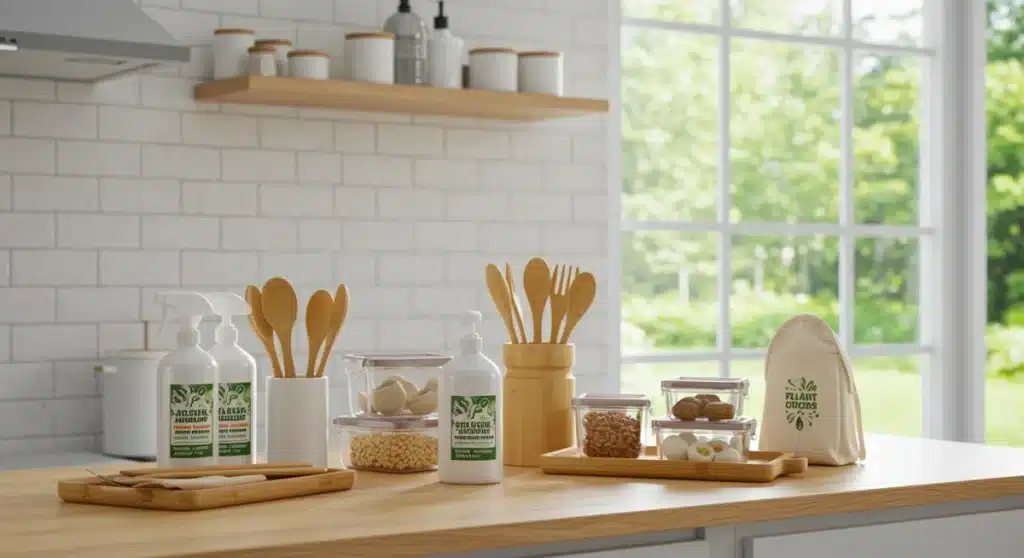
Embracing eco-friendly home products is a cornerstone of sustainable living, offering practical ways to reduce your environmental footprint, conserve resources, and foster a healthier home environment for everyone.
Are you ready to transform your home into a haven of sustainability? In an era where environmental consciousness is no longer a niche concern but a global imperative, adopting eco-friendly home products is a powerful step towards a greener future. This guide will explore how simple shifts in your purchasing habits can lead to significant positive impacts, not just for the planet, but for your well-being too. Let’s delve into the world of sustainable living and discover products that truly make a difference.
The Foundation of Sustainable Living: Understanding Your Impact
Sustainable living begins with a conscious awareness of our daily choices and their broader implications. Every product we bring into our homes, from cleaning supplies to furniture, has a lifecycle that impacts the environment. This impact encompasses resource extraction, manufacturing processes, transportation, usage, and eventual disposal. Understanding this cycle empowers us to make more informed decisions.
Many conventional home products contribute to environmental degradation through excessive waste, pollution, and the depletion of natural resources. For instance, single-use plastics clog landfills and oceans, while harsh chemical cleaners can contaminate water systems and harm indoor air quality. Recognizing these challenges is the first step toward seeking out better alternatives.
Why Choose Eco-Friendly? Beyond Just “Green”
Opting for eco-friendly products goes far beyond simply being “green.” It’s about a holistic approach to living that prioritizes health, ethical production, and resource conservation. These products are often designed to be durable, reusable, recyclable, or biodegradable, minimizing their footprint throughout their lifespan.
- Reduced Waste: Many eco-friendly items are designed for longevity or are compostable, significantly cutting down on landfill waste.
- Lower Carbon Footprint: Sustainable production often involves less energy consumption and more localized sourcing, reducing greenhouse gas emissions.
- Healthier Home Environment: Free from harsh chemicals, these products improve indoor air quality and reduce exposure to toxins for your family and pets.
- Support Ethical Practices: Choosing sustainable brands often means supporting companies committed to fair labor and responsible sourcing.
Ultimately, embracing eco-friendly options is an investment in a healthier planet and a healthier you. It’s about aligning your lifestyle with your values, creating a home that reflects a commitment to positive change. The journey to sustainable living is ongoing, but each small step contributes to a larger, more impactful movement.
Sustainable Kitchen Essentials: Cooking Up a Greener Future
The kitchen is often the heart of the home, but it can also be a significant source of waste and environmental impact. From food packaging to cleaning agents, there are numerous opportunities to switch to more sustainable alternatives. Making conscious choices in this space can dramatically reduce your household’s ecological footprint.
Consider the everyday items you use: paper towels, plastic wrap, disposable sponges, and chemical-laden dish soaps. Each of these has an eco-friendly counterpart that performs just as well, if not better, without the environmental cost. Transitioning to sustainable kitchen essentials is both practical and rewarding.
Zero-Waste Food Storage and Preparation
One of the easiest ways to start is by tackling food storage. Instead of relying on single-use plastics, explore durable and reusable options.
- Reusable Food Wraps: Beeswax wraps or silicone covers are excellent alternatives to plastic cling film, keeping food fresh while being washable and reusable.
- Glass Containers: Ideal for meal prep and leftovers, glass containers are durable, non-toxic, and can last a lifetime.
- Produce Bags: Mesh or cloth produce bags eliminate the need for plastic bags at the grocery store, and they are easy to wash and reuse.
- Compost Bin: For food scraps, a countertop compost bin can divert organic waste from landfills, turning it into nutrient-rich soil for gardens.
When it comes to cooking tools, opt for materials like bamboo, wood, or silicone over plastic. These are often more durable and biodegradable. Stainless steel appliances and cookware are also excellent long-term investments, resisting corrosion and typically being recyclable at the end of their very long life.
By thoughtfully choosing your kitchen essentials, you create a space that not only functions efficiently but also actively contributes to a more sustainable lifestyle. These small changes collectively lead to a significant reduction in waste and a healthier environment.
Eco-Friendly Cleaning: A Sparkling Home, A Clean Conscience
Cleaning our homes is a necessity, but the products we use often contain harsh chemicals that can be detrimental to our health and the environment. Traditional cleaners contribute to indoor air pollution, water contamination, and can pose risks to children and pets. Shifting to eco-friendly cleaning solutions is a crucial step in creating a truly sustainable home.
The market for green cleaning products has expanded rapidly, offering effective alternatives that utilize plant-derived ingredients, natural minerals, and biodegradable formulations. These products clean just as effectively without the toxic residue or environmental harm.
Natural Cleaning Alternatives and Tools
Many household staples can serve as powerful, natural cleaners. Ingredients like white vinegar, baking soda, lemon juice, and essential oils can tackle a wide range of cleaning tasks, from disinfecting surfaces to deodorizing drains. These simple ingredients are cost-effective and completely safe for your home and the planet.
Beyond DIY solutions, look for certified eco-friendly brands that clearly list their ingredients and avoid harmful chemicals such as phosphates, chlorine bleach, and synthetic fragrances. Many companies are now transparent about their sourcing and manufacturing processes, making it easier to choose wisely.
- Reusable Cleaning Cloths: Microfiber or cotton cloths can replace disposable paper towels, reducing waste and saving money.
- Biodegradable Sponges: Natural cellulose or loofah sponges are compostable and avoid the plastic waste of synthetic sponges.
- Refillable Bottles: Many brands offer concentrated refills or subscription services to reduce plastic packaging waste.
- Water Filters: Investing in a good water filter for your tap can reduce the need for bottled water, a major source of plastic pollution.

Embracing eco-friendly cleaning means not only a cleaner home but also a healthier living space, free from irritants and toxins. It’s a choice that reflects respect for both your family’s well-being and the natural world.
Sustainable Personal Care: Nurturing Yourself and the Planet
Our personal care routines, from showering to skincare, can also have a significant environmental impact. The bathroom is often a hub for plastic waste from packaging and microplastics found in many products. Making sustainable choices in this area means reducing plastic consumption, avoiding harmful chemicals, and supporting ethical brands.
The shift towards eco-friendly personal care involves selecting products that are not only good for your body but also kind to the Earth. This includes items with minimal packaging, natural ingredients, and those that are designed for reusability or biodegradability.
Conscious Choices for Daily Routines
Consider the products you use daily: shampoo, conditioner, soap, toothpaste, and lotions. Many conventional options come in single-use plastic bottles and contain synthetic ingredients that can be endocrine disruptors or environmental pollutants.
- Solid Toiletries: Shampoo bars, conditioner bars, and solid soaps eliminate plastic packaging entirely. They are also often more concentrated and last longer.
- Bamboo Toothbrushes: A compostable alternative to plastic toothbrushes, bamboo handles biodegrade naturally.
- Refillable Deodorant and Skincare: Many brands now offer refillable options for deodorants, lotions, and other skincare products, significantly cutting down on packaging waste.
- Reusable Cotton Pads: Replace disposable cotton rounds with washable, reusable versions for makeup removal and skincare application.
Beyond product choices, consider water conservation in your routine. Taking shorter showers, turning off the tap while brushing your teeth, and ensuring your toilet is efficient all contribute to a more sustainable personal care approach. These small habits, combined with eco-friendly products, create a powerful ripple effect.
By consciously selecting personal care items, you’re not only nurturing your body with natural, gentle ingredients but also actively participating in the movement towards a more sustainable and less wasteful world. It’s a win-win for personal health and planetary health.
Eco-Friendly Textiles and Decor: Styling Your Home Sustainably
Beyond consumables, the textiles and decor we choose for our homes also play a significant role in sustainable living. The fashion and home textile industries are known for their environmental impact, from water consumption in cotton production to chemical dyes and synthetic fibers that contribute to microplastic pollution. Opting for eco-friendly textiles and decor means choosing materials that are sustainably sourced, ethically produced, and designed to last.
Creating a stylish and sustainable home environment doesn’t mean sacrificing aesthetics. In fact, many eco-friendly options boast unique textures, natural dyes, and timeless designs, adding character and warmth to your living space while aligning with your values.
Sustainable Materials and Ethical Sourcing
When selecting textiles, prioritize natural and organic fibers. Organic cotton, hemp, linen, and bamboo are excellent choices as they require less water and fewer pesticides to grow compared to conventional cotton. Look for certifications like GOTS (Global Organic Textile Standard) to ensure ethical and environmental standards are met.
For furniture and decor, consider recycled or reclaimed materials. Upcycled furniture not only saves resources but also adds a unique, story-filled piece to your home. Wood from sustainably managed forests (FSC certified) is another responsible choice.
- Organic Bedding: Invest in sheets, duvets, and pillows made from organic cotton or linen for a healthier sleep environment free from harmful chemicals.
- Natural Fiber Rugs: Choose rugs made from jute, wool, or sisal over synthetic materials like nylon or polyester, which are derived from petroleum.
- Second-Hand Furniture: Explore thrift stores, antique shops, or online marketplaces for pre-loved furniture. This reduces demand for new production and gives items a second life.
- LED Lighting: While not a textile, switching to LED bulbs significantly reduces energy consumption and lasts much longer than traditional incandescent bulbs.
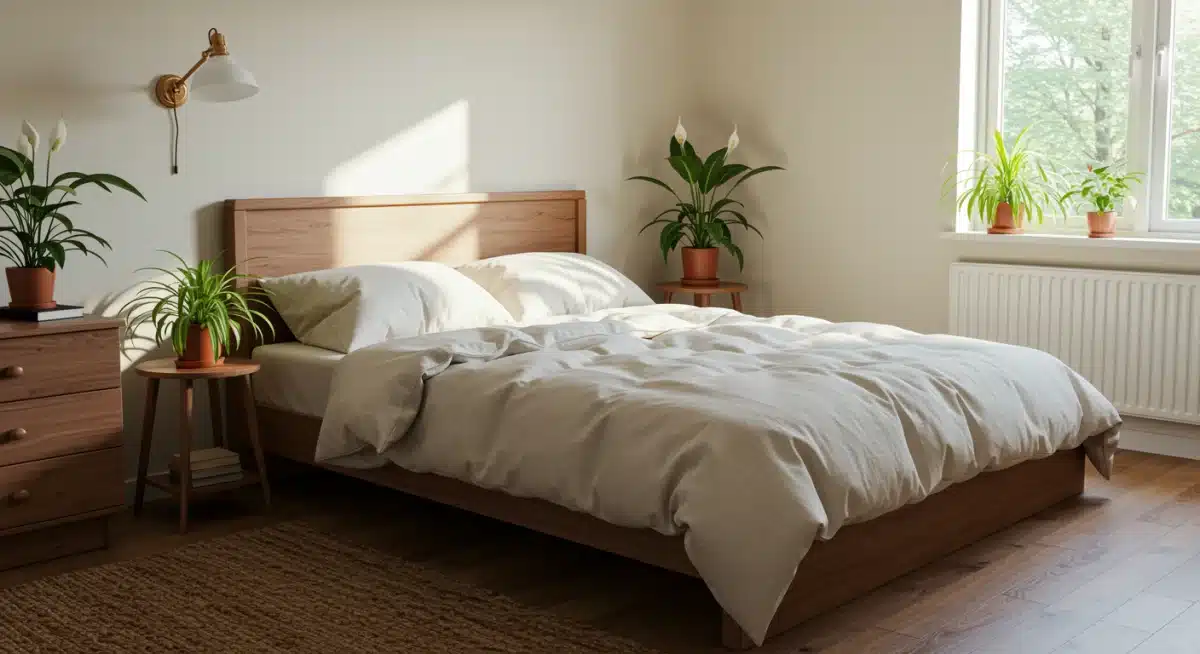
By thoughtfully choosing your home textiles and decor, you are not only creating a beautiful and comfortable living space but also making a powerful statement about your commitment to environmental responsibility and ethical consumption. These choices contribute to a circular economy and a more resilient planet.
Energy Efficiency and Smart Home Solutions: Powering Your Green Home
Beyond the products themselves, how we use energy in our homes significantly impacts our environmental footprint. Energy consumption from heating, cooling, lighting, and appliances contributes to greenhouse gas emissions. Embracing energy-efficient practices and smart home technologies is a cornerstone of sustainable living, allowing us to reduce our energy usage and save on utility bills.
Modern technology offers numerous solutions that seamlessly integrate into daily life, making it easier than ever to manage and minimize energy consumption without sacrificing comfort or convenience. These innovations are key to creating a truly green home.
Optimizing Energy Use with Smart Technology
Start by assessing your current energy usage. An energy audit can identify areas where your home is inefficient, such as poor insulation or outdated appliances. Once identified, you can strategically implement upgrades and smart solutions.
- Smart Thermostats: Devices like Nest or Ecobee learn your habits and adjust heating and cooling automatically, optimizing energy use and saving significant amounts of energy.
- Energy-Efficient Appliances: When purchasing new appliances, look for the Energy Star label, indicating they meet strict energy efficiency guidelines set by the EPA.
- Smart Lighting: LED smart bulbs can be controlled remotely, scheduled, and dimmed, reducing electricity consumption and extending bulb lifespan.
- Power Strips with Timers: Use smart power strips to cut power to electronics when they are not in use, eliminating “phantom load” (the energy devices consume when turned off but still plugged in).
Beyond smart devices, simple habits can also make a big difference. Unplug chargers when not in use, open curtains during the day for natural light, and use ceiling fans to supplement air conditioning. Consider investing in solar panels if feasible, to generate your own clean energy.
By integrating energy-efficient products and smart home solutions, you not only reduce your environmental impact but also create a more comfortable, convenient, and cost-effective living environment. It’s about harnessing technology to live more responsibly.
The Journey to a Sustainable Home: Practical Steps and Long-Term Vision
Embarking on the journey to a sustainable home might seem daunting, but it’s a gradual process built on thoughtful, informed decisions. It’s not about achieving perfection overnight, but rather about making consistent progress and continuously seeking better alternatives. Every small change, when multiplied across a household and then across communities, contributes to a monumental positive impact.
The long-term vision of a sustainable home extends beyond just the products we buy; it encompasses our habits, our awareness, and our commitment to a healthier planet. This journey is about redefining comfort and convenience through an eco-conscious lens.
Making Mindful Choices and Embracing Durability
One of the most powerful principles in sustainable living is to choose products designed for durability and longevity. Fast fashion and disposable items contribute heavily to waste. By investing in high-quality, durable goods, you reduce the need for frequent replacements, saving resources and money in the long run.
Another key aspect is to prioritize multi-purpose items. For example, a single natural cleaning solution that can be used on various surfaces reduces the number of specialized products you need to buy and store. This streamlines your home and minimizes consumption.

- Start Small: Begin with one area of your home, like the kitchen or bathroom, and gradually replace items as they run out or wear down.
- Research Brands: Look for companies with strong sustainability commitments, transparent supply chains, and environmental certifications.
- Educate Yourself: Stay informed about new sustainable innovations and best practices. The more you know, the better choices you can make.
- Embrace Repair: Instead of immediately replacing broken items, consider if they can be repaired. This extends product life and reduces waste.
Ultimately, a sustainable home is a reflection of a conscious lifestyle. It’s about understanding that our choices have consequences and that we have the power to choose consequences that are beneficial for both ourselves and the environment. This ongoing commitment transforms not just our living spaces, but our entire approach to consumption and daily life.
| Key Aspect | Description |
|---|---|
| Waste Reduction | Embracing reusable items and composting to minimize landfill contributions. |
| Healthy Home | Choosing non-toxic products for improved indoor air quality and well-being. |
| Energy Efficiency | Utilizing smart tech and habits to lower energy consumption and carbon footprint. |
| Ethical Consumption | Supporting brands committed to fair labor and responsible, sustainable sourcing. |
Frequently Asked Questions About Eco-Friendly Home Products
The primary benefits include a reduced environmental footprint, improved indoor air quality due to fewer harsh chemicals, support for ethical and sustainable manufacturing practices, and potential cost savings in the long run through durability and reduced waste. It fosters a healthier living environment for everyone in the household.
Look for third-party certifications from reputable organizations like Energy Star, GOTS (Global Organic Textile Standard), or USDA Organic. Check ingredient lists for natural, non-toxic components and avoid products with vague claims or excessive packaging. Transparency from the brand regarding their sourcing and production is also a good sign.
Initially, some eco-friendly products might have a slightly higher upfront cost. However, they often prove more cost-effective in the long run due to their durability, concentration (e.g., cleaning refills), and ability to reduce waste (e.g., reusable items). The health and environmental benefits also represent an invaluable investment.
Begin by replacing single-use items with reusable ones, such as water bottles, coffee cups, and shopping bags. Switch to LED light bulbs, start composting food scraps, and choose one or two plant-based cleaning products to try. Gradual changes are more sustainable and easier to maintain.
Absolutely. While individual actions might seem small, collective efforts create substantial impact. Every choice to reduce waste, conserve energy, and support ethical production contributes to a larger movement. Sustainable living helps reduce pollution, protect biodiversity, and conserve resources for future generations, making a very real difference.
Conclusion: Embracing a Greener Lifestyle, One Product at a Time
The journey towards sustainable living through eco-friendly home products is both a personal commitment and a collective endeavor. It’s about making deliberate choices that resonate with our desire for a healthier planet and a more harmonious existence. From the kitchen to the bedroom, and from cleaning supplies to energy solutions, every corner of our home offers an opportunity to embrace sustainability. By prioritizing reusable, durable, and ethically produced items, we not only reduce our environmental footprint but also cultivate a living space that nurtures well-being and reflects a conscious approach to life. The benefits extend far beyond our immediate surroundings, contributing to a global movement that champions environmental stewardship and responsible consumption. Start small, stay informed, and celebrate every step you take towards a greener, more sustainable home.