Declutter Your Home in 7 Days: Expert Tips for a Streamlined Life

Achieve a calmer, more organized living space by following expert strategies to declutter your home in just 7 days, fostering a streamlined and comfortable lifestyle.
Are you feeling overwhelmed by clutter, longing for a more serene and functional living space? The idea of a complete home overhaul can seem daunting, but what if you could achieve significant progress in just one week? This article will guide you through expert tips for how to declutter your home in 7 days, transforming your environment and enhancing your overall well-being. Get ready to reclaim your space and embrace a more streamlined life.
Understanding the Clutter Conundrum: Why We Accumulate
Before diving into the practical steps of decluttering, it’s essential to understand the root causes behind our accumulation habits. Modern life often encourages consumption, and societal pressures, emotional attachments, and even sheer inertia can contribute to a cluttered environment. Recognizing these patterns is the first step toward breaking free from them.
Many people find themselves holding onto items “just in case” they might need them someday, or because of sentimental value. While sentiment is important, an excess of sentimental items can quickly overwhelm a space, turning cherished memories into physical burdens. Understanding the emotional ties to possessions can help in making more objective decisions during the decluttering process.
The Psychology Behind Hoarding
It’s not uncommon for people to struggle with letting go. The fear of regretting discarding an item, or the perceived wastefulness of getting rid of something still functional, can be powerful deterrents. However, a cluttered home often leads to a cluttered mind, impacting productivity, focus, and even mental health. Acknowledging these psychological barriers is crucial for effective decluttering.
- Fear of Future Need: Holding onto items “just in case” is a common trap.
- Sentimental Attachment: Emotional ties can make discarding difficult.
- Perceived Value: Believing an item might be valuable later prevents disposal.
- Decision Fatigue: The sheer volume of decisions can be overwhelming.
Ultimately, a cluttered environment can contribute to stress and anxiety, making it harder to relax and enjoy your home. By addressing the underlying reasons for accumulation, you empower yourself to make lasting changes that promote a more organized and peaceful lifestyle. It’s about creating a space that serves your current needs and aspirations, rather than being dictated by past possessions.
Day 1: Setting the Stage – Planning and Mindset
The success of your 7-day decluttering journey hinges on proper planning and a strong mindset. Don’t jump in without a clear strategy. Dedicate your first day to mentally preparing, setting realistic goals, and gathering the necessary tools. This initial investment of time will pay dividends throughout the week.
Start by visualizing your ideal home. What does it look like? How does it feel? This mental image will serve as your motivation when the process gets challenging. Break down the entire home into manageable zones or rooms, deciding which areas you’ll tackle on which days. Remember, consistency is key, even if you only dedicate a few hours each day.
Defining Your Decluttering Zones
A common mistake is trying to do too much at once. Instead, focus on one area at a time. For instance, you might dedicate day one to planning, day two to the kitchen, day three to the living room, and so on. This methodical approach prevents burnout and allows for focused effort. Consider the size and current state of each room when allocating your time.
- Kitchen: Often a high-traffic area with many small items.
- Living Room: Can accumulate decorative items, books, and electronics.
- Bedroom: Personal sanctuary, prone to clothing and personal effects.
- Bathroom: Medications, toiletries, and cleaning supplies.
- Home Office/Desk: Papers, stationery, and digital clutter.
Gathering your supplies is also a crucial part of Day 1. You’ll need trash bags, donation boxes, shredders for sensitive documents, and cleaning supplies. Having everything at hand minimizes interruptions and keeps your momentum going. Prepare your “keep,” “donate,” “trash,” and “relocate” piles or bins now, so you’re ready to sort when you begin.
Day 2: Conquering the Kitchen – Heart of the Home
The kitchen, often considered the heart of the home, can also be a significant source of clutter. From overflowing pantries to rarely used gadgets, this space demands a strategic approach. Today is about making your kitchen functional, efficient, and enjoyable, transforming it into a space where you love to cook and gather.
Begin by emptying one cabinet or drawer at a time. This method, while seemingly slow, prevents overwhelming yourself. As you go through each item, apply the “four-box method”: keep, donate, trash, or relocate. Be honest about what you truly use. Do you need five spatulas? Are those expired spices still useful?
Optimizing Pantry and Refrigerator Space
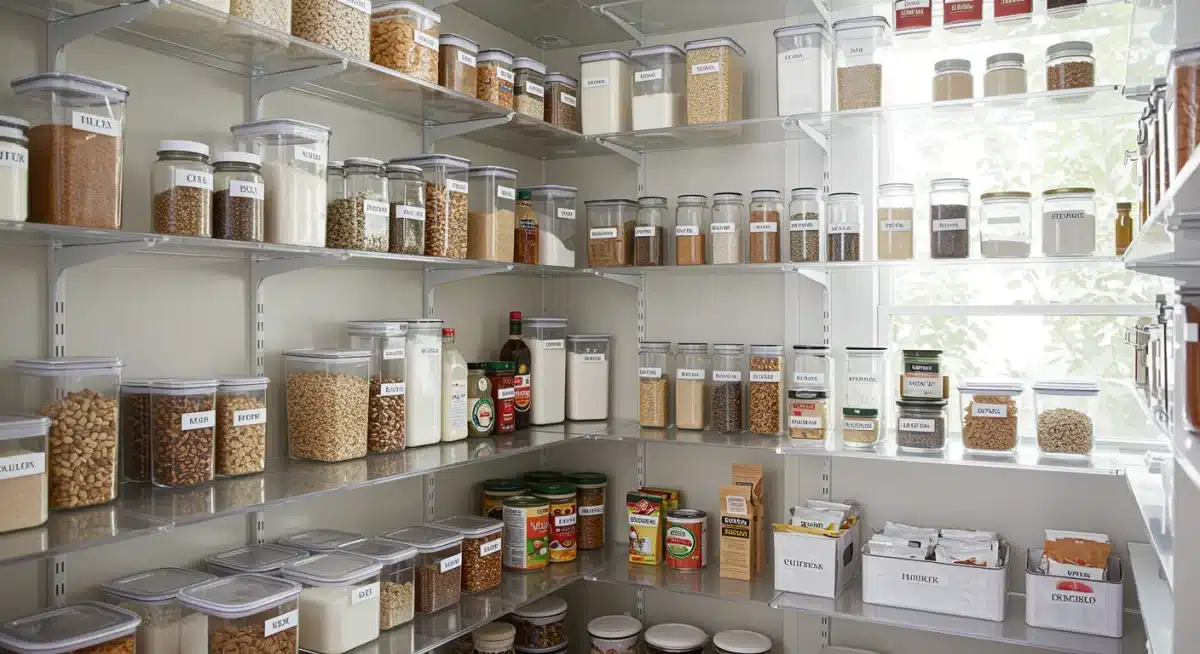
The pantry and refrigerator are prime candidates for decluttering. Check expiration dates rigorously. Remove stale or unused food items. For the pantry, consider using clear containers to store dry goods, which not only looks tidier but also helps you see what you have, preventing duplicate purchases. Group similar items together to create a more intuitive system.
- Expired Items: Discard all past-due food and condiments.
- Duplicate Gadgets: Keep only the most functional and frequently used.
- Unused Cookware: Donate pots, pans, or bakeware you haven’t touched in a year.
- Plastic Containers: Match lids and bases; discard any without a pair.
Once you’ve sorted through everything, give your cabinets and drawers a quick wipe-down before returning items. Organize your “keep” items logically. Place frequently used items within easy reach, and lesser-used items on higher shelves or in deeper drawers. The goal is to create a system that makes cooking and meal prep a pleasure, not a chore. By the end of today, your kitchen should feel lighter and more efficient, ready for culinary adventures.
Day 3: Streamlining Living Areas – Comfort and Clarity
Today, we focus on the living room and other communal spaces, aiming to create environments that invite relaxation and connection, free from visual noise. These are the areas where you spend much of your downtime, so their organization directly impacts your comfort and peace of mind. The goal is to make these spaces feel open and welcoming, not cluttered and chaotic.
Start with surfaces: coffee tables, end tables, bookshelves, and entertainment centers. These areas tend to attract miscellaneous items – remote controls, magazines, decorative trinkets, and charging cables. Be ruthless in deciding what truly belongs. If an item doesn’t serve a purpose or bring you joy, it’s time to let it go or find it a proper home elsewhere.
Taming the Entertainment Hub
Entertainment areas, in particular, can become tangled messes of wires, old DVDs, and unused gaming accessories. Take the time to untangle cables, discard old electronics that no longer work, and consolidate media. Consider digital alternatives for movies and music to reduce physical clutter. This creates a cleaner aesthetic and makes the space more functional for its intended purpose.
- Bookshelves: Remove unread books or those you won’t reread; organize the rest.
- Decorative Objects: Keep only items that truly resonate or enhance the decor.
- Electronic Cables: Organize and label cables; discard old or redundant ones.
- Magazines/Newspapers: Recycle old issues; consider digital subscriptions.
As you declutter, think about flow and functionality. Are pathways clear? Is there enough space to move comfortably? Rearranging furniture might even be part of the process to optimize the layout of your living spaces. By the end of Day 3, your living areas should feel more spacious, inviting, and truly reflective of a comfortable, streamlined lifestyle.
Day 4: Bedroom Bliss – Creating a Personal Sanctuary
The bedroom should be a haven of rest and relaxation, a space that promotes tranquility and rejuvenation. Unfortunately, it often becomes a dumping ground for clothes, books, and miscellaneous items. Today, your mission is to transform your bedroom into a true personal sanctuary, free from distractions and conducive to peaceful sleep.
Begin with your wardrobe. This is often the largest source of clutter in the bedroom. Pull out all your clothes and sort them into piles: keep, donate, mend, or discard. Be honest about what you wear regularly, what fits, and what makes you feel good. The “one-year rule” can be helpful here: if you haven’t worn it in a year, it’s probably time to let it go.
Organizing Your Dresser and Nightstands
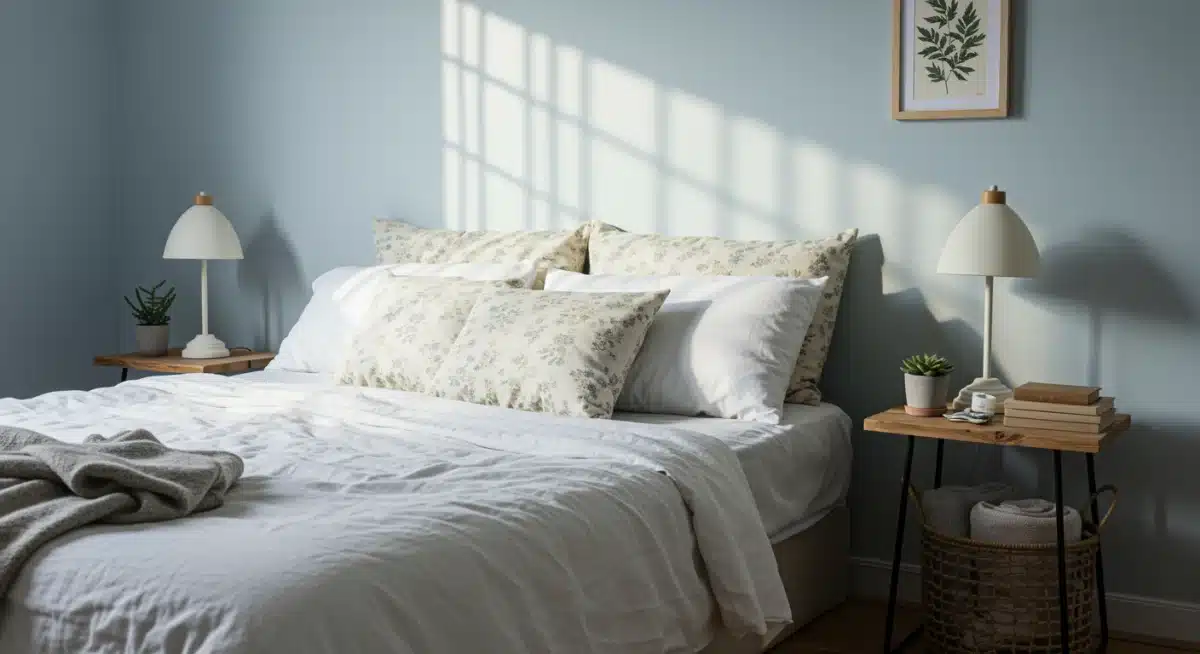
Once your wardrobe is sorted, move on to your dresser drawers and nightstands. These smaller spaces can quickly accumulate clutter like jewelry, lotions, books, and charging cables. Keep only essential items on your nightstand to promote a calm sleeping environment. Consider using drawer organizers to keep smaller items neat and easily accessible.
- Clothes: Discard ill-fitting, damaged, or unworn items.
- Undergarments/Socks: Get rid of stretched-out or single items.
- Jewelry: Keep only cherished or frequently worn pieces; store neatly.
- Books/Magazines: Move reading materials to a designated spot or donate.
Finally, address any under-bed storage or other hidden areas that might be holding onto forgotten items. Clear surfaces, make your bed, and create a visually appealing arrangement of any remaining decorative items. By the end of Day 4, your bedroom should feel lighter, cleaner, and provide a true sense of calm, enhancing your ability to relax and unwind.
Day 5: Bathroom Revamp and Home Office Harmony

Today is a dual-focus day, tackling two often-neglected but highly functional spaces: the bathroom and the home office. Both areas benefit immensely from decluttering, leading to improved hygiene, efficiency, and mental clarity. A streamlined bathroom makes your morning routine smoother, while an organized office boosts productivity.
In the bathroom, start by emptying medicine cabinets, drawers, and under-sink storage. Check expiration dates on medications, cosmetics, and toiletries. Discard anything that’s old, unused, or nearly empty. Consolidate duplicate products. Keep only what you actively use and what is essential for daily routines. Consider using drawer dividers or small bins to categorize items like dental care, skincare, and hair products.
Taming the Paper Tiger in Your Home Office
The home office, or any area where you handle paperwork, can quickly become overwhelmed by documents. This is where the “paper tiger” often resides. Sort through all papers, creating categories for “to do,” “to file,” “to shred,” and “to recycle.” Digitize important documents where possible to reduce physical clutter. Invest in a good filing system for the papers you must keep.
- Expired Products: Discard old makeup, sunscreens, and medications.
- Unused Samples: Use them or toss them; don’t let them accumulate.
- Redundant Paperwork: Shred old bills, statements, and junk mail.
- Office Supplies: Consolidate pens, pencils, and other supplies; discard broken items.
For both spaces, remember that less is more. In the bathroom, clear countertops can make a huge difference. In the office, a clean desk surface can significantly improve focus and reduce stress. By the end of Day 5, you’ll have transformed these functional areas into spaces that support your daily tasks and personal care routines, making them more efficient and enjoyable.
Day 6: Digital Declutter and Sentimental Sorting
As we approach the final stages of our 7-day decluttering challenge, it’s crucial to address two often-overlooked yet significant areas of clutter: your digital life and sentimental items. Digital clutter can be just as overwhelming as physical clutter, impacting your productivity and peace of mind. Sentimental items, while cherished, can also become burdensome if not managed thoughtfully.
Start with your digital devices. Go through your phone, tablet, and computer. Delete unused apps, organize your desktop, and clean up your email inbox. Unsubscribe from newsletters you no longer read. Back up important files and photos to cloud storage or an external hard drive, then delete duplicates from your devices. A clean digital space can significantly reduce stress.

Thoughtfully Managing Sentimental Treasures
Sentimental items require a different approach than everyday clutter. These are objects tied to memories and emotions, making them harder to part with. Instead of ruthlessly discarding, consider creating a designated “memory box” for your most cherished items. Limit yourself to what fits in this box. Photograph other sentimental items before letting them go, preserving the memory without the physical object.
- Digital Files: Delete old downloads, duplicate photos, and unused documents.
- Email Inbox: Unsubscribe from unwanted lists; archive or delete old emails.
- Old Photos: Digitize and store them; keep only a select few physical albums.
- Children’s Art: Keep a select few masterpieces; photograph others.
It’s important to remember that memories reside within you, not solely in objects. By curating your sentimental items, you honor their significance without allowing them to overwhelm your living space. This thoughtful approach ensures that your home remains a sanctuary, while still holding onto what truly matters. By the end of Day 6, both your digital and emotional landscapes will feel lighter and more manageable.
Day 7: Maintenance, Mindset, and Moving Forward
Congratulations on reaching Day 7! Today isn’t about more intense decluttering, but rather about solidifying your progress, establishing sustainable habits, and celebrating your newly transformed home. The real success of any decluttering effort lies in its long-term maintenance. This final day is about creating systems that will keep your home streamlined and organized for good.
Start by doing a final walkthrough of your entire home. Admire your hard work and the newfound sense of peace and order. Take any remaining “donate” items to a charity drop-off, and ensure all “trash” is properly disposed of. This provides immediate closure and prevents items from lingering, recreating clutter. A clean sweep reinforces the feeling of accomplishment.
Establishing Daily and Weekly Habits
To prevent clutter from creeping back in, establish simple daily and weekly habits. The “one-minute rule” is powerful: if a task takes less than a minute, do it immediately. This applies to putting away items, wiping down surfaces, or tidying up a small area. Weekly, dedicate 15-30 minutes to a quick tidy-up session, ensuring everything is in its designated place.
- Daily Tidy: Spend 5-10 minutes putting things away before bed.
- Weekly Review: Check for accumulating clutter in high-traffic areas.
- “One In, One Out” Rule: When you buy something new, get rid of something similar.
- Designated Homes: Ensure every item has a specific place to live.
Reflect on how your decluttered home makes you feel. Notice the increased comfort, reduced stress, and enhanced productivity. This positive reinforcement will serve as motivation to maintain your new habits. Remember, decluttering is not a one-time event but an ongoing lifestyle choice. By integrating these practices into your routine, you ensure your home remains a source of comfort and joy.
| Key Point | Brief Description |
|---|---|
| Strategic Planning | Dedicate Day 1 to planning, setting goals, and preparing tools for a successful decluttering journey. |
| Zone-by-Zone Attack | Tackle one specific area of your home each day (kitchen, living room, bedroom) to avoid overwhelm. |
| Mindful Discarding | Apply the “keep, donate, trash, relocate” method and be honest about item utility and emotional value. |
| Sustained Habits | Implement daily and weekly routines to maintain decluttered spaces and prevent re-accumulation. |
Frequently Asked Questions About Decluttering
The best approach is to start small. Pick one tiny area, like a single drawer or a section of a shelf, and focus solely on that. Completing a small task provides a sense of accomplishment and builds momentum for larger projects. Don’t try to tackle everything at once.
For sentimental items, create a designated “memory box” and limit yourself to what fits inside. You can also take photos of items before donating or discarding them, preserving the memory without keeping the physical object. Remember, memories are in your heart, not just in things.
Maintaining an organized home requires consistent habits. Implement a “one-minute rule” for small tasks, and dedicate 15-30 minutes weekly for a quick tidy-up. Establish a “one in, one out” policy for new purchases, ensuring every item has a designated home to prevent re-cluttering.
It’s generally recommended to declutter first and then assess your storage needs. Buying storage solutions beforehand often leads to buying things you don’t need or that don’t fit your actual reorganized items. Clear out what you don’t need, then find appropriate storage for what remains.
Involve your family by making it a collaborative effort. Assign specific areas or tasks to each member and explain the benefits of a tidy home, such as reduced stress and more space for activities. Lead by example and celebrate small victories together to keep motivation high.
Conclusion
Embarking on a journey to declutter your home in 7 days might seem like an ambitious undertaking, but as this guide has demonstrated, it’s an entirely achievable goal. By breaking down the process into manageable daily tasks, addressing both physical and digital clutter, and adopting a mindful approach to your possessions, you can transform your living environment significantly. The benefits extend far beyond just a tidy home; they encompass a clearer mind, reduced stress, and a greater sense of peace and control over your personal space. Remember that decluttering is not a one-time event, but rather the beginning of a more intentional and organized lifestyle. By integrating these practices into your routine, you’re not just cleaning your home; you’re cultivating habits that will serve your well-being for years to come, creating a true sanctuary of comfort and clarity.