The Power of Gratitude: A 21-Day Challenge to Boost Happiness

The 21-day gratitude challenge is a structured program designed to cultivate a habit of appreciation, leading to a measurable increase in overall happiness and well-being through consistent practice and reflection.
Are you looking for a tangible way to enhance your daily life and genuinely feel more content? Embark on The Power of Gratitude: A 21-Day Challenge to Boost Happiness by 10%, a transformative journey designed to rewire your brain for positivity and unlock a deeper sense of joy. This challenge isn’t just about fleeting good feelings; it’s a strategic approach to cultivating lasting happiness through intentional appreciation.
Understanding the Science Behind Gratitude and Happiness
The concept of gratitude extending beyond a mere pleasant emotion is firmly rooted in scientific research. Neuroscientists and psychologists have extensively studied its profound impact on our mental and physical well-being, revealing how a consistent practice of appreciation can literally reshape our brains and improve our overall quality of life.
When we practice gratitude, our brains release neurotransmitters like dopamine and serotonin, which are crucial for mood regulation and feelings of pleasure. This biochemical response contributes to an immediate sense of well-being and, over time, can lead to more resilient psychological states. It’s not just about feeling good in the moment; it’s about building a foundation for sustained happiness.
The neurological impact of thankfulness
Studies using fMRI scans have shown that expressing gratitude activates areas of the brain associated with reward, moral cognition, and social bonding, specifically the medial prefrontal cortex. This activation suggests that gratitude is not just a passive feeling but an active process that engages complex neural networks. It reinforces positive social behaviors and strengthens our connections with others, which are vital components of human happiness.
- Activates reward pathways in the brain.
- Increases levels of dopamine and serotonin.
- Strengthens social bonds and empathy.
Furthermore, gratitude has been linked to reduced levels of cortisol, the stress hormone. By consciously focusing on what we are thankful for, we can effectively mitigate the physiological responses to stress, leading to a calmer and more balanced state. This reduction in stress is a significant factor in boosting overall happiness and preventing burnout.
Psychological benefits beyond mood elevation
Beyond the immediate mood boost, gratitude acts as a powerful psychological tool that fosters resilience. When faced with adversity, individuals who regularly practice gratitude tend to cope more effectively. They are better able to find meaning in challenging situations and maintain a positive outlook, viewing obstacles as opportunities for growth rather than insurmountable barriers.
Gratitude also plays a crucial role in enhancing self-esteem. By focusing on the good things in our lives, we often recognize our own contributions and the support we receive from others. This recognition can foster a sense of worthiness and belonging, reinforcing a positive self-image. It helps us appreciate our own journey and the blessings we encounter along the way.
The scientific evidence overwhelmingly supports the idea that gratitude is far more than just a polite sentiment; it is a fundamental practice that profoundly impacts our brains, bodies, and overall psychological health, paving the way for a happier and more fulfilling existence. Understanding these mechanisms provides a compelling reason to integrate gratitude into our daily routines.
Preparing for Your 21-Day Gratitude Challenge
Embarking on a 21-day challenge requires a degree of preparation and commitment to ensure its effectiveness. To truly harness The Power of Gratitude: A 21-Day Challenge to Boost Happiness by 10%, you’ll need to set the stage for success, both mentally and practically. This phase is crucial for establishing a solid foundation that will carry you through the entire journey.
Before you even begin, take a moment to understand why you are undertaking this challenge. What do you hope to gain? A clear intention will serve as your guiding light when motivation might waver. This initial reflection solidifies your purpose and strengthens your resolve to complete the 21 days.
Setting clear intentions and realistic expectations
It’s important to approach this challenge with an open mind but also with realistic expectations. While a 10% boost in happiness is a wonderful goal, the journey itself is just as valuable. Focus on the process of cultivating gratitude rather than solely on the outcome. Understand that some days might feel easier than others, and that’s perfectly normal.
- Define what happiness means to you personally.
- Acknowledge that progress is not always linear.
- Commit to daily reflection, even if brief.
Your intention could be as simple as wanting to feel more positive, reduce stress, or improve your relationships. Articulating this intention helps to focus your efforts. Moreover, be kind to yourself if you miss a day; simply pick up where you left off. Consistency over perfection is key in building new habits.
Essential tools and resources for the journey
While gratitude is a state of mind, having a few simple tools can significantly enhance your challenge experience. The most fundamental is a gratitude journal. This can be a dedicated notebook, a digital document, or even a simple app on your phone. The act of physically writing down your thoughts can deepen the reflective process and make your gratitude more tangible.
Consider setting daily reminders on your phone or calendar to prompt your gratitude practice. In the beginning, it’s easy to forget, so these gentle nudges can be invaluable. You might also want to explore guided meditations focused on gratitude, which can help you cultivate a deeper sense of appreciation.
Having a quiet, dedicated space for your daily practice, even if it’s just a few minutes at your kitchen table, can also be beneficial. This creates a ritual around your gratitude practice, making it easier to integrate into your routine. Prepare these resources in advance so you can dive into the challenge without any logistical hurdles.
Daily Practices for Your Gratitude Journey
The core of The Power of Gratitude: A 21-Day Challenge to Boost Happiness by 10% lies in consistent daily practices. These aren’t meant to be arduous tasks, but rather simple, intentional moments that gradually shift your perspective. The cumulative effect of these small actions is what leads to profound and lasting change in your happiness levels.
Each day presents a new opportunity to integrate gratitude into your routine. The key is to find practices that resonate with you and that you can realistically stick to for 21 consecutive days. Remember, consistency is more important than the intensity of any single practice.
Morning rituals: setting a grateful tone
Starting your day with gratitude can set a positive tone for the hours ahead. Before you even get out of bed or check your phone, take a few moments to think of three things you are grateful for. These can be simple: the warmth of your blanket, the sound of birds, or the prospect of a hot cup of coffee.
- Identify three things you are grateful for immediately upon waking.
- Spend a few minutes in silent reflection on these blessings.
- Avoid rushing this moment; let the feeling of appreciation settle in.
Another powerful morning practice is to write in your gratitude journal. Dedicate a specific time each morning, even if it’s just five minutes, to jot down things you appreciate. This physical act of writing reinforces the positive thoughts and makes them more concrete. It’s a deliberate declaration of appreciation that can significantly impact your day.
Throughout the day: mindful moments of thanks

Gratitude doesn’t have to be confined to a specific time; it can be woven into the fabric of your entire day. Practice mindful moments of thanks. For example, when you enjoy a delicious meal, pause to appreciate the flavors and the effort that went into preparing it. When someone holds a door for you, genuinely acknowledge their kindness.
These small, spontaneous acts of gratitude help to keep your awareness tuned to the positive aspects of your life. They prevent you from falling into the trap of taking things for granted. You can also use visual cues, like a sticky note on your computer or a gratitude rock in your pocket, to remind you to pause and appreciate.
Evening reflections: consolidating your gratitude
Just as mornings are important for setting the tone, evenings are crucial for consolidating your gratitude. Before going to sleep, take time to reflect on your day and identify at least three things that went well or that you felt grateful for. This could be a productive meeting, a kind word from a colleague, or a beautiful sunset.
Writing these down in your gratitude journal before bed can help to calm your mind, reduce anxiety, and promote better sleep. It allows you to end your day on a positive note, reinforcing the neural pathways associated with happiness. This consistent evening practice helps to build a cumulative effect, strengthening your gratitude muscle over the 21 days and beyond.
Overcoming Challenges and Maintaining Momentum
Even with the best intentions, maintaining a daily practice like The Power of Gratitude: A 21-Day Challenge to Boost Happiness by 10% can present its own set of challenges. Life happens, and it’s easy to get sidetracked or lose motivation. Recognizing these potential hurdles and having strategies to overcome them is crucial for the success of your 21-day journey.
It’s important to remember that setbacks are a normal part of any habit-forming process. The goal isn’t perfection, but rather consistent effort and a willingness to recommit when you stumble. Embrace these moments as learning opportunities rather than failures.
Dealing with skepticism and resistance
You might encounter internal skepticism, a voice that questions the efficacy of gratitude or dismisses it as trivial. This is particularly common on days when you’re feeling low or stressed. On such days, it might feel counterintuitive to focus on gratitude. Remind yourself of the scientific evidence supporting its benefits and the long-term goal of boosting your happiness.
- Acknowledge skeptical thoughts without judgment.
- Revisit your initial intentions and motivations.
- Focus on very small, undeniable things you can be grateful for.
If you find yourself resisting the practice, try simplifying it. Instead of writing a lengthy journal entry, just list one thing you’re grateful for. The act of acknowledging even one positive aspect can shift your mindset and help you overcome initial resistance. Consistency, even in a reduced form, is more beneficial than skipping a day entirely.
Strategies for staying consistent
Consistency is the bedrock of habit formation. To maintain momentum throughout the 21 days, implement strategies that make your gratitude practice easier to stick to. One effective method is habit stacking: integrate your gratitude practice with an existing daily habit. For example, after brushing your teeth, spend two minutes writing in your gratitude journal.
Another strategy is to make your commitment public, even if it’s just telling a friend or family member about your challenge. This external accountability can provide an extra layer of motivation. You could also find an accountability partner to embark on the challenge with you, offering mutual support and encouragement.
What to do when you miss a day
Missing a day can feel discouraging, but it doesn’t mean the challenge is over. The most important thing is to avoid the all-or-nothing mindset. If you miss a day, simply resume your practice the next day. Don’t dwell on the missed opportunity; instead, focus on recommitting to the present moment and the remaining days of your challenge.
Use the missed day as a reflection point. What caused you to miss it? Was it a lack of time, forgetfulness, or a dip in motivation? Understanding the reason can help you adjust your strategy for future consistency. The journey to lasting happiness is rarely a perfectly straight line, and embracing these small detours is part of the growth process.
Measuring Your Happiness Boost
A significant aspect of undertaking The Power of Gratitude: A 21-Day Challenge to Boost Happiness by 10% is the ability to observe and ideally measure the positive changes in your well-being. While happiness can feel subjective, there are practical ways to gauge your progress and confirm the impact of your consistent gratitude practice. This measurement provides tangible evidence of your transformation.
It’s important to establish a baseline before you begin the challenge. This initial assessment will serve as a point of comparison, allowing you to clearly see the improvements by the end of the 21 days. Without a baseline, it can be difficult to accurately attribute changes to your gratitude practice.
Establishing a happiness baseline
Before day one, take a moment to assess your current happiness levels. You can do this through a simple self-assessment scale, rating your overall happiness on a scale of 1 to 10. Consider various aspects of your life: your mood, energy levels, satisfaction with relationships, and general outlook. Write this down in your journal.
- Rate your overall happiness from 1-10.
- Note your general mood and energy levels.
- Assess your satisfaction with key life areas.
You can also keep a brief mood log for a few days leading up to the challenge, noting how you feel at different points. This qualitative data can complement your quantitative rating and provide a more nuanced understanding of your emotional landscape before you begin. This baseline is critical for validating the challenge’s effectiveness.
Tracking your daily progress
Throughout the 21 days, continue to make brief notes on your happiness and mood. Your gratitude journal can serve as an excellent tool for this. At the end of each day, in addition to writing down what you’re grateful for, you might add a quick rating of your overall mood for the day or jot down a few words about how you felt.
Look for subtle shifts: Are you smiling more? Do you feel less stressed? Are you reacting to minor irritations with more patience? These small, incremental changes are indicators of progress. Don’t expect dramatic leaps every day; rather, observe the gradual accumulation of positive feelings and experiences.
Post-challenge assessment and reflection
Once the 21 days are complete, revisit your initial happiness assessment. Rate your happiness again on the same 1-10 scale. Compare this new rating with your baseline. You might be surprised at the difference. Reflect on specific instances where your gratitude practice helped you navigate a challenging situation or appreciate a simple moment more deeply.
Beyond the numbers, reflect on the qualitative changes. How have your relationships improved? Do you feel more resilient? Has your perspective on life shifted? The 10% boost in happiness is a goal, but the true measure of success lies in the sustained positive changes you observe in your daily life. This reflection solidifies the new habits and encourages continued practice.
Integrating Gratitude Beyond the 21-Day Challenge
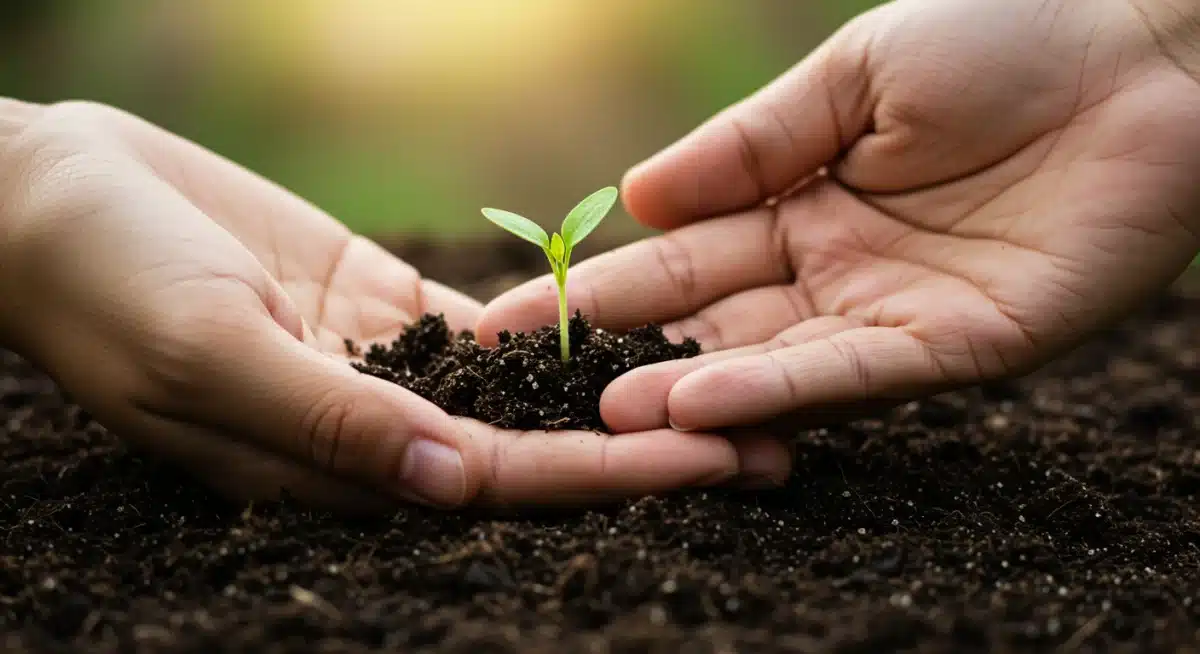
While The Power of Gratitude: A 21-Day Challenge to Boost Happiness by 10% provides a structured foundation, the ultimate goal is to integrate gratitude as a permanent fixture in your life. The 21 days are merely a springboard, a period to cement a habit that can continue to yield profound benefits long after the challenge concludes. Making gratitude a lifestyle choice ensures sustained happiness and well-being.
The transition from a structured challenge to an ingrained habit requires conscious effort and a commitment to ongoing practice. Think of it as cultivating a garden; consistent tending ensures it continues to flourish and bear fruit.
Making gratitude a lifelong habit
To ensure gratitude sticks, make it a non-negotiable part of your daily routine. This means continuing with your morning and evening reflections, even if they become shorter or less formal. The key is consistency. Over time, these practices will feel less like a chore and more like a natural extension of your day.
- Continue daily gratitude journaling or reflection.
- Seek out opportunities to express gratitude verbally.
- Integrate gratitude into your family or social routines.
Consider diversifying your gratitude practices. Instead of just writing, try expressing gratitude verbally to others more often. Send thank-you notes, give genuine compliments, or simply tell someone how much you appreciate them. These acts not only reinforce your own gratitude but also strengthen your relationships, creating a positive feedback loop.
Sharing your gratitude with others
Gratitude is a powerful emotion that becomes even more potent when shared. Actively expressing your appreciation to others not only brightens their day but also amplifies your own feelings of happiness. It fosters stronger connections, builds trust, and creates a more positive environment for everyone involved.
Look for opportunities to engage in acts of service or kindness, even small ones. Volunteering your time, helping a neighbor, or simply offering a listening ear can be profound expressions of gratitude for the blessings in your own life. These actions extend the ripple effect of positivity outward.
Adapting gratitude practices to different life stages
Life is dynamic, and your gratitude practice can evolve with it. What works during one stage of your life might need adjustment in another. During busy periods, your gratitude practice might be a quick mental acknowledgment. During calmer times, you might delve into more elaborate journaling or reflective practices.
The essence remains the same: consistently finding things to be thankful for. Be flexible and forgiving with yourself. The goal is to keep the flame of gratitude alive, adapting its expression to suit your current circumstances. This adaptability ensures that gratitude remains a sustainable and enriching part of your life’s journey, continually boosting your happiness.
The Ripple Effect: How Your Gratitude Impacts the World
The journey of The Power of Gratitude: A 21-Day Challenge to Boost Happiness by 10% extends far beyond personal well-being. Your cultivated gratitude doesn’t exist in a vacuum; it creates a powerful ripple effect that touches those around you and contributes to a more positive collective consciousness. Understanding this broader impact can further motivate your commitment to this transformative practice.
When you consistently express gratitude, you become a beacon of positivity. Your changed perspective and elevated mood are often contagious, subtly influencing the emotional landscape of your family, friends, colleagues, and even strangers. This outward projection of gratitude contributes to a more compassionate and connected world.
Strengthening relationships through appreciation
One of the most immediate and tangible ripple effects of gratitude is the strengthening of personal relationships. When you regularly express appreciation to loved ones, it makes them feel valued, seen, and loved. This validation deepens bonds, resolves conflicts more easily, and fosters a greater sense of intimacy and trust.
- Increases empathy and understanding in relationships.
- Reduces friction and improves communication.
- Cultivates a supportive and positive atmosphere.
Think about how good it feels when someone genuinely thanks you. You can offer that same feeling to others. Beyond verbal expressions, acts of service or thoughtful gestures rooted in gratitude can significantly enhance the quality of your interactions and build stronger, more resilient connections with the people who matter most.
Creating a positive work and community environment

The impact of gratitude isn’t limited to personal relationships; it extends into professional and community settings. In the workplace, a grateful attitude can boost team morale, improve collaboration, and even increase productivity. Leaders who model gratitude often inspire greater loyalty and engagement from their teams.
In your community, being a grateful individual means you’re more likely to participate, contribute, and seek out ways to make a positive difference. Whether it’s volunteering, supporting local businesses, or simply being a friendly face, your gratitude translates into actions that uplift the collective spirit and foster a sense of belonging for everyone.
Inspiring others to embrace gratitude
Perhaps the most profound ripple effect is your ability to inspire others. When people witness your increased happiness, resilience, and positive outlook, they often become curious about your secret. By openly sharing your experiences with the 21-day gratitude challenge, you can encourage others to embark on their own journeys of appreciation.
Your example serves as a powerful testament to the transformative power of gratitude. You become an advocate for well-being, demonstrating through your own life that happiness is not just a stroke of luck but a cultivated state. This inspiration can lead to a chain reaction, where more and more individuals discover the joy and benefits of living a grateful life, creating a more positive and compassionate world for all.
| Key Aspect | Brief Description |
|---|---|
| Scientific Basis | Gratitude activates brain reward centers, boosting dopamine/serotonin and reducing stress hormones like cortisol. |
| Challenge Preparation | Set clear intentions, manage expectations, and gather tools like a gratitude journal for consistent practice. |
| Daily Practices | Incorporate morning reflections, mindful appreciation throughout the day, and evening gratitude journaling for sustained impact. |
| Measuring Progress | Establish a happiness baseline, track daily mood, and conduct a post-challenge assessment to observe personal growth. |
Frequently asked questions about the gratitude challenge
While some people report immediate mood boosts, significant and lasting changes in happiness and well-being typically become noticeable within 21 days of consistent gratitude practice. This period allows new neural pathways to form, solidifying the habit.
No, a special journal isn’t required. Any notebook, digital document, or even a simple piece of paper can serve as your gratitude journal. The act of writing is what matters most, not the specific medium used.
It’s completely normal to have days when gratitude feels difficult. On these days, focus on the simplest things: your breath, a warm drink, or the roof over your head. The key is to maintain consistency, even if the gratitude feels minimal.
Yes, numerous studies show that consistent gratitude practice can significantly reduce stress and anxiety levels. It shifts focus from perceived lacks to existing blessings, calming the nervous system and promoting a more positive outlook.
After the challenge, continue integrating gratitude into your routine by habit stacking, setting reminders, or sharing your appreciation with others. Flexibility and consistency are crucial to sustain the practice and its benefits over time.
Conclusion
Embarking on The Power of Gratitude: A 21-Day Challenge to Boost Happiness by 10% is more than just a fleeting trend; it’s a scientifically-backed pathway to sustained well-being and a richer, more fulfilling life. By dedicating just a few moments each day to intentional appreciation, you actively rewire your brain for positivity, reduce stress, and strengthen your relationships. The ripple effect of your gratitude extends far beyond your personal experience, fostering a more compassionate and connected world. This challenge equips you with practical tools and a renewed perspective, proving that a happier life is not only attainable but also a journey well worth taking.