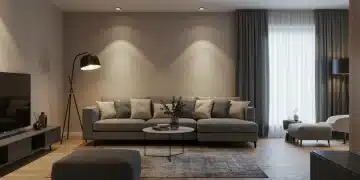
Maximize Small Spaces: Smart Furniture for Cozy Living
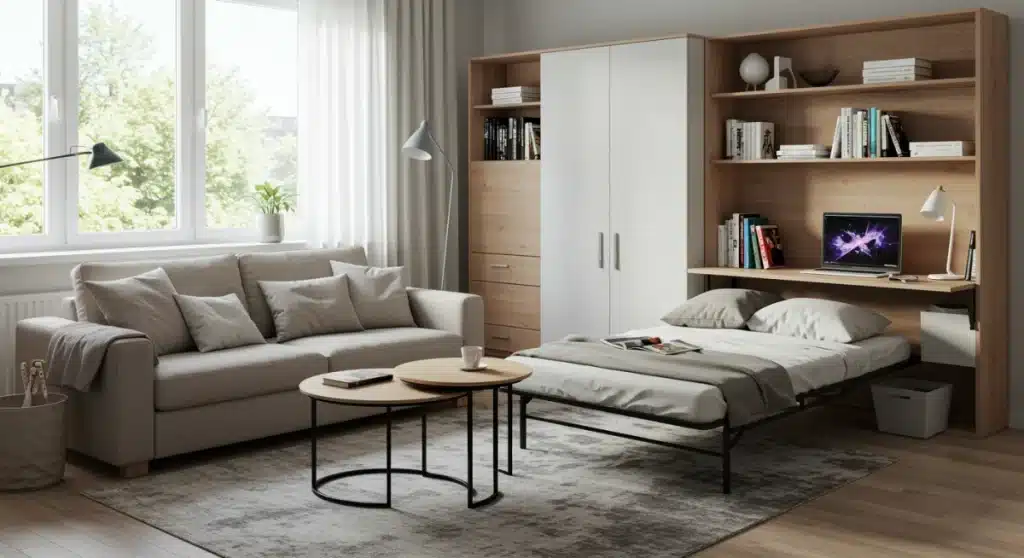
Effectively maximizing small spaces involves strategic furniture choices that offer multi-functionality and smart design, transforming compact areas into comfortable, highly efficient living environments for enhanced daily life.
Are you looking to maximize small spaces in your home this year, transforming cramped areas into functional, inviting sanctuaries? Living in smaller homes or apartments doesn’t mean sacrificing comfort or style; it simply requires a more thoughtful approach to furniture and design. This guide will explore innovative space-saving furniture solutions to help you unlock the full potential of every square foot, making your living area more comfortable and aesthetically pleasing.
Understanding the Challenge of Small Spaces
The allure of urban living often comes with the reality of compact residences. Whether it’s a cozy studio apartment, a small condo, or a minimalist house, the challenge remains the same: how to create a comfortable, functional, and stylish environment without feeling overwhelmed by clutter or constrained by limited square footage. This isn’t just about fitting things in; it’s about optimizing your environment for well-being and daily efficiency.
Addressing the limitations of small spaces goes beyond mere aesthetics. It impacts everything from our mental clarity to our social interactions. A cluttered, inefficient space can lead to stress and reduced productivity, while a well-designed compact area can promote peace and creativity. Understanding these inherent challenges is the first step toward finding effective solutions that genuinely enhance your lifestyle.
The psychology of small living
Living in a small space can significantly influence one’s psychological state. When surroundings feel cramped or disorganized, it can contribute to feelings of anxiety and being overwhelmed. Conversely, a thoughtfully arranged small space can foster a sense of coziness, security, and calm. It encourages intentionality in our purchases and daily habits.
- Promotes mindfulness in material possessions.
- Encourages decluttering and organization.
- Fosters a sense of intimacy and coziness.
- Can lead to increased creativity in problem-solving.
Common pitfalls to avoid
Many individuals fall into common traps when attempting to furnish small spaces. Overcrowding with oversized furniture, neglecting vertical space, and choosing single-purpose items are frequent mistakes that exacerbate the feeling of confinement. It’s crucial to approach furnishing with a clear strategy.
- Purchasing furniture that is too large for the room.
- Ignoring the potential of walls and ceilings for storage.
- Failing to consider multi-functional furniture.
- Accumulating unnecessary items that create clutter.
Overcoming these challenges requires a shift in perspective, moving from traditional decorating mindsets to one focused on efficiency, versatility, and smart design. By doing so, you can transform a small space into a surprisingly expansive and comfortable home that truly reflects your personal style and supports your daily needs.
The Power of Multi-Functional Furniture
One of the most effective strategies to maximize small spaces is embracing multi-functional furniture. These innovative pieces are designed to serve more than one purpose, allowing you to get the most out of every item and every inch of your home. It’s about smart living, where your furniture works harder for you, adapting to various needs throughout your day.
Imagine a single piece of furniture that can transition from a comfortable sofa to a guest bed, or a coffee table that doubles as a storage chest. This adaptability is key to maintaining an uncluttered environment while ensuring you have all the amenities you need. Multi-functional pieces are not just practical; they are often designed with sleek, modern aesthetics that elevate your home’s style.
Sofa beds and futons: beyond the living room
Sofa beds and futons have evolved significantly from their utilitarian predecessors. Today’s models offer unparalleled comfort and style, making them perfect for living rooms, guest rooms, or even a home office that occasionally hosts overnight visitors. They are an excellent solution for maximizing sleeping arrangements without dedicating permanent space to a bed.
- Versatility: Easily converts from seating to sleeping.
- Space-saving: Eliminates the need for a separate guest room.
- Style options: Available in various designs, fabrics, and colors.
- Comfort: Modern designs offer enhanced mattress and cushion quality.
Nesting tables and stackable seating: flexible arrangements
Nesting tables and stackable chairs are ingenious solutions for dynamic living spaces. Nesting tables can be pulled apart when you need extra surfaces for entertaining or working, then neatly tucked away when not in use. Stackable seating provides additional chairs for guests that can be stored compactly, freeing up floor space.
- Adaptability: Adjusts to varying needs for surface area or seating.
- Compact storage: Easily stows away when not required.
- Aesthetic appeal: Often feature contemporary and minimalist designs.
- Easy mobility: Lightweight and simple to rearrange.
By integrating multi-functional furniture, you are not just saving space; you are creating a more flexible and adaptable living environment. These pieces empower you to transform your home to suit different activities, from entertaining friends to enjoying a quiet evening, all within the same footprint.
Embracing Vertical Space and Wall-Mounted Solutions
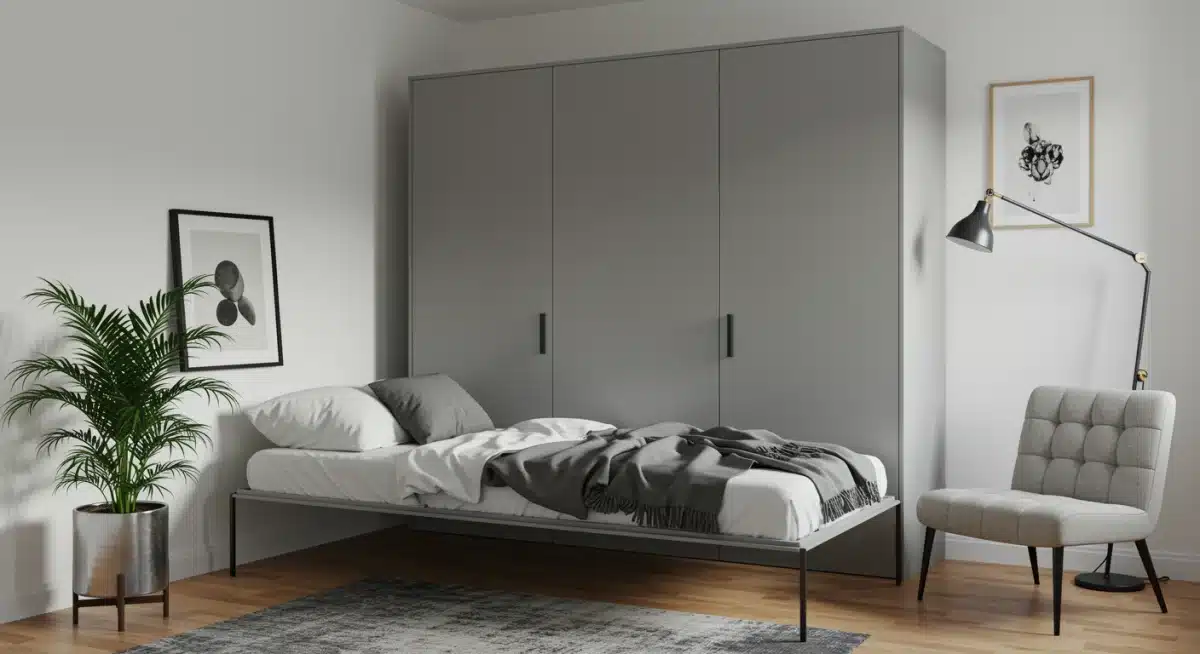
When floor space is limited, the only way to go is up. Utilizing vertical space is a fundamental principle for anyone looking to maximize small spaces. Wall-mounted furniture and tall storage solutions free up valuable floor area, making your room feel larger and more open. This approach turns often-overlooked walls into functional elements of your home’s design.
From floating shelves to wall-mounted desks, the options for vertical integration are vast and varied. These solutions not only provide practical storage and utility but also contribute to a streamlined, minimalist aesthetic. By drawing the eye upwards, vertical elements can also create an illusion of higher ceilings, further enhancing the sense of spaciousness.
Floating shelves and wall units: aesthetic storage
Floating shelves are a perennial favorite for small spaces due to their minimalist profile and versatility. They offer display and storage without the bulk of traditional bookcases. Wall units, on the other hand, can provide more substantial storage, often incorporating cabinets and drawers, all while keeping the floor clear.
- Visual lightness: Creates an open, airy feel.
- Customizable: Can be arranged to fit specific needs and aesthetics.
- Reduced clutter: Keeps items off surfaces and organized.
- Varied styles: Available in many materials and finishes to match any decor.
Murphy beds and fold-down desks: hidden functionality
The Murphy bed is perhaps the quintessential example of vertical space optimization. It allows a full-sized bed to disappear into a wall cabinet when not in use, instantly transforming a bedroom into a living room or office. Similarly, fold-down desks provide a dedicated workspace that can be stowed away, reclaiming precious floor space.
- Instant transformation: Changes room function in moments.
- Significant space saving: Frees up large areas of floor space.
- Integrated design: Often built into custom cabinetry for a seamless look.
- Modern mechanics: Easy and safe to operate.
By strategically implementing vertical storage and wall-mounted furniture, you can dramatically increase the functionality and perceived size of your small home. This approach allows you to maintain an organized and visually appealing environment, proving that even the coziest spaces can be incredibly efficient and comfortable.
Smart Storage Solutions for Every Nook
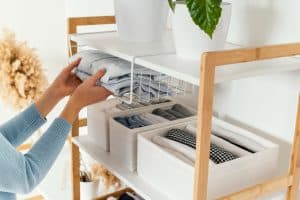
Beyond multi-functional furniture and vertical integration, ingenious storage solutions are paramount to effectively maximize small spaces. Every overlooked corner, every underutilized area, holds potential for decluttering and organization. The goal is to create a home where everything has its place, making daily routines smoother and your environment more serene.
Smart storage isn’t just about hiding things away; it’s about making items easily accessible when needed and neatly tucked away when not. This meticulous approach to organization prevents clutter from accumulating, which is particularly vital in smaller homes where visual chaos can quickly overwhelm the senses.
Under-bed storage and ottomans with storage
The space beneath your bed is a goldmine for storage. Under-bed drawers or bins can house extra linens, seasonal clothing, or even shoes, keeping them out of sight but readily available. Ottomans with built-in storage provide a comfortable footrest or extra seating while concealing blankets, magazines, or remote controls.
- Hidden capacity: Utilizes often-wasted space.
- Reduces clutter: Keeps essentials neatly stowed.
- Dual functionality: Provides seating/resting while storing.
- Easy access: Items are within reach when required.
Modular shelving and customizable cabinets
Modular shelving systems offer unparalleled flexibility, allowing you to configure and reconfigure units to fit specific spaces and evolving needs. Customizable cabinets, whether built-in or freestanding, can be designed to accommodate unique items, ensuring every inch serves a purpose. These systems are an investment in long-term organization.
- Adaptable design: Adjusts to various room layouts and item sizes.
- Personalized organization: Tailored to specific storage requirements.
- Scalable: Can be expanded or reduced as needs change.
- Aesthetic integration: Blends seamlessly with existing decor.
By thoughtfully incorporating smart storage solutions, you can transform chaotic areas into organized havens. These strategies ensure that even the smallest homes feel spacious and calm, proving that a well-organized space is a comfortable space, regardless of its size.
Optimizing Layout and Flow in Compact Living
Beyond individual furniture pieces, the overall layout and flow of your small space play a critical role in its perceived size and functionality. A well-planned arrangement can make a compact room feel expansive and inviting, while a poorly organized one can exacerbate feelings of confinement. The key is to create clear pathways and zones, even within a single room, to maximize small spaces effectively.
Consider how you move through your home daily. Are there bottlenecks? Do certain areas feel cramped? By strategically positioning furniture and understanding sightlines, you can guide the eye and create a sense of openness. This approach is about more than just fitting furniture; it’s about crafting an experience.
Strategic furniture placement
The placement of each furniture item should be deliberate. Avoid pushing all furniture against the walls, as this can sometimes make a room feel smaller. Instead, experiment with floating pieces or creating distinct zones. For instance, a small area rug can define a seating area within a larger open-plan room, giving it purpose without solid walls.
- Create clear pathways to avoid obstructions.
- Use area rugs to define functional zones.
- Consider furniture that allows light to pass through, like open-backed bookshelves.
- Place larger pieces against the longest wall to enhance depth.
The illusion of space: mirrors and lighting
Design elements can be powerful tools for creating an illusion of space. Mirrors, strategically placed, can reflect light and views, making a room appear twice its size. Good lighting, both natural and artificial, can also open up a space. Avoid heavy, dark curtains that block natural light, opting for lighter fabrics or blinds instead.
- Mirrors: Reflect light and expand visual space.
- Natural light: Maximizes openness and energy.
- Layered lighting: Combines ambient, task, and accent lighting for depth.
- Light colors: Walls and furniture in lighter hues make rooms feel larger.
By paying close attention to layout and incorporating clever design illusions, you can transform even the most modest living areas into comfortable, spacious-feeling environments. It’s about working with what you have and enhancing its potential through smart choices.
Personalizing Your Small Space for Comfort and Style
Maximizing small spaces isn’t solely about functionality; it’s also about infusing your personality and creating an environment that feels uniquely yours. A comfortable home is one that reflects your tastes, supports your well-being, and inspires joy. Even with limited square footage, thoughtful personalization can elevate your living experience from merely functional to truly delightful.
Avoid the temptation to keep your small space sterile or overly minimalist out of fear of clutter. Instead, focus on curated decor, meaningful items, and textures that add warmth and character. The goal is to make every item count, ensuring it either serves a purpose, sparks joy, or both.
Curated decor and meaningful accents
In a small space, every decorative item has a magnified impact. Choose pieces that you genuinely love and that tell a story. Instead of many small knick-knacks, opt for a few larger, impactful pieces of art or sculpture. These elements draw the eye and contribute to a sophisticated, intentional aesthetic.
- Select artwork that resonates with you.
- Incorporate plants to bring life and freshness.
- Choose textiles (cushions, throws) that add texture and color.
- Display personal photos or souvenirs thoughtfully.
Color palettes and textures for intimacy
The colors and textures you choose can dramatically influence the mood and perceived size of your space. While light colors often make a room feel larger, don’t shy away from incorporating deeper tones as accents to add warmth and intimacy. Layering different textures—like soft throws, woven rugs, and smooth wood—creates depth and comfort.
- Use a cohesive color scheme to unite the space.
- Introduce accent colors through pillows or decor.
- Combine various textures for a rich, inviting feel.
- Consider reflective surfaces to bounce light around.
By thoughtfully personalizing your small space, you create a haven that is both functional and deeply comforting. It becomes a true reflection of who you are, proving that even the most compact areas can exude style, warmth, and an undeniable sense of home.
Maintaining an Organized and Clutter-Free Environment
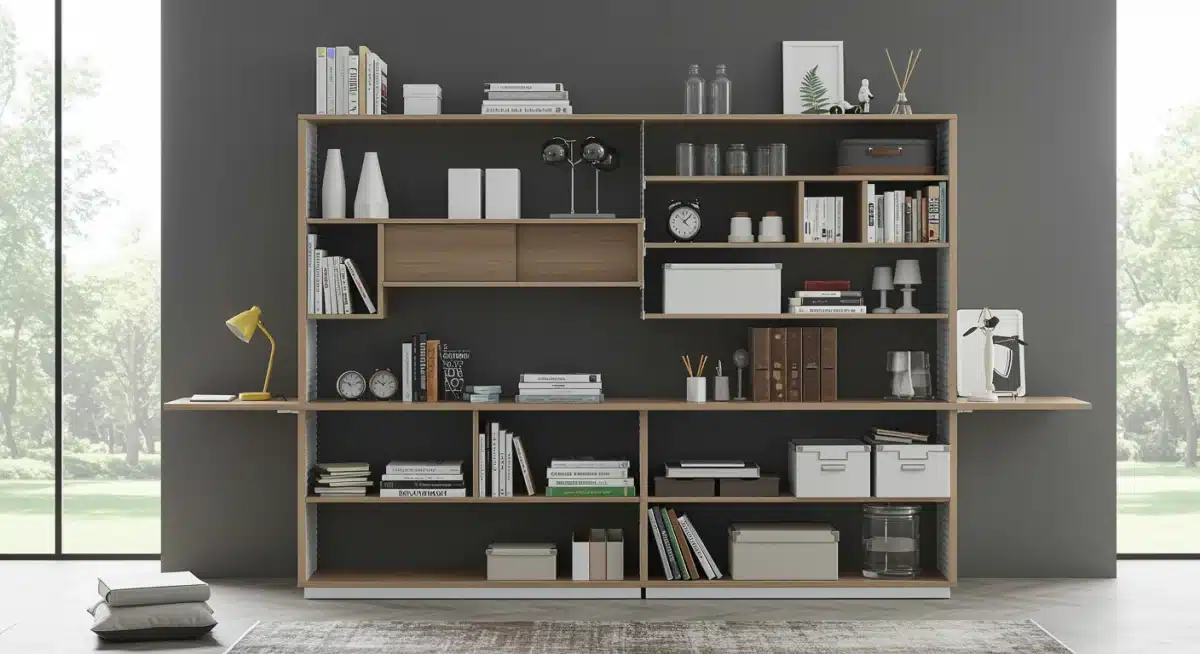
The effort to maximize small spaces doesn’t end once the furniture is in place; it’s an ongoing commitment to organization and mindful living. A clutter-free environment is essential for maintaining the comfort and functionality you’ve worked hard to create. Without regular maintenance, even the smartest space-saving solutions can be overwhelmed by disarray.
Think of organization as a daily practice, not a one-time event. Establishing routines and habits for putting things away, decluttering periodically, and being intentional about new purchases will ensure your small space remains a sanctuary rather than becoming a source of stress. This approach supports overall well-being and enhances daily productivity.
The art of decluttering: a continuous process
Decluttering is not just about throwing things away; it’s about evaluating what truly adds value to your life and space. In small homes, this process is even more critical. Adopt a ‘one in, one out’ policy for new items, and regularly assess what you own. Consider the ‘KonMari method’ or other decluttering philosophies to guide your decisions.
- Regularly review items and donate or discard what’s no longer needed.
- Avoid impulsive purchases that don’t fit your space or needs.
- Designate a specific home for every item.
- Break down decluttering into small, manageable tasks.
Daily habits for a tidy home
Small daily habits can make a huge difference in maintaining an organized home. Simple routines like making your bed, putting dishes away immediately, and tidying up surfaces before bed can prevent clutter from accumulating. These practices become second nature over time and contribute significantly to a peaceful living environment.
- Make your bed every morning.
- Clean up after cooking or eating immediately.
- Return items to their designated storage spots after use.
- Spend 10-15 minutes tidying before bed each night.
By embracing these continuous practices and daily habits, you ensure that your small space remains an organized, comfortable, and functional haven. It reinforces the idea that an intentional approach to your belongings is key to a harmonious home, regardless of its size.
| Key Strategy | Brief Description |
|---|---|
| Multi-Functional Furniture | Choose pieces that serve multiple purposes, like sofa beds or nesting tables, to save space and enhance utility. |
| Vertical Space Utilization | Employ wall-mounted shelves, Murphy beds, and tall storage units to free up floor space and expand storage capacity. |
| Smart Storage Solutions | Incorporate under-bed storage, ottomans with storage, and modular cabinets to keep clutter at bay in every nook. |
| Optimized Layout & Flow | Strategically arrange furniture and use design elements like mirrors and lighting to create an illusion of greater space. |
Frequently asked questions about maximizing small spaces
The best furniture for small spaces is multi-functional. Think sofa beds, nesting tables, ottomans with storage, and wall-mounted desks. These pieces offer versatility, allowing a single item to serve several purposes, thereby reducing the need for multiple pieces and freeing up valuable floor space in compact living areas.
To make a small room feel larger, utilize vertical space with tall shelves and wall-mounted units. Incorporate mirrors to reflect light and create depth. Choose lighter color palettes for walls and furniture, and ensure ample natural and artificial lighting. Strategic furniture placement that maintains clear pathways also significantly contributes to an open feel.
Avoid common pitfalls like overcrowding with oversized furniture, neglecting vertical space, and buying too many single-purpose items. Another mistake is failing to declutter regularly, which can quickly make a small space feel chaotic and cramped. Prioritize functionality and choose pieces that align with your spatial limitations.
Absolutely! A comfortable living area in a small space is entirely achievable through smart design and furniture choices. Focus on pieces that offer comfort and utility, like a cozy sofa bed or an ergonomic fold-down desk. Personalize with curated decor and soft textures to create a warm, inviting atmosphere that reflects your style and supports relaxation.
For a small space, regular decluttering is crucial. Aim for a quick daily tidy-up and a more thorough review seasonally or quarterly. Establishing a ‘one in, one out’ rule for new purchases can prevent accumulation. Consistent effort ensures your home remains functional, organized, and free from overwhelming clutter, enhancing overall well-being.
Conclusion
Successfully transforming and maximizing small spaces is an art that blends functionality, aesthetics, and personal comfort. By strategically employing multi-functional furniture, embracing vertical storage solutions, and adopting smart organizational habits, you can create a living environment that feels both spacious and deeply personal. It’s about making intentional choices that serve your lifestyle, rather than letting limited square footage dictate your comfort. This year, empower yourself to rethink your home, turning every challenge into an opportunity for innovative design and a more enjoyable, clutter-free existence.