Mindful Movement: Yoga & Tai Chi for Stress Relief
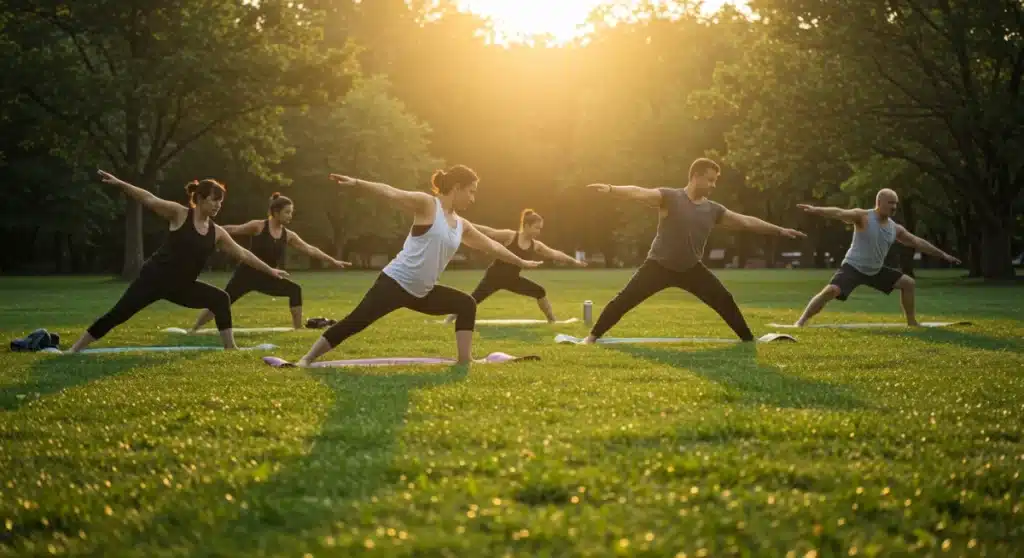
Mindful movement, particularly through practices like Yoga and Tai Chi, offers a profound pathway to stress reduction and enhanced physical well-being by integrating mental focus with gentle physical activity.
In our fast-paced world, finding effective strategies for stress reduction and physical well-being is more crucial than ever. Mindful movement benefits, particularly through ancient practices like Yoga and Tai Chi, offer a powerful and holistic approach to achieving both. These disciplines invite us to slow down, connect with our bodies, and cultivate inner peace amidst external chaos.
The Essence of Mindful Movement
Mindful movement is more than just physical exercise; it’s a practice that consciously links the body and mind. It involves paying full attention to the present moment, observing sensations, thoughts, and emotions without judgment, all while engaging in physical activity. This integration fosters a deeper connection with oneself and the world around.
Unlike traditional workouts that often focus on intensity and performance, mindful movement prioritizes awareness, intention, and gentle exploration of one’s physical capabilities. It’s about how you move, not just what you move. This shift in perspective can transform exercise from a chore into a meditative and healing experience.
Connecting Mind and Body
The core principle of mindful movement lies in its ability to bridge the gap between our mental and physical states. By focusing on breath and bodily sensations, practitioners learn to quiet the incessant chatter of the mind and become fully present. This practice extends beyond the mat or studio, influencing how we navigate daily life.
- Enhanced Self-Awareness: Mindful movement cultivates a heightened understanding of one’s physical and emotional landscape.
- Improved Interoception: It helps develop the ability to sense internal bodily states, such as hunger, thirst, or pain.
- Emotional Regulation: By observing emotions without attachment, individuals can better manage stress and reactivity.
Ultimately, the essence of mindful movement is to use physical activity as a vehicle for self-discovery and inner harmony. It encourages a compassionate approach to one’s body, fostering resilience and a sense of calm that permeates all aspects of life.
Yoga: Uniting Body, Mind, and Spirit
Yoga, an ancient practice originating in India, is a multifaceted discipline encompassing physical postures (asanas), breathing techniques (pranayama), and meditation. It is renowned for its ability to reduce stress, improve flexibility, and enhance overall physical and mental well-being. The synergy between these elements is what makes yoga a powerful tool for mindful living.
The practice of yoga encourages practitioners to listen to their bodies, respecting their limits while gently expanding their capabilities. Each pose becomes an opportunity for self-exploration, a chance to observe how the body feels and how the mind responds. This non-judgmental awareness is crucial for stress reduction.
Physical Benefits of Yoga
Beyond its mental aspects, yoga offers a wealth of physical advantages. Regular practice can lead to significant improvements in various bodily functions, contributing to a healthier and more comfortable existence. These benefits are often felt quickly, encouraging continued engagement.
- Increased Flexibility and Mobility: Yoga stretches muscles and connective tissues, improving range of motion.
- Strengthened Muscles: Holding various poses builds strength and endurance throughout the body.
- Improved Balance and Coordination: Many yoga postures challenge balance, enhancing proprioception.
- Better Posture: Strengthening core muscles and increasing spinal flexibility helps correct postural imbalances.
The physical benefits of yoga extend to internal systems as well. It can stimulate circulation, improve digestion, and boost the immune system, transforming the body from the inside out. This comprehensive approach to physical health is a cornerstone of yoga’s enduring appeal.
Tai Chi: The Moving Meditation
Tai Chi, often described as ‘meditation in motion,’ is a gentle, flowing martial art from China characterized by slow, deliberate movements. It emphasizes deep breathing, mental focus, and continuous, circular motions. This practice is particularly valued for its ability to cultivate inner peace, balance, and a strong sense of grounding.
The graceful, unhurried pace of Tai Chi allows practitioners to fully immerse themselves in each movement, fostering a deep connection between breath and action. This intentional slowness is a stark contrast to the hurried pace of modern life, offering a sanctuary for the mind and body. It encourages a state of relaxed alertness, promoting mental clarity and emotional calm.
Mental and Emotional Benefits of Tai Chi
Tai Chi’s impact on mental and emotional well-being is profound. Its meditative quality helps quiet the mind, reduce anxiety, and foster a sense of inner tranquility. The practice encourages a gentle self-observation, allowing individuals to process thoughts and emotions with greater ease.
- Stress and Anxiety Reduction: The slow, rhythmic movements and deep breathing calm the nervous system.
- Improved Concentration and Focus: Paying attention to intricate movements enhances cognitive function.
- Enhanced Mood: Regular practice can alleviate symptoms of depression and promote emotional balance.
- Greater Resilience: Cultivating inner peace builds a stronger capacity to cope with life’s challenges.
The gentle nature of Tai Chi makes it accessible to people of all ages and fitness levels, offering a pathway to mental and emotional equilibrium for a wide audience. Its benefits are cumulative, deepening with consistent practice and commitment.
Integrating Mindful Movement into Daily Life
While dedicated sessions of Yoga or Tai Chi are incredibly beneficial, the principles of mindful movement can be woven into everyday activities. This integration helps maintain a continuous state of awareness, making mindfulness a constant companion rather than an occasional practice. The key is to bring intentionality and presence to even the most mundane tasks.
Simple acts like walking, washing dishes, or even sitting at a desk can become opportunities for mindful movement. By focusing on the sensations, the breath, and the actions themselves, these moments transform into small meditations, breaking the cycle of autopilot living. This continuous practice reinforces the benefits gained during formal sessions.
Practical Tips for Daily Mindfulness
Incorporating mindful movement doesn’t require a complete overhaul of your routine. Small, consistent efforts can yield significant results, gradually shifting your perspective and enhancing your overall well-being. Start with what feels manageable and build from there.
- Mindful Walking: Pay attention to each step, the sensation of your feet on the ground, and the rhythm of your breath.
- Conscious Breathing Breaks: Take a few moments throughout the day to simply focus on your breath, observing its natural flow.
- Mindful Stretching: Before or after daily tasks, engage in gentle stretches, feeling the sensations in your body.
- Body Scan Meditation: Regularly check in with your body, noticing any tension or discomfort without judgment.
By consciously integrating these practices, you can create a more mindful existence, where every moment has the potential for peace and presence. This approach makes well-being an ongoing journey, not just a destination.
The Physiological Impact on Stress Reduction
Beyond the subjective experience of calm, mindful movement practices like Yoga and Tai Chi exert measurable physiological effects that directly contribute to stress reduction. These practices engage the parasympathetic nervous system, often referred to as the ‘rest and digest’ system, counteracting the ‘fight or flight’ response triggered by stress. This shift is crucial for long-term health.
The deliberate, controlled breathing techniques inherent in both Yoga and Tai Chi play a significant role in this physiological regulation. Deep, diaphragmatic breathing stimulates the vagus nerve, which in turn slows heart rate, lowers blood pressure, and promotes a state of relaxation. This biological mechanism underscores the scientific validity of these ancient practices.
Hormonal and Neurological Changes
Regular engagement in mindful movement leads to significant changes in the body’s stress response system. These internal adjustments help the body better manage stressors, reducing their detrimental impact on overall health. The benefits are not just temporary but contribute to a more resilient physiological state.
- Reduced Cortisol Levels: Mindful practices have been shown to lower the production of cortisol, the primary stress hormone.
- Increased GABA: Yoga and Tai Chi can boost levels of gamma-aminobutyric acid (GABA), a neurotransmitter that helps calm nerve activity.
- Enhanced Neuroplasticity: Regular practice promotes changes in brain structure and function, particularly in areas related to emotion regulation.
- Improved Sleep Quality: By reducing stress and calming the nervous system, these practices often lead to deeper, more restorative sleep.
These physiological adaptations demonstrate that mindful movement is a powerful intervention for managing chronic stress, offering a natural and sustainable path to improved health and well-being. The body’s capacity to heal and regulate itself is greatly enhanced through these practices.
Choosing Your Path: Yoga vs. Tai Chi
While both Yoga and Tai Chi are forms of mindful movement with similar objectives—stress reduction and physical well-being—they offer distinct approaches. The choice between them often comes down to personal preference, physical capabilities, and what you hope to gain from the practice. Both are excellent, but one might resonate more deeply with your individual needs.
Yoga, with its diverse styles ranging from vigorous Vinyasa to restorative Yin, offers a wide spectrum of physical challenges and meditative depths. Tai Chi, on the other hand, is generally characterized by its consistent slow, fluid movements, often performed in a series or ‘form.’ Understanding these differences can help you determine which path might be a better fit for your journey.
Key Differentiators and Considerations
When deciding between Yoga and Tai Chi, consider your current physical condition, your desired intensity level, and your comfort with different types of movement. There is no single ‘better’ option; only the one that best suits you at this moment.
- Intensity and Pace: Yoga can vary from gentle to very physically demanding, while Tai Chi consistently maintains a slow, meditative pace.
- Focus: Yoga often emphasizes holding postures and stretching, whereas Tai Chi focuses on continuous, flowing transitions.
- Spiritual vs. Martial Arts Roots: While both have spiritual undertones, Tai Chi originates from martial arts, which can influence its forms and philosophy.
- Accessibility: Both are generally accessible, but Tai Chi’s low-impact nature can be particularly appealing for those with joint issues or limited mobility.
Ultimately, the best way to choose is to try both. Many communities offer introductory classes, allowing you to experience the unique feel of each practice. Listen to your body and your intuition; the right path will feel natural and supportive of your personal growth.
Building a Sustainable Mindful Movement Practice
Starting a mindful movement practice is one thing; sustaining it over time is another. Consistency is key to reaping the full benefits of Yoga or Tai Chi. Establishing a routine, setting realistic goals, and finding a supportive community can all contribute to making mindful movement a lasting part of your lifestyle. It’s about creating habits that nourish your mind and body.
Don’t be discouraged by initial challenges or the feeling that you’re not ‘good enough.’ Mindful movement is not about perfection but about presence and progress. Every session, no matter how short or imperfect, contributes to your overall well-being. Embrace the journey and celebrate small victories along the way.
Strategies for Long-Term Engagement
To ensure your mindful movement practice becomes a sustainable habit, consider incorporating these strategies. They are designed to make the practice enjoyable, accessible, and deeply integrated into your daily rhythm.
- Find a Qualified Instructor: A good teacher can provide proper guidance, motivation, and a safe learning environment.
- Start Small: Begin with short sessions and gradually increase duration as you build strength and confidence.
- Create a Dedicated Space: Having a quiet, clutter-free area for your practice can enhance focus and commitment.
- Join a Community: Practicing with others can offer support, accountability, and a sense of belonging.
- Listen to Your Body: Adapt your practice to how you feel each day, honoring your body’s needs and limitations.
- Vary Your Practice: Explore different styles of Yoga or Tai Chi to keep things interesting and discover new benefits.
By cultivating a consistent and compassionate approach, mindful movement can become a powerful anchor in your life, providing a continuous source of calm, strength, and clarity. It’s an investment in your holistic health that pays dividends for years to come.
| Key Aspect | Description |
|---|---|
| Mindful Movement Core | Integrates physical activity with present moment awareness to enhance body-mind connection. |
| Yoga Benefits | Improves flexibility, strength, balance, and reduces stress through postures, breathing, and meditation. |
| Tai Chi Advantages | Promotes calm, balance, and focus via slow, flowing movements, often called ‘moving meditation.’ |
| Stress Reduction Mechanism | Activates the parasympathetic nervous system, lowering cortisol and enhancing relaxation. |
Frequently Asked Questions About Mindful Movement
While both are mindful movement forms, Yoga typically involves holding static postures and deeper stretching, often with a wider range of physical intensity. Tai Chi focuses on continuous, slow, and flowing movements, emphasizing balance and internal energy, generally at a lower physical intensity.
Many individuals report feeling a sense of calm and reduced stress after just a few sessions. Physical benefits like improved flexibility and balance may take a few weeks to become noticeable with consistent practice. The mental clarity and emotional regulation benefits tend to deepen over time.
For Yoga, a mat is highly recommended for comfort and grip, but it’s not strictly necessary to start. Tai Chi requires no special equipment, just comfortable clothing that allows for full range of motion. Both practices can be done barefoot or in soft, flexible shoes.
Yes, many studies suggest that mindful movement practices can significantly help in managing chronic pain. By improving flexibility, strengthening supporting muscles, and teaching mindful awareness, Yoga and Tai Chi can reduce pain perception and improve functional ability. Always consult a healthcare professional first.
Absolutely. Both Yoga and Tai Chi offer modifications and variations that make them accessible to nearly everyone, regardless of age, physical condition, or previous experience. Their gentle nature and focus on individual awareness make them adaptable to diverse needs and capabilities. Look for beginner-friendly classes.
Embracing a Mindful Future
The journey into Mindful Movement: Yoga and Tai Chi for Stress Reduction and Physical Wellbeing is an invitation to reconnect with your inner self, cultivate resilience, and live with greater presence. These ancient practices offer more than just physical exercise; they provide a holistic framework for a healthier, more balanced life. By integrating the wisdom of these disciplines into your daily routine, you empower yourself to navigate the complexities of the modern world with grace and equanimity. Embrace the path of mindful movement, and discover a profound sense of peace and vitality that resides within you.