Work-Life Balance: Strategies for Productivity & Well-being
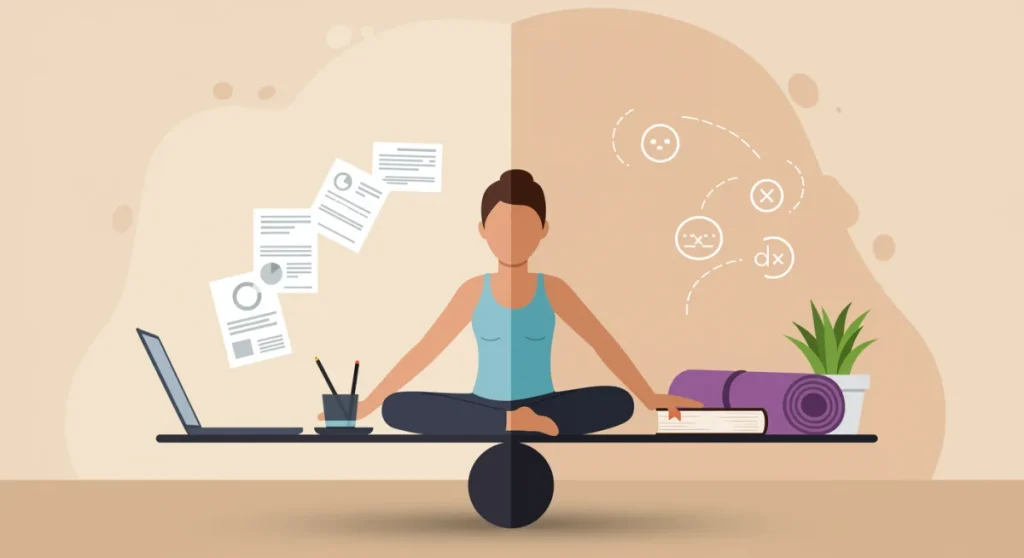
Achieving optimal work-life balance strategies is crucial for integrating productivity with personal well-being, fostering a sustainable and fulfilling lifestyle by consciously managing professional demands while prioritizing mental and physical health.
In today’s fast-paced world, the pursuit of success often blurs the lines between professional obligations and personal life. However, true fulfillment and sustained productivity hinge on mastering work-life balance strategies. This article delves into practical approaches to seamlessly integrate your professional drive with your personal well-being, paving the way for a more harmonious and effective existence.
Understanding the Modern Work-Life Dynamic
The concept of work-life balance has evolved significantly. It’s no longer about a strict 50/50 split but rather a dynamic integration where professional responsibilities and personal aspirations coexist harmoniously. The digital age, while offering unprecedented flexibility, has also contributed to an ‘always-on’ culture, making it harder to disconnect.
Many individuals find themselves constantly tethered to emails, notifications, and project deadlines, leading to burnout and diminished personal time. Recognizing this shift is the first step toward reclaiming control and establishing boundaries that protect both your productivity and your peace of mind.
The Blurring Lines of Work and Life
- Technological Tethering: Smartphones and laptops make work accessible anywhere, anytime, often leading to extended work hours.
- Globalized Economy: Different time zones can mean responding to urgent requests outside traditional working hours.
- Performance Pressure: A competitive environment often pushes individuals to prioritize work above all else.
Understanding these challenges is vital for developing effective strategies. It’s not about rejecting technology or ambition, but about learning to wield them in a way that serves your overall well-being. The goal is to create a synergy where your work supports your life, and your life enriches your work, fostering a deeper sense of purpose and contentment.
Ultimately, the modern work-life dynamic demands a proactive approach. It requires individuals to define their own terms of engagement with work, recognizing that a healthy personal life is not a luxury but a fundamental component of sustained professional success and overall happiness.
Setting Clear Boundaries and Expectations
Establishing clear boundaries is perhaps the most critical element in achieving a healthy work-life balance. Without them, the demands of work can easily encroach upon personal time, leading to stress, exhaustion, and resentment. This involves not only setting limits with your employer but also with yourself.
It’s about defining when and where you will work, and equally important, when and where you won’t. This clarity helps to create mental and physical separation, allowing you to fully engage in both your professional and personal roles without constant overlap.
Defining Your Non-Negotiables
- Dedicated Work Hours: Establish a start and end time for your workday and stick to it as much as possible.
- Digital Detox Periods: Designate times, such as evenings or weekends, when you completely disconnect from work-related communications.
- Personal Time Slots: Schedule non-work activities like exercise, hobbies, or family time with the same importance as work meetings.
Communicating these boundaries to colleagues and supervisors is essential. While it might feel awkward initially, most reasonable workplaces will respect your need for personal time, especially when they see that these boundaries lead to increased focus and productivity during work hours. Setting expectations proactively prevents misunderstandings and fosters a culture of mutual respect.
Equally important is the internal discipline to uphold these boundaries. It’s easy to check ‘just one more email’ or finish ‘one quick task’ outside of work hours, but these small concessions can quickly erode the very structure you’re trying to build. Consistency is key to making these boundaries effective and sustainable.
Mastering Time Management for Optimal Efficiency
Effective time management is a cornerstone of work-life balance. It’s not about cramming more into your day but about working smarter, not harder. By optimizing your productivity during work hours, you create more space for personal pursuits without feeling overwhelmed or guilty.
This involves prioritizing tasks, minimizing distractions, and utilizing tools and techniques that enhance your focus and output. When you manage your time efficiently, you gain a sense of control over your schedule, reducing the feeling of being constantly reactive to external demands.
Proven Time Management Techniques
- The Pomodoro Technique: Work in focused 25-minute intervals, followed by short breaks, to maintain concentration and prevent burnout.
- Eisenhower Matrix: Categorize tasks by urgency and importance to prioritize what needs immediate attention versus what can be scheduled or delegated.
- Time Blocking: Schedule specific blocks of time for certain tasks or types of work, treating them like appointments you cannot miss.
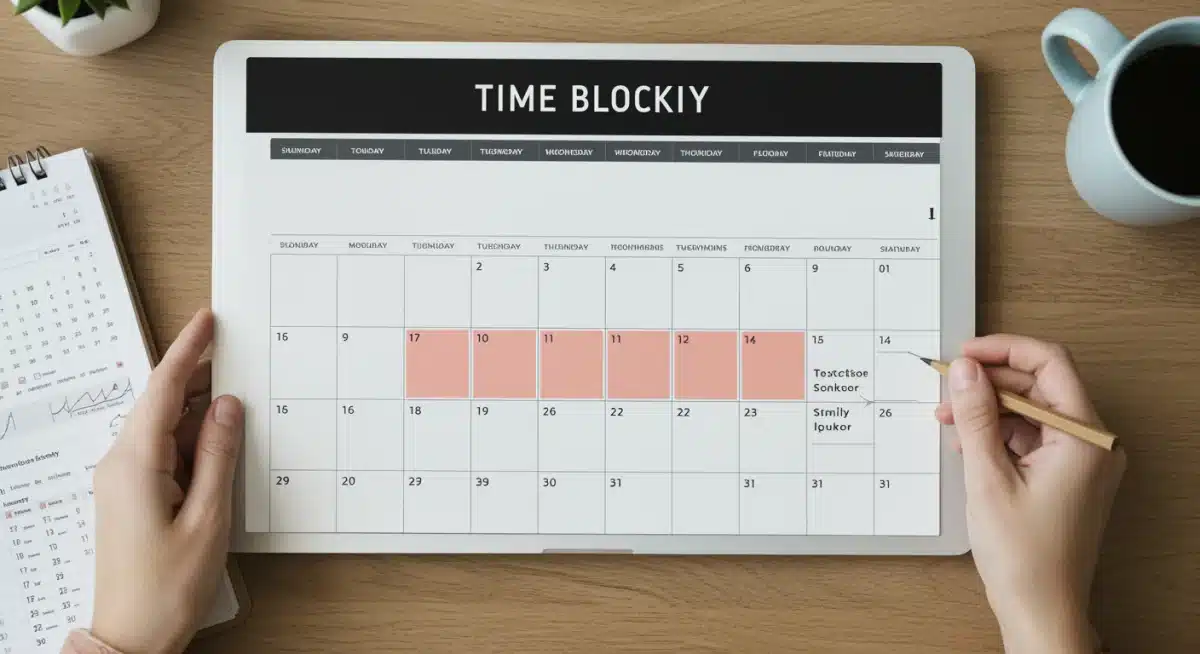
Beyond specific techniques, developing a routine that aligns with your natural energy cycles can significantly boost productivity. Identify your peak performance times and schedule your most demanding tasks during those periods. Conversely, use lower energy times for less intensive activities like email management or administrative duties.
Regularly reviewing your schedule and adjusting it as needed is also crucial. Life is dynamic, and your time management strategies should be flexible enough to adapt to changing priorities and unexpected events. The goal is to build a system that supports your productivity without rigidity, allowing you to achieve your goals while maintaining personal well-being.
Prioritizing Self-Care and Personal Well-being
Self-care is not selfish; it is essential for sustaining both your physical and mental health, which in turn fuels your productivity. Neglecting personal well-being inevitably leads to burnout, decreased performance, and a diminished quality of life. Prioritizing self-care means consciously dedicating time and energy to activities that rejuvenate you.
This encompasses a wide range of practices, from ensuring adequate sleep and nutrition to engaging in hobbies and spending time with loved ones. It’s about recognizing that your body and mind are your most valuable assets, and investing in them is a prerequisite for long-term success and happiness.
Foundational Pillars of Self-Care
- Adequate Sleep: Aim for 7-9 hours of quality sleep per night to support cognitive function and emotional regulation.
- Nutritious Diet: Fuel your body with balanced meals and stay hydrated to maintain energy levels and overall health.
- Regular Exercise: Incorporate physical activity into your routine to reduce stress, boost mood, and improve physical fitness.
Beyond these fundamentals, explore activities that genuinely bring you joy and relaxation. This could be reading a book, listening to music, spending time in nature, practicing mindfulness, or connecting with friends and family. These moments of respite are not distractions; they are vital for recharging your batteries and maintaining perspective.
It’s also important to be mindful of your mental health. If you find yourself struggling with persistent stress, anxiety, or feelings of inadequacy, seek professional help. Prioritizing mental well-being is a sign of strength, not weakness, and it’s a critical component of a truly balanced life. Integrating self-care into your daily routine is an ongoing commitment that yields profound benefits.
The Power of Disconnecting and Digital Detox
In an era dominated by constant connectivity, the ability to truly disconnect is a powerful work-life balance strategy. A digital detox involves intentionally stepping away from screens and digital communications to allow your mind to rest and refocus. This practice is crucial for reducing mental fatigue, improving sleep quality, and fostering deeper engagement with the real world.
The constant stream of information and notifications can be overwhelming, leading to decreased attention spans and increased stress levels. By creating deliberate periods of digital disconnection, you reclaim your mental space and cultivate a sense of calm and clarity.
Implementing Effective Digital Detoxes
- No-Phone Zones: Designate certain areas of your home, like the bedroom or dining table, as screen-free zones.
- Scheduled Unplugging: Set aside specific hours each day or a full day each week to avoid all non-essential digital devices.
- Notifications Management: Turn off non-essential notifications on your devices to reduce interruptions and the urge to constantly check.
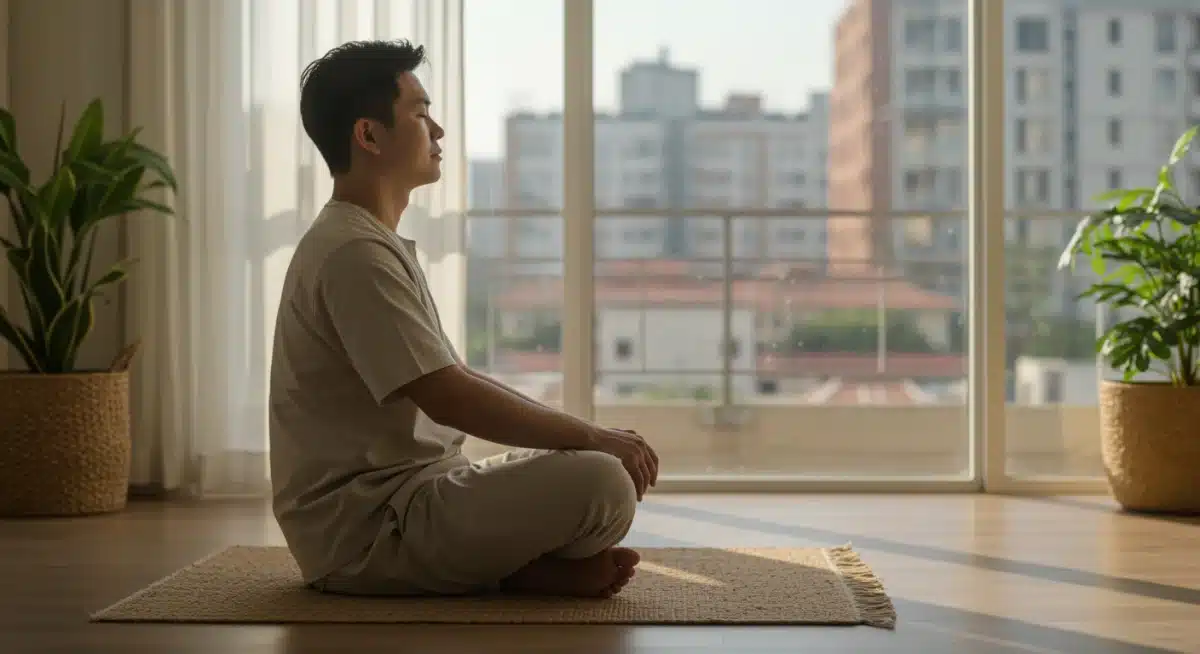
The benefits of disconnecting extend beyond reducing stress. It can enhance creativity, improve problem-solving skills, and strengthen personal relationships. When you’re not constantly distracted by your phone or computer, you’re more present in conversations, more observant of your surroundings, and more attuned to your own thoughts and feelings.
Start small if a complete digital detox feels daunting. Even short periods of unplugging can make a significant difference. Gradually increase the duration as you become more comfortable. The goal is not to abandon technology entirely but to use it mindfully, ensuring it serves you rather than controls you, thereby enhancing your overall well-being and productivity.
Cultivating a Supportive Environment and Mindset
Achieving work-life balance is not solely an individual endeavor; it also relies heavily on cultivating a supportive environment and adopting a resilient mindset. This involves seeking out workplaces that value employee well-being, building strong personal support networks, and developing psychological strategies to manage stress and maintain perspective.
A supportive environment, whether at home or in the workplace, reinforces your efforts to maintain boundaries and prioritize self-care. A positive mindset, on the other hand, equips you with the resilience to navigate challenges and setbacks without compromising your overall balance.
Building a Strong Support System
- Communicate with Your Employer: Discuss your need for balance and explore flexible work arrangements if available.
- Engage with Supportive Colleagues: Share strategies and challenges with peers who also prioritize work-life integration.
- Lean on Personal Networks: Connect with family and friends for emotional support and to engage in non-work activities.
Developing a growth mindset is equally important. Recognize that setbacks are opportunities for learning, and perfection is an unrealistic expectation. Practice self-compassion and avoid negative self-talk, especially when you feel stretched or overwhelmed. Celebrate small victories in maintaining your balance and acknowledge your efforts.
Furthermore, consider how your physical workspace impacts your well-being. A clutter-free, organized environment can reduce mental stress and improve focus. If working remotely, ensure you have a dedicated workspace that allows you to ‘leave’ work at the end of the day. A holistic approach that combines external support with internal resilience is crucial for sustained work-life harmony.
Strategies for Long-Term Work-Life Harmony
Sustaining work-life balance isn’t a one-time achievement but an ongoing process of adjustment and refinement. As life circumstances and professional demands change, your strategies for integrating productivity with personal well-being must also evolve. The key is to develop adaptable practices that can withstand shifts while continuously supporting your core values and goals.
This long-term perspective involves regular self-assessment, a willingness to experiment with different approaches, and the courage to make significant changes if current conditions are consistently undermining your well-being. It’s about building a lifestyle that inherently supports both your ambitions and your happiness.
Adaptive Practices for Sustained Balance
- Regular Self-Assessment: Periodically review your schedule, energy levels, and satisfaction to identify areas for improvement.
- Flexibility and Adaptability: Be prepared to adjust your boundaries and routines as life circumstances change, such as family needs or new job roles.
- Continuous Learning: Stay updated on new productivity tools and well-being practices that can enhance your approach.
One critical aspect of long-term harmony is understanding your personal energy cycles and designing your work and leisure around them. Some people are morning larks, most productive early in the day, while others are night owls. Aligning your most demanding tasks with your peak energy times can significantly boost efficiency and reduce strain.
Moreover, cultivating a sense of purpose beyond your professional role can provide a powerful anchor. Engaging in volunteer work, pursuing a passion project, or dedicating time to community involvement can offer a broader perspective and enrich your life outside of work. These activities reinforce the idea that your identity and worth are not solely defined by your job, fostering a deeper, more resilient sense of self.
Finally, remember that perfection is an illusion. There will be days when the balance feels off, and that’s okay. The goal is not to eliminate stress entirely, but to develop the tools and resilience to navigate it effectively, always striving for a sustainable rhythm that supports both your professional growth and personal fulfillment. Long-term work-life harmony is a journey, not a destination, built on consistent effort and self-awareness.
| Key Strategy | Brief Description |
|---|---|
| Set Clear Boundaries | Define work hours and non-work periods to create mental and physical separation. |
| Master Time Management | Utilize techniques like time blocking and prioritization to optimize work efficiency. |
| Prioritize Self-Care | Dedicate time to physical and mental well-being through sleep, nutrition, and hobbies. |
| Practice Digital Detox | Regularly disconnect from digital devices to reduce stress and improve focus. |
Frequently Asked Questions About Work-Life Balance
Work-life balance is not about equal time split, but rather a flexible integration of professional and personal responsibilities that supports overall well-being. It means having enough time and energy for both work and life outside of work, without feeling overwhelmed or neglecting either area.
Technology can both enhance and hinder work-life balance. While it offers flexibility and remote work options, it also contributes to an ‘always-on’ culture, making it harder to disconnect. Setting digital boundaries and practicing detoxes are crucial to harness its benefits without succumbing to its drawbacks.
Self-care is vital for sustained productivity because it prevents burnout, reduces stress, and improves mental clarity. When you prioritize sleep, nutrition, and relaxation, you enhance your cognitive function, emotional stability, and overall energy, leading to better performance at work.
Effective time management strategies include prioritizing tasks using methods like the Eisenhower Matrix, utilizing techniques such as the Pomodoro Technique for focused work, and implementing time blocking to schedule specific activities. These help optimize work hours and create space for personal life.
Yes, work-life balance is achievable even in demanding careers, though it requires more intentional effort. It involves setting firm boundaries, communicating expectations, leveraging efficient time management, and prioritizing self-care. Flexibility, adaptability, and a strong support system are also key to navigating high-pressure environments.
Conclusion
Cultivating a healthy work-life balance is not merely a trend but a fundamental necessity for sustainable productivity and profound personal well-being. By diligently implementing strategies such as setting clear boundaries, mastering time management, prioritizing self-care, and embracing digital detoxes, individuals can forge a harmonious existence where professional aspirations and personal fulfillment mutually reinforce each other. It’s a continuous journey of self-discovery and conscious choice, ultimately leading to a more enriched and resilient life.