Revitalize Your Living Space: Top 5 Calming Paint Colors for 2026
The top 5 calming paint colors for 2026, including gentle blues, warm neutrals, and soft greens, are set to redefine home interiors by fostering tranquility and enhancing overall comfort and well-being.
As we look towards 2026, the desire to create a home that serves as a true sanctuary becomes ever more pronounced. This year, the focus shifts to intentional design choices that promote peace and comfort. If you’re ready to revitalize your living space: top 5 paint colors for a calming and comfortable home in 2026 are here to guide your transformation.
The evolving psychology of color in home design
The impact of color on our mood and well-being is a well-documented phenomenon, extending far beyond mere aesthetics. In home design, this psychological influence is paramount, as the colors we choose for our walls can significantly alter the atmosphere of a room, affecting our emotions, productivity, and overall sense of comfort. As we move into 2026, there’s a growing awareness of how our surroundings directly contribute to our mental and emotional states, leading to a greater emphasis on intentional color palettes that foster tranquility and calm.
Understanding the nuances of color psychology allows us to make informed decisions that transform our living spaces from simple rooms into havens of peace. For instance, cool tones like blues and greens are often associated with calmness and serenity, while warm neutrals can evoke feelings of coziness and security. The intensity and saturation of a color also play a crucial role; softer, desaturated hues tend to be more soothing than vibrant, highly saturated ones. This shift towards mindful color selection reflects a broader cultural movement towards well-being and self-care within our personal environments.
The science behind serene shades
Scientific studies have repeatedly shown that specific colors can trigger physiological responses in the human body. For example, exposure to blue light has been linked to reduced heart rate and blood pressure, contributing to a sense of relaxation. Greens, reminiscent of nature, can decrease anxiety and promote feelings of harmony. Neutrals, such as soft grays and warm beiges, provide a stable and grounding backdrop, allowing other elements in the room to stand out without overwhelming the senses. These findings underscore the importance of selecting colors that align with our innate need for peace and comfort.
- Blue: Reduces stress, promotes tranquility, and aids concentration.
- Green: Evokes nature, fosters balance, and enhances feelings of renewal.
- Neutrals: Offers stability, creates a sense of spaciousness, and provides a calming foundation.
- Soft Purples: Can inspire creativity while maintaining a serene ambiance.
Moreover, the interplay of natural light with chosen paint colors is critical. A color that appears calming in a well-lit room might feel somber in a dimly lit space. Therefore, when selecting shades for a comfortable and calming home, it’s essential to consider the natural light exposure of each room and how the color will interact with it throughout the day. The goal is to create an environment that consistently supports relaxation and well-being, irrespective of external factors. This holistic approach ensures that our homes not only look good but also genuinely feel good.
Gentle blue: the timeless tranquilizer for 2026
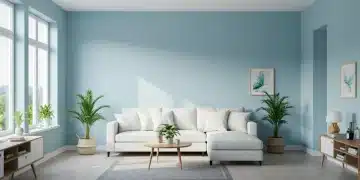
Gentle blue remains an unparalleled choice for creating serene and comfortable living spaces, and its prominence is set to continue strongly into 2026. This classic hue, often associated with clear skies and calm waters, possesses an inherent ability to soothe the mind and promote a sense of tranquility. It’s a versatile color that can adapt to various design aesthetics, from minimalist to coastal, always bringing a refreshing and peaceful presence to any room. Its timeless appeal lies in its universal association with relaxation and stability, making it a reliable foundation for a calming home environment.
The beauty of gentle blue lies in its broad spectrum of shades. From soft sky blues that invite lightness and airiness to deeper, muted teal tones that offer a more sophisticated calm, there’s a gentle blue for every preference and every room. In 2026, the trend leans towards slightly desaturated blues, those with a touch of gray or green, which softens their intensity and enhances their calming effect. These subtle variations prevent the color from feeling cold or stark, instead infusing spaces with a comforting warmth.
Selecting the perfect gentle blue shade
Choosing the right gentle blue involves considering the room’s function and the desired mood. For bedrooms, lighter, almost ethereal blues can promote restful sleep and a sense of escape. In living areas, a slightly richer, yet still muted, blue can create an inviting and peaceful gathering space. It’s crucial to test paint samples directly on your walls, observing how the color changes with the natural and artificial light throughout the day. This step is indispensable for ensuring the chosen shade harmonizes with your home’s unique lighting conditions and existing decor.
- Sky Blue: Ideal for bedrooms and bathrooms, promoting relaxation.
- Dusty Blue: Versatile for living rooms and studies, offering sophisticated calm.
- Aqua Blue: Adds a subtle hint of nature, perfect for a refreshing feel.
- Slate Blue: Deeper and more grounding, suitable for accent walls or cozy nooks.
Beyond its aesthetic appeal, gentle blue’s psychological benefits are significant. It has been shown to reduce stress, lower heart rates, and even enhance concentration, making it an excellent choice for home offices or study areas. Its calming influence helps to mitigate the visual clutter of daily life, allowing the mind to unwind and refocus. By incorporating gentle blue into your home, you’re not just painting walls; you’re cultivating an atmosphere of enduring peace and comfort, a true retreat from the demands of the outside world, perfectly aligning with the desire to revitalize your living space: top 5 paint colors for a calming and comfortable home in 2026.
Warm neutrals: embracing cozy comfort
Warm neutrals are making a significant comeback in 2026, establishing themselves as indispensable for creating homes that exude cozy comfort and sophisticated calm. These colors, ranging from soft beiges and creamy off-whites to subtle greiges and muted tans, provide a welcoming embrace that feels both timeless and contemporary. Unlike cooler tones, warm neutrals inherently bring a sense of groundedness and security, making any space feel instantly more inviting and lived-in. Their versatility allows them to serve as a perfect backdrop for various decor styles, from rustic farmhouse to modern minimalist, always enhancing the overall warmth and comfort of a room.
The appeal of warm neutrals lies in their ability to create a harmonious and understated elegance. They don’t demand attention but rather support and enhance the elements within a space, allowing textures, furniture, and art to shine. In 2026, the emphasis is on nuanced shades that possess depth and character, moving away from overly stark or flat neutrals. Think of colors inspired by natural elements like sand, clay, and unbleached linen, which offer a rich, organic feel. These shades are particularly effective in fostering a sense of peace and relaxation, as they connect us to the natural world.
The art of layering warm neutrals
To truly maximize the cozy comfort of warm neutrals, consider a layered approach. This involves using different shades and textures within the same color family to create visual interest and depth without introducing jarring contrasts. For example, a warm beige wall can be complemented by an off-white trim, a cream-colored sofa, and natural wood accents. This layering technique adds richness and dimension, transforming a potentially bland space into a sophisticated and inviting sanctuary. The key is to vary the shades slightly to prevent monotony and ensure a dynamic yet cohesive look.
- Creamy Off-White: Creates a bright, airy, and soft foundation.
- Soft Beige: Adds warmth and a subtle earthy connection.
- Greige: A versatile blend of gray and beige, offering modern neutrality.
- Muted Tan: Deeper warmth, ideal for creating a cozy, enveloping feel.
Warm neutrals are particularly effective in areas where comfort is paramount, such as living rooms, bedrooms, and dining spaces. Their gentle presence encourages relaxation and conversation, making these rooms feel more intimate and welcoming. Furthermore, their ability to reflect light can make smaller spaces feel larger and brighter, while in larger rooms, they can help to create a sense of cohesion and calm. By choosing warm neutrals, you are investing in a serene and comfortable foundation for your home that will stand the test of time, perfectly aligning with the goal to revitalize your living space: top 5 paint colors for a calming and comfortable home in 2026.
Earthy greens: connecting with nature indoors
Earthy greens are emerging as a dominant force in home design for 2026, offering an undeniable connection to nature that instantly instills a sense of calm and well-being. These shades, inspired by forests, moss, and foliage, bring the restorative power of the outdoors into our living spaces, creating an environment that feels grounded, fresh, and exceptionally comfortable. In an increasingly digital world, the desire to reconnect with natural elements is stronger than ever, and earthy greens provide a perfect way to achieve this within the sanctuary of our homes.
The range of earthy greens is vast and varied, encompassing everything from soft sage and muted olive to deeper forest and mossy tones. What unites them is their inherent ability to evoke feelings of peace, growth, and renewal. These colors are not vibrant or attention-grabbing; instead, they offer a subtle, sophisticated presence that supports relaxation and contemplation. They work harmoniously with natural materials like wood, stone, and linen, enhancing the organic feel of a space and creating a cohesive, comforting aesthetic.
Bringing the outdoors in with green hues
Incorporating earthy greens into your home can significantly improve mood and reduce stress. Studies have shown that exposure to green environments can lower anxiety levels and promote a sense of balance. For 2026, the trend is towards greens that are slightly desaturated, often with a hint of gray or brown, which gives them a more natural and less artificial appearance. These nuanced shades are perfect for creating a tranquil backdrop in any room, from a peaceful bedroom to a vibrant, yet calm, living area.
- Sage Green: Offers a soothing, understated elegance, perfect for bedrooms.
- Olive Green: Provides a sophisticated, earthy depth, ideal for living rooms.
- Moss Green: Connects to natural textures, creating a cozy and inviting feel.
- Forest Green (muted): A deeper, grounding shade for accent walls or studies.
Earthy greens are particularly effective when paired with natural light, as the sunlight brings out their subtle variations and enhances their organic beauty. They also pair wonderfully with warm neutrals, creating a balanced and harmonious palette that feels both fresh and comforting. By choosing earthy greens, you are not just adding color to your walls; you are cultivating an environment that nurtures your soul, promoting a profound sense of peace and connection to the natural world. This makes them a prime choice for those looking to revitalize your living space: top 5 paint colors for a calming and comfortable home in 2026.
Soft grays: modern serenity and versatility
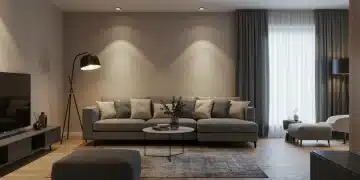
Soft grays continue to be a cornerstone of modern interior design, and their appeal for creating serene and versatile spaces will remain strong in 2026. Far from being cold or sterile, the soft grays of today are nuanced and inviting, offering a sophisticated backdrop that promotes calm and comfort. These shades, often infused with subtle undertones of blue, green, or even beige, provide a sense of understated elegance that works effortlessly with a wide array of decor styles, from contemporary minimalist to classic traditional. Their adaptability makes them an excellent choice for almost any room in the house, fostering an atmosphere of peaceful modernity.
The beauty of soft gray lies in its ability to act as a chameleon, adapting to the light and surrounding colors in a room. A gray with blue undertones can lean towards a cooler, more tranquil feel, while one with beige or green undertones can offer a warmer, more organic touch. This versatility is crucial for creating a cohesive yet dynamic home environment. In 2026, the preference is for grays that are neither too dark nor too light, striking a perfect balance that provides definition without overwhelming the space. These mid-tone grays are particularly effective in creating a sense of calm and order.
Harmonizing with soft gray palettes
To maximize the impact of soft grays, consider how they interact with other elements in your room. They serve as an excellent canvas for pops of color in accessories, artwork, or furniture, allowing these elements to stand out without competing for attention. Soft grays also pair beautifully with natural wood tones, metallic accents, and various textures, from plush fabrics to smooth ceramics. This ability to harmonize with diverse materials and colors makes soft gray an incredibly practical and stylish choice for any homeowner looking to create a comfortable and modern sanctuary.
- Light Gray: Opens up small spaces, providing an airy and modern feel.
- Warm Gray (Greige): Offers a cozy blend of gray and beige, suitable for living areas.
- Blue-Gray: Infuses a tranquil, coastal-inspired serenity into rooms.
- Green-Gray: Connects to nature, creating a calm and organic ambiance.
The psychological benefits of soft grays are equally compelling. They are associated with stability, sophistication, and a sense of calm, making them ideal for areas where focus and relaxation are desired, such as home offices, bedrooms, and even bathrooms. Their neutral quality helps to reduce visual noise, allowing the mind to rest and rejuvenate. By choosing soft grays, you are embracing a modern aesthetic that prioritizes serenity and comfort, ensuring your home remains a peaceful retreat. This makes them a top contender when you aim to revitalize your living space: top 5 paint colors for a calming and comfortable home in 2026.
Muted lavenders: subtle sophistication and calm
Muted lavenders are set to emerge as a surprisingly sophisticated and calming choice for home interiors in 2026, moving beyond their traditional association with children’s rooms or overly feminine aesthetics. These refined shades of purple, softened with hints of gray or beige, offer a unique blend of tranquility and elegance, creating spaces that feel both serene and subtly luxurious. Muted lavender is perfect for those seeking to infuse their homes with a touch of color that is distinctly calming yet retains a sophisticated edge. It’s a hue that encourages introspection and creativity while maintaining a peaceful ambiance.
The psychological impact of muted lavender is profound. It combines the calming properties of blue with the gentle warmth of pink, resulting in a color that can reduce anxiety, promote relaxation, and even inspire spiritual reflection. Unlike vibrant purples, muted lavenders are not stimulating; instead, they create a soft, enveloping atmosphere that feels incredibly comforting. In 2026, the preferred shades will lean towards those with a dusty or hazy quality, ensuring they blend seamlessly into a serene home environment rather than standing out harshly.
Designing with muted lavender
Incorporating muted lavender into your home requires a thoughtful approach to ensure its sophisticated calm is fully realized. It works beautifully in bedrooms, promoting restful sleep and a dreamlike quality. In living spaces, it can add an unexpected touch of elegance and warmth when paired with neutral furnishings and natural textures. To enhance its calming effect, consider pairing muted lavender with soft grays, creamy whites, or even subtle earthy greens. These combinations create a harmonious palette that feels both grounded and ethereal, preventing the color from feeling overwhelming.
- Dusty Lavender: Offers a soft, romantic, and peaceful bedroom atmosphere.
- Gray-Lavender: A sophisticated blend that adds depth and modern calm to living areas.
- Misty Lilac: Lighter and airier, perfect for creating a delicate, serene feel.
- Plum Blossom: A slightly richer, yet still muted, lavender for accent walls or cozy corners.
Muted lavenders also have a remarkable ability to transform natural light, casting a gentle, flattering glow throughout a room. This makes them particularly effective in spaces that receive ample sunlight, as the color will adapt and soften beautifully throughout the day. By choosing muted lavenders, you are embracing a color that not only looks beautiful but also actively contributes to a sense of peace and well-being, proving that even subtle colors can make a powerful statement in creating a comfortable and calming home. This makes them an excellent choice for those who want to revitalize your living space: top 5 paint colors for a calming and comfortable home in 2026.
Integrating these colors into your home for optimal comfort
Successfully integrating these calming paint colors into your home for optimal comfort extends beyond simply choosing a shade; it involves a holistic approach to design that considers light, texture, and personal preference. The goal is to create a cohesive environment where each color plays a role in fostering a sense of peace and well-being. By understanding how to effectively combine these top 5 calming paint colors for 2026, you can transform your living space into a truly comfortable and restorative sanctuary.
Start by assessing the natural light in each room. Rooms with abundant natural light can handle slightly deeper or more saturated versions of these calming hues without feeling heavy. Conversely, dimly lit rooms will benefit from lighter, airier shades to maximize brightness and prevent a claustrophobic feel. Always test paint samples on your walls, observing them at different times of day to see how the light affects their appearance. This crucial step ensures that the chosen color truly aligns with your vision for optimal comfort.
Tips for harmonious color integration
Once you’ve selected your primary paint color, consider how other elements in the room will complement it. Furniture, textiles, and artwork all contribute to the overall mood. For example, if you’ve chosen a gentle blue for your walls, consider incorporating warm wood tones, soft cream fabrics, and perhaps a few green plants to add organic texture and a touch of vibrancy. The key is to build a layered design that feels rich and inviting without being overwhelming. Think about creating focal points with accents that draw the eye but still maintain the overarching theme of calm.
- Consider Undertones: Match or complement undertones in your chosen paint colors for a cohesive look.
- Layer Textures: Use various fabrics like linen, wool, and cotton to add depth and warmth.
- Incorporate Natural Elements: Wood, stone, and plants enhance the calming, organic feel.
- Balance with Neutrals: Use lighter neutrals for trim, ceilings, and furniture to create balance.
Finally, don’t underestimate the power of personal touches. While trends provide excellent guidance, your home should ultimately reflect your personality and preferences. The objective is to create a space where you feel genuinely comfortable and at ease. Experiment with different combinations, trust your instincts, and allow these calming paint colors to serve as the foundation for a home that nourishes your mind, body, and soul. By thoughtfully integrating these shades, you are actively participating in the process to revitalize your living space: top 5 paint colors for a calming and comfortable home in 2026, ensuring it becomes a true haven of tranquility and personal comfort.
Beyond the brush: holistic approaches to a serene home
While the choice of paint color is foundational, creating a truly serene and comfortable home extends far beyond the brush. A holistic approach involves integrating various design elements and lifestyle choices that collectively contribute to a peaceful atmosphere. In 2026, the emphasis is on crafting environments that nurture all senses, fostering well-being and a deep sense of calm. This means looking at your living space not just as a collection of rooms, but as an ecosystem designed to support your mental and emotional health.
Consider the role of lighting. Natural light is paramount for well-being, so maximize its entry with sheer curtains or by keeping windows unobstructed. For artificial lighting, opt for warm, dimmable options that can adapt to different moods and times of day. Smart lighting systems can simulate natural light cycles, further enhancing a sense of calm. The right lighting can dramatically alter how your chosen calming paint colors appear, bringing out their best qualities and contributing to a soothing ambiance.
Elements for enduring comfort and calm
Texture plays a vital role in creating comfort. Incorporate soft blankets, plush rugs, and varied fabric choices in upholstery to invite touch and add visual warmth. These tactile elements make a space feel more inviting and lived-in, complementing the serene backdrop provided by your paint colors. Furthermore, the strategic placement of plants not only adds natural beauty and freshness but also purifies the air and has been shown to reduce stress.
- Mindful Decluttering: A clutter-free space promotes mental clarity and reduces anxiety.
- Acoustic Comfort: Use rugs, curtains, and soft furnishings to absorb sound and create a quieter environment.
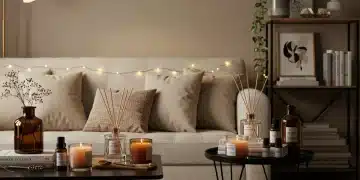
- Aromatherapy: Incorporate essential oil diffusers with calming scents like lavender or chamomile.
- Personalized Accents: Display meaningful artwork or objects that evoke positive emotions.
Finally, consider the sensory experience. Gentle background music, the absence of excessive noise, and pleasant aromas can significantly enhance the calming effect of your home. By combining thoughtful color choices with these holistic design principles, you can create a living space that truly functions as a sanctuary, promoting deep relaxation and rejuvenation. This comprehensive strategy ensures that your efforts to revitalize your living space: top 5 paint colors for a calming and comfortable home in 2026 result in an environment that supports your overall well-being for years to come.
| Key Paint Color | Calming Effect & Application |
|---|---|
| Gentle Blue | Promotes tranquility, reduces stress. Ideal for bedrooms and living areas. |
| Warm Neutrals | Creates cozy comfort and sophisticated calm. Versatile for any room. |
| Earthy Greens | Connects to nature, fosters growth and renewal. Great for living rooms and studies. |
| Muted Lavenders | Offers subtle sophistication, promotes relaxation and creativity. Excellent for bedrooms. |
Frequently asked questions about calming paint colors
Calming paint colors significantly enhance well-being by reducing stress, promoting relaxation, and creating a serene atmosphere. They contribute to better sleep quality, improved concentration, and an overall sense of peace, transforming your home into a true sanctuary that supports mental and emotional health.
Consider the room’s primary function and natural light. Lighter blues are great for bedrooms, warm neutrals for living areas, and earthy greens for spaces where you seek connection to nature. Always test samples on your walls to see how colors appear under different lighting conditions throughout the day.
While muted tones are generally more calming, certain soft, desaturated bright colors can also contribute to a serene environment. However, for true tranquility, sticking to muted versions of blues, greens, and purples, or warm neutrals, is often more effective as they are less stimulating.
Lighting is crucial. Natural light can make calming colors appear brighter and more vibrant, while artificial light can alter their perception. Opt for warm, dimmable lights to enhance the serene effect, and ensure your color choice complements both natural and artificial light sources throughout the day.
Absolutely. Natural materials like wood and stone, soft textiles (linen, wool), indoor plants, and minimalist decor significantly enhance the calming effect of paint colors. These elements add texture and warmth, creating a harmonious and inviting atmosphere that complements the serene color palette.
Conclusion
As we navigate the complexities of modern life, the importance of a home that serves as a sanctuary cannot be overstated. The top 5 calming paint colors for 2026—gentle blues, warm neutrals, earthy greens, soft grays, and muted lavenders—offer a powerful palette to achieve this. By thoughtfully integrating these hues, considering their psychological impact, and pairing them with holistic design principles, you can transform your living space into an oasis of tranquility and comfort. This intentional approach to color and design ensures your home is not just aesthetically pleasing but also a haven that nurtures your mind, body, and soul. By thoughtfully integrating these shades, you are actively participating in the process to revitalize your living space: top 5 paint colors for a calming and comfortable home in 2026, ensuring it becomes a true haven of tranquility and personal comfort.