Mattress Innovations 2026: Transform Your Bedroom Sanctuary
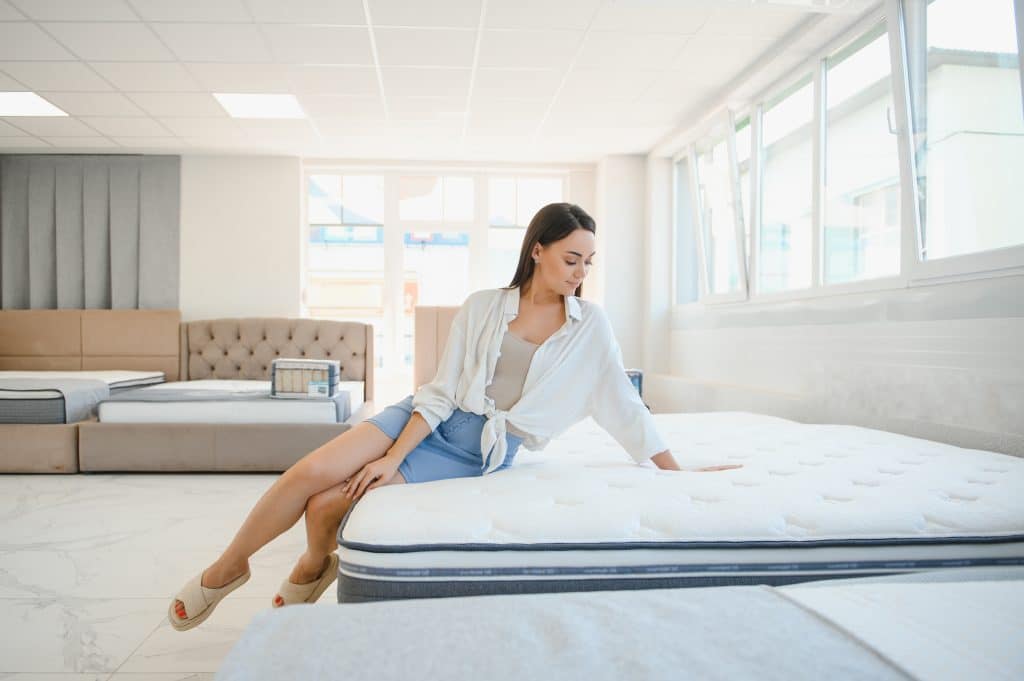
The year 2026 is set to bring revolutionary mattress innovations, integrating advanced technology and sustainable designs to redefine sleep comfort and truly transform your bedroom into a sanctuary.
Are you ready to redefine your sleep experience? The journey to a truly restorative night begins with the right foundation, and as we look ahead to 2026, the world of bedding is undergoing a significant transformation. This article will explore how the top 3 mattress innovations in 2026 promise to elevate your bedroom into a sanctuary of unparalleled comfort and well-being.
The Dawn of Personalized Sleep: Adaptive Comfort Systems
The concept of a one-size-fits-all mattress is rapidly becoming a relic of the past. In 2026, the most significant advancements revolve around highly personalized sleep experiences, driven by adaptive comfort systems that respond dynamically to your body’s unique needs throughout the night. These innovations are not just about firmness settings; they delve into biometric data and environmental factors to optimize your rest.
Imagine a mattress that understands your sleep patterns, senses changes in your body temperature, and adjusts its support zones in real-time. This is the promise of adaptive comfort, moving beyond simple adjustability to truly intelligent bedding. The goal is to eliminate pressure points, maintain optimal spinal alignment, and regulate microclimates around your body, ensuring an undisturbed and deeply restorative sleep cycle.
Real-Time Biometric Integration
One of the core components of adaptive comfort is the seamless integration of biometric sensors. These are discreetly embedded within the mattress layers, gathering crucial data without you ever feeling them. This information is then processed by sophisticated algorithms to make instantaneous adjustments.
- Pressure Mapping: Sensors identify pressure points and redistribute support to alleviate discomfort.
- Heart Rate and Respiration Tracking: Monitors vital signs to understand sleep stages and overall sleep quality.
- Movement Detection: Tracks tossing and turning to prevent prolonged discomfort and optimize surface response.
These systems learn your preferences over time, becoming more attuned to your individual needs. They can even anticipate potential discomfort, adjusting proactively before you fully awaken, leading to fewer disruptions and a more continuous sleep experience. The data collected can also be integrated with health apps, providing valuable insights into your overall well-being.
Dynamic Zonal Support

Beyond simple firmness, 2026 mattresses will feature advanced dynamic zonal support. This means different areas of the mattress can independently adjust their firmness and contouring based on the pressure exerted by various body parts. For example, your shoulders and hips, which typically require more give, can receive softer support, while your lumbar region maintains firmer alignment.
This level of precision is achieved through a combination of air chambers, smart coils, and even fluid-based systems, all controlled by an intelligent central unit. Users can often fine-tune these settings manually via a smartphone app, but the real power lies in the mattress’s ability to learn and adapt autonomously. This ensures that whether you’re a side sleeper, back sleeper, or stomach sleeper, your body receives optimal support throughout the night, significantly reducing aches and pains.
The rise of adaptive comfort systems signifies a paradigm shift in how we approach sleep. These mattresses are no longer just passive surfaces; they are active partners in optimizing our rest, providing a level of customization and responsiveness previously unimaginable. By integrating advanced sensors and dynamic support, they promise a truly personalized sleep sanctuary.
Revolutionary Material Science: Beyond Memory Foam
While memory foam revolutionized the mattress industry, 2026 brings forth a new era of material science that goes beyond its limitations, offering enhanced breathability, durability, and eco-friendliness. These new materials are engineered to address common sleep complaints, from overheating to sagging, while also prioritizing sustainability and health.
Innovations in mattress materials are focusing on creating hybrids that combine the best properties of various components. Think about foams infused with natural minerals, advanced gel structures, and even bio-based polymers that offer superior pressure relief without trapping heat. The emphasis is on creating a sleeping surface that is not only supremely comfortable but also promotes a healthier sleep environment.
Advanced Cooling Technologies
Overheating is a common complaint for many sleepers, particularly with traditional memory foam. The new generation of mattress materials in 2026 tackles this head-on with groundbreaking cooling technologies.

- Phase-Change Materials (PCMs): These materials absorb and release heat to maintain a consistent surface temperature.
- Open-Cell Foams: Engineered with larger, interconnected cells to allow for greater airflow and heat dissipation.
- Gel Infusions and Copper: Dispersed throughout foam layers to draw heat away from the body.
These cooling advancements ensure that the mattress remains comfortable throughout the night, preventing the sleep disruptions often caused by temperature fluctuations. The goal is to create a microclimate around the sleeper that is consistently cool and dry, facilitating deeper and more restorative sleep. This focus on thermal regulation is critical for overall sleep quality.
Sustainable and Hypoallergenic Compositions
As environmental consciousness grows, so does the demand for sustainable and healthy sleep products. Mattress innovations in 2026 are increasingly incorporating eco-friendly and hypoallergenic materials, moving away from petrochemical-based foams where possible.
Look for mattresses made with certified organic latex, recycled steel coils, and plant-based foams derived from soy or castor oil. These materials not only reduce the environmental footprint but also minimize exposure to volatile organic compounds (VOCs) and allergens, creating a healthier sleep environment. Furthermore, covers made from organic cotton, Tencel, or bamboo are becoming standard, offering natural breathability and softness. The goal is to provide luxurious comfort without compromising on health or planetary well-being.
The evolution of mattress material science is transforming the sleep landscape. By prioritizing advanced cooling, sustainability, and hypoallergenic properties, these new compositions are designed to offer a superior sleep experience that is both comfortable and conscious. This material revolution ensures that your mattress is not just a place to rest, but a cornerstone of your overall health and a testament to responsible innovation.
The Rise of Smart Sleep Ecosystems: Connectivity for Better Rest
Beyond the mattress itself, 2026 is witnessing the integration of mattresses into broader smart home ecosystems, creating a connected environment designed to optimize every aspect of your sleep. This isn’t just about controlling your bed with an app; it’s about a holistic approach where various smart devices work in harmony to foster ideal sleep conditions.
A smart sleep ecosystem involves interconnected devices such as smart lighting, temperature control systems, sound machines, and even air purifiers, all communicating with your smart mattress. The mattress acts as the central hub, collecting data and triggering adjustments in other devices to create a perfectly tailored sleep environment. This convergence of technology aims to eliminate common sleep disruptors and enhance the body’s natural sleep-wake cycles.
Seamless Device Integration
The key to an effective smart sleep ecosystem is seamless integration. Your mattress, through its embedded sensors and AI, can communicate with other smart devices in your bedroom. For instance, as you enter REM sleep, the mattress might signal your smart thermostat to slightly lower the room temperature, or dim your smart lights to a soft red hue to avoid disturbing your sleep cycle.
- Smart Lighting: Adjusts brightness and color temperature to promote melatonin production in the evening and gentle awakening in the morning.
- Climate Control: Integrates with smart thermostats to maintain optimal room temperature and humidity for sleep.
- Soundscapes: Syncs with smart speakers to play soothing sounds or white noise, masking disturbances and aiding relaxation.
This level of integration ensures that your entire bedroom works as a unified system, proactively adjusting to your needs. The goal is to create an environment so perfectly attuned to your physiology that you experience deeper, more restorative sleep without conscious effort. The convenience factor is also significant, as these systems can be programmed to automate your entire bedtime and wake-up routine.
Predictive Sleep Analytics and Coaching
One of the most exciting aspects of smart sleep ecosystems is their ability to provide predictive analytics and personalized sleep coaching. Based on the vast amount of data collected by your smart mattress and other integrated devices, these systems can offer actionable insights to improve your sleep habits.
The AI-driven analytics can identify patterns in your sleep that you might not notice, such as consistent disturbances at certain times or suboptimal sleep postures. It can then offer personalized recommendations, like adjusting your pre-sleep routine, suggesting specific stretches, or even advising on the best time to go to bed based on your daily activity levels. Some systems can even detect early signs of sleep disorders and suggest consulting a medical professional.
This goes beyond simple tracking; it’s about active guidance towards better sleep health. By providing insights and personalized coaching, smart sleep ecosystems empower individuals to take control of their rest, transforming their bedroom into a truly intelligent and responsive sanctuary that actively contributes to their overall well-being and productivity. The future of sleep is connected, intelligent, and deeply personal.
The Intersection of Health and Sleep: Therapeutic Benefits

The mattresses of 2026 are not just about comfort; they are increasingly designed with therapeutic benefits in mind, blurring the lines between a sleeping surface and a wellness device. These innovations focus on improving physical recovery, reducing chronic pain, and even enhancing mental well-being through advanced features.
Therapeutic mattresses incorporate technologies typically found in medical devices, but adapted for everyday use. From targeted massage features to far-infrared technology and advanced ergonomic support, these beds aim to provide more than just a place to rest. They are active participants in your health regimen, working overnight to rejuvenate your body and mind.
Targeted Pressure Relief and Massage
For individuals suffering from chronic pain, back issues, or muscle soreness, the therapeutic benefits of 2026 mattresses are a game-changer. Beyond basic pressure relief, these mattresses offer targeted solutions.
- Multi-Zone Massage: Integrated massage motors can target specific areas of the body, offering gentle vibrations or deeper tissue relief.
- Adjustable Firmness Zones: Allows users to customize the firmness of different sections of the mattress to alleviate pressure on sensitive joints or injuries.
- Zero-Gravity Positioning: Adjustable bases that pair with these mattresses can elevate the head and feet to mimic a zero-gravity sensation, reducing pressure on the spine and improving circulation.
These features are particularly beneficial for athletes, those with physically demanding jobs, or individuals recovering from injuries. The ability to precisely target areas of discomfort and enhance circulation can significantly speed up recovery and reduce morning stiffness. The convenience of having these therapeutic functions available nightly, right in your own bed, is invaluable.
Far-Infrared and Light Therapy Integration
Emerging in 2026 are mattresses that integrate less conventional, but highly promising, therapeutic technologies, such as far-infrared and subtle light therapies. These are designed to work subtly while you sleep, promoting deeper healing and relaxation.
Far-infrared technology, often embedded in the mattress cover or top layers, is believed to gently warm the body, improving circulation and promoting cellular regeneration. This can aid in muscle recovery and reduce inflammation. Similarly, discreet light therapy elements can emit specific wavelengths of light known to influence mood and sleep cycles, helping to alleviate seasonal affective disorder or improve overall mental well-being. These subtle interventions aim to enhance the restorative power of sleep, turning your bed into a true wellness hub.
The integration of therapeutic benefits into mattresses marks a significant leap forward in sleep technology. By addressing physical discomfort, aiding recovery, and even influencing mental health, these advanced mattresses offer a holistic approach to well-being. They transform the bedroom into a dynamic space for healing and rejuvenation, ensuring that every night’s sleep is an investment in your long-term health.
Sustainability and Ethical Production: A Core Value
As consumers become more discerning, the demand for products that align with their values has never been higher. For mattress innovations in 2026, sustainability and ethical production are no longer niche features but core tenets of design and manufacturing. This commitment extends from the sourcing of raw materials to the end-of-life disposal of the product, ensuring a minimal environmental footprint and fair labor practices.
The industry is moving towards a circular economy model, where materials are reused, recycled, and repurposed, reducing waste and conserving resources. This involves not only the composition of the mattress itself but also the packaging, transportation, and even the manufacturing processes. Ethical production also encompasses transparency in the supply chain and ensuring safe, fair working conditions for all involved.
Eco-Friendly Materials and Manufacturing
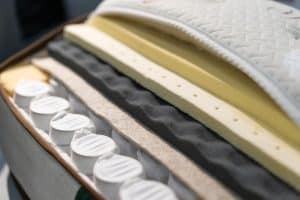
The push for sustainable mattresses involves a fundamental shift in material choices and manufacturing processes. Manufacturers are actively seeking alternatives to traditional petroleum-based foams and non-biodegradable components.
- Certified Organic and Natural Latex: Sourced from rubber trees, offering durability and natural resistance to dust mites.
- Recycled Steel Coils: Reducing the demand for new raw materials and minimizing waste.
- Plant-Based Foams: Utilizing renewable resources like soy, bamboo, or castor oil to create resilient and breathable foam layers.
Beyond materials, manufacturing processes are also becoming greener. This includes reducing water and energy consumption, minimizing waste generation, and avoiding harmful chemicals in production. Certifications from organizations like CertiPUR-US (for foam safety) and GOTS (Global Organic Textile Standard) provide consumers with assurance regarding the environmental and health claims of a mattress. The goal is to produce mattresses that are not only comfortable but also responsible, contributing positively to both personal health and planetary well-being.
Circular Economy and End-of-Life Solutions
A truly sustainable mattress innovation considers the entire lifecycle of the product. In 2026, there’s a growing emphasis on circular economy principles, ensuring that mattresses don’t just end up in landfills.
This involves designing mattresses for easier disassembly and recycling, with components that can be separated and repurposed. Many brands are offering take-back programs, where old mattresses are collected and either refurbished or broken down into their constituent materials for recycling. Some companies are even exploring subscription models or leasing options, where mattresses are maintained, upgraded, and eventually recycled by the manufacturer, extending their lifespan and reducing waste. This holistic approach to sustainability ensures that your investment in a new mattress is also an investment in a healthier planet.
The integration of sustainability and ethical production into mattress design reflects a broader societal shift towards conscious consumption. By choosing mattresses that are eco-friendly and ethically made, consumers can enjoy superior comfort while also contributing to a more responsible and sustainable future. This commitment is transforming the mattress industry into a beacon of environmental stewardship.
The Role of AI and Data in Mattress Evolution
Artificial intelligence and big data are increasingly playing a pivotal role in shaping the next generation of mattresses, moving beyond simple sensor data to sophisticated analysis and predictive capabilities. In 2026, AI is not just reacting to your sleep; it’s learning, predicting, and even advising you on how to achieve optimal rest, making your mattress an intelligent sleep companion.
This involves collecting vast amounts of anonymized sleep data from users, identifying broad trends and individual nuances. AI algorithms then process this data to refine mattress designs, personalize features, and even develop new materials. The goal is to create mattresses that are not only responsive but also continuously improving and learning from collective human sleep patterns.
Predictive Maintenance and Longevity
One of the practical applications of AI in mattresses is predictive maintenance. By analyzing usage patterns and subtle changes in the mattress’s performance over time, AI can anticipate when certain components might need attention or replacement, extending the lifespan of your investment.
- Wear and Tear Monitoring: Sensors can detect early signs of material degradation or coil fatigue.
- Performance Optimization: AI can suggest adjustments to settings to maintain optimal comfort and support as materials naturally age.
- Proactive Service Alerts: Users receive notifications for recommended maintenance or component upgrades, preventing issues before they impact sleep quality.
This proactive approach not only enhances the user experience by ensuring consistent performance but also contributes to sustainability by maximizing product longevity and reducing premature replacements. AI-driven insights can also inform manufacturers about common failure points, leading to more robust and durable designs in future models. The intelligence embedded in these mattresses ensures they remain a high-performing part of your bedroom sanctuary for years to come.
AI-Driven Design and Customization
Beyond individual personalization, AI is revolutionizing the very design and manufacturing of mattresses. By analyzing aggregated sleep data from millions of users, AI can identify optimal material combinations, support structures, and comfort profiles for various body types and sleep preferences.
This data-driven design approach allows manufacturers to create highly specialized mattress lines or even offer fully customized mattresses tailored to an individual’s specific biometric data and sleep history. Imagine a mattress designed specifically for your weight, height, preferred sleeping position, and even your history of back pain, all generated by an AI that has learned from countless similar cases. This level of customization, powered by AI, ensures that every mattress is not just good, but perfectly suited to its owner, marking a new era in personalized sleep solutions.
The integration of AI and data is fundamentally transforming the mattress industry. From predictive maintenance to hyper-personalized design, these intelligent systems are making mattresses smarter, more durable, and more effective at delivering truly restorative sleep. The future of sleep is not just comfortable; it’s intelligently optimized for every individual.
Choosing Your Future: Navigating 2026 Mattress Options

As the landscape of mattress technology continues to evolve at a rapid pace, navigating the myriad of options available in 2026 might seem daunting. However, understanding the core innovations and aligning them with your personal needs and values can simplify the decision-making process. The key is to prioritize what truly matters to your sleep health and overall well-being.
Before making a purchase, consider your specific sleep challenges, whether it’s chronic pain, overheating, or a desire for deeper sleep insights. Also, reflect on your commitment to sustainability and smart home integration. The right mattress in 2026 will be more than just a place to lie down; it will be a crucial component of your daily health and lifestyle.
Assessing Your Sleep Needs
The first step in choosing a new mattress is to honestly assess your current sleep needs and any issues you might be experiencing. Are you waking up with aches? Do you often feel too hot? Is your partner’s movement disturbing your sleep?
- Support Requirements: Consider your body weight, sleeping position, and any existing back or joint pain.
- Temperature Regulation: If you’re a hot sleeper, prioritize mattresses with advanced cooling technologies.
- Motion Isolation: Essential for couples to minimize disturbances from a restless partner.
Understanding these personal factors will help you narrow down the vast array of innovative features available. For instance, if you require targeted pressure relief, an adaptive comfort system with dynamic zonal support might be ideal. If you’re passionate about environmental impact, focusing on brands with strong sustainability credentials will be paramount. A clear understanding of your needs will guide you towards the most beneficial innovations.
Considering the Ecosystem and Future-Proofing
With the rise of smart sleep ecosystems, it’s also important to consider how a new mattress will integrate with your existing or planned smart home setup. Future-proofing your investment means choosing a mattress that can evolve with technology.
Look for mattresses with open-source connectivity or compatibility with major smart home platforms like Apple HomeKit, Google Home, or Amazon Alexa. This ensures that your mattress can communicate effectively with other devices, creating a truly harmonious sleep environment. Also, consider brands that offer software updates for their smart mattresses, allowing for continuous improvement and the addition of new features over time. An investment in a smart mattress in 2026 is not just for today, but for the evolving technological landscape of tomorrow, ensuring your bedroom remains a cutting-edge sanctuary.
Choosing your future mattress involves a blend of personal preference, technological understanding, and an eye towards sustainability. By carefully considering your individual needs and the advancements in adaptive comfort, material science, and smart ecosystems, you can select a mattress that truly transforms your bedroom into a personalized haven of rest and rejuvenation. The future of sleep is here, and it’s smarter, greener, and more comfortable than ever before.
| Key Innovation | Brief Description |
|---|---|
| Adaptive Comfort Systems | Mattresses that use biometric data to dynamically adjust support, firmness, and temperature in real-time for personalized sleep. |
| Revolutionary Material Science | New materials offering enhanced breathability, cooling, durability, and eco-friendliness, moving beyond traditional memory foam. |
| Smart Sleep Ecosystems | Mattresses integrated with smart home devices for holistic sleep optimization, including lighting, temperature, and sound control. |
| Therapeutic Benefits | Mattresses with integrated features like targeted massage, adjustable positioning, and subtle therapies for physical recovery and wellness. |
Frequently Asked Questions About 2026 Mattress Innovations
Adaptive comfort systems offer highly personalized support, adjusting in real-time to your body’s movements and temperature. This leads to improved spinal alignment, reduced pressure points, and a more consistent, undisturbed sleep experience tailored to individual needs.
New materials combat overheating through innovations like phase-change materials (PCMs), open-cell foams for increased airflow, and gel or copper infusions that draw heat away from the body. These technologies ensure a cooler, more stable sleep surface.
Yes, 2026 smart mattresses are designed to integrate seamlessly with various smart home devices. They can communicate with smart lighting, thermostats, and sound systems to create an optimized sleep environment, automating adjustments for ideal conditions.
Absolutely. Modern sustainable mattresses, using materials like organic latex and recycled components, offer exceptional comfort and durability. They also prioritize health by minimizing VOCs, proving that eco-friendly choices don’t compromise on quality or sleep experience.
AI analyzes sleep data to refine mattress designs, personalize features, and offer predictive maintenance. It enables hyper-customized support, extends product longevity, and continuously improves the sleep experience based on collective and individual insights, making mattresses truly intelligent.
Conclusion
The year 2026 is poised to revolutionize our approach to sleep, transforming the humble mattress into a sophisticated hub of health and comfort. The innovations in adaptive comfort systems, cutting-edge material science, and integrated smart sleep ecosystems promise a future where our bedrooms are truly sanctuaries of personalized well-being. By embracing these advancements, we can look forward to not just better sleep, but an enhanced quality of life, demonstrating that investing in a smarter, more sustainable mattress is an investment in ourselves.