Smart Home Security: 6 Ways to Protect Your Comfort and Peace of Mind in 2026
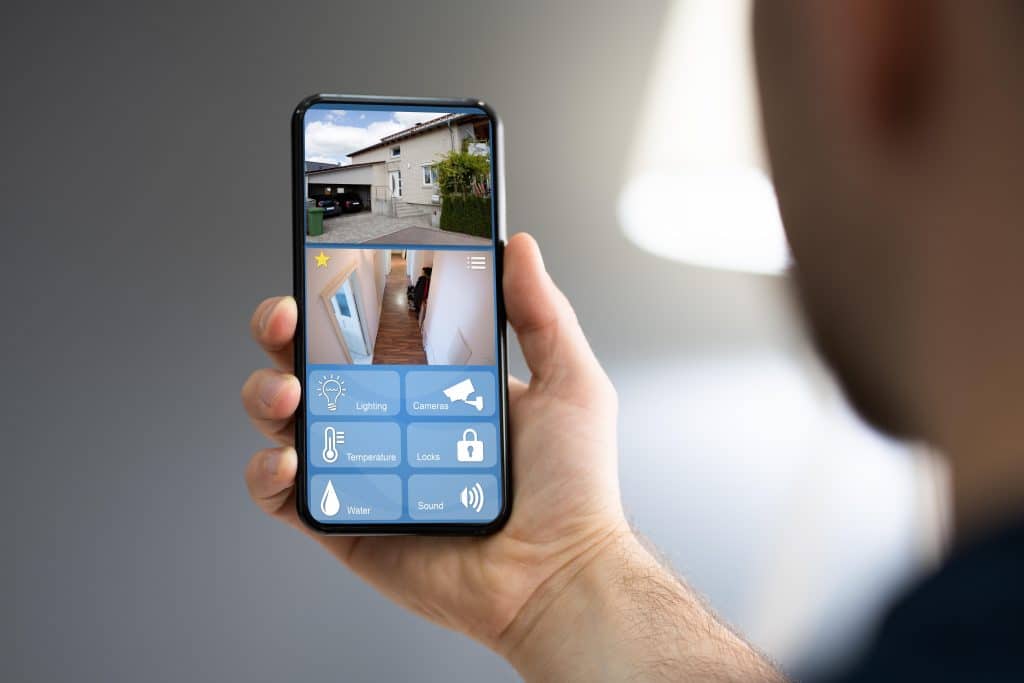
Implementing robust smart home security measures in 2026 is crucial for safeguarding your personal space, ensuring comfort, and maintaining an undisturbed sense of peace through advanced technological integration.
As we navigate further into 2026, the concept of home security has evolved dramatically, moving beyond simple locks and alarms. Today, smart home security systems offer an intricate web of interconnected devices designed to provide unparalleled protection, convenience, and, most importantly, peace of mind. This guide will explore six essential ways to fortify your residence, ensuring your comfort and safety in an increasingly connected world.
Integrated Surveillance Systems with AI Analytics
In 2026, surveillance is no longer just about recording video; it’s about intelligent monitoring. Integrated surveillance systems, powered by advanced AI analytics, are at the forefront of smart home protection. These systems can differentiate between a family member, a delivery person, or a potential intruder, significantly reducing false alarms and providing more actionable insights.
These sophisticated cameras can be strategically placed both inside and outside your home, offering comprehensive coverage. They often come equipped with high-definition video, night vision, and two-way audio capabilities, allowing you to see, hear, and speak to anyone on your property from anywhere in the world. The integration with AI means these systems learn your routines and can flag unusual activity, sending real-time alerts to your smartphone or a monitoring service.
Advanced Motion Detection
Modern motion sensors go beyond simple movement detection. They utilize passive infrared (PIR) and microwave technology, often combined with AI, to analyze patterns and object sizes, minimizing triggers from pets or environmental factors like swaying branches.
- Pet Immunity: Advanced sensors can be calibrated to ignore animals below a certain weight, preventing unnecessary alerts.
- Zone Customization: Define specific areas within the camera’s field of view where motion detection is active, focusing surveillance on critical entry points.
- Behavioral Analysis: AI can detect suspicious lingering or repeated patterns of movement, indicating potential reconnaissance.
The ability of these systems to intelligently process visual data transforms passive recording into active, predictive security. This proactive approach allows homeowners to address potential threats before they escalate, providing a layer of security that traditional systems simply cannot match.
Smart Locks and Keyless Entry Solutions
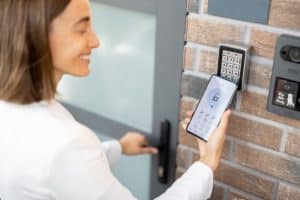
Gone are the days of fumbling for keys or worrying about lost spares. Smart locks and keyless entry solutions have become a cornerstone of modern smart home security. These devices offer a blend of convenience, control, and enhanced protection, allowing you to manage access to your home with unprecedented ease.
From biometric scanners that recognize your fingerprint to keypad locks with unique codes for family members and service providers, the options are diverse. Many smart locks can be controlled remotely via a smartphone app, enabling you to lock or unlock your doors from anywhere, grant temporary access to visitors, or receive notifications whenever a door is opened or closed. This level of control not only simplifies daily life but also significantly boosts your home’s security posture.
Biometric Authentication
Biometric locks, utilizing fingerprints or facial recognition, offer the highest level of personalized security. They eliminate the risk of lost keys or forgotten codes, making unauthorized entry virtually impossible.
- Fingerprint Scanners: Fast and convenient, allowing entry with a simple touch.
- Facial Recognition: Advanced systems can identify authorized individuals even in varying lighting conditions.
- Multi-Factor Authentication: Some high-security locks combine biometrics with a PIN or app verification for added protection.
The integration of smart locks with other security components, such as surveillance cameras, allows for a holistic security approach. For instance, if an unauthorized attempt to open a smart lock is detected, the system can automatically trigger cameras to record and send immediate alerts, ensuring a swift response to any potential threat.
Advanced Environmental Sensors
Security extends beyond protecting against intruders; it also encompasses safeguarding your home from environmental hazards. Advanced environmental sensors are an indispensable part of a comprehensive smart home security system in 2026, offering early detection and prevention of potential disasters.
These sensors monitor various environmental factors, including smoke, carbon monoxide, water leaks, and extreme temperatures. Upon detecting an anomaly, they not only sound an alarm but also send instant alerts to your smartphone, and in some cases, can even trigger automated responses like shutting off water valves to prevent extensive damage. This proactive monitoring can save you from significant financial loss and ensure the safety of your loved ones.
Integrated Hazard Detection

Modern environmental sensors are designed to work in concert, providing a holistic view of your home’s safety. For example, a system might detect a sudden temperature drop and alert you to a potential pipe burst, or identify rising humidity levels that could indicate a leak.
- Smoke and CO Detectors: Smart alarms detect smoke and carbon monoxide, notifying you and emergency services automatically.
- Water Leak Sensors: Placed near water heaters, sinks, and washing machines, these sensors detect leaks early, preventing costly damage.
- Temperature and Humidity Sensors: Monitor indoor climate to prevent issues like freezing pipes or mold growth.
By incorporating these intelligent sensors, homeowners gain an extra layer of protection, transforming their residence into a truly secure and resilient environment against both external threats and internal hazards. The ability to receive immediate alerts and potentially automate corrective actions is invaluable for maintaining peace of mind.
Smart Lighting and Automated Deterrents
One of the most effective, yet often overlooked, aspects of smart home security is the strategic use of smart lighting and automated deterrents. These systems create the illusion of occupancy, making your home a less appealing target for potential intruders, while also providing practical benefits for homeowners.
Smart lighting can be programmed to turn on and off at various times, mimicking your daily routine even when you’re away. Motion-activated lights can illuminate dark areas around your property, startling unwanted visitors and drawing attention. Beyond lighting, automated deterrents can include smart blinds that open and close, or even smart speakers that play dog barking sounds when motion is detected. These subtle yet powerful measures contribute significantly to a proactive security strategy.
Presence Simulation
The goal of presence simulation is to make your home appear occupied, even when it’s not. This is achieved through intelligent programming and integration of various smart devices.
- Randomized Lighting Schedules: Instead of fixed timers, smart lighting systems can vary on/off times slightly to appear more natural.
- Automated Blinds and Curtains: Program them to open and close throughout the day, suggesting activity inside.
- Soundscapes: Utilize smart speakers to play ambient sounds, like music or conversation, to further enhance the illusion of occupancy.
The combination of these automated deterrents acts as a powerful psychological barrier. Intruders are less likely to target a home that appears to be active, significantly reducing the risk of a break-in. Furthermore, these features add convenience and energy efficiency to your daily life, making them a dual-purpose investment.
Professional Monitoring and Rapid Response Integration
While DIY smart home security systems offer substantial protection, integrating with professional monitoring and rapid response services elevates your security to the next level. This partnership ensures that your home is continuously watched over, even when you’re unable to respond to alerts yourself.
Professional monitoring services typically involve a team of experts who receive and analyze alerts from your smart home system 24/7. Upon verifying a threat, they can promptly dispatch emergency services, such as police, fire department, or medical personnel, to your location. This rapid response capability is critical in situations where every second counts, providing an invaluable layer of protection that goes beyond self-monitoring.
Emergency Protocols
A well-defined emergency protocol is essential for effective professional monitoring. This involves clear communication channels and predetermined actions based on the type of alert received.
- Two-Way Communication: Many systems allow monitoring centers to communicate directly with occupants through smart speakers or control panels.
- Keyholder Contact Lists: A list of trusted contacts who can be reached if you are unavailable.
- Customizable Response: You can often specify how emergency services should be dispatched based on different types of alarms (e.g., fire vs. intrusion).
Choosing a reputable professional monitoring service that seamlessly integrates with your existing smart home setup is paramount. This integration ensures that all components of your security system work harmoniously, providing a robust and reliable defense for your home and family. The peace of mind that comes with knowing professionals are always on watch is truly priceless.
Cybersecurity for Your Smart Home Network

As your home becomes increasingly connected, the importance of cybersecurity for your smart home network cannot be overstated. Every smart device, from your thermostat to your security cameras, represents a potential entry point for cyber threats. Protecting your network is a critical component of comprehensive smart home security in 2026.
A strong cybersecurity strategy involves securing your Wi-Fi network, regularly updating device firmware, using unique and complex passwords, and segmenting your smart devices onto a separate network. This minimizes the risk of unauthorized access to your personal data or, worse, control over your home’s security systems. Neglecting cybersecurity can leave your smart home vulnerable, undermining all other physical security measures you have in place.
Network Segmentation and VPN Use
Segmenting your network creates a barrier between your main devices (computers, smartphones) and your smart home devices, isolating potential vulnerabilities.
- Guest Network for IoT: Utilize your router’s guest network feature to separate smart devices from your primary network.
- Dedicated IoT Router: For advanced users, a separate router specifically for IoT devices offers enhanced isolation.
- VPN on Router: A Virtual Private Network (VPN) configured on your router encrypts all traffic, protecting every connected device.
Regular security audits, including checking for new vulnerabilities and applying patches, are also crucial. Educating yourself and your family about safe smart home practices will further strengthen your digital defenses, ensuring that your connected comfort doesn’t come at the cost of your digital safety.
| Key Security Aspect | Brief Description |
|---|---|
| AI Surveillance | Intelligent cameras with AI analytics for precise threat detection and reduced false alarms. |
| Smart Access Control | Keyless entry, biometric locks, and remote management for enhanced door security. |
| Environmental Monitoring | Sensors for smoke, CO, and water leaks to prevent household disasters. |
| Cybersecurity Measures | Protecting your smart home network from hacks through strong passwords and network segmentation. |
Frequently Asked Questions About Smart Home Security
The most crucial aspect is a multi-layered approach combining physical deterrents with advanced digital protection. Integrated AI surveillance, smart locks, environmental sensors, and robust cybersecurity all work together to create a comprehensive defense system for your home and data.
AI analytics significantly enhance surveillance by enabling systems to differentiate between various types of movement, objects, and behaviors. This reduces false alarms, focuses on genuine threats, and provides more intelligent, actionable alerts, making monitoring more efficient and reliable.
Yes, smart locks generally offer enhanced security through features like remote control, access logs, temporary guest codes, and biometric authentication. They eliminate physical key vulnerabilities and can integrate with other security systems for a more robust defense against unauthorized entry.
Cybersecurity is vital because every smart device is a potential entry point for hackers. Protecting your network with strong passwords, firmware updates, and network segmentation prevents unauthorized access to your devices, personal data, and control over your home’s security systems.
Absolutely. Visible smart cameras, motion-activated lighting, and automated presence simulation (like timed lights and blinds) all create the impression of an occupied home. This significantly reduces its appeal to potential intruders, acting as a powerful preventative measure.
Conclusion
Embracing the advancements in smart home security for 2026 is more than just adopting new gadgets; it’s about investing in a holistic ecosystem that prioritizes your comfort, convenience, and, most importantly, your peace of mind. From intelligent surveillance with AI analytics to advanced smart locks, environmental sensors, automated deterrents, professional monitoring, and robust cybersecurity, each layer contributes to an impenetrable defense. By strategically implementing these six essential ways, homeowners can transform their residences into fortresses of modern safety, ensuring that their personal sanctuary remains protected against both external threats and unforeseen hazards. The future of home security is here, offering an unparalleled sense of calm in an interconnected world.