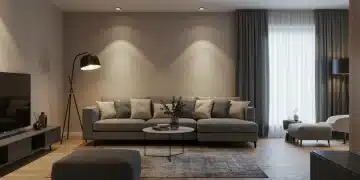
Sensory Sanctuary: Calming Design Trends for a Stress-Free Home
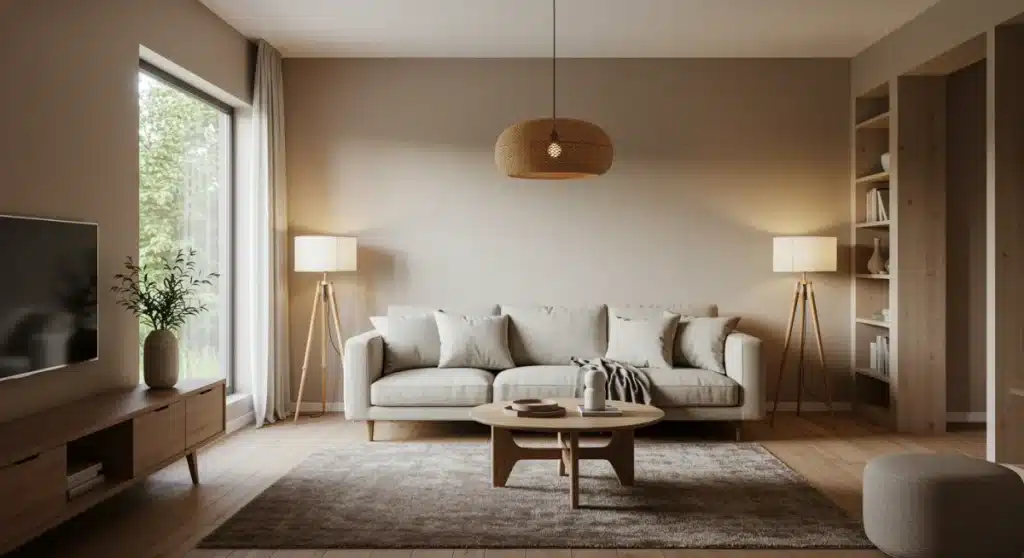
By 2026, creating a sensory sanctuary in your home will be paramount for well-being, focusing on design trends that foster calm, comfort, and a stress-free environment through mindful aesthetics and functionality.
In our increasingly hectic world, the concept of home has evolved beyond mere shelter; it’s becoming a haven, a personal retreat where peace and comfort reign supreme. The movement towards creating a sensory sanctuary: 3 calming design trends for a stress-free home in 2026 is gaining significant traction, reflecting a collective desire to counteract daily stressors with intentional living spaces. This article delves into how mindful design can transform your home into an oasis of tranquility.
The Rise of Intentional Living Spaces
The modern homeowner is seeking more than just aesthetic appeal; they crave environments that actively contribute to their well-being. This shift signifies a profound change in how we approach interior design, moving from purely decorative choices to those that nurture our mental and emotional health. Intentional living spaces are designed with purpose, prioritizing functionality, comfort, and a deep connection to personal values.
The acceleration of remote work and a heightened awareness of mental health have underscored the importance of our immediate surroundings. People are spending more time at home, leading to a critical re-evaluation of how these spaces impact their daily lives. This trend is not just about decluttering or choosing a peaceful color palette; it’s about a holistic approach to design that considers all five senses and how they interact with our environment.
Beyond Aesthetics: Designing for Well-being
Designing for well-being involves a thoughtful consideration of various elements that extend beyond visual appeal. It encompasses acoustics, tactile sensations, natural light, and even the subtle fragrances that permeate a space. The goal is to create an atmosphere that promotes relaxation, reduces anxiety, and enhances overall mood.
- Soundscaping: Incorporating elements that absorb harsh noises or introduce calming sounds, like a small indoor fountain.
- Tactile Comfort: Utilizing soft, natural textures in furnishings, rugs, and textiles to invite touch and comfort.
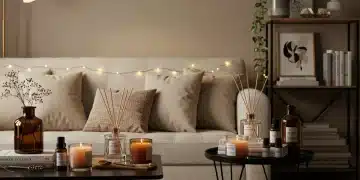
- Olfactory Experience: Using essential oil diffusers or natural candles with soothing scents such as lavender or sandalwood.
Ultimately, intentional living spaces are about crafting a personal narrative within your home. They reflect your unique needs and desires, providing a backdrop for a life lived with greater peace and purpose. This foundational shift sets the stage for the specific design trends emerging as we look towards 2026.
Trend 1: Biophilic Design – Connecting with Nature Indoors
Biophilic design, a concept that emphasizes the human connection to nature, is at the forefront of creating sensory sanctuaries. This trend recognizes our innate need to be close to natural elements and integrates them seamlessly into interior spaces. It’s more than just adding a few houseplants; it’s about blurring the lines between indoor and outdoor environments to foster a sense of calm and vitality.
The benefits of biophilic design are well-documented, ranging from reduced stress and improved cognitive function to enhanced creativity and overall well-being. As urban living continues to expand, bringing nature indoors becomes an increasingly vital strategy for maintaining mental and physical health. This trend is not fleeting; it represents a fundamental shift in how we perceive and interact with our living spaces.
Integrating Greenery and Natural Light
One of the most accessible aspects of biophilic design is the strategic incorporation of plants. Beyond their aesthetic appeal, plants purify the air, improve humidity levels, and introduce a living, breathing element into a room. Choosing a variety of plant sizes and types can create a dynamic and engaging indoor landscape.
Natural light is another cornerstone of biophilic design. Maximizing natural light exposure can regulate circadian rhythms, boost mood, and even improve productivity. Consider sheer curtains, strategically placed mirrors to amplify light, and avoiding heavy window treatments that block sunlight.
- Vertical Gardens: Utilizing wall space for lush vertical plant displays, even in compact areas.
- Large Windows & Skylights: Prioritizing architectural features that allow abundant natural light.
- Natural Materials: Incorporating wood, stone, and bamboo in furniture and decor to mimic outdoor textures.
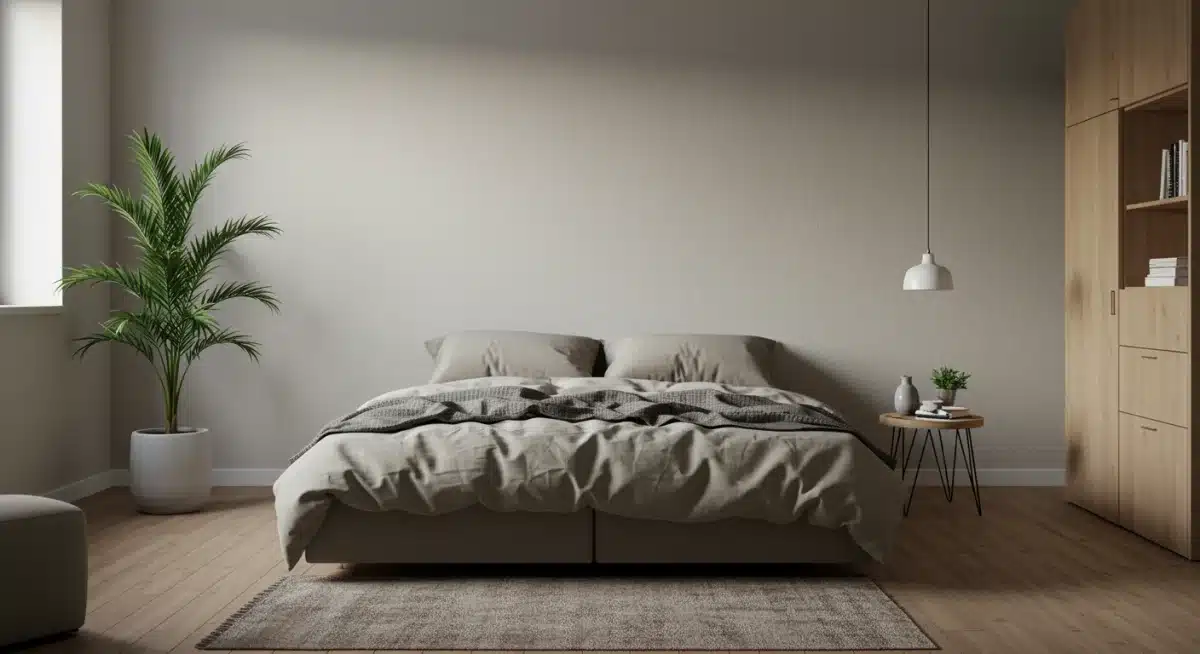
The essence of biophilic design lies in creating a symbiotic relationship between humans and their indoor environments. By consciously bringing elements of the natural world into our homes, we can cultivate spaces that not only look beautiful but also genuinely contribute to our peace of mind and overall health. This trend is set to grow even stronger as we seek deeper connections to the earth.
Trend 2: Mindful Minimalism – Decluttering for Clarity
Mindful minimalism goes beyond simply having fewer possessions; it’s a philosophy that prioritizes intentionality, functionality, and a sense of calm through thoughtful curation. This trend is about creating a space that serves your needs without overwhelming your senses, fostering mental clarity and reducing visual noise. In a world saturated with information and material goods, mindful minimalism offers a refreshing antidote.
The core principle of mindful minimalism is that every item in your home should have a purpose or bring you joy. This approach encourages a deeper connection with your belongings and discourages impulsive purchases, leading to a more sustainable and less stressful lifestyle. It’s about quality over quantity and creating breathing room, both physically and mentally.
Strategic Storage and Uncluttered Surfaces
Effective storage solutions are paramount in achieving a mindful minimalist aesthetic. Built-in shelving, discreet cabinets, and multi-functional furniture can help keep clutter out of sight, maintaining clean lines and open spaces. The goal is to create an environment where every item has its designated place, making it easy to maintain order.
Uncluttered surfaces are another key aspect. Instead of decorating every available space, mindful minimalism advocates for leaving surfaces clear, allowing the eye to rest and creating a sense of spaciousness. A few carefully chosen decorative items can have a much greater impact than a multitude of small trinkets.
- Multi-functional Furniture: Pieces that serve dual purposes, such as an ottoman with storage or a sofa bed.
- Concealed Storage: Utilizing storage solutions that blend seamlessly into the architecture, like custom cabinetry.
- Curated Decor: Selecting a few meaningful objects rather than many, allowing each piece to stand out.
By embracing mindful minimalism, homeowners can transform their spaces into serene havens that promote focus and reduce anxiety. It’s a powerful tool for self-care, allowing you to create an environment that supports your mental well-being and reflects a more intentional way of living. This trend is about finding peace in simplicity and creating a home that truly serves as a sanctuary.
Trend 3: Sensory Textures & Soothing Palettes – A Tactile Experience

The third calming design trend focuses on engaging our sense of touch and sight through carefully selected textures and soothing color palettes. This approach aims to create an enveloping atmosphere of comfort and tranquility, making a home feel like a gentle embrace. It acknowledges that our physical environment significantly impacts our emotional state, and by appealing to our senses, we can design spaces that actively promote relaxation.
Beyond visual appeal, the tactile experience of a home plays a crucial role in how we feel within it. Soft, inviting textures encourage us to relax and unwind, while harsh or uncomfortable materials can create tension. Similarly, a well-chosen color palette can evoke feelings of peace, warmth, or rejuvenation, directly influencing our mood and energy levels.
Embracing Natural and Luxurious Fabrics
When it comes to sensory textures, natural fabrics are key. Materials like linen, cotton, wool, and cashmere offer a range of tactile experiences, from crisp and cool to soft and plush. These materials also tend to be breathable and durable, adding to the overall comfort and longevity of a space. Incorporating a variety of textures can add depth and interest without relying on vibrant colors.
Luxurious fabrics, such as velvet or silk, can be used sparingly to introduce an element of indulgence and sophistication, making a space feel more opulent and inviting. The interplay of different textures creates a rich sensory landscape that encourages mindful engagement with your surroundings.
- Layering Textiles: Combining different fabrics in throws, cushions, and rugs to create depth and warmth.
- Textured Walls: Using subtle wallpaper, plaster, or wood panels to add a tactile dimension to vertical surfaces.
- Soft Furnishings: Prioritizing comfortable, oversized sofas and chairs upholstered in inviting materials.
Soothing Color Palettes for Tranquility
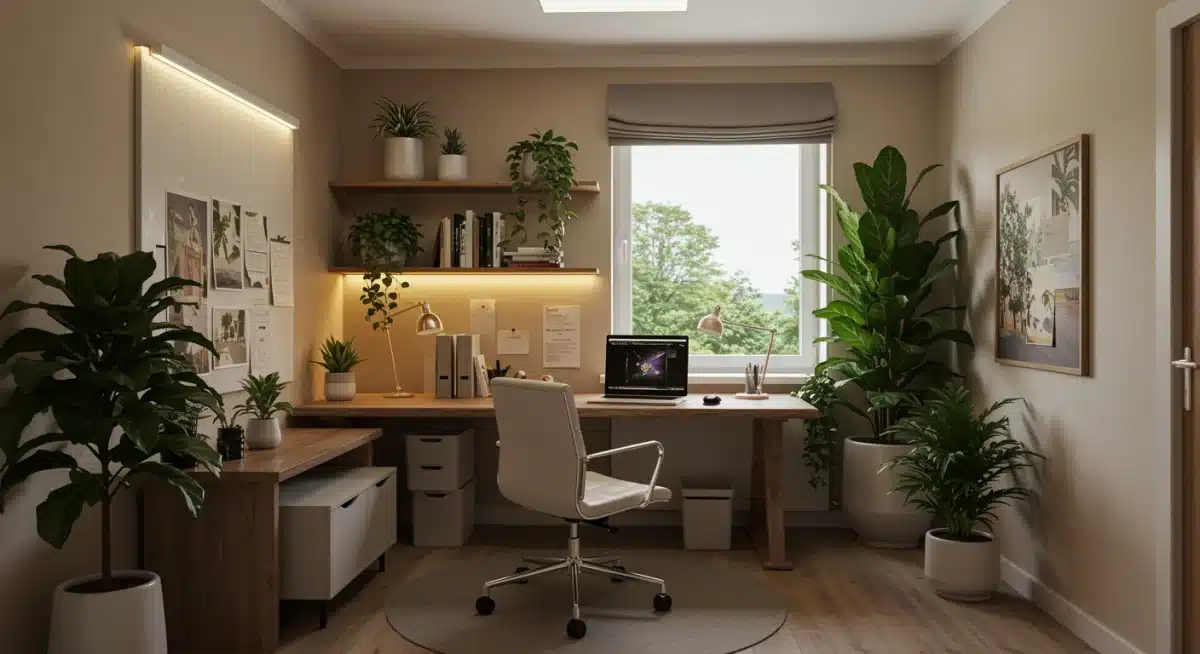
The power of color in influencing mood is undeniable. For a sensory sanctuary, soothing color palettes are essential. These typically include muted tones, earthy neutrals, and soft pastels that create a sense of calm and openness. Think shades of sage green, dusty blue, warm beige, soft gray, and creamy off-whites.
Avoiding overly bright or highly saturated colors helps to reduce visual stimulation, allowing the mind to relax. Monochromatic or analogous color schemes can create a harmonious and cohesive feel, while subtle contrasts can add interest without disrupting the overall tranquility. The aim is to create a backdrop that supports relaxation and introspection.
By consciously selecting textures and colors that appeal to our senses, we can design homes that are not only visually appealing but also deeply comforting and restorative. This trend emphasizes the importance of a holistic sensory experience, transforming a house into a truly stress-free and nurturing environment.
The Importance of Lighting and Acoustics
While often overlooked, lighting and acoustics are fundamental to creating a truly sensory sanctuary. These elements profoundly impact our mood, energy levels, and overall comfort within a space. Thoughtful consideration of how light and sound behave in your home can significantly enhance its calming potential, moving beyond superficial aesthetics to create a deeply restorative environment.
Poor lighting can lead to eye strain, headaches, and disrupted sleep patterns, while excessive noise or echoes can create stress and make relaxation difficult. By contrast, well-designed lighting and soundscapes can promote a sense of peace, improve focus, and support natural bodily rhythms. This integrated approach ensures that every aspect of your home contributes to your well-being.
Strategic Lighting for Mood Enhancement
Layered lighting is key to achieving a flexible and mood-enhancing environment. This involves combining ambient, task, and accent lighting to create different atmospheres throughout the day. Soft, warm light is generally preferred for relaxation areas, while brighter, cooler light can be used in workspaces.
Dimmer switches are invaluable for adjusting light intensity, allowing you to transition from a bright, energetic space to a cozy, intimate one. Incorporating natural light whenever possible is also crucial, as it helps regulate circadian rhythms and boosts mood. Consider smart lighting systems that can mimic natural daylight cycles or adjust automatically based on your preferences.
- Warm LED Bulbs: Opting for LEDs with a color temperature of 2700K-3000K for a cozy glow.
- Task Lighting: Utilizing focused lighting for reading nooks or work areas to prevent eye strain.
- Accent Lighting: Highlighting architectural features or artwork with subtle, indirect light.
Acoustic Comfort and Sound Management

Managing acoustics is vital for reducing stress and creating a peaceful home. This doesn’t necessarily mean soundproofing every room, but rather incorporating elements that absorb sound and reduce echo. Soft furnishings, rugs, and curtains are excellent natural sound dampeners.
Consider placing furniture strategically to break up sound waves, and using materials like cork or felt panels on walls where sound can be an issue. Introducing ambient sounds, such as nature sounds or soft music, can also help mask unwanted external noise and promote relaxation. The goal is to create an auditory environment that feels calm and unobtrusive.
By intentionally designing for optimal lighting and acoustics, homeowners can elevate their sensory sanctuary to a new level. These often-overlooked elements are powerful tools for shaping the emotional landscape of a home, ensuring it truly serves as a refuge from the outside world.
Personalizing Your Sanctuary: Beyond Trends
While design trends offer valuable inspiration, the ultimate goal of creating a sensory sanctuary is personalization. Your home should be a reflection of your unique needs, preferences, and sources of comfort. Moving beyond simply adopting popular styles, this involves a deep introspection into what truly brings you peace and joy within your living environment. A truly stress-free home is one that resonates intimately with its inhabitants.
Trends provide a starting point, but the most effective sensory sanctuaries are those that are customized to the individual. This means understanding your personal triggers for stress and relaxation, and then consciously designing your space to either mitigate the former or enhance the latter. It’s an ongoing process of refinement and adaptation as your needs evolve.
Reflecting Your Inner Landscape
Personalization involves selecting elements that hold personal meaning. This could be artwork that evokes positive memories, photographs of loved ones, or objects collected from meaningful travels. These personal touches infuse your home with soul and create a deeper sense of belonging and comfort.
Consider how different colors, textures, and sounds affect your personal mood. Some individuals might find vibrant colors energizing, while others prefer muted tones. Listen to your intuition and choose what genuinely makes you feel at ease and happy in your own space.
- Meaningful Art: Displaying pieces that resonate with your personal story or values.
- Comfort Objects: Incorporating items like a favorite blanket or cushion that provide a sense of security.
- Personalized Scents: Using essential oils or candles with aromas that evoke positive memories or feelings for you.
Flexibility and Evolution of Your Space
A sensory sanctuary is not a static concept; it should evolve with you. As your life changes, so too might your needs for comfort and calm. Designing with flexibility in mind allows your space to adapt. This could mean choosing modular furniture, having movable decor, or creating zones that can be repurposed.
Regularly reassess how your home supports your well-being. Are there new stressors emerging that your current environment isn’t addressing? Is there an area that now feels less calming than it once did? Allowing your sanctuary to be a living, breathing entity ensures it remains a true source of peace over time.
Ultimately, personalizing your sanctuary is about empowering yourself to create a home that is a perfect fit for your unique journey. It’s a continuous act of self-care, ensuring your living space is always a supportive and restorative environment, truly beyond fleeting trends.
The Future of Home Design: Wellness as a Priority
Looking ahead to 2026 and beyond, the future of home design is undeniably centered around wellness. The pandemic accelerated a trend that was already emerging: our homes are not just places where we live, but vital components of our overall health infrastructure. This paradigm shift means that designers, architects, and homeowners alike are increasingly prioritizing features that promote physical, mental, and emotional well-being.
The integration of technology will also play a significant role, not in creating more distractions, but in enhancing the sensory experience of a home. Smart systems will manage lighting, temperature, air quality, and even soundscapes to create optimal environments for relaxation, sleep, and productivity. The goal is to create intuitive spaces that proactively support our health.
Smart Homes for Enhanced Well-being
Smart home technology is evolving to become more integrated and user-friendly, moving beyond mere convenience to actively contribute to well-being. Imagine systems that automatically adjust lighting to mimic natural dawn for a gentle awakening, or air purifiers that activate based on real-time air quality sensors. These innovations will make it easier than ever to maintain a healthy and calming environment without constant manual adjustments.
Voice-activated assistants can control ambient music, adjust blinds, or even initiate guided meditation sessions, seamlessly weaving wellness practices into the fabric of daily life. The key will be ensuring these technologies are intuitive and unobtrusive, serving to enhance rather than complicate the sanctuary experience.
- Automated Lighting: Systems that adjust light intensity and color temperature throughout the day.
- Air Quality Sensors: Integrated purifiers and humidifiers that maintain optimal indoor air quality.
- Sound Management Systems: Technologies that can actively cancel noise or generate soothing soundscapes.
Sustainable and Ethical Choices
Wellness in home design also extends to the planet. Sustainable and ethically sourced materials will become even more prominent, reflecting a growing awareness of environmental impact. Choosing non-toxic paints, recycled materials, and furniture from companies with fair labor practices aligns with a holistic view of well-being that includes the health of the planet and its inhabitants.
This commitment to sustainability not only benefits the environment but also creates healthier indoor environments by reducing exposure to harmful chemicals. As consumers become more informed, demand for eco-friendly and ethically produced home goods will continue to rise, shaping the future of design towards a more conscious and responsible approach.
The future of home design is bright, focusing on creating spaces that are not only beautiful but also deeply nurturing. By prioritizing wellness, embracing smart technology, and making sustainable choices, we can ensure our homes remain true sanctuaries for years to come, adapting to our needs and contributing positively to our lives.
| Design Trend | Key Benefit for Sanctuary |
|---|---|
| Biophilic Design | Connects indoors with nature, reducing stress and boosting vitality. |
| Mindful Minimalism | Declutters spaces for mental clarity and reduced visual noise. |
| Sensory Textures & Soothing Palettes | Engages touch and sight for an enveloping atmosphere of comfort. |
| Optimized Lighting & Acoustics | Enhances mood and reduces stress through controlled light and sound. |
Frequently Asked Questions About Sensory Sanctuaries
A sensory sanctuary is a home environment intentionally designed to engage and soothe all five senses, promoting calm, comfort, and stress reduction. It prioritizes well-being through thoughtful choices in aesthetics, materials, lighting, and sound, creating a personal haven from external stressors.
Biophilic design integrates natural elements like plants, natural light, and organic materials into your home. This connection to nature has been shown to reduce stress, improve mood, and enhance cognitive function, creating a more harmonious and restorative living space.
While decluttering is a component, mindful minimalism extends to intentional curation. It’s about ensuring every item serves a purpose or brings joy, reducing visual noise and mental clutter. This approach fosters clarity, focus, and a deeper appreciation for your belongings.
Textures like soft fabrics and natural materials engage our sense of touch, promoting comfort and relaxation. Soothing color palettes, such as muted tones and earthy neutrals, reduce visual stimulation and evoke feelings of peace, significantly influencing overall mood and tranquility.
Yes, smart home technology can enhance a sensory sanctuary by automating elements like lighting, temperature, and soundscapes. Systems that adjust light to mimic natural cycles or manage air quality can proactively create optimal environments for relaxation and well-being, seamlessly supporting a stress-free home.
Conclusion
The journey towards creating a sensory sanctuary in your home by 2026 is more than a fleeting trend; it’s an essential evolution in how we conceive of and interact with our living spaces. By embracing biophilic design, mindful minimalism, and soothing sensory elements, coupled with thoughtful lighting and acoustic management, we can transform our homes into powerful havens of peace and well-being. This intentional approach to design acknowledges our innate need for comfort and calm, ensuring that our personal environments actively support a stress-free and fulfilling life.