Leadership Skills: Influence & Inspire Others Effectively

Developing leadership skills is crucial for personal and professional growth, enabling individuals to effectively influence, inspire, and guide others towards common goals, fostering positive and productive environments.
Have you ever wondered what truly sets successful individuals apart? Often, it boils down to their ability to cultivate strong leadership skills development. This isn’t just for those in formal management roles; it’s about developing your influence and inspiring others in every facet of life, from your career to your personal relationships. Mastering these skills can transform your interactions, elevate your impact, and foster environments where everyone can thrive.
Understanding the Essence of Leadership Skills Development
Leadership isn’t an innate trait reserved for a select few; it’s a dynamic set of abilities that can be learned, honed, and applied by anyone. At its core, leadership skills development involves understanding how to guide, motivate, and empower individuals and teams to achieve shared objectives. It’s about more than just giving orders; it’s about fostering a vision, building trust, and creating an environment where others feel valued and capable.
Many people mistakenly believe that leadership is synonymous with authority. While authority can be a component, true leadership stems from influence, not just position. An effective leader inspires action through their character, competence, and commitment, rather than relying solely on their title. This distinction is crucial for anyone looking to develop their leadership potential, as it emphasizes the importance of personal growth and interpersonal skills.
Defining Leadership Beyond Authority
True leadership transcends formal titles and hierarchies. It’s about the capacity to inspire and guide others, regardless of your official position. This kind of leadership is often seen in informal settings, where individuals naturally step up to organize, motivate, and resolve conflicts.
- Influence over control: Leaders guide by persuasion and example, not by coercion.
- Visionary thinking: They articulate a clear future and inspire others to work towards it.
- Empowerment: Great leaders empower their team members, fostering autonomy and growth.
- Integrity: Trust is the bedrock of leadership, built through consistent ethical behavior.
Ultimately, understanding leadership skills development means recognizing that everyone has the potential to lead. It begins with self-awareness and a commitment to continuous improvement, focusing on how you can positively impact those around you. This foundational understanding paves the way for developing specific competencies that define effective leadership.
Cultivating Effective Communication for Influence
Effective communication stands as a cornerstone of strong leadership. It’s the conduit through which visions are shared, expectations are set, and feedback is delivered. Leaders who master communication can clarify complex ideas, bridge misunderstandings, and build stronger relationships within their teams and beyond.
This skill goes beyond merely speaking clearly; it encompasses active listening, non-verbal cues, and the ability to tailor messages to different audiences. A leader’s words carry weight, and how they choose to express themselves can significantly impact morale, productivity, and the overall success of any initiative.
The Power of Active Listening
Active listening is perhaps the most underrated communication skill for leaders. It involves fully concentrating on what is being said, rather than just waiting for your turn to speak. This means paying attention to both verbal and non-verbal cues, asking clarifying questions, and reflecting on what you’ve heard to ensure understanding. When team members feel truly heard, it builds trust and fosters a sense of psychological safety.
- Enhanced understanding: Prevents misinterpretations and ensures alignment on tasks.
- Increased trust: Shows respect and value for others’ contributions.
- Problem-solving: Helps uncover root causes of issues and facilitates collaborative solutions.
- Improved relationships: Strengthens bonds and fosters a more cohesive team environment.
Beyond active listening, leaders must also be adept at delivering constructive feedback. This requires empathy, clarity, and a focus on growth rather than blame. Effective feedback is specific, timely, and actionable, providing guidance that helps individuals improve their performance and develop their own skills.
Ultimately, cultivating effective communication is a continuous journey. It involves self-assessment, practicing different communication styles, and being open to feedback on your own communication. By prioritizing clear, empathetic, and purpose-driven communication, leaders can significantly enhance their influence and inspire greater engagement.
Building Trust and Credibility: The Foundation of Inspiration
Trust and credibility are not merely desirable traits in a leader; they are the bedrock upon which all effective influence and inspiration are built. Without trust, even the most brilliant strategies can falter, and without credibility, a leader’s words ring hollow. These qualities are earned through consistent behavior, transparent actions, and a genuine commitment to the well-being of others.
A leader who consistently demonstrates integrity, honesty, and reliability creates an environment where team members feel secure, willing to take risks, and fully engaged. This doesn’t happen overnight; it’s a cumulative process of showing up, following through, and acting in alignment with your stated values.
Transparency and Vulnerability in Leadership
One of the most powerful ways to build trust is through transparency. This doesn’t mean sharing every single detail, but rather being open about decisions, challenges, and successes. When leaders are transparent, it reduces speculation and fosters a sense of shared understanding. Furthermore, demonstrating vulnerability—admitting mistakes or acknowledging areas for growth—can humanize a leader and make them more relatable.
- Open communication: Share information freely, within appropriate boundaries.
- Admitting mistakes: Shows humility and creates a culture of learning.
- Consistent actions: Align words with deeds to prove reliability.
- Fairness: Treat all team members equitably and without bias.
Credibility is also strengthened by a leader’s competence and expertise. While you don’t need to be the expert in every field, demonstrating a willingness to learn, staying informed, and making sound judgments based on available information enhances your standing. When people believe you know what you’re doing, they are more likely to follow your lead with confidence. Building trust and credibility is an ongoing process, requiring constant self-reflection and a dedication to ethical leadership. It’s the invisible force that allows leaders to inspire loyalty and drive collective success.
Motivating and Empowering Teams for Peak Performance

A true leader doesn’t just manage tasks; they ignite potential. Motivating and empowering teams is central to achieving peak performance and fostering a thriving work environment. This involves understanding what drives individuals, providing them with the necessary resources, and giving them the autonomy to excel. When team members feel motivated and empowered, they are more engaged, innovative, and committed to collective goals.
This aspect of leadership moves beyond simple delegation, delving into creating a culture where individuals feel a sense of ownership and purpose. It’s about shifting from a command-and-control mindset to one that values collaboration, initiative, and personal growth.
Strategies for Boosting Team Motivation
Motivating a diverse team requires a nuanced approach, as different individuals are driven by different factors. Effective leaders employ a variety of strategies to tap into these intrinsic and extrinsic motivators. Recognition, meaningful work, opportunities for advancement, and a supportive environment all play crucial roles.
- Provide clear purpose: Help team members understand how their work contributes to the bigger picture.
- Offer meaningful recognition: Acknowledge and celebrate achievements, both big and small.
- Create growth opportunities: Invest in training and development to help individuals expand their skills.
- Foster a positive environment: Promote psychological safety, respect, and collaboration.
Empowerment goes hand-in-hand with motivation. It involves entrusting team members with responsibility, giving them the authority to make decisions, and supporting them through challenges. This not only builds confidence but also allows leaders to leverage the diverse talents and perspectives within their team. Empowered teams are more agile, resilient, and innovative, capable of navigating complex problems and delivering exceptional results. By focusing on motivation and empowerment, leaders transform their teams into high-performing units.
Navigating Conflict and Fostering Collaboration
Conflict is an inevitable part of any human interaction, especially within teams. However, effective leaders don’t shy away from conflict; they see it as an opportunity for growth and improved understanding. Navigating conflict constructively and fostering a culture of collaboration are critical leadership skills that transform potential discord into productive dialogue and stronger relationships.
A leader’s ability to mediate disagreements, encourage open communication, and find common ground can significantly impact team cohesion and overall productivity. It’s about creating a safe space where diverse perspectives can be shared without fear of reprisal, ultimately leading to more innovative solutions.
Techniques for Constructive Conflict Resolution
Addressing conflict effectively requires a blend of empathy, objectivity, and strategic thinking. Leaders must be able to listen to all sides, identify underlying issues, and guide individuals toward mutually beneficial resolutions. This often involves setting clear boundaries, facilitating difficult conversations, and focusing on shared objectives rather than personal grievances.
- Active listening: Understand all perspectives without interruption or judgment.
- Identify common ground: Find shared interests or goals to build upon.
- Focus on solutions: Shift the conversation from problems to actionable steps.
- Mediate impartially: Remain neutral and facilitate dialogue between parties.

Fostering collaboration extends beyond conflict resolution. It involves actively promoting teamwork, encouraging knowledge sharing, and celebrating collective achievements. Leaders can design processes that encourage interdepartmental cooperation, create shared goals that require joint effort, and model collaborative behavior themselves. By prioritizing collaboration, leaders build resilient teams that leverage their collective strengths to overcome challenges and achieve extraordinary results. This proactive approach to team dynamics ensures that differences are seen as assets, not obstacles.
Continuous Learning and Adaptability: Leading in a Changing World
The world is in a constant state of flux, and the demands on leaders are evolving faster than ever before. Therefore, continuous learning and adaptability are no longer optional traits; they are essential leadership skills for anyone seeking to develop their influence and inspire others effectively. Leaders must be lifelong learners, open to new ideas, and capable of adjusting their strategies in response to changing circumstances.
This commitment to growth signifies a leader who is not complacent but actively seeks to improve themselves and their environment. It involves embracing new technologies, understanding emerging trends, and being willing to challenge established norms in pursuit of better outcomes.
Embracing a Growth Mindset
A growth mindset is fundamental to continuous learning and adaptability. It’s the belief that abilities and intelligence can be developed through dedication and hard work, rather than being fixed traits. Leaders with a growth mindset view challenges as opportunities for learning, embrace feedback, and are resilient in the face of setbacks.
- Seek new knowledge: Regularly read, attend workshops, and engage in professional development.
- Solicit feedback: Actively ask for and reflect on input from peers and subordinates.
- Experiment and innovate: Be willing to try new approaches and learn from failures.
- Stay curious: Maintain an open mind and question assumptions.
Adaptability means more than just reacting to change; it involves anticipating it and proactively preparing for it. Leaders must be nimble in their decision-making, flexible in their planning, and able to guide their teams through periods of uncertainty. This often requires a willingness to pivot, to let go of outdated methods, and to inspire confidence in the face of the unknown. By embodying continuous learning and adaptability, leaders not only enhance their own capabilities but also model these crucial behaviors for their teams, creating a culture of resilience and innovation that thrives in a dynamic world.
Measuring Your Leadership Growth and Impact
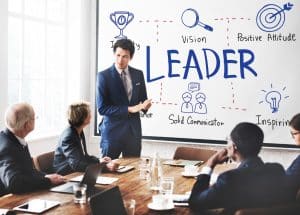
Developing leadership skills is an ongoing journey, not a destination. To truly enhance your influence and inspire others, it’s crucial to regularly measure your leadership growth and assess your impact. This involves self-reflection, seeking feedback, and observing the tangible outcomes of your leadership efforts. Without a clear understanding of where you stand and how you are progressing, it becomes challenging to identify areas for improvement and celebrate successes.
Measuring leadership growth isn’t about rigid metrics alone; it encompasses qualitative assessments of team morale, engagement, and the effectiveness of your communication. It’s a holistic approach to understanding your evolving role and its effects on those you lead.
Key Indicators of Effective Leadership
While leadership can be abstract, its impact is often measurable through various indicators. These can range from team performance metrics to qualitative feedback on your communication style and decision-making. Paying attention to these signs helps you gauge the effectiveness of your leadership approach and make necessary adjustments.
- Team engagement scores: Higher engagement often correlates with effective leadership.
- Retention rates: Lower turnover can indicate a positive and supportive leader.
- Achievement of goals: Successful completion of projects and objectives reflects strong guidance.
- Feedback from peers and direct reports: Constructive criticism and praise offer valuable insights.
Beyond these indicators, consider the ripple effect of your leadership. Are your team members growing professionally? Are they taking on more responsibility? Is there a positive shift in team dynamics? Reflecting on these broader impacts provides a more comprehensive picture of your leadership effectiveness. Regularly seeking 360-degree feedback, where you receive input from superiors, peers, and subordinates, can provide invaluable insights into your strengths and areas for development. This commitment to self-assessment and improvement ensures that your leadership skills continue to evolve, allowing you to consistently influence and inspire those around you.
| Key Leadership Skill | Brief Description |
|---|---|
| Effective Communication | Clearly conveying ideas, active listening, and providing constructive feedback to foster understanding. |
| Building Trust & Credibility | Demonstrating integrity, transparency, and consistency to earn respect and confidence. |
| Motivating & Empowering Teams | Inspiring individuals, delegating effectively, and creating opportunities for growth and ownership. |
| Continuous Learning & Adaptability | Embracing new knowledge, adapting to change, and fostering a growth mindset for ongoing development. |
Frequently Asked Questions About Leadership Skills
Yes, absolutely. Leadership is not an inherent trait but a set of learnable behaviors and skills. With dedication, practice, and a commitment to personal growth, anyone can develop and strengthen their leadership capabilities, regardless of their current role or experience level.
While many skills are crucial, effective communication is often cited as the most important. It underpins nearly all other leadership functions, from building trust and resolving conflicts to motivating teams and articulating a vision. Clear, empathetic communication is foundational.
Begin by observing effective leaders, seeking out opportunities to take initiative, and actively requesting feedback. Focus on improving your active listening, practicing empathy, and taking responsibility for your actions. Small, consistent efforts lead to significant growth over time.
No, leadership extends far beyond formal titles. It’s about influence, inspiration, and guiding others, which can be demonstrated at any level of an organization or in personal life. Everyone has the potential to be a leader by positively impacting those around them.
Leaders inspire others by articulating a compelling vision, demonstrating integrity and passion, empowering their teams, and leading by example. They build trust, foster a positive environment, and connect individual efforts to a greater purpose, making work meaningful.
Conclusion
The journey of leadership skills development is a powerful one, offering profound benefits not just for individuals in formal positions, but for anyone seeking to enhance their influence and inspire others. From mastering effective communication and building unwavering trust to motivating teams and embracing continuous learning, each step contributes to a more impactful and fulfilling personal and professional life. By committing to these principles, you not only elevate your own capabilities but also foster environments where growth, collaboration, and success become the norm. Embrace the leader within, and watch as your ability to inspire positive change transforms your world.