Breath Mindfulness: Stress Reduction in 60 Seconds

Breath mindfulness techniques offer a potent, accessible pathway to significantly reduce stress in as little as 60 seconds, leveraging the body’s natural relaxation response for immediate calm and sustained mental well-being.
Ever felt overwhelmed, your mind racing with an endless to-do list or anxieties about the future?
You’re not alone. In our fast-paced world, stress has become an unwelcome constant, often leaving us feeling depleted and disconnected.
But what if there was a simple, immediate antidote, a tool you carry with you everywhere?
The answer lies in the power of breath: mindfulness techniques using your breath to reduce stress in 60 seconds.
This isn’t just about taking a deep breath; it’s about harnessing a fundamental physiological process to profoundly impact your mental and emotional state, offering an accessible path to calm and clarity, even in the most demanding moments.
Understanding the Connection Between Breath and Stress
The intricate relationship between our breath and our stress response is a cornerstone of both ancient wisdom and modern science.
When we experience stress, our body instinctively shifts into a ‘fight or flight’ mode, activating the sympathetic nervous system.
This physiological cascade leads to a rapid, shallow breathing pattern, often concentrated in the chest.
Conversely, deep, deliberate breathing stimulates the parasympathetic nervous system, initiating a ‘rest and digest’ response that calms the body and mind.
Recognizing this fundamental connection is the first step toward consciously leveraging your breath as a powerful tool for stress reduction.
The Autonomic Nervous System and Breathing Patterns
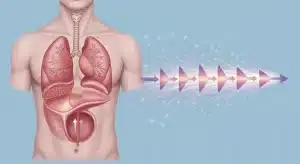
Our autonomic nervous system (ANS) operates largely outside our conscious control, regulating essential bodily functions like heart rate, digestion, and breathing.
It comprises two main branches: the sympathetic, which prepares us for action, and the parasympathetic, which promotes relaxation.
Stress triggers the sympathetic branch, leading to physiological changes such as increased heart rate, elevated blood pressure, and rapid, shallow breathing.
By consciously altering our breathing, we can send signals to the brain that override this stress response, activating the parasympathetic branch and promoting a state of calm.
- Sympathetic Activation: Characterized by short, quick breaths, often from the chest, signaling danger or stress.
- Parasympathetic Activation: Fostered by slow, deep, diaphragmatic breaths, signaling safety and relaxation.
- Vagus Nerve Stimulation: Deep breathing stimulates the vagus nerve, a major component of the parasympathetic system, which helps regulate heart rate and digestion, further calming the body.
The beauty of this mechanism lies in its accessibility. While many bodily functions are involuntary, breathing offers a unique bridge between conscious and unconscious control.
This means that even in moments of intense stress, we possess the inherent ability to influence our physiological state simply by shifting our attention to our breath.
Understanding these underlying biological principles empowers us to approach breathwork not as a mere technique, but as a direct intervention into our body’s stress management system.
This foundational knowledge is crucial for appreciating how simple breath mindfulness can be so profoundly effective.
The Science Behind 60-Second Stress Relief
The idea that you can significantly reduce stress in just 60 seconds might sound too good to be true, but it’s firmly supported by scientific research into the physiological and psychological impacts of mindful breathing.
This rapid response isn’t magic; it’s a direct consequence of how our breath influences the brain and body.
Within moments of engaging in deliberate, mindful breathing, a cascade of beneficial changes begins to unfold, calming the nervous system and shifting our internal state from agitation to tranquility.
Immediate Physiological Changes
When you intentionally slow your breath and deepen it, several key physiological changes occur almost instantly.
One of the most significant is the activation of the vagus nerve, which plays a crucial role in regulating the parasympathetic nervous system.
This activation helps to:
- Lower Heart Rate: A slower, more rhythmic breath directly signals the heart to slow its pace, reducing cardiovascular strain.
- Decrease Blood Pressure: Relaxation of blood vessels contributes to a noticeable drop in blood pressure.
- Improve Oxygenation: Deeper breaths allow for more efficient exchange of oxygen and carbon dioxide, nourishing the brain and body.
- Reduce Cortisol Levels: While not an immediate drop, consistent deep breathing over short bursts can prevent spikes and gradually lower baseline stress hormones.
These rapid physiological shifts are why breathwork is so effective for acute stress relief.
The body is hardwired to respond to these breathing patterns, making it a powerful and immediate tool.
The brain interprets slow, deep breaths as a sign of safety, allowing it to disengage from the ‘fight or flight’ response and move towards a state of calm.
This quick transition is what makes 60-second techniques so valuable in our daily lives.
Simple Breath Mindfulness Techniques for Instant Calm
Harnessing the power of your breath doesn’t require hours of meditation or complex yoga poses.
Many effective techniques can be practiced anywhere, anytime, providing immediate relief from stress and anxiety within a minute.
These simple yet profound practices focus on bringing your attention to the present moment through the sensation of your breath.
The 4-7-8 Breathing Technique
Developed by Dr. Andrew Weil, the 4-7-8 breathing technique is a powerful tool for rapidly calming the nervous system.
It’s often described as a natural tranquilizer for the nervous system.
To practice it, find a comfortable position and place the tip of your tongue against the ridge of tissue just behind your upper front teeth, and keep it there throughout the entire breathing sequence.
Exhale completely through your mouth, making a ‘whoosh’ sound.
Then, close your mouth and inhale quietly through your nose to a mental count of four.
Hold your breath for a count of seven.
Finally, exhale completely through your mouth, making a ‘whoosh’ sound, for a count of eight.
This completes one breath.
Repeat the cycle three more times for a total of four breaths.
The specific ratio of breath holding and exhalation helps to slow the heart rate and promote relaxation.
Box Breathing (Square Breathing)
Box breathing is another incredibly effective and easy-to-learn technique, often used by Navy SEALs to maintain calm in high-stress situations.
It involves inhaling, holding, exhaling, and holding again, each for an equal count, typically four seconds.
Imagine tracing the sides of a square as you breathe.
Inhale slowly for a count of four, feeling your lungs fill.
Hold your breath for a count of four.
Exhale slowly for a count of four, emptying your lungs completely.
Hold your breath again for a count of four before the next inhale.
Repeating this cycle a few times can quickly bring a sense of balance and focus, making it an excellent choice for a quick stress reset.
- Inhale: Count to four.
- Hold: Count to four.
- Exhale: Count to four.
- Hold: Count to four.
These techniques, while simple, require your full attention to the breath.
The act of focusing on the precise rhythm and sensation of your breathing pulls your mind away from stressors and anchors it in the present moment.
Regular practice, even for just 60 seconds at a time, reinforces these calming pathways, making it easier to access a state of peace when you need it most.
Integrating these into your daily routine can transform your ability to manage stress effectively.
Integrating Breathwork into Your Daily Routine
The true power of breath mindfulness techniques lies not just in their immediate impact, but in their potential to become a consistent part of your daily life.
Integrating these brief, powerful practices into your routine can create a cumulative effect, building resilience against stress over time and fostering a greater sense of overall well-being.
It’s about making conscious breathing as natural as any other daily habit.
Finding Opportunities for Mindful Breaths
You don’t need to set aside dedicated meditation time to benefit from mindful breathing.
The beauty of these techniques is their adaptability to various situations.
Think of the small pockets of time throughout your day that often go unnoticed or are filled with mindless distractions.
These are prime opportunities for a 60-second breath reset.
For instance, before a meeting, while waiting in line, during your commute, or even just before you pick up your phone, you can take a moment to engage in a few rounds of deliberate breathing.
The goal is to weave these mindful moments into the fabric of your day, making them an automatic response to stress or a proactive measure for maintaining calm.
- Morning Ritual: Start your day with 60 seconds of mindful breathing to set a calm tone.
- Work Breaks: Instead of scrolling, take a minute to reconnect with your breath.
- Before Meals: Use breathwork to transition from a busy mind to a mindful eating experience.
- Evening Wind-Down: Practice before bed to prepare your body and mind for restful sleep.
The key is consistency, not perfection.
Even if you only manage a few conscious breaths, you are still reinforcing the habit and signaling to your nervous system that it’s safe to relax.
Over time, these brief interventions accumulate, leading to a more regulated stress response and a greater capacity for presence and calm in all aspects of your life.
Making breathwork a natural part of your routine is a simple yet profound investment in your mental and physical health.
Overcoming Common Challenges and Enhancing Your Practice
While breath mindfulness techniques are simple, they aren’t always easy to master, especially when stress is high.
Many people encounter common challenges that can make it difficult to maintain focus or feel the immediate benefits.
However, by understanding these hurdles and employing specific strategies, you can deepen your practice and unlock its full potential.
Dealing with Distractions and Wandering Minds
One of the most frequent challenges is a wandering mind.
It’s completely normal for thoughts, worries, and external distractions to pull your attention away from your breath.
The goal isn’t to eliminate these thoughts, but to gently guide your focus back to the sensation of your breath each time your mind strays.
Think of your breath as an anchor, always available to bring you back to the present moment.
Don’t judge yourself for getting distracted; simply acknowledge the thought and return your attention to your inhale and exhale.
Consistent practice will strengthen your ability to maintain focus.
- Acknowledge, Don’t Engage: Notice the thought without getting caught up in its narrative.
- Gentle Redirection: Softly bring your awareness back to the physical sensation of breathing.
- Sensory Focus: Pay attention to the feeling of air entering and leaving your nostrils, the rise and fall of your abdomen, or the sound of your breath.
Another challenge can be feeling impatient or expecting immediate, dramatic results.
While breathwork can provide rapid relief, its deeper benefits unfold with consistent practice.
Some days you might feel profoundly calm, while others might feel like a struggle.
Embrace the journey and trust the process.
Consider using guided meditations or apps that provide vocal cues and timers to help you stay focused and consistent.
Experiment with different techniques and times of day to find what resonates best with you.
The key is to approach your practice with kindness and persistence, knowing that every conscious breath contributes to your well-being.
Beyond 60 Seconds: Long-Term Benefits of Mindful Breathing
While the immediate gratification of 60-second stress relief is compelling, the true transformative power of breath mindfulness extends far beyond fleeting moments of calm.
Consistent engagement with these techniques cultivates profound long-term benefits, reshaping your physiological and psychological landscape to foster greater resilience, emotional regulation, and overall well-being.
It’s an investment in your mental health that pays dividends over a lifetime.
Cultivating Emotional Regulation and Resilience
Regular mindful breathing practices train your nervous system to be less reactive to stressors.
By repeatedly activating the parasympathetic response, you gradually increase your ‘vagal tone,’ which is a measure of vagus nerve activity and an indicator of your body’s ability to recover from stress.
A higher vagal tone means you can return to a state of calm more quickly after encountering a stressful event.
This enhanced physiological resilience translates into improved emotional regulation, allowing you to navigate challenges with greater composure and clarity.
- Reduced Anxiety Levels: Chronic stress often manifests as anxiety; regular breathwork helps mitigate these feelings.
- Improved Mood: By calming the nervous system, mindful breathing can elevate mood and reduce symptoms of depression.
- Enhanced Focus and Concentration: A calmer mind is a more focused mind, leading to better cognitive performance.
- Better Sleep Quality: Practicing mindful breathing before bed can significantly improve the quality and duration of sleep.
Furthermore, consistent breathwork fosters a deeper connection with your body, increasing self-awareness and allowing you to recognize the early signs of stress before they escalate.
This proactive awareness empowers you to intervene with a few conscious breaths, preventing the full-blown stress response.
The long-term benefits of breath mindfulness are not merely about managing stress; they are about transforming your relationship with stress itself, equipping you with an internal compass for navigating life’s inevitable ups and downs with grace and equanimity.
It’s a journey toward a more balanced and fulfilling existence.
Expert Insights and Real-World Applications
The efficacy of breath mindfulness techniques for stress reduction is widely recognized by experts across various fields, from psychology and medicine to sports performance and corporate wellness.
Their insights underscore the universal applicability and profound impact of these simple practices, offering valuable perspectives on how to integrate them effectively into diverse real-world scenarios.
What Experts Say
Many psychologists advocate for breathwork as a foundational tool in stress management and anxiety reduction protocols.
They often highlight its ability to create a bridge between the conscious and unconscious mind, offering a direct pathway to influence autonomic functions.
Physicians frequently recommend mindful breathing to patients suffering from stress-related ailments, emphasizing its role in lowering blood pressure, improving heart rate variability, and promoting overall cardiovascular health.
Neuroscientists point to the vagus nerve stimulation and its impact on brain regions associated with emotional regulation, reinforcing the physiological basis of its calming effects.
The consensus is clear: conscious breathing is a powerful, non-pharmacological intervention for mental and physical well-being.
Practical Applications in Everyday Life
Beyond formal practice, the principles of breath mindfulness can be applied to countless everyday situations.
Consider a high-pressure work meeting: taking a few rounds of box breathing before it starts can enhance your focus and reduce performance anxiety.
If you find yourself stuck in traffic, instead of succumbing to frustration, you can use the 4-7-8 technique to regain a sense of calm.
Parents often find mindful breathing invaluable during moments of intense family stress, allowing them to respond with greater patience and presence.
Athletes use deliberate breathing to improve focus and endurance, while artists use it to unlock creativity and overcome blocks.
The adaptability of these techniques makes them an indispensable tool for anyone seeking to navigate the complexities of modern life with greater ease and resilience.
The consistent application of these simple practices across various contexts is what truly amplifies their transformative potential.
| Key Point | Brief Description |
|---|---|
| Breath-Stress Link | Conscious breathing directly influences the nervous system, shifting from fight-or-flight to rest-and-digest. |
| 60-Second Relief | Rapid physiological changes like lower heart rate and vagus nerve activation occur quickly. |
| Simple Techniques | Practices like 4-7-8 and Box Breathing offer immediate, accessible calm. |
| Long-Term Benefits | Consistent practice builds resilience, improves emotional regulation, and enhances overall well-being. |
Frequently Asked Questions About Breath Mindfulness
Many individuals experience noticeable stress reduction within 60 seconds of starting a focused breath mindfulness technique. The immediate physiological changes, such as vagus nerve activation and a slowed heart rate, contribute to this rapid calming effect, making it an ideal tool for quick relief.
Box breathing (or square breathing) is often recommended for beginners due to its simplicity and clear structure. It involves inhaling, holding, exhaling, and holding for equal counts, typically four seconds each, providing an easy rhythm to follow and focus on.
Yes, consistent practice of breath mindfulness techniques can significantly help manage chronic anxiety. By regularly activating the parasympathetic nervous system, it helps retrain your body’s stress response, cultivating greater emotional regulation and resilience over time, reducing anxiety levels.
While a quiet space can be ideal, breath mindfulness techniques are highly adaptable and can be practiced almost anywhere. The key is to bring your attention inward to your breath, regardless of external distractions. Even a few conscious breaths in a busy environment can offer benefits.
Long-term benefits include enhanced emotional regulation, increased resilience to stress, improved focus and concentration, better sleep quality, and a deeper connection with one’s body. Consistent practice leads to a more balanced and calm nervous system, improving overall well-being.
Conclusion
The journey to a calmer, more centered self doesn’t have to be arduous or time-consuming.
As we’ve explored, the profound simplicity of breath mindfulness techniques offers an immediate and powerful antidote to the pervasive stress of modern life.
From the scientific underpinnings of our nervous system to practical 60-second exercises like 4-7-8 and box breathing, the tools are readily available within you.
By integrating these practices into your daily routine, overcoming common challenges with gentle persistence, and embracing the cumulative long-term benefits, you can transform your relationship with stress and cultivate a life of greater peace, resilience, and well-being.
Your breath is not just a mechanism for survival; it is a gateway to tranquility, always accessible, always ready to guide you back to calm.