Natural Light & Design: Boost Mood 2026
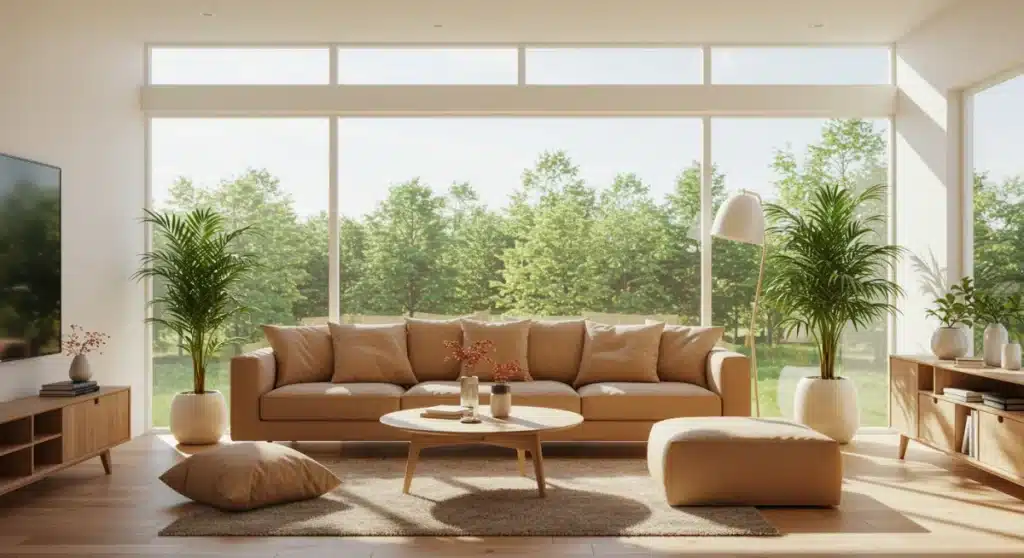
Integrating natural light and mindful interior design is crucial for enhancing mood and overall well-being, creating healthier, more inviting living spaces that align with contemporary lifestyle trends for 2026.
Have you ever noticed how your spirits lift on a sunny day, or how a well-designed room can instantly make you feel at ease? The profound connection between our environment and our emotional state is undeniable. In 2026, the focus on leveraging natural light interior design to enhance well-being is more prominent than ever, transforming our homes into sanctuaries that actively contribute to a happier, healthier life.
The undeniable impact of natural light on well-being
Natural light is far more than just illumination; it’s a fundamental element for human health and happiness. Its presence in our living spaces directly influences our circadian rhythms, energy levels, and even our cognitive functions. Understanding this profound connection is the first step toward designing environments that truly nurture our minds and bodies.
The human body is intrinsically linked to the cycles of light and darkness. Exposure to natural light, especially in the morning, helps regulate our internal clock, signaling to our brains that it’s daytime. This process is crucial for maintaining healthy sleep patterns, boosting alertness, and improving overall mood. Conversely, a lack of natural light can disrupt these rhythms, contributing to fatigue, irritability, and even seasonal affective disorder (SAD).
Circadian rhythms and sleep quality
Our circadian rhythm, often called our body’s internal clock, is heavily influenced by light exposure. Adequate natural light during the day helps reinforce this rhythm, promoting better sleep at night. This natural synchronization is vital for our physical and mental health.
- Regulates sleep-wake cycles effectively.
- Enhances daytime alertness and productivity.
- Reduces instances of insomnia and sleep disturbances.
Beyond sleep, natural light has a direct impact on our mood by stimulating the production of serotonin, a neurotransmitter associated with feelings of well-being and happiness. Sunlight also provides Vitamin D, essential for bone health and immune function, and increasingly linked to mood regulation. Incorporating more natural light means embracing a more energetic and positive daily existence.
Strategic window placement and maximization
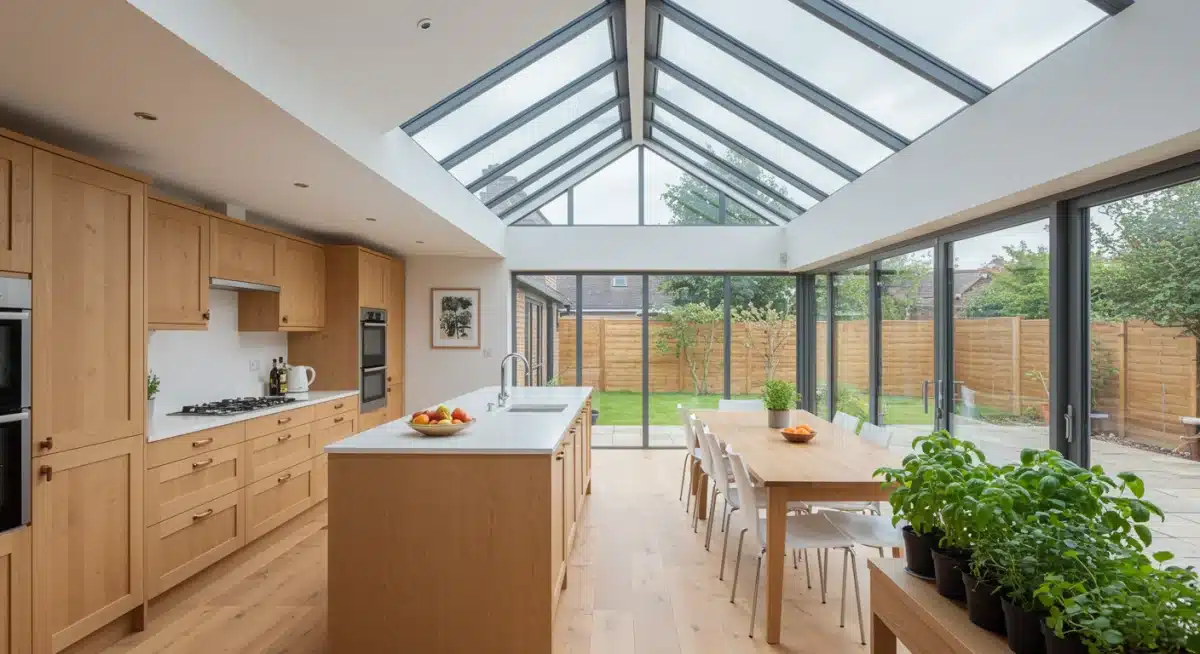
Optimizing natural light begins with a thoughtful approach to window placement and design. It’s not just about having windows, but about how they are positioned and how effectively they allow light to permeate the space. In 2026, architects and designers are increasingly focusing on innovative solutions to maximize this vital resource, creating spaces that feel inherently brighter and more inviting.
Consider the orientation of your home. South-facing windows in the Northern Hemisphere receive the most consistent light throughout the day, making them ideal for living areas where you spend a lot of time. East-facing windows are perfect for morning light, energizing bedrooms and breakfast nooks, while west-facing windows offer warm afternoon glow, suited for dining or evening relaxation. North-facing windows provide soft, consistent light, excellent for workspaces or art studios where harsh glare is undesirable.
Beyond traditional windows: skylights and light tubes
For spaces lacking exterior walls or sufficient window access, modern solutions like skylights and sun tunnels (or light tubes) offer remarkable ways to introduce natural light. These innovations can transform dark, interior rooms into vibrant, well-lit areas, significantly impacting mood and usability.
- Skylights bring overhead light, brightening central areas.
- Light tubes channel sunlight into small, windowless rooms.
- Both options reduce reliance on artificial lighting during the day.
Maximizing existing windows involves more than just keeping them clean. Avoiding heavy, dark curtains in favor of light-filtering sheers or blinds allows light to enter while maintaining privacy. Strategic landscaping can also play a role; trimming overgrown shrubs or trees that block window views can dramatically increase the amount of light entering your home. Every small adjustment contributes to a brighter, more uplifting environment.
The role of color palettes in light amplification
The colors we choose for our interiors have a profound effect on how natural light is perceived and distributed throughout a room. Light colors reflect light, making spaces feel larger and brighter, while darker colors absorb it, creating a cozier, sometimes more enclosed atmosphere. Understanding this dynamic is key to optimizing your home’s natural illumination, especially when aiming to boost your mood: the power of natural light and interior design in 2026 is undeniable.
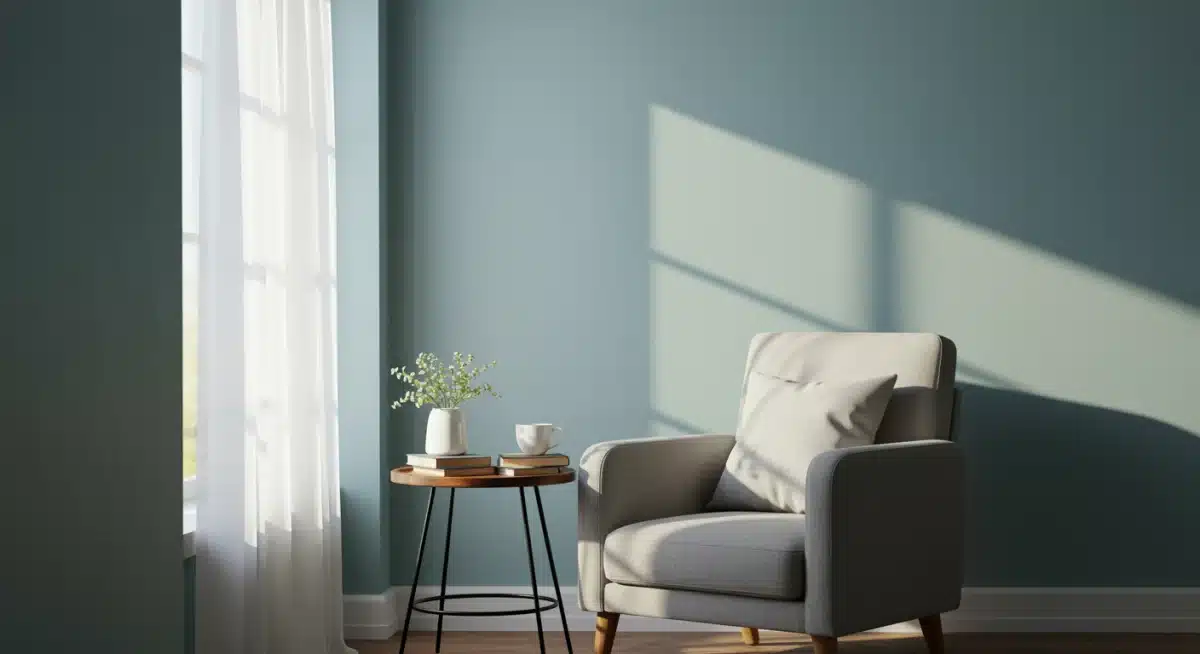
White and off-white tones are classic choices for maximizing light reflection. They bounce natural light deeper into a room, making it feel more expansive and airy. However, the spectrum of light-reflecting colors extends far beyond just white. Pale blues, soft greens, light grays, and subtle pastels can also be incredibly effective, adding personality while still amplifying light. These hues create a serene and calming backdrop that complements natural light beautifully.
Selecting the right finish for maximum reflection
Beyond the color itself, the finish of your paint also plays a significant role. Matte finishes absorb more light, while satin, eggshell, and semi-gloss finishes reflect more. For walls, an eggshell or satin finish can provide a good balance between light reflection and durability, making a room feel brighter without being overly shiny. Ceilings, often painted in flat white, can benefit from a slightly higher sheen to better reflect overhead light.
- Glossy ceilings enhance light distribution.
- Satin or eggshell walls reflect light effectively.
- Avoid matte finishes in naturally dark areas.
Don’t forget the impact of flooring and furniture. Light-colored flooring, such as light wood, pale tiles, or even light-colored rugs, can significantly contribute to a room’s overall brightness. Similarly, choosing furniture with lighter upholstery or reflective surfaces can help distribute natural light, making the entire space feel more open and vibrant. It’s an integrated approach where every element works in harmony to enhance light.
Reflective surfaces and their mood-enhancing properties
Integrating reflective surfaces into your interior design is a powerful, yet often overlooked, strategy for maximizing natural light and enhancing mood. These surfaces act as natural amplifiers, bouncing light around a room and creating a sense of openness and brightness. From mirrors to metallic accents, each element can contribute to a more luminous and uplifting environment.
Mirrors are perhaps the most effective reflective tool. Strategically placed opposite windows, they can double the amount of natural light in a room, making it feel larger and more expansive. Consider a large mirror in a hallway or a collection of smaller mirrors in a living room to create visual interest while boosting light. The key is placement; ensure they reflect a desirable view or light source, rather than a blank wall.
Metallic accents and glossy finishes
Beyond mirrors, metallic accents in decor can add a subtle yet effective reflective quality. Items like polished chrome, brass, or silver can catch and reflect light, adding sparkle and depth to a room. Think about metallic light fixtures, decorative trays, or even furniture with metallic legs. Glossy finishes on furniture, countertops, or even painted surfaces also contribute to light reflection, creating a sleek and modern aesthetic.
- Polished metals add subtle light reflection.
- Glossy furniture surfaces enhance brightness.
- Reflective tiles in kitchens or bathrooms can amplify light.
Glass and acrylic elements also play a crucial role. Glass tabletops, transparent chairs, or even decorative glass objects allow light to pass through them, preventing visual obstruction and maintaining an open, airy feel. This transparency helps light travel further into a room, reducing shadows and making the space feel less confined. By thoughtfully incorporating these reflective surfaces, you can transform your home into a brighter, more invigorating sanctuary.
Biophilic design: connecting with nature indoors
Biophilic design, the concept of integrating natural elements and processes into built environments, is gaining immense traction. It recognizes our innate human need to connect with nature, and by bringing the outdoors in, we can significantly enhance our mood, reduce stress, and improve overall well-being. This approach is particularly potent when combined with strategic natural light, solidifying its place in natural light interior design trends for 2026.
The simplest way to incorporate biophilic design is through indoor plants. Beyond their aesthetic appeal, plants purify the air, reduce noise levels, and have been shown to lower stress and anxiety. Choose a variety of plants that thrive in your home’s light conditions, from large statement pieces to smaller, delicate foliage. Grouping plants can create a mini-ecosystem, enhancing the natural feel of a space.
Natural materials and organic forms
Biophilic design extends beyond just plants to include the use of natural materials. Wood, stone, cork, and natural fibers like wool and cotton bring warmth, texture, and an organic feel to interiors. These materials often have variations and imperfections that mimic those found in nature, adding character and a sense of authenticity to a space. Opt for furniture and decor made from sustainable, natural resources to further align with this philosophy.
- Incorporate natural wood accents and furniture.
- Use stone finishes for countertops or decorative elements.
- Choose textiles made from organic cotton or linen.
Furthermore, incorporating organic forms and patterns reminiscent of nature can evoke a sense of calm and harmony. Think about curved furniture, wallpaper with botanical prints, or art that depicts natural landscapes. Even the subtle sounds of water, through a small indoor fountain, or the scent of essential oils derived from natural sources, can deepen the biophilic connection. By thoughtfully integrating these elements, you create an environment that nurtures the human spirit, fostering a profound sense of peace and belonging.
Smart technology for dynamic light control
As we move into 2026, smart home technology is revolutionizing how we interact with natural light, offering dynamic control that can adapt to our needs and the changing conditions of the day. This intelligent integration allows for personalized light settings that not only optimize energy efficiency but also significantly enhance our mood and productivity, making it a cornerstone of modern interior design.
Automated blinds and shades are at the forefront of this technological advancement. These systems can be programmed to open and close at specific times, ensuring you wake up to natural light and maintain privacy in the evenings. They can also adjust in response to sunlight intensity, preventing glare while still allowing ample light to enter. This level of control means you can enjoy the benefits of natural light without constant manual adjustment, creating a seamless and effortless experience.
Adaptive lighting systems and circadian support
Beyond simple automation, advanced smart lighting systems are emerging that work in conjunction with natural light. These systems can mimic the changing color temperature of natural daylight throughout the day, providing artificial light that supports your circadian rhythm when natural light is insufficient. For instance, they can emit cooler, bluer light in the morning for alertness and warmer, amber tones in the evening to promote relaxation.
- Automated blinds optimize light and privacy.
- Circadian lighting systems support natural rhythms.
- Smart sensors detect and respond to ambient light levels.
The integration of smart sensors further enhances this dynamic control. These sensors can detect the amount of natural light entering a room and adjust artificial lighting accordingly, ensuring optimal illumination at all times. This not only saves energy but also creates a consistently comfortable and visually pleasing environment. By embracing these smart technologies, we can fine-tune our indoor spaces to actively support our well-being, making the most of every ray of sun and every moment of the day.
Creating personalized sanctuaries: combining elements
The true power of natural light and interior design lies in their synergistic combination to create personalized sanctuaries that resonate with individual preferences and needs. It’s about more than just aesthetics; it’s about crafting spaces that genuinely support mental and emotional well-being. In 2026, this holistic approach is paramount, transforming houses into homes that nurture and inspire.
Start by identifying the activities you perform in each room and tailor the design to those functions. A home office might benefit from bright, consistent natural light to enhance focus, while a bedroom could utilize softer, diffused light for relaxation. Consider how different elements—from window treatments to furniture placement—can work together to achieve these specific moods. It’s a thoughtful process of balancing light, color, texture, and form to create a harmonious whole.
Mindful furniture placement and flow
Furniture placement plays a critical role in maximizing natural light and maintaining an open, inviting atmosphere. Avoid blocking windows with large pieces of furniture. Instead, arrange seating to face windows or position desks to benefit from ample daylight. Consider furniture with lower profiles to maintain clear sightlines and enhance the feeling of spaciousness. The flow of a room, influenced by furniture arrangement, can significantly impact how light travels and how comfortable a space feels.
- Arrange furniture to maximize window views.
- Use low-profile furniture to prevent light obstruction.
- Create clear pathways to enhance light flow.
Finally, personal touches are what transform a well-designed space into a true sanctuary. Incorporate elements that bring you joy, whether it’s artwork, photographs, or cherished trinkets. These personal details, bathed in natural light and surrounded by a thoughtfully designed environment, contribute to a sense of belonging and comfort. By consciously combining the power of natural light with mindful interior design, you create spaces that not only look beautiful but also actively foster a profound sense of peace, happiness, and overall well-being.
| Key Aspect | Brief Description |
|---|---|
| Natural Light Impact | Regulates circadian rhythms, boosts mood via serotonin, and provides Vitamin D, enhancing overall well-being. |
| Strategic Design | Optimizing window placement, using skylights, and selecting light-reflecting color palettes to maximize brightness. |
| Reflective Surfaces | Incorporating mirrors, metallic accents, and glossy finishes to amplify light and create a sense of spaciousness. |
| Biophilic Integration | Bringing nature indoors with plants and natural materials to reduce stress and enhance connection to the environment. |
Frequently asked questions about natural light and design
Natural light significantly impacts mood by regulating circadian rhythms, which control sleep-wake cycles. It also boosts serotonin production, a neurotransmitter linked to happiness, and provides essential Vitamin D, contributing to overall mental well-being and reduced risk of seasonal depression.
Light colors, such as whites, off-whites, pale blues, soft greens, and light grays, are best for maximizing natural light. These hues reflect light rather than absorbing it, making rooms feel larger and brighter. Using paint with a satin or eggshell finish further enhances light reflection.
Yes, smart home technology offers dynamic control over natural light. Automated blinds and shades can be programmed to adjust throughout the day, optimizing light intake and privacy. Advanced systems can even mimic natural daylight’s changing color temperature, supporting circadian rhythms for better sleep and focus.
Biophilic design integrates natural elements into indoor spaces, fostering a connection to nature. This approach, through plants, natural materials, and organic forms, reduces stress, improves cognitive function, and enhances mood. It leverages natural light to create calming, restorative environments that benefit mental health.
To brighten a small room, maximize natural light by using light-colored paint and reflective surfaces like mirrors opposite windows. Opt for sheer curtains, avoid bulky furniture blocking windows, and incorporate metallic or glossy accents. Consider installing a light tube or small skylight if structural changes are possible for overhead illumination.
Conclusion
The journey to a more uplifting home environment in 2026 is deeply intertwined with the thoughtful integration of natural light and mindful interior design. By understanding the profound impact of sunlight on our biology and mood, and by strategically employing design principles that amplify and distribute this vital resource, we can create spaces that are not only aesthetically pleasing but also profoundly beneficial for our well-being. From optimizing window placement and selecting reflective materials to embracing biophilic elements and smart technology, every design choice contributes to a personalized sanctuary that fosters happiness, reduces stress, and promotes a healthier lifestyle. The future of home design is bright, literally, with a clear focus on enhancing our daily lives through the power of natural light.